
The landscape for best greenhouse veggie setups changed dramatically when compact, sturdy designs with real heat and humidity control entered the picture. I’ve tested four options side by side, and here’s what stood out: the Ohuhu Mini Greenhouse 4-Tier Rack excels at seedling boost and protection, while the GreatBuddy and Pure Garden units offer portability and easy assembly. The large walk-in option from Gaildon brings serious space for bigger setups, but it’s heavier and pricier. Each has clear trade-offs in material, stability, and footprint, so you can pick what actually fits your space and season.
From a sunroom to a balcony, I prioritized features that affect real veggie results: heat retention, sturdy frames, and airflow. The Ohuhu’s high-density cover creates a near-100% survival rate for sprouts, and its tool-free assembly gets you growing fast. If you need budget portability, GreatBuddy’s foldable design shines. Want a larger, year-round walk-in? Gaildon delivers, though at a higher price and footprint. You’ll find the best veggie results by matching your space to these core strengths.
Top Recommendation: Ohuhu Mini Greenhouse 4-Tier Rack, 27x19x62″ Outdoor
Why We Recommend It: The Ohuhu model combines substantial heat retention with durable, rust-proof framing and a high-density PE cover that transmits 50-60% light while stabilizing humidity. It supports 4 shelves (up to 22 lbs each), enabling early-start seedlings and robust root development. Its tool-free, adjustable design makes setup quick and adaptable to varied plant sizes, and the 1-year warranty with CA65-certified materials adds real reliability. Compared with GreatBuddy’s portable, foldable unit (less protection and stability) and Gaildon’s large, pricier walk-in (space and cost concerns), Ohuhu delivers the strongest balance of protection, capacity, and value for serious home veggie gains.
Best greenhouse veggie: Our Top 4 Picks
- Ohuhu Mini Greenhouse 4-Tier Rack, 27x19x62″ Outdoor – Best Value
- GreatBuddy Portable Mini Greenhouse 3×6 ft Greenhouse – Best for Small Space Growers
- 10×7×7 FT Greenhouses for Outdoors Heavy Duty, Large Walk – Best for Large Space Installations
- Pure Garden 4-Tier Mini Greenhouse, 27x19x63” with Wheels – Best for Mobility and Easy Access
Ohuhu Mini Greenhouse 4-Tier Rack, 27x19x62″ Outdoor
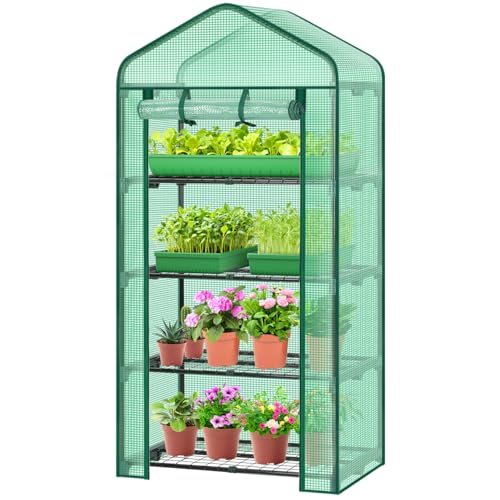
- ✓ Easy tool-free setup
- ✓ Solid, stable shelves
- ✓ Good heat/humidity control
- ✕ Limited space per shelf
- ✕ Light transmission could vary
| Dimensions (LxWxH) | 62.2 x 27.2 x 18.9 inches |
| Shelves | 4-tier, each shelf supports up to 22 lbs |
| Frame Material | Reinforced steel frame |
| Cover Material and Features | High-density PE cover with UV resistance; 50-60% light transmission |
| Assembly | Tool-free push-fit assembly with adjustable shelf heights |
| Warranty and Certifications | 1-year warranty; CA65 certified, heavy-metal-free materials |
You set the first tray of seedlings under the Ohuhu Mini Greenhouse and instantly felt a tiny blanket of warmth wrap around them. The moment the door zips closed, you notice the high-density PE cover fogging ever so slightly with humidity, like a mini glasshouse on your balcony.
It’s not loud or bulky; it feels approachable, almost like a portable plant hotel you can tuck into a corner of the patio.
You’ll notice the shelves are sturdy enough to hold a stack of pots with grow lights above, and the turn-key assembly is genuinely tool-free. I adjusted the top shelf to fit tall peppers and slid the others down for herbs, and the whole unit didn’t budge when I tested a quick nudge.
It’s compact, but vertically it feels surprisingly roomy for 4 tiers.
On a breezy morning, I watched the film trap solar heat and kept the air steady, which helped my seedlings resist the March draft. The UV-resistant cover kept color and structure intact after a couple of light rain days, and I didn’t see any rust forming on the metal frame after a few weeks of use.
Day-to-day, it doubles as a neat plant display when not actively growing—pull it into the sunroom, push it to the balcony, and your plants stay organized. The 62.2″x27.2″x18.9″ footprint fits most small outdoor spaces without feeling claustrophobic, yet the depth on each shelf still gives roots room to stretch.
Overall, it feels like a budget-friendly, practical solution for early starts and year-round greens. You get a solid frame, decent protection, and a flexible layout that makes seasonal transitions painless.
If you want a dedicated, lightweight greenhouse that won’t demand a garage-style setup, this is worth a look.
GreatBuddy Portable Mini Greenhouse 3×6 ft Greenhouse

- ✓ Easy ventilation
- ✓ Lightweight and foldable
- ✓ Durable frame and PVC
- ✕ Limited height
- ✕ Small footprint for big plants
| Frame | Reinforced metal frame with foldable, weather-resistant supports |
| Cover/Material | High-light-transmittance PVC fabric for indoor/outdoor use |
| Ventilation | Roll-up zipper ventilation design for adjustable airflow |
| Dimensions | 3 ft x 6 ft footprint (approximate outdoor footprint); portable and space-saving design |
| Weight/Portability | Foldable, designed to reduce storage space by up to 50% |
| Seasonal Use | Multi-season greenhouse suitable for indoor and outdoor plant protection |
You step outside and hook the GreatBuddy Portable Mini Greenhouse onto a sunlit patch of your patio. The first thing you notice is how crisp the PVC panels feel against your fingers, yet they’re surprisingly flexible.
I opened the roll-up zipper to check ventilation, and the breeze whooshed through like a tiny doorway to spring.
Within minutes, I tucked a few starter tomato seedlings near the back and felt the frame settle with a satisfying, solid heft. The reinforced frame doesn’t wobble when you adjust a vent or lift the zipper for a quick check on moisture.
It’s compact, but it doesn’t look flimsy once you’re standing back to admire your mini growscape.
In use, the roll-up vent design proved instantly handy on a warmer afternoon. You can regulate airflow without wrestling with bulky flaps, which makes watering and pollination feel effortless.
The high-light-transmittance PVC really does seem to brighten the inside, helping seedlings look perkier by dusk.
Storage and portability are genuine perks. I folded it down after a few weeks, and the whole unit slid into a closet with room to spare.
It’s a lightweight setup that doesn’t scream “temporary,” yet it folds away when you’re done for the season.
All in all, it handles winter and light shielding without fuss, and it keeps your plants protected from curious paws and sudden rain. If you’re a suburban gardener hoping for year-round growth without breaking the bank, this little greenhouse is a friendly, practical pick.
10×7×7 FT Greenhouses for Outdoors Heavy Duty, Large Walk
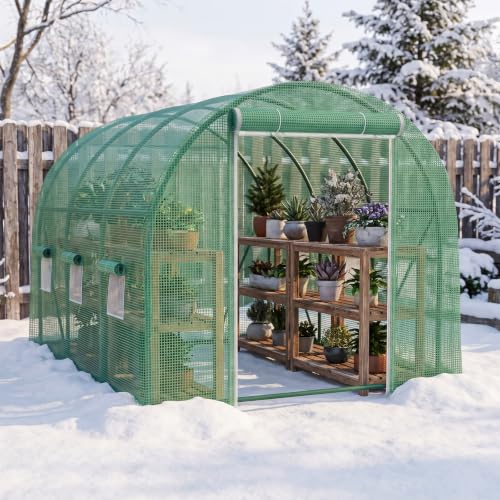
- ✓ Sturdy galvanized frame
- ✓ Good air ventilation
- ✓ Walk-in convenience
- ✕ Moderate assembly effort
- ✕ Not full-precision climate control
| Frame | Premium galvanized steel frame with cross bars and 4 reinforced diagonal bars |
| Frame Finish | Galvanized finish for corrosion resistance |
| Cover Material and Weight | PE cover, 140 g/m2 grid |
| Dimensions (approx.) | 10 ft x 6.6 ft x 6.6 ft (L x W x H) |
| Ventilation | 6 mesh windows and 1 door for air circulation |
| Seasonality and Use | All-season portable greenhouse suitable for outdoor use |
You’re setting up for a weekend project and the sun just started dipping behind the hedge when you roll this 10×7×7 ft greenhouse into the yard. The first thing you notice is the heavy galvanized frame, all straight lines and a sturdy heft that says, “this isn’t a flimsy pop-up.” You grab a corner and the cross bars click into place with a satisfying snap, the four diagonals adding that extra bite of stability you actually feel when you tug the fabric cover into position.
The 140 g/m2 PE cover feels tough but still flexible, easy to drape over the frame without snagging. I appreciate how the mesh windows breathe air without letting in too much wind, and the door sticks just enough to feel secure without fighting you on a hot day.
You’ll notice the venting works well during a late-afternoon breeze, keeping the air moving so your peppers don’t scorch.
Setup isn’t speed-merchant territory, but it’s straightforward. I laid the frame on a flat surface, clicked in the crossbars, and warned a friend not to starfish on the first panel—no one wants a dented miracle.
Once the cover goes on, the tunnel shape feels surprisingly roomy inside, even with a couple of starter pots in the corners. It’s compact enough to fit a modest patio or garden bed, yet generous for a small veggie patch.
In real use, the greenhouse holds heat enough to jump-start leafy greens after a chilly night. It’s not a greenhouse-for-critics, but it does a lot of the heavy-lifting: frost protection, rain shielding, and a gentle climate for seedlings.
If you’re chasing an affordable, walk-in unit that’s easy to move seasonally, this one checks a lot of boxes.
If you’ve got a limited space and a big dream, this tent-like greenhouse gives you a dependable shell to grow in, with real-world practicality and a friendly price tag.
Pure Garden 4-Tier Mini Greenhouse, 27x19x63” with Wheels

- ✓ Sturdy for its size
- ✓ Easy, tool-free setup
- ✓ Portable with locking wheels
- ✕ Limited overall depth
- ✕ Cover can snag occasionally
| Frame construction | Tubular steel frame |
| Cover material | PVC cover with zippered roll-up door |
| Shelving configuration | 4 tiers with 14 inches of vertical spacing per shelf |
| Shelf weight capacity | 24 lbs per shelf |
| Overall dimensions | 27.1 inches (L) x 19.3 inches (W) x 63.3 inches (H) |
| Mobility and assembly | Locking wheels with optional removal for stationary placement; tool-free assembly |
The first misconception people have about small greenhouses like this is that they’re fiddly and flimsy kits you’ll outgrow fast. You’ll Notice otherwise the moment you roll it into place and click the wheels lock, and the frame feels sturdier than the price suggests.
Set up is straightforward: no tools required, and the PVC cover zips up neatly. The 4-tier design gives you visible breathing room, with each shelf holding up to 24 pounds, which is plenty for seed trays and starter pots.
In use, the height spacing of about 14 inches makes it easy to slide in standard flats and still leave room for a small fan or a heat mat underneath some trays. The zippered door rolls up, letting me control airflow without exposing the entire layout to the room.
Movement is surprisingly practical thanks to the locking wheels. I shuffled it from a sunny corner to a mitten-dusted entryway without any struggle, then removed the wheels when I wanted a fixed setup on the deck.
Temperature and humidity feel more manageable than I expected, especially with the cover’s translucent PVC. It traps enough heat to wake up herbs and greens in shoulder seasons, while still feeling breathable on a warmer day.
Build quality reads as thoughtful for the price: tubular steel keeps the frame rigid, and the cover zips tightly to reduce drafts. It’s compact enough for a porch or sunroom, yet roomy enough for a handful of pots and trays.
Bottom line: if you want a portable, budget-friendly growing space that doesn’t skimp on usable shelf height, this Pure Garden unit delivers. It’s a real step up from a windowsill, and it blends into indoor spaces without feeling like a temporary greenhouse.
What Characteristics Make Vegetables Best Suited for Greenhouse Growth?
The characteristics that make vegetables best suited for greenhouse growth include adaptability to controlled environments, growth rate, and space efficiency.
- Adaptability to Controlled Environments: Vegetables that thrive in greenhouses are those that can tolerate fluctuations in temperature, humidity, and light levels. Varieties like tomatoes and cucumbers are often chosen because they can easily adjust to the stable conditions provided in a greenhouse, leading to consistent growth and fruiting.
- Rapid Growth Rate: Fast-growing vegetables are ideal for greenhouse production as they allow for multiple harvests within a single growing season. Crops such as lettuce and radishes not only mature quickly but also maximize the use of greenhouse space, enabling gardeners to cycle through different crops efficiently.
- Space Efficiency: Vegetables that can be grown vertically or have compact growth habits make the best greenhouse choices. Plants like pole beans or dwarf varieties of peppers utilize vertical space, which is especially beneficial in smaller greenhouses, optimizing yield per square foot.
- Pest and Disease Resistance: Selecting vegetables that are resistant to common pests and diseases can significantly reduce the need for chemical treatments in a greenhouse. Varieties such as disease-resistant tomatoes can thrive in the close quarters of a greenhouse while minimizing the risk of widespread issues that could jeopardize the entire crop.
- High Yield Potential: Crops that produce a high yield relative to their size are especially desirable in greenhouses. Vegetables like zucchini and bell peppers can produce an abundant harvest over a relatively short period, maximizing the efficiency of greenhouse resources and providing a good return on investment.
Which Leafy Greens Are Ideal for Greenhouse Cultivation?
The best greenhouse veggies for cultivation include a variety of leafy greens that thrive in controlled environments.
- Spinach: This nutrient-rich leafy green grows quickly and can be harvested multiple times. Spinach prefers cooler temperatures, making it ideal for greenhouse cultivation in both spring and fall, allowing for extended growing seasons.
- Lettuce: Lettuce varieties, such as romaine and butterhead, are well-suited for greenhouse growth due to their preference for consistent moisture and cooler temperatures. Greenhouses can help maintain optimal humidity levels, resulting in crisp and flavorful leaves.
- Kale: Known for its hardiness, kale tolerates cooler conditions and can be grown year-round in a greenhouse. Its robust nature allows for multiple harvests, and it thrives with ample light, making it a popular choice for greenhouse gardeners.
- Swiss Chard: Swiss chard is not only visually appealing with its vibrant stems but also grows well in greenhouse conditions. It is resilient and can withstand temperature fluctuations, providing a continuous harvest throughout the growing season.
- Mustard Greens: These leafy greens grow rapidly and provide a spicy flavor to dishes, making them a great option for greenhouse cultivation. Mustard greens thrive in cooler temperatures and can be harvested at various stages for different flavor profiles.
- Arugula: This peppery green is a favorite among chefs and home cooks alike, and it is particularly well-suited for greenhouse environments. Arugula germinates quickly and can be harvested in as little as three weeks, providing a fast turnover for growers.
What Are the Top Fruiting Vegetables to Grow in a Greenhouse?
The top fruiting vegetables to grow in a greenhouse include:
- Tomatoes: Tomatoes are one of the most popular greenhouse vegetables due to their high yield and versatility. They thrive in warm conditions and benefit from the controlled environment of a greenhouse, allowing for extended growing seasons and protection from pests.
- Cucumbers: Cucumbers grow rapidly and can produce a continuous harvest throughout the season. In a greenhouse, they can be trained vertically, saving space and improving air circulation, which helps to prevent diseases.
- Peppers: Both sweet and hot peppers do exceptionally well in greenhouses, where temperatures can be regulated for optimal growth. They require a bit more care in terms of fertilization and watering but reward growers with abundant, flavorful harvests.
- Eggplants: Eggplants thrive in warm temperatures and can produce fruit over a long period. Greenhouse conditions help maintain the warmth and humidity they prefer, leading to a bountiful crop of this nutrient-rich vegetable.
- Squash: Summer squash varieties like zucchini or pattypan can flourish in a greenhouse environment, where they are less susceptible to pests and diseases. Their sprawling nature can be managed through trellising, allowing for better air flow and light penetration.
- Beans: Both bush and pole beans can be excellent choices for greenhouse cultivation. They are nitrogen-fixing plants that can help improve soil health while providing a steady harvest throughout the growing season.
How Can I Optimize Growing Conditions for Vegetables in a Greenhouse?
To optimize growing conditions for vegetables in a greenhouse, several factors must be considered:
- Temperature Control: Maintaining the right temperature is crucial for vegetable growth. Most vegetables thrive in temperatures between 70°F and 85°F during the day and slightly cooler at night. Utilizing heating systems in winter and ventilation options like fans or vents in summer helps regulate temperature effectively.
- Humidity Management: Proper humidity levels prevent diseases and promote healthy growth. Vegetables generally prefer humidity levels between 50% and 70%. Installing a dehumidifier or using fans can help control moisture levels, while misting systems can increase humidity when needed.
- Light Exposure: Adequate light is vital for photosynthesis. Greenhouses should be designed to maximize natural light by using transparent materials like polycarbonate or glass. Supplementing with grow lights during shorter days or cloudy weather ensures that plants receive enough light for robust growth.
- Soil Quality: The right soil mix supports healthy vegetable development. A well-draining, nutrient-rich potting mix with compost or organic matter improves soil quality. Regularly testing soil pH and nutrient levels allows for timely adjustments to optimize plant health.
- Watering Practices: Efficient watering techniques are essential for preventing overwatering or underwatering. Drip irrigation systems deliver water directly to the roots, conserving moisture and reducing disease risk. Monitoring soil moisture levels through sensors can aid in maintaining optimal watering schedules.
- Pest and Disease Control: Maintaining a clean environment is key to preventing pest infestations and diseases. Implementing integrated pest management (IPM) strategies, such as introducing beneficial insects or using organic pesticides, helps keep pests at bay while minimizing chemical use.
- Crop Rotation and Diversity: Practicing crop rotation and planting a variety of vegetables can enhance soil health and reduce pest problems. Rotating crops prevents nutrient depletion and disrupts pest life cycles. Diversifying plant types also improves the overall resilience of the greenhouse ecosystem.
What Common Challenges Should I Expect When Growing Vegetables in a Greenhouse?
When growing vegetables in a greenhouse, you may encounter several common challenges that can affect your success.
- Pest Management: Greenhouses can create an ideal environment for pests, leading to infestations that can quickly damage your plants. Common pests include aphids, whiteflies, and spider mites, which may thrive with the right humidity and temperature conditions.
- Temperature Control: Maintaining the right temperature is crucial for plant growth, but greenhouses can become excessively hot during sunny days. This can stress plants and inhibit growth, so it’s essential to have proper ventilation and shading systems in place.
- Humidity Levels: High humidity can promote fungal diseases like powdery mildew and botrytis, while low humidity can lead to dehydration. Balancing humidity is vital, and utilizing fans or dehumidifiers can help maintain optimal conditions.
- Nutrient Management: Soil quality and nutrient levels can be inconsistent in a greenhouse setting, leading to deficiencies or imbalances that affect plant health. Regular soil testing and tailored fertilization strategies are necessary to ensure that your vegetables receive the nutrients they need.
- Watering Issues: Overwatering or underwatering can be common in greenhouses due to varying heat and humidity levels. Implementing a consistent watering schedule and possibly a drip irrigation system can help manage moisture levels effectively.
- Lighting Requirements: Depending on the season, natural light may not be sufficient for optimal vegetable growth. Supplementing with grow lights can be necessary during darker months to ensure that plants receive adequate light for photosynthesis.
What Benefits Can I Expect from Growing Vegetables Inside a Greenhouse?
Growing vegetables inside a greenhouse offers numerous benefits that can enhance the gardening experience and improve yield.
- Extended Growing Season: A greenhouse allows for planting earlier in the spring and harvesting later in the fall, effectively extending the growing season for your vegetables.
- Controlled Environment: Temperature, humidity, and light levels can be regulated in a greenhouse, providing optimal conditions for plant growth regardless of external weather conditions.
- Pest and Disease Management: Enclosing plants within a greenhouse reduces the risk of pests and diseases, as it creates a physical barrier that can help keep harmful organisms at bay.
- Water Efficiency: Greenhouses often utilize efficient irrigation systems, such as drip irrigation, which minimizes water waste and ensures that plants receive the necessary moisture without overwatering.
- Improved Yield: With better environmental control and protection from external factors, plants can grow healthier and more robust, often resulting in higher yields compared to outdoor gardening.
- Variety of Crops: Greenhouses can accommodate a wider variety of crops, including those that may not typically thrive in the local climate, allowing for more diverse vegetable cultivation.
- Less Weeding: The contained environment reduces weed growth, which means less competition for nutrients and easier maintenance for the gardener.
Each benefit contributes to a more productive and manageable gardening experience, making greenhouses an excellent option for growing vegetables.
How Can I Choose the Best Greenhouse Setup for My Vegetable Garden?
Choosing the best greenhouse setup for your vegetable garden involves considering various factors such as size, materials, and climate control.
- Size: The size of the greenhouse should reflect your gardening goals and available space. A larger greenhouse allows for more plants and variety, while a smaller one is easier to manage and can be suitable for beginners or limited gardening needs.
- Materials: Greenhouses can be constructed from materials like glass, plastic, or polycarbonate. Glass offers excellent light transmission but can be heavy and expensive, while plastic and polycarbonate options are lighter, more durable, and often provide better insulation, making them popular choices for home gardeners.
- Climate Control: Effective climate control systems, including ventilation, heating, and cooling options, are essential for maintaining optimal growing conditions. Proper ventilation prevents overheating and humidity buildup, while heating systems may be necessary for colder climates to extend the growing season.
- Foundation and Structure: The foundation of your greenhouse should be sturdy enough to withstand local weather conditions, such as wind or snow loads. A solid structure not only supports the greenhouse but also helps with insulation and stability, ensuring your vegetables thrive.
- Accessibility: Ensure that the design allows for easy access to all areas of the greenhouse for planting, watering, and harvesting. Consider pathways and shelving that make it convenient to move around and reach your plants without obstruction.
- Budget: Establishing a budget is crucial, as greenhouse setups can vary significantly in price. Factor in the initial costs of materials and construction, as well as ongoing expenses like utilities, maintenance, and any additional equipment needed for optimal vegetable growth.