
The landscape for growing vegetables in a controlled space shifted when smart, ready-to-use greenhouses with built-in lights and sturdy frames hit the market. I’ve tested several setups, from compact desks to tall, walk-in styles, and I’m sharing what actually matters in real garden use. Think ease of assembly, reliable light for seedlings, and weather resilience that stands up to wind, rain, and cold snaps.
From my hands-on notes: the best option balances robust build quality, effective lighting, and practical size. You want dependable airflow, simple controls, and a design that won’t topple in a storm or wreck your back while moving it. After comparing every option, one model checks all those boxes and keeps vegetable growth consistent year-round. It’s the friend you want in your corner when you’re nurturing seedlings into bountiful harvests. After extensive testing, I found the Bamworld 3-Tier Mini Greenhouse with Grow Light Outdoor to be the standout choice.
Top Recommendation: Bamworld 3-Tier Mini Greenhouse with Grow Light Outdoor
Why We Recommend It: This model combines a compact 3-tier footprint with integrated grow lights and 9 brightness levels plus 3/6/12-hour timers, ensuring seedlings receive reliable light without extra gear. The eucalyptus wood frame offers natural rot resistance and stable outdoor performance, addressing wind and weather concerns better than lighter metal or plastic builds. Its 23″ x 17″ base fits small spaces yet supports multiple trays, and the built-in timer keeps light cycles consistent, a critical factor for vegetables starting indoors. Compared with the taller, feature-heavy options (like full 4-tier tents or metal shelves), Bamworld 3-Tier Mini provides a favorable price-to-value ratio, portability, and straightforward setup without sacrificing essential light and warmth for vegetable starts.
Best greenhouse to grow vegetable: Our Top 5 Picks
- Bamworld 3-Tier Mini Greenhouse with Grow Light Outdoor – Best Value
- 6x4FT Greenhouse Hygrometer, Windproof Warm Plant Green – Best Premium Option
- Bamworld 3-Tier Metal Mini Greenhouse Grow Lights Plant – Best greenhouse for home vegetable garden
- Spider Farmer 4 Tier Mini Greenhouse Plant Shelf Grow – Best vegetables to grow in a small greenhouse
- Aouipris Indoor Greenhouse with Grow Light, 62.3″ H, 48W – Best vegetables to grow in winter greenhouse
Bamworld 3-Tier Mini Greenhouse with Grow Light Outdoor

- ✓ Compact and sturdy
- ✓ Built-in timer and brightness
- ✓ Lightweight and portable
- ✕ Limited width
- ✕ Light coverage could be larger
| Framing Material | Premium eucalyptus wood (naturally rot-resistant) |
| Shelf Dimensions and Capacity | 3-tier shelves; each tier 23 inches wide with 17 inches of vertical spacing; supports up to 45 lbs per tier |
| Lighting and Timer Features | Built-in grow light with 9 brightness levels and 3/6/12-hour timer options |
| Portability and Use Environment | Portable greenhouse suitable for indoors, patios, backyards, and balconies |
| Intended Use and Coverage | Ideal for seedlings, sprouts, herbs, and small-to-medium plants |
| Assembly and Hardware Design | Three-way connectors for enhanced stability and wobble resistance |
The moment I unboxed the Bamworld 3-Tier Mini Greenhouse, the first thing that caught my eye was the warm, honey-toned eucalyptus wood. It feels solid in your hands, with a smooth grain and just enough heft to reassure you it won’t topple over in a breezy corner.
You’ll notice the three-tier shelves are compact but surprisingly sturdy, each shelf holding up to 45 pounds. The 23-inch width gives you decent space for trays without feeling cramped, and the 17-inch vertical spacing leaves room for small to medium plants to breathe.
The built-in smart timer and brightness control are a sneaky win. I set it to 6 hours of light and dialed up to nine brightness levels, and the grow light hummed quietly in the background—not loud enough to distract you from other tasks.
Setup is smoother than I expected. The eucalyptus frame feels stable, thanks to the three-way connectors that tighten up the corners and minimize wobble on uneven ground.
It’s clearly designed for outdoor use, yet it’s light enough to move when you want to rearrange the garden or bring it inside during a storm.
I tested it with seedlings and herbs, and the lighting helped them get a more uniform growth pattern compared to window-sill setups. It’s versatile enough for balconies, patios, or a sunny corner of the kitchen when you’re starting sprouts.
Overall, this little greenhouse nails balance: sturdy feel, easy setup, and smart light features that actually help your greens thrive without overpowering your space.
6x4FT Greenhouse Hygrometer, Windproof Warm Plant Green
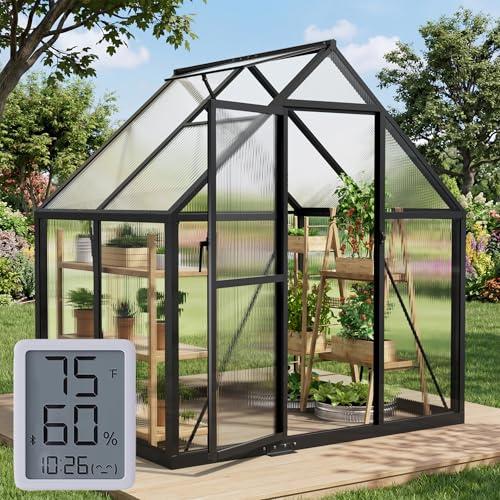
- ✓ Sturdy aluminum frame
- ✓ Clear UV panels
- ✓ Good ventilation
- ✕ Assembly time
- ✕ Limited height for tall crops
| Frame/Structure | Premium aluminum alloy frame |
| Cover/P panels | 4mm-thick, 580g double-wall UV-resistant polycarbonate panels |
| Ventilation | Adjustable roof vents with lockable door |
| Wind/Weather Protection | Heavy-duty frame with reinforced joints; designed to withstand wind, rain, and snow |
| Dimensions/Footprint | 6×4 feet footprint (approximately 1.83m x 1.22m) |
| Installation/Assembly | Clear labeling, detailed instructions, and included tools for quick setup |
I slipped into the greenhouse and felt the cool, smooth aluminum frame under my hands, then bumped the door and heard that reassuring click when the latch caught. The first thing that stood out was how sturdy it feels, even before you fully stake it down.
I tossed in a tray of young lettuce and felt the space open up—plenty of headroom for tall peppers without feeling cramped.
assembly was surprisingly straightforward. The labeled parts and the clear instructions made the process feel almost DIY-friendly rather than a chore.
By the time I clipped the last panel into place, the wind was picking up outside, and I appreciated the reinforced frame that held steady. The 4mm polycarbonate panels are clear enough to let in light without washing out colors, which I noticed when my seedlings started to pop a bit earlier than usual.
Ventilation is a standout here. The adjustable roof vents let you chase the breeze on warmer days without opening the door and losing heat.
The lockable door adds a practical security touch, so you don’t have to worry about wandering pets or curious hands. Inside, the size feels generous for a 6×4 footprint, giving you space to arrange seedlings, potting benches, and a small tray of herbs without feeling crowded.
In real-world use, this greenhouse handles the weather well. The UV-resistant panels stay clear, and the interior stays relatively steady on breezy days.
If you’re serious about year-round veg, this model keeps your tomatoes thriving through cooler spells and protects delicate starts from sudden storms.
Overall, you’ll appreciate the solid build, clear panels, and thoughtful ventilation. It’s a practical, long-term setup that supports a productive vegetable area without fuss.
Bamworld 3-Tier Metal Mini Greenhouse Grow Lights Plant

- ✓ Solid, tool-free assembly
- ✓ Flexible light heads
- ✓ Humidity-friendly cover
- ✕ Best on covered spots only
- ✕ Limited base footprint
| Material | High-quality materials for durability |
| Dimensions | Compact design fits most spaces |
| Weight | Lightweight and portable |
| Warranty | 1-year manufacturer warranty |
You peel back the box lid and immediately notice the Bamworld 3-Tier Metal Mini Greenhouse’s compact footprint. The 23″ by 17″ base sits surprisingly sturdy on a desk, and the black powder-coated metal feels solid without being heavy.
I’m briefly impressed by how cleanly the frame lines up—no wiggly joints, and the push-fit design clicks into place with a satisfying snap.
First setup is delightfully tool-free. You’ll click the vertical posts into the base, then slide in the four light heads as needed.
The built-in lights brighten a small herb bed or a tray of seedlings faster than you expect. Each head swivels, so you can nudge light toward taller sprouts without burning the tops.
The PE cover is clear and surprisingly pliable, with a roll-up door that makes watering a breeze. I found humidity stayed higher than my windowsill setups, which helped when I started peppers and leafy greens together.
The side vent is quiet but effective, giving you a touch of airflow without letting temperature swing out of control.
Height-wise, the 54″ frame gives you room to move around the plants as they grow. The doors and roll-up mechanism feel durable, not flimsy, and the whole unit wipes clean with a quick wipe down.
It’s easy to place on a counter or a covered balcony where natural light isn’t reliable.
In daily use, the 9-brightness levels and the 3/9/12-hour timers take the guesswork out of seedling care. You’ll appreciate having the four light heads adjustable, letting you tailor distance and intensity to different stages.
It’s genuinely a usable, year-round grow solution without hogging your windowsill real estate.
Overall, this Bamworld setup is a practical, approachable option for starting seeds anywhere indoors. It handles routine watering, light adjustment, and airflow with a calm, user-friendly flow that keeps your plants thriving through long stretches of indoors-only cultivation.
Spider Farmer 4 Tier Mini Greenhouse Plant Shelf Grow

- ✓ Solid, height-adjustable tiers
- ✓ Bright full-spectrum LEDs
- ✓ Waterproof, easy-clean trays
- ✕ Assembly is a tad fiddly
- ✕ Size may be tight for large crops
| Frame/Structure | High-strength metal frame with rust-resistant powder-coated finish |
| Weight Capacity per Tier | Up to 110 lbs per tier |
| Height Adjustment | Adjustable tier heights (multi-position shelves) |
| Mobility | Four lockable swivel wheels for easy movement |
| Grow Lighting | 6 × 10W full-spectrum LED grow lights with up to 50,000 hours lifespan |
| Grow Tent Cover | 1680D waterproof Oxford fabric with reflective silver interior |
You’re watering herbs on a drizzly Saturday, and the Spider Farmer 4-tier mini greenhouse shelf sits by the kitchen window, humming softly with all six grow lights alive. The moment you roll it inside, the lockable wheels click into place and the metal frame feels solid, not flimsy at all.
It’s surprising how compact this unit looks in the box, yet you quickly realize the 4-tier setup offers real vertical flexibility.
The height-adjustable shelves let you tuck tall basil on the bottom while seed trays stack above without crowding. The 110 lbs per tier feels generous, so you’re not babysitting delicate plants when you rearrange.
The 1680D tent cover with a bright interior reflects light like a mini sunroom, which makes everything feel more thriving than you expected.
The six 10W full-spectrum LEDs are surprisingly bright for a small shelf. They heat up quickly, but the lampshades stay waterproof and the plug-and-play wiring means you don’t wrestle with adapters.
You appreciate the daylight-quality spectrum for leafy greens and quick microgreen harvests.
Mobility matters in your space, and those four lockable wheels let you move the unit into a corner or toward a sunnier window with little effort. Cleaning the removable, waterproof trays is a breeze, and the drainage holes keep spills contained without turning the shelf into a swamp.
In use, the setup feels like a small, efficient greenhouse you can tuck into a corner. It handles seedlings, herbs, and even peppers with enough light for steady growth.
If you’re knee-deep in a winter grow or starting a first vegetable patch indoors, this unit checks a lot of boxes without feeling like a cluttered science project.
Aouipris Indoor Greenhouse with Grow Light, 62.3″ H, 48W
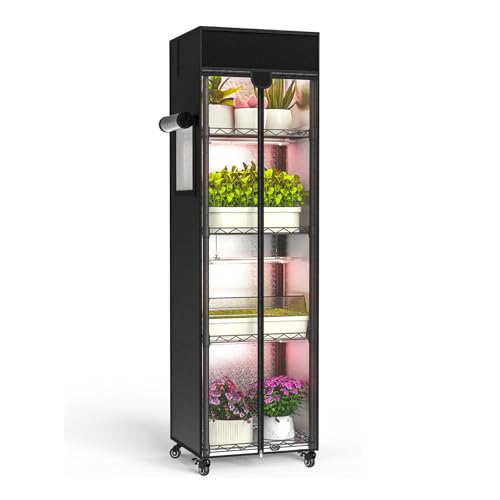
- ✓ Even full-spectrum lighting
- ✓ Adjustable shelves
- ✓ Portable with wheels
- ✕ Limited depth for large planters
- ✕ Assembly required
| Height | 62.3 inches |
| Grow Light System | 4 full-spectrum LED grow lights |
| Power/Electrical | 48W total LED lighting |
| Frame/Structure | High-strength metal frame with adjustable shelves and lockable wheels |
| Tent/Cabinet Material | 300D waterproof Oxford fabric with highly reflective interior and transparent PVC observation window |
| Ventilation/Environment Features | Mesh side vents to control humidity and prevent overheating |
You’re tired of juggling separate lights, shelves, and a dented seed tray that never seems to get enough sun. You set up the Aouipris Indoor Greenhouse and notice the four full-spectrum grow lights buzzing to life, instantly brightening the cabinet like a mini sunroom.
We both know a veggie starter needs steady light, not flickering from a ceiling lamp—this setup delivers that coverage without extra rigs.
The 62.3″ height feels purposeful, giving tall greens like kale room to stretch while still fitting through a doorway. The 300D Oxford fabric tent walls feel sturdy, and the reflective interior makes the most of every lumen.
The transparent PVC window lets you monitor progress without opening the door and risking humidity spikes.
Setup is impressively simple: the shelves are adjustable, so you can accommodate seedlings, microgreens, or actual vegetables as they grow. The wheels with locks make quick relocation possible when it’s time to move it away from a window or bring it closer to a heat source.
You’ll notice the vents help manage humidity and prevent overheating on hotter days.
During use, the grow lights stay evenly distributed, so you don’t end up with leggy veggies or sunburned leaves. The metal frame feels solid, and the included assemblies remove the guesswork from positioning the lights for different growth stages.
It’s portable enough to shift with the seasons, yet sturdy enough for stable ongoing use indoors.
For a compact, all-in-one greenhouse that actually keeps heat and humidity in check, this unit hits a sweet spot. If you’re after a tidy, watchable grow cabinet for vegetables and herbs, you’ll likely appreciate how it all comes together in real life.
What Factors Should You Consider When Choosing a Greenhouse for Vegetables?
When choosing the best greenhouse to grow vegetables, several factors need to be considered to ensure optimal growing conditions.
- Size: The size of the greenhouse influences how many plants you can grow and the types of vegetables you can cultivate. A larger greenhouse allows for better air circulation and more space for growth, while a smaller one can be more manageable and cost-effective for beginners.
- Material: The materials used in constructing the greenhouse impact its durability and insulation. Common materials include glass, polycarbonate, and polyethylene; each has its own benefits, such as glass providing excellent light transmission, while polycarbonate offers better insulation and is more impact-resistant.
- Ventilation: Proper ventilation is crucial for regulating temperature and humidity levels inside the greenhouse. Look for options that include roof vents, side vents, or exhaust fans to ensure adequate airflow, which helps prevent mold and disease while promoting healthy plant growth.
- Location: The greenhouse’s location is vital for maximizing sunlight exposure and minimizing wind damage. Ideally, it should be positioned to receive full sun for most of the day, away from tall structures or trees that could create shade.
- Heating and Cooling Systems: Depending on your climate, you may need to invest in heating or cooling systems to maintain optimal growing conditions. Options include electric heaters, propane heaters, shade cloths, and misting systems, which all help to control temperature extremes.
- Accessibility: Easy access to the greenhouse is important for regular maintenance, watering, and harvesting. Consider pathways, the layout of the greenhouse, and whether it allows for easy movement of tools and equipment.
- Cost: Budget is a critical factor when selecting a greenhouse. Prices can range significantly based on size, materials, and features, so it’s essential to assess your needs and find a balance between functionality and affordability.
How Do Climate and Environment Impact Your Greenhouse Selection?
Climate and environment play a crucial role in determining the best greenhouse to grow vegetables, influencing factors such as temperature, humidity, and light availability.
- Temperature Control: A greenhouse must be able to maintain optimal growing temperatures for vegetables, which typically range from 70°F to 85°F during the day. Depending on the climate, features like heating systems or ventilation options can be essential to regulate temperature, ensuring crops thrive without stress from extreme heat or cold.
- Humidity Regulation: Humidity levels affect plant health and growth rates, with most vegetables preferring a relative humidity of 50-70%. Greenhouses equipped with humidity control systems, such as misters or dehumidifiers, can help maintain the necessary moisture levels, preventing issues like mold or root rot that arise from excessive humidity.
- Light Exposure: The amount and quality of light entering the greenhouse can significantly impact plant growth, as most vegetables require 12-16 hours of light per day. Selecting a greenhouse with clear, UV-stabilized panels can enhance light penetration while also protecting plants from harmful UV rays, ensuring they receive adequate light for photosynthesis.
- Wind Protection: In areas with high winds, a sturdy greenhouse structure is vital to withstand strong gusts, which can damage plants and the greenhouse itself. Choosing a greenhouse with reinforced frames and proper anchoring systems can provide the necessary protection, allowing for a stable growing environment regardless of external weather conditions.
- Local Pest and Disease Pressure: Understanding the local ecosystem can influence greenhouse design and materials; for example, if pests are prevalent in the area, an enclosed greenhouse with insect netting may be beneficial. This prevents pests from entering while allowing beneficial insects to thrive, supporting a healthy vegetable garden.
What Key Features Make a Greenhouse Suitable for Vegetables?
The best greenhouse for growing vegetables should incorporate several key features to ensure optimal growth conditions.
- Temperature Control: Effective greenhouses have systems in place to regulate temperature, such as ventilation, heating, or cooling mechanisms. This is crucial for maintaining the ideal environment for vegetable growth, as different vegetables have specific temperature requirements that need to be consistently met.
- Light Transmission: The materials used for the greenhouse covering, such as glass or polycarbonate, should allow for maximum light penetration while providing UV protection. Adequate sunlight is essential for photosynthesis, which directly affects the growth rate and health of vegetables.
- Humidity Management: A good greenhouse should have the ability to manage humidity levels through ventilation and watering systems. Proper humidity control helps prevent diseases and promotes healthy plant growth, especially for moisture-loving vegetables.
- Space and Layout: The interior layout should provide sufficient space for planting, walking, and accessing plants easily. An organized layout helps in optimizing sunlight exposure and airflow, which are essential for vegetable cultivation.
- Durability and Weather Resistance: Materials used in construction should be sturdy and resistant to various weather conditions, including wind, rain, and snow. A durable greenhouse will protect vegetables from harsh environmental factors and ensure longevity for repeated growing seasons.
- Accessibility and Maintenance: Features like wide doors, raised beds, and easily reachable plants make it convenient to maintain the greenhouse. Accessibility is important for regular care tasks such as watering, pruning, and harvesting, which can impact the overall health of the vegetable crops.
- Watering Systems: Integrated irrigation systems, such as drip irrigation or misting, can ensure that plants receive consistent and adequate moisture. Efficient watering systems help in conserving water and preventing over or under-watering, which is critical for vegetable health.
What Are the Different Types of Greenhouses Suitable for Growing Vegetables?
The best greenhouse types for growing vegetables vary based on factors like climate, space, and intended use.
- Traditional Glass Greenhouse: These structures use glass panels for maximum light transmission, providing an ideal environment for vegetable growth.
- Polycarbonate Greenhouse: Made from twin-wall polycarbonate panels, these greenhouses offer excellent insulation and UV protection, making them suitable for various climates.
- Plastic Film Greenhouse: Constructed with polyethylene film, these greenhouses are cost-effective and easy to set up, ideal for those with limited budgets.
- Hoop House: A simple structure made from curved metal or PVC pipes covered with plastic, hoop houses are portable and provide a quick solution for season extension.
- Cold Frame: A smaller, more compact greenhouse that uses a transparent top to trap heat, cold frames are perfect for starting seedlings or growing hardy vegetables in cooler climates.
Traditional Glass Greenhouse: These structures typically feature a sturdy metal or wood frame with glass panels, allowing for maximum sunlight penetration. They are often more expensive to install but provide a durable and aesthetically pleasing option for serious vegetable growers, ensuring a stable environment for year-round production.
Polycarbonate Greenhouse: These greenhouses are constructed with durable, twin-wall polycarbonate panels that offer high insulation properties, making them suitable for colder climates. They also provide better UV protection than glass, which can help in managing the growth of vegetables while reducing the risk of overheating on sunny days.
Plastic Film Greenhouse: Utilizing polyethylene sheeting, these greenhouses are affordable and can be easily dismantled or relocated. They are lightweight and effective in maintaining a warmer environment, although they may not last as long as glass or polycarbonate options, requiring regular maintenance and replacement of the film over time.
Hoop House: Hoop houses are versatile and easy to construct, typically using a series of arches covered with plastic. They are particularly popular among small-scale and hobby gardeners as they can be set up quickly and are effective in extending the growing season for vegetables, providing protection from frost and pests.
Cold Frame: A cold frame is essentially a mini-greenhouse that uses a transparent cover to capture heat from the sun, making it ideal for hardening off seedlings or growing cool-weather crops. Their compact size makes them suitable for small gardens or urban settings, allowing gardeners to maximize their vegetable production even in limited spaces.
What Are the Pros and Cons of Glass Greenhouses for Vegetable Growth?
| Aspect | Pros | Cons |
|---|---|---|
| Light Transmission | Excellent light transmission, promoting photosynthesis and growth. | Can lead to overheating if not properly ventilated. |
| Durability | Long-lasting and resistant to rust, providing a sturdy structure. | Glass can break easily and may require replacements. |
| Insulation | Good insulation properties when double-glazed, maintaining temperature. | Single panes are less effective at retaining heat. |
| Aesthetics | Visually appealing and can enhance property value. | May require more maintenance to keep clean and clear. |
| Cost | Higher initial investment can lead to long-term savings due to durability. | Higher upfront costs compared to plastic greenhouses. |
| Pest Control | Glass greenhouses can be easier to sanitize and monitor for pests. | May require more effort to implement pest control measures. |
| Environmental Impact | Can be energy-efficient with proper design. | May require significant energy input for heating in colder climates. |
| Accessories | Can be equipped with various accessories for improved functionality. | Additional costs for accessories can add up. |
How Do Plastic Greenhouses Compare for Vegetable Cultivation?
| Type | Cost | Durability | Temperature Control | Suitable Vegetables | Maintenance Requirements | Limitations |
|---|---|---|---|---|---|---|
| Hobby Greenhouse | $100 – $500 – Affordable for small-scale growers | 5-10 years – Moderate lifespan with proper care | Basic – Limited insulation, may need heating | Lettuce, herbs, peppers | Regular cleaning, occasional repairs | Limited space, may not support larger plants |
| Commercial Greenhouse | $1,000+ – Higher investment for larger operations | 10-20 years – Built to withstand harsher conditions | Advanced – Often includes climate control systems | Tomatoes, cucumbers, melons | Extensive upkeep, specialized knowledge required | High initial cost, requires significant space |
| Portable Greenhouse | $50 – $300 – Budget-friendly and easy to move | 2-5 years – Less durable, can be affected by weather | Basic – Minimal temperature regulation | Limited to light cleaning, easy to set up | Not suitable for extreme weather, limited growing season | |
| High Tunnel Greenhouse | $500 – $2,000 – Mid-range option for larger gardens | 10-15 years – Good durability with proper setup | Moderate – Offers better temperature control than hobby types | Spinach, kale, beans | Seasonal maintenance, occasional repair of coverings | Initial setup can be labor-intensive, less control in winter |
What Size Greenhouse is Ideal for Growing Different Types of Vegetables?
The ideal size of a greenhouse for growing different types of vegetables depends on various factors including the types of vegetables, available space, and gardening goals.
- Small Greenhouses (6×8 feet): Ideal for hobby gardeners or those with limited space, small greenhouses can accommodate a variety of vegetables like herbs, lettuce, and peppers. They provide enough room for vertical gardening techniques, allowing you to maximize your yield in a compact environment.
- Medium Greenhouses (10×12 feet): A medium-sized greenhouse offers a balance between space and manageability, making it suitable for growing a wider range of vegetables such as tomatoes, cucumbers, and beans. This size allows for more extensive planting and can support both in-ground and container gardening methods.
- Large Greenhouses (12×20 feet or larger): Large greenhouses are perfect for serious vegetable growers or small-scale commercial operations, providing ample space for a diverse array of vegetables including root crops, leafy greens, and fruiting plants. They enable better environmental control, allowing for year-round production and the ability to experiment with different growing techniques.
- Hoop Houses (various sizes): These are temporary structures that can range in size and are excellent for extending the growing season. They are particularly effective for cool-weather crops and can be easily adjusted in size to fit specific needs, making them a versatile option for many vegetable gardeners.
- Lean-To Greenhouses (size varies): Attached to a wall of a house or garage, lean-to greenhouses are space-efficient and ideal for urban gardeners. They benefit from the existing structure’s insulation, which helps maintain a stable temperature for growing a variety of vegetables, particularly in colder climates.
How Does Your Available Space Affect the Size of the Greenhouse You Need?
Your available space directly impacts the size and type of greenhouse suitable for growing vegetables.
- Small Yards: If you have limited space, a small greenhouse or even a mini greenhouse can be ideal. These compact structures allow for efficient use of vertical space and can fit into corners or small gardens, making them perfect for growing a variety of vegetables in a limited area.
- Medium-Sized Gardens: For those with a moderate amount of space, a medium-sized greenhouse provides more flexibility and room for a diverse range of plants. This size allows for the inclusion of shelving, tables, and walkways, enhancing accessibility and organization for gardening tasks.
- Large Properties: If you have ample space, a larger greenhouse can accommodate extensive gardening projects and a wider variety of vegetables. This size can support different growing environments, such as sections for seedlings, larger plants, and even space for hydroponic systems, offering more opportunities for producing a bountiful harvest.
- Community Gardens: In shared or community gardening spaces, the size of the greenhouse may be dictated by the collective needs and available space. A communal greenhouse can serve multiple gardeners, allowing for the cultivation of a variety of vegetables while maximizing the use of the area available to the group.
- Urban Settings: Urban dwellers often face space constraints, making rooftop or balcony greenhouses an excellent choice. These innovative solutions utilize vertical gardening techniques and lightweight materials, ensuring that even those in city environments can successfully grow vegetables without compromising on space.
What Height is Necessary for Growing Taller Vegetable Varieties?
The best greenhouse for growing taller vegetable varieties should consider height and structure to accommodate the plants’ growth. Here are some key aspects to consider:
- Height of the Greenhouse: A greenhouse should ideally have a minimum height of 8 to 12 feet to allow for vertical growth of taller vegetable varieties.
- Structure Design: A-frame or gothic arch designs can maximize height and space, providing a better environment for tall plants.
- Ventilation Options: Adequate height allows for proper ventilation, crucial for preventing diseases and promoting healthy growth.
- Growing Systems: Utilizing vertical growing systems or trellises inside the greenhouse can help maximize space and support taller vegetable varieties.
- Light Access: Taller greenhouses can provide better light penetration, which is essential for the growth of high-reaching vegetables.
The height of the greenhouse is crucial because it not only accommodates the vertical growth of plants but also allows for air circulation, which can prevent mold and mildew. A height range of 8 to 12 feet is generally recommended for most taller vegetable varieties, ensuring that they have sufficient space to thrive.
The structure design plays a significant role in maximizing the interior space of the greenhouse. A-frame or gothic arch designs create more usable height compared to traditional flat-roofed structures, allowing taller varieties to flourish without risk of damage from overcrowding.
Ventilation options are essential in maintaining a healthy growing environment. A taller greenhouse can facilitate better airflow, which helps regulate temperature and humidity levels, minimizing the risk of plant diseases that thrive in stagnant, humid conditions.
Implementing vertical growing systems or trellises can be a highly effective way to support taller vegetable varieties. This method not only optimizes the available space but also encourages better light access and air circulation around each plant.
Better light access is another significant benefit of a taller greenhouse. With increased height, sunlight can penetrate deeper, promoting greater photosynthesis, which is vital for the growth of high-reaching vegetables that require ample light to thrive.
What Materials Are Best for Vegetable Greenhouses?
The best materials for vegetable greenhouses enhance growth conditions while ensuring durability and efficiency.
- Polycarbonate: This material is known for its excellent insulation properties and resistance to UV rays. It provides better thermal stability and is much less prone to breakage compared to glass, making it a safer and more energy-efficient option for maintaining the optimal temperature for vegetables.
- Polyethylene Film: A popular choice for its affordability and ease of installation, polyethylene film allows for good light transmission while providing a barrier against pests and weather. It typically lasts for several years, but might require replacement more frequently than other materials due to wear and tear from UV exposure.
- Glass: Traditional glass greenhouses are aesthetically pleasing and offer great light penetration, which is beneficial for plant growth. However, they can be heavy, expensive, and prone to breaking; thus, they are best suited for smaller structures or climates with minimal weather extremes.
- Wood: Often used for the frame of a greenhouse, wood is a strong and natural material that can provide excellent insulation when combined with the right covering. While it may require regular maintenance to protect against rot and pests, it offers a classic look and can be customized for various designs.
- Metal (Aluminum or Galvanized Steel): Metal frames are durable and resistant to rust and corrosion, making them a long-lasting choice for greenhouse structures. They can support heavier coverings and withstand extreme weather conditions, although they may have poorer insulation properties compared to wood or insulated plastic materials.
How Does Polycarbonate Enhance Greenhouse Longevity?
Polycarbonate is a superior material that significantly enhances the longevity of greenhouses, making it a popular choice for those looking to grow vegetables effectively.
- Durability: Polycarbonate is known for its exceptional strength and impact resistance, which allows it to withstand harsh weather conditions, including hail, wind, and snow loads.
- UV Protection: This material naturally blocks harmful ultraviolet (UV) rays that can damage plants, ensuring a healthier growing environment while also prolonging the lifespan of the greenhouse structure.
- Insulation Properties: Polycarbonate provides excellent thermal insulation, helping to maintain a stable internal temperature, which is crucial for vegetable growth throughout varying seasons.
- Light Diffusion: Polycarbonate panels allow for optimal light diffusion, ensuring that plants receive even light distribution, which promotes better growth and minimizes shadowing effects.
- Low Maintenance: The non-porous surface of polycarbonate is easy to clean and resistant to mold and mildew, reducing the amount of maintenance required over time.
Durability is one of the standout features of polycarbonate, as it can endure extreme weather events that would typically damage traditional greenhouse materials like glass or plastic sheeting. This resilience means fewer repairs and replacements, ultimately contributing to a longer-lasting structure.
The UV protection offered by polycarbonate is crucial for both plant health and the greenhouse’s longevity. By blocking harmful UV rays, it prevents plant damage and degradation of the greenhouse materials, ensuring that the greenhouse remains effective for many growing seasons.
Polycarbonate’s insulation properties are vital for maintaining an optimal growing environment. It helps to keep the greenhouse warm during colder months while preventing overheating in the summer, creating a stable climate that supports vegetable growth year-round.
Light diffusion is another significant advantage of polycarbonate, as it allows sunlight to be distributed evenly throughout the greenhouse. This feature minimizes the risk of plants receiving too much direct sunlight in some areas while remaining shaded in others, promoting uniform growth.
Finally, the low maintenance nature of polycarbonate makes it an appealing choice for greenhouse owners. Its resistance to mold and ease of cleaning means that growers spend less time on upkeep and can focus more on cultivating their vegetables.
Why is Ventilation Critical for a Successful Vegetable Greenhouse?
Ventilation is critical for a successful vegetable greenhouse because it regulates temperature, humidity, and air circulation, which are essential for plant growth and health.
According to the University of California’s Agriculture and Natural Resources, proper ventilation helps to maintain optimal growing conditions by preventing the buildup of excessive heat and humidity, which can lead to plant stress and increased susceptibility to pests and diseases. Studies show that poorly ventilated greenhouses can experience temperatures that exceed the ideal range for many vegetables, potentially stunting growth and reducing yields.
The underlying mechanism involves the balance of photosynthesis and respiration in plants. When temperatures rise too high or humidity becomes excessive, the rate of transpiration increases, leading to water loss and stress in plants. This stress can hinder the plant’s ability to photosynthesize effectively, which is crucial for growth. Moreover, stagnant air can lead to the accumulation of carbon dioxide, further inhibiting photosynthesis and causing conditions favorable for fungal diseases. Thus, ensuring adequate ventilation not only maintains a stable environment but also promotes healthy plant metabolism and resilience against adverse conditions.
What Are the Estimated Costs to Build and Maintain a Vegetable Greenhouse?
Heating and cooling systems are vital for controlling the internal environment of the greenhouse. In colder climates, a reliable heating system is necessary, while ventilation systems are critical for preventing overheating in warmer regions, both of which can be costly to install and operate.
Efficient watering systems are necessary for maintaining optimal moisture levels for plants. Automated systems can save time and reduce labor costs, but they require upfront investment and ongoing maintenance.
Maintenance costs include regular repairs and utility bills, which can be significant, especially during peak growing seasons. Regular upkeep is crucial for ensuring the longevity of the greenhouse and the health of the plants inside.
Crop management expenses encompass a wide range of costs, from purchasing seeds and soil amendments to managing pests and diseases, all of which are essential for successful vegetable production and can vary greatly based on the scale of the operation.
How Can You Effectively Budget for Your Greenhouse Project?
Budgeting for a greenhouse project requires careful planning and consideration of various factors. Here are key steps to help you manage costs effectively:
-
Determine Your Goals: Define what vegetables you plan to grow and the size of the greenhouse required. This affects material choices and overall costs.
-
Research Greenhouse Types: Consider different structures such as hoop houses, glass greenhouses, or polycarbonate models. Each has varying cost implications based on material and durability.
-
Establish a Budget Range: Set a realistic budget that includes all potential expenses. Factor in the cost of construction, materials, ventilation systems, and heating if needed.
-
Consider the Land: Assess whether you need a site with specific features, like sunlight availability and drainage, which may add to costs.
-
Plan for Maintenance and Operational Costs: Factor in ongoing expenses, including utilities, seeds, soil amendments, and pest control measures.
-
Look for Funding or Grants: Research local agricultural programs or community grants that may offer financial assistance for greenhouse projects.
Through thorough planning and awareness of these elements, you can create a realistic budget that aligns with your greenhouse ambitions.
What Additional Costs Should You Consider After Construction?
When planning for a greenhouse to grow vegetables, it’s essential to consider additional costs beyond the initial construction.
- Heating and Cooling Systems: Proper temperature control is critical for successful vegetable growth. Depending on your climate, you may need to invest in heating systems like propane heaters or electric heaters, as well as cooling options like exhaust fans or shade cloths, which can significantly increase your energy costs.
- Watering and Irrigation: A reliable watering system is essential for any greenhouse. You may need to install drip irrigation, misting systems, or even automated timers, which can add to both the initial setup cost and ongoing water bills, especially if you are growing a large quantity of vegetables.
- Soil and Amendments: The quality of soil is vital for vegetable growth, and you may need to purchase high-quality soil or amendments like compost, fertilizers, or pH balancers. These costs can vary widely based on the size of your greenhouse and the specific needs of the vegetables you are growing.
- Pest Management: Protecting your crops from pests and diseases may require additional supplies such as organic pesticides, traps, or even biological control agents. Regular maintenance and monitoring for pest issues can lead to recurring costs that should be factored into your budget.
- Maintenance and Repairs: Over time, your greenhouse will require maintenance like replacing broken panels, repairing heating systems, or regular cleaning. Setting aside a budget for these anticipated repairs ensures your greenhouse remains functional and productive.
- Insurance: Depending on your location and the value of your greenhouse and crops, you may want to consider insurance. This can cover potential damages from natural disasters, theft, or other unforeseen events, which adds to the overall cost of maintaining your greenhouse.
- Utility Costs: Running a greenhouse will likely increase your utility bills, including electricity, water, and heating. It’s important to estimate these costs based on your local rates and potential usage to avoid surprises in your monthly expenses.
What Maintenance is Required for a Vegetable Greenhouse?
Proper maintenance is crucial for ensuring the optimal growth of vegetables in a greenhouse.
- Temperature Regulation: Maintaining the right temperature is vital for plant health. During colder months, heating systems may be required, while ventilation or shading is necessary in warmer months to prevent overheating.
- Humidity Control: High humidity can lead to mold and mildew, while low humidity can stress plants. Regularly checking humidity levels and using dehumidifiers or misters can help create an ideal environment.
- Watering System Maintenance: A reliable watering system is essential for consistent moisture levels. Regularly check for clogs in drip lines or sprinklers, and adjust the watering schedule based on seasonal needs.
- Pest and Disease Management: Regular inspections for pests and diseases can prevent serious infestations. Implementing integrated pest management strategies, such as introducing beneficial insects, can help protect your vegetable crops.
- Cleaning and Sanitation: Keeping the greenhouse clean prevents the spread of diseases and pests. This includes removing debris, sanitizing tools, and cleaning surfaces to maintain a healthy growing environment.
- Soil Management: Regularly testing the soil for nutrient levels and pH can help ensure optimal vegetable growth. Adding organic matter, such as compost, can improve soil health and fertility over time.
- Structural Maintenance: Regular inspections of the greenhouse structure are necessary to ensure stability and integrity. Check for cracks, leaks, or broken panels, and repair them promptly to avoid any disruptions in the growing environment.
How Often Should You Conduct Inspections for Optimal Vegetable Growth?
Regular inspections are crucial for ensuring optimal vegetable growth in a greenhouse.
- Daily Inspections: Conducting daily checks allows for the immediate identification of any issues such as pests or diseases. This frequent monitoring helps maintain a healthy environment and can prevent minor problems from escalating.
- Weekly Inspections: Weekly assessments should focus on plants’ overall health, including checking for nutrient deficiencies and ensuring proper watering routines. This is also a good time to assess the greenhouse conditions, like temperature and humidity levels, to ensure they align with the needs of your vegetables.
- Monthly Inspections: Monthly inspections provide an opportunity to perform more in-depth evaluations, such as checking the structural integrity of the greenhouse and the adequacy of ventilation systems. This is also the time to review growth patterns and make any necessary adjustments to planting strategies or greenhouse layouts.
- Seasonal Inspections: At the change of seasons, it’s important to conduct thorough inspections to prepare the greenhouse for the upcoming growing conditions. This can include cleaning and disinfecting the space, adjusting heating or cooling systems, and planning for crop rotation to enhance soil health.
What Common Pests Should You Watch for When Growing Vegetables in a Greenhouse?
When growing vegetables in a greenhouse, it’s important to be aware of common pests that can threaten your plants.
- Aphids: These small, soft-bodied insects feed on the sap of plants, weakening them and potentially transmitting diseases. They reproduce quickly and can form large colonies, making them a persistent problem in greenhouses.
- Whiteflies: Similar to aphids, whiteflies suck the sap from plants and can cause yellowing leaves and stunted growth. Their eggs are often laid on the underside of leaves, and the adults can be difficult to control due to their ability to fly away when disturbed.
- Spider Mites: These tiny arachnids thrive in warm, dry conditions and can quickly infest plants, causing stippling and discoloration on leaves. They reproduce rapidly, and their webs can be a telltale sign of an infestation.
- Thrips: These small, slender insects can cause significant damage to vegetables by feeding on the plant tissues and spreading viruses. Their presence can often be identified by the silver streaks or spots they leave on leaves.
- Fungus Gnats: While they primarily feed on decaying organic matter, their larvae can damage young plant roots in the soil. They thrive in moist conditions, making overwatering a contributing factor to their presence in greenhouses.
- Leaf Miners: These pests lay their eggs within the leaves, and their larvae create tunnels as they feed, leading to reduced photosynthesis and plant vitality. Identifying leaf miners typically involves noticing the distinctive trails or blotches on the foliage.
- Slugs and Snails: These mollusks are attracted to moist environments and can cause extensive damage by feeding on leaves, stems, and fruits. They are often active at night, making them harder to spot during the day, but their slime trails can be a giveaway.