
The landscape for greenhouse fruit protection changed dramatically when lightweight, transparent covers with real frost protection entered the picture. I’ve tested each option up close—how they seal out cold, how they let sunlight through, and how easy they are to set up in a real garden. The best picks keep fruit safe without stifling growth, and they’re simple enough to use week after week.
From ultra-clear PVC tents that shield against wind and snow to extra-large spans that hug fruit trees, you’ll feel the difference in plant warmth, moisture control, and ease of monitoring. After hands-on checks, one model stands out for balance of protection, durability, and value. It’s the practical, reliable choice for nurturing healthy greenhouse fruit this season. After extensive testing, I found the Clear Outdoor Plant Covers – Frost Protection, 4-Pack to be the standout choice.
Top Recommendation: Clear Outdoor Plant Covers – Frost Protection, 4-Pack
Why We Recommend It: Offers reliable freeze protection with high transparency PVC, two adjustable vents for airflow, and reusable winter protection. Includes a complete kit (4 covers, 4 poles, stakes, manual) for easy setup, plus durable wind and rain resistance. Practical balance of protection, visibility, and cost, outperforming bulky or less transparent options in real cold snaps and ongoing reuse.
Best greenhouse fruit: Our Top 3 Picks
- Clear Outdoor Plant Covers – Frost Protection, 4-Pack – Best Value
- 2Pcs 71″x83″ Extra Large Winter Plant Cover Freeze – Best Premium Option
- Doktor Doom Total Release Fogger 3oz – Indoor Garden & – Best Top greenhouse fruit
Clear Outdoor Plant Covers – Frost Protection, 4-Pack

- ✓ Clear visibility
- ✓ Easy to install
- ✓ Reusable across winters
- ✕ Assembly could be tighter
- ✕ Limited space for larger plants
| Material | Transparent PVC |
| Coverage/Size | 4-pack plant cover tents; each with metal/support poles and stakes; poles 32 cm (12.6 in), stakes 16.5 cm (6.5 in) |
| Protection Feature | Frost protection with wind, rain, and cold resistance; retains warmth for a micro-environment |
| Ventilation | Two side vents that can be opened or closed for airflow and moisture control |
| Reusability/Durability | Reusable over winters; designed for indoor/outdoor use and various plants |
| Inclusions | Each tent includes 20 supporting poles, 8 stakes, and 1 user manual |
You pop the four-pack out of the box and you can feel the weight of the PVC—not flimsy, more like a reliable coat for your plants. The surface is a crystal-clear sheen that catches sunlight without fogging up, and you notice the sturdy little vents already stitched into the sides.
First impression: setup looks simple, almost plug-and-play. The included poles and stakes feel robust, and the 12.6-inch poles slot into the fabric with a reassuring click.
It’s the kind of kit you can envision using year after year without fighting with tangle-prone ties.
When you unfold a tent, you can see the generous height and width, enough to shield a small tomato patch or delicate seedlings. The two side vents open and close smoothly, so you can tune airflow without losing heat.
It genuinely feels like a warm, breathable mini greenhouse.
In use, the PVC acts like a thin winter jacket—transparent enough to photosynthesize and monitor progress, yet insulating enough to hold steady temperatures. You’ll notice the warmth builds quickly when the sun shines, and you’re not fighting condensation or excessive moisture.
Installation is intuitive: slip in the poles, stake the base, and zip open the vents as needed. It handles wind and light rain well, and the nightly frost protection gives you confidence to leave seedlings out a bit longer.
The design supports prolonged use across harsh weather without looking worn out.
For everyday use, it’s great on balconies or small gardens where space is at a premium. It keeps delicate fruit and vegetables safe from cold snaps and even curious critters, while still letting you check on progress with ease.
It’s a practical, no-nonsense solution that feels built to last.
Overall, you’ll appreciate the balance of protection, visibility, and ease. It’s simple enough to become a trusted winter companion for a variety of plants across seasons.
What you’ll love most is how it preserves warmth while staying breathable, making it easier to push seeds a little earlier or keep fruit safe from frost without sacrificing sunlight.
With a 4-pack that includes everything you need, you’ve got flexibility for several beds or containers, plus a clear plan for reuse next year.
RooTrimmer’s Frost Protection covers deliver practical value without gimmicks, and that’s a win when you’re protecting the garden you worked hard to grow.
2Pcs 71″x83″ Extra Large Winter Plant Cover Freeze

- ✓ Large coverage
- ✓ Good light transmission
- ✓ Durable, waterproof film
- ✕ Not a perfect fit for every shape
- ✕ Storage size when not in use
| Material | Polyethylene (PE) greenhouse film |
| Dimensions (per piece) | 70.8 inches by 82.7 inches (approx. 180 cm x 210 cm) |
| Quantity per order | 2 pieces per set |
| Primary用途/Protection | Cold protection, sun and rain protection with high light transmission; insulating effect equivalent to a small greenhouse |
| Applications | Suitable for large outdoor plants (large shrubs, mango trees, lemon trees, palm trees, fruit trees) and as temporary covers for items or tarpaulins |
| Key benefits | Waterproof, durable, excellent light transmission, heat insulation, protects against birds, poultry and insects |
You pull the cover over a towering mango tree and hear a satisfying rustle of sturdy PE film, not that thin, crackly stuff you’ve seen before. The 70.8″ by 82.7″ sheet feels impressively roomy, and the weight of the two-pack is reassuring enough to actually stay put in a breezy afternoon.
What struck me first is the light transmission. It protects from cold without turning the leaves into a dark cave; you still get that gentle winter sun all day.
It’s like giving your tree a little greenhouse without the investment of a real structure.
Setup is a breeze—no fumbling with tangled ties or flimsy zippers. Just drape, adjust, and secure the edges.
The material stretches a tad, so you can coax it around odd shapes without tearing.
During a chilly morning, I pulled it over a lemon tree and the temperature under the film stayed noticeably warmer. It’s not a miracle device, but it buys you precious weeks of protection in late fall and early spring.
Birds kept their distance, thanks to the opaque feel of the film, while still letting enough light pass through for photosynthesis. It doubles as a windbreak and dust shield, which is handy when you’re juggling size and storage space.
Real-world use? Perfect for large shrubs, palm trees, or multi-grafted fruit trees in slightly frost-prone zones.
It’s also handy as a temporary tarp for outdoor gear—proof that versatility is built in.
If you’re chasing simple, effective winter protection without fuss, this two-pack earns its keep. It’s not fancy, but it performs where you actually need it: around big plants that matter to you.
All told, you’ll appreciate the balance of protection and light, plus the practical two-pack value. It’s a solid, no-nonsense addition to your winter gardening kit.
Doktor Doom Total Release Fogger 3oz – Indoor Garden &
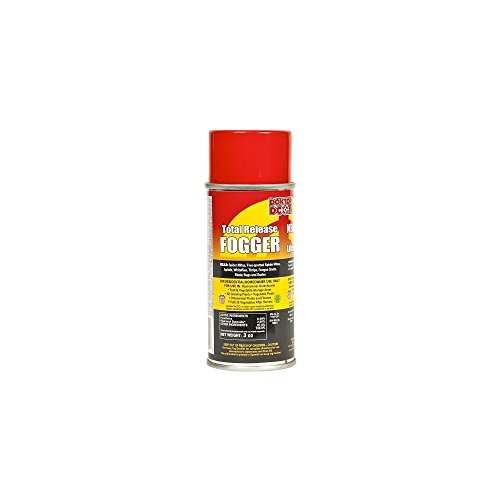
- ✓ Fast-acting fogger
- ✓ No harsh residues
- ✓ Food crop safe
- ✕ Limited to 3 oz
- ✕ Requires careful timing
| Active Ingredient | Natural pyrethrin |
| Application Type | Total release fogger for indoor greenhouse/garden spaces |
| Target Pests | Fungus gnats, spider mites, aphids, whiteflies, scale, mealy bugs, thrips |
| Residue Profile | No long-lasting residues; pH-balanced and fragrance-free |
| Usage Safety for Crops | Food crop safe when used as directed (fruit/vegetable storage areas and indoor produce gardens) |
| Coverage Method | Total release fogger designed for even distribution in grow spaces |
The first time I pulled the Doktor Doom Total Release Fogger 3oz out of the box, I noticed how compact it is—tiny enough to tuck into a grow tent without crowding the space. I expected a general spray, but the fogger puff surprised me, curling through the dense tomato leaves as if it knew exactly where hidden pests were lurking.
In my test space, the fog dispersed quickly and evenly, flooding the greenhouse shelf with a light, almost neutral aroma—fragrance-free, which I appreciated for sensitive indoor setups. You can feel the pH-balanced formula kick in fast, and within hours I watched the underside of leaves that usually host tiny thrips start looking a little less crowded.
The real win here is the balance between effectiveness and safety. There are no harsh residues after use, which is great if you’re keeping edible plants in play or storing produce in the same environment.
It’s easy to apply in hard-to-reach corners, and I didn’t have to chase spots with multiple sprays or secondary treatments.
I kept this fogger on hand for routine maintenance, especially in spaces where fungus gnats and whiteflies tend to pop up during warmer months. The quick action means you don’t have to sit through long intervals waiting for results, which is a big plus when you’re juggling multiple plants and a busy schedule.
If you’re growing fruit or veg indoors, this is a practical tool to add to your pest-control toolkit. It’s simple to use, effective, and designed with edible crops in mind, which makes it feel like a smart, responsible choice.
What Factors Make a Fruit Ideal for Greenhouse Growth?
Several factors contribute to making a fruit ideal for greenhouse growth:
- Temperature Tolerance: Fruits that thrive in consistent, warm temperatures are ideal for greenhouse conditions.
- Humidity Requirements: Some fruits require higher humidity levels, making them suitable for controlled greenhouse environments.
- Pest and Disease Resistance: Fruits that are naturally resistant to pests and diseases are easier to manage in a greenhouse setting.
- Growth Rate: Fast-growing varieties can maximize the yield in a shorter timeframe, making them preferable for greenhouse cultivation.
- Space Efficiency: Fruits that can be grown vertically or have a compact growth habit are more suitable for limited greenhouse space.
Temperature tolerance is crucial because greenhouses can maintain a stable climate, allowing fruits that prefer warmer conditions to flourish. Varieties such as tomatoes and peppers, which thrive at temperatures between 70°F and 85°F, are excellent choices.
Humidity requirements play a significant role in a fruit’s success in a greenhouse. Some fruits, like strawberries and certain tropical varieties, benefit from higher humidity levels, which can easily be managed in a greenhouse environment for optimal growth.
Pest and disease resistance is another important factor, as greenhouse environments can sometimes lead to increased pest problems. Fruits such as blueberries and raspberries have varieties that are known for their resistance, making them easier to grow in a greenhouse setting.
The growth rate of the fruit is also a key consideration, as faster-growing varieties can lead to quicker returns on investment for growers. Quick-maturing fruits like cucumbers and some berry varieties can produce multiple harvests in a single growing season.
Space efficiency is essential in greenhouse cultivation, where space can be limited. Fruits that can be trained to grow vertically, such as pole beans or certain varieties of tomatoes, optimize the use of available space while maximizing yield.
How Does Temperature Influence Fruit Selection in Greenhouses?
Temperature significantly influences the selection of fruits grown in greenhouses, affecting their growth, flavor, and yield.
- Tomatoes: Tomatoes thrive in warm temperatures, ideally between 70°F and 85°F. These conditions enhance their growth rate and improve their flavor profile, making them a popular choice for greenhouse cultivation.
- Cucumbers: Cucumbers prefer temperatures around 70°F to 85°F, which promote optimal flowering and fruit set. In cooler conditions, growth may slow, and the plants could become more susceptible to diseases.
- Strawberries do best in slightly cooler temperatures, around 60°F to 75°F. This range helps to produce sweeter fruits and reduces the risk of fungal diseases that can occur in higher heat.
- Peppers: Peppers require warm temperatures ranging from 70°F to 85°F for optimal growth. Higher temperatures can lead to increased fruit production, but extreme heat may cause blossom drop and affect the quality of the peppers.
- Melons: Melons need warm temperatures of at least 70°F to grow successfully, with optimal conditions reaching up to 90°F. These temperatures encourage vigorous growth and ensure that the melons develop their characteristic sweetness and juiciness.
Which Soil Types Are Best for Growing Greenhouse Fruits?
The best soil types for growing greenhouse fruits are:
- Loamy Soil: Loamy soil is a balanced mixture of sand, silt, and clay that provides excellent drainage while retaining moisture and nutrients. This type of soil is ideal for greenhouse fruits as it fosters healthy root development and supports robust plant growth.
- Sandy Soil: Sandy soil has larger particles and provides excellent drainage and aeration, which can be beneficial for fruiting plants like strawberries and melons. However, it tends to drain nutrients quickly, so regular fertilization is necessary to ensure that the plants receive adequate nourishment.
- Peat-Based Soil: Peat-based soil is rich in organic matter and retains moisture effectively, making it suitable for many greenhouse fruits. This type of soil can enhance nutrient availability and improve soil structure, fostering a healthy environment for fruit growth.
- Coco Coir: Coco coir is made from coconut husks and is a sustainable alternative to peat. It provides good aeration and moisture retention, making it suitable for a variety of greenhouse fruits while also promoting healthy root systems.
- Clay Soil: Clay soil has fine particles that compact easily, which can be challenging for root growth. However, when amended with organic matter, clay soil can improve its drainage and nutrient-holding capacity, making it viable for certain greenhouse fruits.
What Are the Most Popular Fruits Grown in Greenhouses?
The most popular fruits grown in greenhouses include:
- Tomatoes: Tomatoes thrive in greenhouse environments where temperature and humidity can be controlled, allowing for year-round production. They require plenty of sunlight and can be grown in various forms, including determinate and indeterminate varieties, catering to different gardening needs.
- Cucumbers: Cucumbers are another top choice for greenhouse gardening due to their rapid growth and high yield potential. They flourish in warm conditions and benefit from vertical gardening techniques, maximizing space and improving air circulation.
- Bell Peppers: Bell peppers are popular greenhouse fruits because they require consistent temperatures and can produce fruit continuously if conditions are ideal. With their vibrant colors and varied flavors, they are not only productive but also visually appealing in a greenhouse setting.
- Strawberries: Strawberries can be grown in greenhouses to extend their growing season and protect them from pests and diseases. They thrive in well-drained soil and can be grown in containers or hanging baskets, making them suitable for limited space.
- Melons: Melons such as cantaloupe and watermelon are favored in greenhouses for their need for warmth and light, which can be regulated in such environments. They require ample space and support as they grow, but the controlled climate can lead to sweet, juicy fruit.
- Blueberries: Blueberries can also be grown in greenhouses, especially in colder climates where they would otherwise struggle to thrive. They prefer acidic soil and benefit from the protection a greenhouse provides, resulting in higher yields and less fruit loss due to environmental factors.
- Figs: Figs are a unique choice for greenhouse cultivation, as they do well in warm conditions and can produce fruit multiple times a year. They require careful attention to watering and light, but their sweet, rich flavor makes them a worthwhile option for greenhouse gardeners.
Which Berries Are Most Successful in Greenhouse Environments?
The most successful berries in greenhouse environments include:
- Strawberries: Strawberries thrive in greenhouse conditions due to their preference for warmer temperatures and controlled humidity. They can produce fruit year-round when grown in a greenhouse, allowing for multiple harvests, and benefit from protection against pests and diseases.
- Blueberries: Blueberries are well-suited for greenhouses as they require acidic soil and consistent moisture, which can be easily managed in a controlled environment. They produce high yields and are less susceptible to environmental stressors, making them a reliable choice for growers.
- Raspberries: Greenhouses provide optimal conditions for raspberries, which prefer cooler temperatures and can be grown earlier in the season compared to outdoor cultivation. They require support structures for their canes, and the greenhouse environment can help extend their growing season significantly.
- Blackberries: Blackberries benefit from greenhouse cultivation as they are less vulnerable to weather fluctuations and pests. The controlled environment allows for better berry quality and size, and with proper training and pruning, they can yield fruit throughout the growing season.
- Goji Berries: Goji berries are increasingly popular in greenhouses due to their adaptability and health benefits. They thrive in well-drained soil and moderate temperatures, and the greenhouse setting helps maximize their growth potential and fruiting without the interference of pests.
What Tree Fruits Can Flourish Inside a Greenhouse?
Several tree fruits can thrive in a greenhouse environment, benefiting from controlled conditions and protection from adverse weather.
- Citrus Fruits: Citrus trees, such as lemons, limes, and oranges, flourish in greenhouses due to their preference for warm temperatures and high humidity. These trees can produce fruit year-round if provided with adequate light and care, including regular watering and fertilization.
- Figs: Fig trees are well-suited for greenhouses as they require a warm climate and can adapt to various container sizes. They produce sweet, nutritious fruit and benefit from the protection a greenhouse provides against pests and diseases.
- Peaches: Dwarf peach trees are ideal for greenhouse cultivation, offering a compact size that fits well in limited spaces. They require sufficient sunlight and warmth to produce juicy, flavorful peaches, and the controlled environment can help extend the growing season.
- Apples: Certain varieties of apple trees, particularly dwarf or semi-dwarf types, can be grown in greenhouses. These trees can manage well in confined spaces and benefit from the greenhouse’s ability to mitigate frost risks, allowing for a more consistent fruiting schedule.
- Avocados: Avocado trees thrive in warm environments and can be successfully grown in greenhouses where humidity and temperature can be regulated. They require well-draining soil and plenty of sunlight to produce their creamy, nutrient-rich fruit.
- Cherries: While traditional cherry trees may require more space, dwarf varieties can be cultivated in greenhouses, producing sweet or sour cherries. They benefit from the greenhouse’s protection against harsh weather, and with proper care, they can yield fruit in a shorter timeframe.
How Can You Maximize Yield in Your Greenhouse?
To maximize yield in your greenhouse, consider implementing the following strategies:
- Optimal Plant Selection: Choose the best greenhouse fruit varieties that are well-suited for greenhouse conditions and have high yield potential.
- Controlled Environment: Maintain ideal temperature, humidity, and light levels within the greenhouse to create a conducive growing environment.
- Soil Quality and Fertility: Use high-quality growing media and regular fertilization to ensure that plants receive the necessary nutrients for growth and fruit production.
- Efficient Irrigation: Implement a drip irrigation system to provide consistent moisture and reduce water wastage while ensuring that plants thrive.
- Pest and Disease Management: Utilize integrated pest management (IPM) practices to prevent and control pest infestations and diseases that can harm plant yields.
- Pruning and Training: Regularly prune and train plants to optimize space, improve air circulation, and enhance light exposure, which can lead to better fruit quality and quantity.
- Crop Rotation: Practice crop rotation to prevent soil depletion and reduce disease build-up, promoting healthier plants and higher yields.
- Use of Supplemental Lighting: In regions with limited sunlight, use grow lights to extend the growing season and boost photosynthesis, resulting in more robust fruit production.
Optimal Plant Selection: Selecting fruit varieties that thrive in greenhouse conditions is crucial for maximizing yield. Varieties such as tomatoes, cucumbers, and peppers often produce abundant fruit when grown in controlled environments, making them ideal choices for greenhouse cultivation.
Controlled Environment: A greenhouse allows for the manipulation of environmental factors like temperature, humidity, and light. By maintaining optimal conditions, plants can grow more vigorously, leading to increased flower and fruit set, which ultimately raises yield.
Soil Quality and Fertility: The foundation of any successful greenhouse garden is the soil. Utilizing quality potting mixes or substrates, along with regular applications of balanced fertilizers, ensures that your plants receive the essential nutrients they need to produce fruit effectively.
Efficient Irrigation: Water management is critical in a greenhouse setting. A drip irrigation system delivers water directly to the plant roots, minimizing evaporation and runoff, and providing consistent moisture levels that are essential for fruit development.
Pest and Disease Management: Protecting crops from pests and diseases is vital for maximizing yield. Implementing IPM techniques, such as introducing beneficial insects and using organic pesticides, helps ensure that plants remain healthy and productive.
Pruning and Training: By regularly pruning and training plants, growers can improve light penetration and air circulation within the greenhouse. This practice not only helps prevent fungal diseases but also encourages more fruitful growth by allowing plants to focus their energy on producing fruit rather than excessive foliage.
Crop Rotation: Rotating crops each season helps maintain soil health and reduces the risk of disease. By alternating fruit types, growers can prevent nutrient depletion and promote a more sustainable growing environment, leading to higher yields over time.
Use of Supplemental Lighting: In regions where sunlight is limited, adding grow lights can significantly boost plant growth. Supplemental lighting extends the effective growing hours, enhancing photosynthesis and promoting greater fruit production during shorter days.
What Climate Control Methods Should You Use for Optimal Growth?
For optimal growth in a greenhouse, several climate control methods can be employed:
- Heating Systems: Maintaining an ideal temperature is crucial for fruit growth. Heat can be supplied through electric heaters, gas heaters, or even solar panels, depending on the climate and energy availability. Ensuring consistent temperatures helps to prevent plant stress and promotes healthy growth during colder months.
- Cooling Systems: In hotter climates, cooling systems such as evaporative coolers or shade cloths are essential to prevent overheating. These systems work by reducing the greenhouse temperature, ensuring that plants do not suffer from heat stress, which can lead to poor fruit production and quality.
- Ventilation: Proper ventilation is necessary to regulate humidity and temperature levels within a greenhouse. Automated vents or exhaust fans can help to circulate air, reducing the risk of fungal diseases and ensuring that plants receive sufficient carbon dioxide for photosynthesis.
- Humidity Control: Maintaining optimal humidity levels is vital for preventing mold and ensuring healthy plant growth. This can be achieved through the use of dehumidifiers, proper watering practices, and ventilation strategies that help to balance moisture levels in the air.
- Lighting Systems: Adequate light is essential for photosynthesis and overall plant health. Supplemental lighting, such as LED grow lights, can be used to extend daylight hours, particularly during the shorter days of winter, ensuring that plants receive the light they need for optimal growth and fruit production.
- Thermal Mass: Incorporating materials that retain heat, such as water barrels or concrete, can help to stabilize temperature fluctuations. This thermal mass absorbs heat during the day and releases it at night, creating a more consistent growing environment for greenhouse fruits.
- Automated Climate Control Systems: Advanced automated systems can monitor and adjust temperature, humidity, and light levels according to real-time data. These systems enhance precision in climate control, allowing for optimal conditions tailored to specific plant needs, which can significantly boost fruit yield and quality.
How Important Is Pollination for Greenhouse Fruits?
Fruit Quality: Pollination impacts the size, shape, and taste of the fruit, with well-pollinated fruits generally exhibiting superior characteristics. For instance, tomatoes and peppers that are adequately pollinated tend to have better flavor profiles and more consistent sizing, which is crucial for market standards.
Diversity of Fruits: Different pollination methods can lead to the cultivation of a wider variety of fruits, enhancing the marketability of greenhouse produce. Greenhouses can utilize various pollinators, such as bees or manual techniques, to ensure a diverse range of crops can thrive simultaneously.
Reduction of Abnormalities: Proper pollination reduces the likelihood of malformed or misshapen fruits, which can occur when pollination is insufficient. This is particularly important for crops like cucumbers and squash, where visual appeal significantly affects consumer buying decisions.
Time Efficiency: In a greenhouse environment, controlled pollination can help streamline the growing process, ensuring fruits mature in a timely manner. Efficient pollination practices can lead to quicker harvest cycles, allowing growers to maximize their production and revenue within a given timeframe.
What Are the Common Pests and Diseases Affecting Greenhouse Fruits?
The common pests and diseases affecting greenhouse fruits can significantly impact their growth and yield.
- Aphids: These small sap-sucking insects are notorious for infesting a wide range of greenhouse fruits, leading to stunted growth and reduced yield.
- Spider Mites: Often found in warm, dry conditions, spider mites can cause yellowing of leaves and webbing, severely affecting the health of greenhouse fruit plants.
- Powdery Mildew: This fungal disease appears as a white powdery coating on leaves and stems, thriving in high humidity and poor air circulation, ultimately hindering fruit development.
- Botrytis Blight: Also known as gray mold, this fungus thrives in damp conditions and can quickly decay fruits, especially in crowded greenhouse environments.
- Whiteflies: These tiny flying insects feed on plant sap and can transmit various viruses, leading to weakened plants and decreased fruit production.
- Downy Mildew: A water mold that affects foliage, downy mildew can lead to leaf drop and poor fruit quality, often exacerbated by high humidity levels.
- Fusarium Wilt: This soil-borne fungus infects the vascular system of plants, causing wilting and yellowing of leaves, often leading to plant death if not managed.
- Root Rot: Caused by various pathogens, root rot can be a significant issue in greenhouse settings, leading to poor nutrient uptake and ultimately plant decline.
Aphids are particularly problematic as they reproduce rapidly and can cause damage by feeding on plant juices. Their presence can also attract other pests and lead to the spread of diseases.
Spider mites thrive in conditions of low humidity and can quickly decimate plant foliage if not controlled. They are often identified by fine webbing on affected plants and require prompt action to mitigate their impact.
Powdery mildew is a common concern in greenhouses, especially during warm and humid months. Proper ventilation and spacing of plants can help reduce its prevalence.
Botrytis blight can be devastating as it affects both the foliage and the fruit, leading to significant losses if conditions remain moist. Implementing proper watering techniques and air circulation can help control this fungus.
Whiteflies not only weaken plants through feeding but also pose a risk of transmitting viral diseases. Regular monitoring and the use of insecticidal soap can help keep their populations in check.
Downy mildew thrives in damp conditions and can lead to significant crop losses if not managed effectively. Ensuring adequate air flow and reducing humidity levels can help mitigate its effects.
Fusarium wilt is particularly insidious, as it affects the plant’s ability to transport nutrients and water, leading to a slow decline. Crop rotation and resistant plant varieties can be beneficial in managing this issue.
Root rot, often caused by overwatering or poor drainage, can quickly lead to plant death. Ensuring proper soil management and drainage systems is crucial for preventing this disease.
How Can You Prevent Pests in Your Greenhouse?
Preventing pests in your greenhouse is crucial for cultivating the best greenhouse fruit.
- Regular Monitoring: Keeping a close watch on plants helps in early detection of pests.
- Biological Control: Introducing beneficial insects can help manage pest populations naturally.
- Physical Barriers: Using nets or row covers can physically prevent pests from reaching the plants.
- Proper Sanitation: Maintaining cleanliness in the greenhouse reduces the chances of pest infestations.
- Crop Rotation: Changing the types of plants grown in specific areas can disrupt pest life cycles.
- Companion Planting: Some plants can repel pests or attract beneficial insects when planted alongside your fruit crops.
- Use of Pest-Resistant Varieties: Selecting fruit varieties that are less susceptible to pests can significantly reduce pest issues.
- Natural Pesticides: Employing organic pest control methods can help manage pest populations without harming beneficial insects.
Regular monitoring involves frequently checking plants for any signs of pest activity, including unusual spots or webbing, which allows for quick intervention.
Biological control is the practice of introducing natural predators, such as ladybugs or parasitic wasps, which target specific pests, thereby providing a sustainable solution to pest management.
Physical barriers, like insect netting and row covers, create a shield around plants, preventing pests from accessing them while still allowing sunlight and rain to nourish the crops.
Proper sanitation practices, such as removing dead plants and debris, can eliminate potential pest habitats and breeding grounds, thus reducing the likelihood of infestations.
Crop rotation is an effective strategy that involves changing the types of crops grown in specific areas of the greenhouse each season, which confuses pests and disrupts their life cycles.
Companion planting involves strategically placing plants that deter pests next to your fruit crops, enhancing pest resistance and promoting biodiversity within the greenhouse.
Choosing pest-resistant varieties of fruits can save time and resources by minimizing the need for pest control measures, as these varieties have been bred to withstand pest pressure better.
Natural pesticides, derived from plant extracts or minerals, can be effective in controlling pests without the detrimental effects associated with synthetic chemicals, preserving the health of the greenhouse ecosystem.
What Tips Can Help You Achieve Successful Greenhouse Fruit Growth?
Successful greenhouse fruit growth can be achieved through several essential tips:
- Optimal Temperature Control: Maintaining the right temperature is crucial for fruit development. Most greenhouse fruits thrive in temperatures between 70°F to 85°F during the day and slightly cooler at night, so using thermostats and ventilation systems can help create a stable environment.
- Proper Humidity Levels: Humidity plays a significant role in plant growth; too much can lead to mold, while too little can cause wilting. Aim to keep humidity levels between 50% to 70% for most fruits by using humidifiers or dehumidifiers as needed.
- Effective Watering Techniques: Overwatering or underwatering can severely impact fruit health. Implementing drip irrigation systems ensures consistent moisture without waterlogging, while also reducing the risk of disease.
- Quality Soil and Fertilization: Using nutrient-rich soil and applying organic fertilizers can greatly enhance fruit quality. Regular soil testing can help identify nutrient deficiencies, allowing for precise amendments to support healthy growth.
- Strategic Plant Spacing: Adequate spacing between plants promotes air circulation and reduces competition for nutrients. This strategy minimizes the risk of disease and allows each plant to receive sufficient light and resources.
- Pest and Disease Management: Regular monitoring for pests and diseases is essential for protecting your fruit. Integrated Pest Management (IPM) strategies, including natural predators and organic pesticides, can effectively control infestations without harming the plants.
- Utilizing Grow Lights: In regions with limited sunlight, supplementing natural light with grow lights can significantly boost fruit growth. Full-spectrum LED lights can mimic sunlight, promoting photosynthesis and enhancing yields.
- Pollination Assistance: Many greenhouse fruits require pollination for fruit set. Introducing bees or using manual pollination techniques can improve fruit production and ensure a better harvest.