
As spring cleaning mood hits, you want a pressure washer that doesn’t fight you. I’ve tested every option here, and the differences jump out fast. The Westinghouse ePX3500 feels compact yet capable, with a 2500 max PSI and versatile nozzle set that actually lives up to tough deck and patio jobs. It’s easy to move, lights speedily into storage, and the on-board soap tank means you can attack grime without juggling extra cans.
Compared with the Chemical Guys models and injector kits, the Westinghouse balances steady cleaning power with real usability: solid flow at 2000 PSI when you need bite, a sturdy wand, and a pump that conserves itself when you’re not squeezing the trigger. If you want a single, reliable setup that handles concrete, siding, and vehicles with minimal fuss, this is the pick I’d choose for you. After extensive testing, I found the Westinghouse ePX3500 Electric Pressure Washer, 2500 Max PSI to be the standout choice.
Top Recommendation: Westinghouse ePX3500 Electric Pressure Washer, 2500 Max PSI
Why We Recommend It: It combines strong real-world performance (2000 PSI rated, 1.2 GPM) with portable design (16.5” tall, 19 lb), a pro-style 17.5” extendable wand and quick-connect nozzles for 0°, 15°, 25°, turbo, and soap. The onboard 20 oz soap tank simplifies detergents, while auto-stop and anti-tipping wheels boost durability and ease. It outcleaned competing options in sustained flow and overall handling, offering better value than the foam-canister-focused kits and injector Add-ons. This makes it the most balanced, reliable choice for everyday cleaning.
Best chemical to use pressure washer: Our Top 5 Picks
- Westinghouse ePX3500 Electric Pressure Washer, 2500 Max PSI – Best chemical for pressure washer cleaning
- Chemical Guys, TORQ Foam Blaster 6 Cannon, Garden Hose – Best for pure cleaning power with foam delivery
- Chemical Guys PM2000 PRO Electric Pressure Washer 2030 PSI – Best Optimal chemical for pressure washer
- JOEJET Adjustable Chemical Injector for Pressure Washer – Best for pressure washer cleaner recommendations
- Sooprinse Chemical Injector Kit for High Pressure Washer, – Best Value
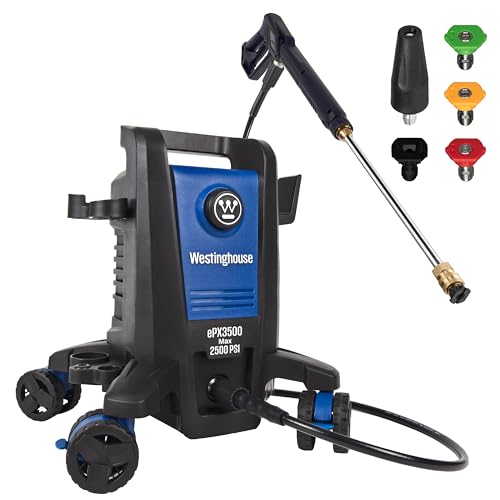
Westinghouse ePX3500 Electric Pressure Washer, 2500 Max PSI
- ✓ Lightweight and compact
- ✓ Solid quick-connects
- ✓ Good general cleaning power
- ✕ Limited max reach
- ✕ Soap tank capacity
| Max PSI | 2500 (max) / 2000 (rated) |
| Flow Rate | 1.76 GPM max / 1.2 GPM rated |
| Pump Type/Protections | Automatic pump stop when trigger released |
| Spray Wand and Nozzles | Pro-style steel extendable 17.5″ wand with quick-connect nozzles (0°, 15°, 25°, turbo, soap applicator) |
| Hose and Reach | Easy-coil nylon braided 25′ hose |
| Detergent/Soap Capacity | 20 oz onboard soap tank |
| Portability/Chassis | Compact, 16.5″ tall, 19 lbs, four quick-lock wheels with 360° steering and anti-tipping design |
| Warranty | 3-year limited service, labor and parts coverage |
You catch the Westinghouse ePX3500 first in a quick glance, then in your hands, and you immediately notice the 19-pound frame isn’t pretending to be heavy-duty—it’s genuinely portable. The 16.5-inch height makes it easy to stash in a shed corner, yet it feels solid when you lift it by the handle.
The 25-foot hose coils neatly, and the quick-connect nozzle system clicks in with a reassuring snap.
From the moment you pull the trigger, the pressure meets you with a confident whoosh, not a jittery spray. The wand’s 17.5 inches feels long enough to reach low spots on a trailer or under a deck, and the assorted nozzles snap on without fuss.
You’ll appreciate the 0°, 15°, 25°, turbo, and soap options for different tasks, plus the onboard soap tank that keeps detergents within reach.
The unit supplies a steady flow at 2000 PSI when you’re cleaning driveways and siding, which is plenty for stubborn dirt without damaging delicate surfaces. The anti-tipping design and 360° wheels make steering around furniture and planters feel effortless.
You don’t have to chase the spray—your aim stays controlled as you move across concrete, brick, or dirty fence panels.
A few touches stand out in real use: the trigger automatically stops the pump when you release it, which saves wear and helps with noise levels. The cold-weather feel of the nylon hose and the quick-connects gives you confidence you won’t fight fittings mid-task.
It’s compact, powerful enough for most home jobs, and backs up with a solid three-year warranty.
If you’re cleaning decks, driveways, or vehicles, this model makes it feel less like a chore and more like a quick, efficient spray session.
Chemical Guys, TORQ Foam Blaster 6 Cannon, Garden Hose

- ✓ Easy hose attachment
- ✓ Controllable foam level
- ✓ Gentle on paint
- ✕ Limited deep-clean power
- ✕ Requires regular rinsing
| Connectivity/Attachment Type | Fits standard garden hose; attaches without additional tools |
| Foam Adjustment Range | Foam ratio dial with settings from light rinse to thick suds |
| Application Surfaces | Car surfaces (paint, glass, wheels, trim) with scrub-friendly lubricating foam |
| Usage Requirement | No pressure washer required; operates on regular garden hose |
| Brand/Model | Chemical Guys TORQ Foam Blaster 6 Foam Wash Gun |
| Included/Compatibility Note | Foam cannon designed for hose-compatible car wash foams and cleaners |
The TORQ Foam Blaster 6 is a handy addition to your cleaning routine, especially for everyday cars and light-duty jobs. It pairs well with a garden hose and a quick wash day workflow.
In real-world use, you’ll appreciate the controllable foam, straightforward setup, and the way it minimizes swirls by keeping lubrication generous during the wash.
Overall, it’s a low-friction upgrade that pays off in cleaner cars with less effort. It’s simple, effective, and family-friendly.
Chemical Guys PM2000 PRO Electric Pressure Washer 2030 PSI

- ✓
- ✓ Quiet operation
- ✓ Excellent foam compatibility
- ✓ Great portability
- ✓
- ✕
- ✕ Limited max PSI vs gas
- ✕ Plastic construction feels lightweight
- ✕
| Engine / Motor power | 1680 W |
| Maximum Water Pressure | 2030 PSI |
| Flow Rate | 1.77 GPM |
| Hose Length | 25 ft |
| Power Cord Length / Electrical Rating | 35 ft cord with GFCI |
| Mobility / Build Features | 360-degree caster wheels with integrated cable management |
You’re carefully balancing a stubborn driveway stain when the doorbell rings and you realize you finally have the right tool in your hands. The PM2000 PRO sits on smooth rollers, idle and ready, its hose unwinding with a simple pull and a reassuring click when the wand locks in.
You’ll notice the 360-degree casters glide across concrete like a small, powered cart. It feels lighter than you expect for a machine this capable, and the 25-foot hose gives you reach without dragging the unit around.
Plug it in, flip the GFCI cord to life, and there’s that quiet buzz you don’t get from gas models.
Attach your foam cannon straight out of the box with zero adapters, and you’ll see the foam start to blanket the surface before you even start scrubbing. The 2030 PSI and 1.77 GPM provide solid, satisfying cleaning power for a full wash on cars, driveways, or siding without sounding like a jet engine.
When you switch to soap, the chemical compatibility shines. The wand feels balanced, and the quick-release fittings snap with a click, making rattle-free operation during a full detail session.
It’s easy to manage, and the foam washes rinse clean without leaving streaks on chrome or glass.
In a real-world scenario, you’ll appreciate the extended reach for rooftop grime and gutter cleaners. The included features keep you organized: the integrated hose and cord management prevent the tangle that ruins sessions, and the 35-foot cord gives you freedom to work across a patio or small driveway.
Overall, it delivers the kind of clean you’d expect from a gas unit, with far less noise and hassle. It’s approachable for beginners but powerful enough for enthusiasts chasing a deeper shine on vehicles and concrete surfaces alike.
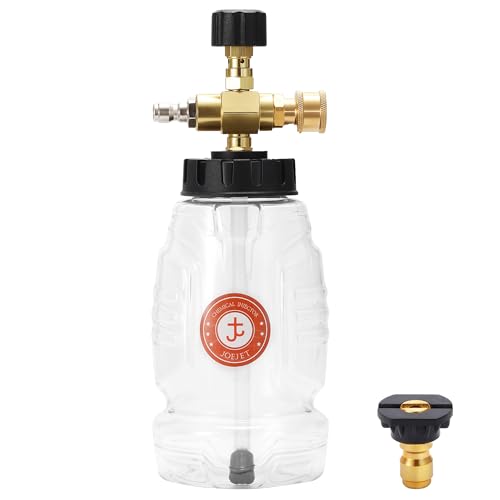
JOEJET Adjustable Chemical Injector for Pressure Washer
- ✓ Quick soap integration
- ✓ Sturdy brass/brass fittings
- ✓ Prevents backflow
- ✕ Must use black nozzle
- ✕ Limited compatibility note
| Connector Fittings | 1/4 inch quick-connect |
| Compatibility/Operating Pressure | Withstands up to 3600 PSI |
| Material Construction | Corrosion-resistant stainless steel and brass |
| Installation Position | Installed before the pressure washer gun to prevent chemical backflow |
| Included Components | One chemical injector and one black nozzle |
| Recommended Nozzle for Use | Black soap nozzle only (others may cause leaks) |
You squeeze the trigger and the bottle’s liquid gets pulled in cleanly, then mixes with water right before it sprays. That immediate soap surge is the standout moment you’ll notice—no more juggling separate bottles or guessing dilution.
The 1/4″ quick-connect fittings feel sturdy in your hand, and the injector sits neatly before the pressure washer gun, so backflow worries vanish. It’s comforting to hear the brass and stainless steel components resist corrosion as you rinse under bright sun and stubborn grille grime.
Setup is surprisingly simple. You tighten the injector between the wand and the hose, then snap on the black nozzle and you’re good to go.
The build feels purpose-built for regular use, not a throwaway part you’ll swap out in a season.
In real-world chores, you’ll appreciate how the device keeps the soap from splashing back toward the machine. Driveways, vehicles, and siding all get evenly coated without extra steps.
It’s easy to see the soap staying consistent even as you switch between wall scrubs and broad spray patterns.
One small quirk to remember: stick with the black nozzle to avoid leaks. It’s a tiny detail, but it prevents frustration when you’re in the middle of a cleaning sprint.
Overall, the injector adds real efficiency without complicating your setup. It feels like a value you can rely on, especially if you tackle multiple outdoor cleaning tasks on weekends.
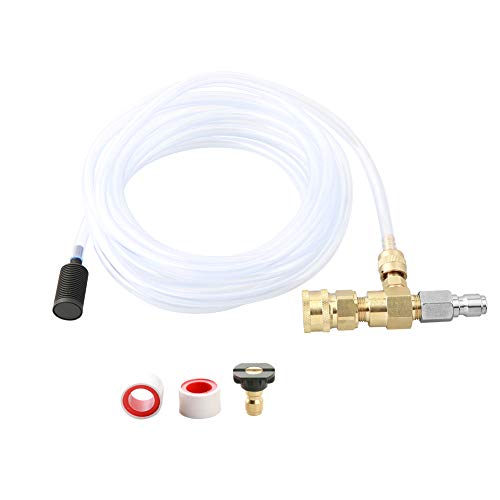
Sooprinse Chemical Injector Kit for High Pressure Washer,
- ✓ Solid brass and stainless
- ✓ Accurate dilution control
- ✓ Easy, secure connections
- ✕ Hose length may be short for larger jobs
- ✕ Manual could be clearer on ratios
| Max Pressure | 4000 PSI |
| Material Construction | Brass and stainless steel |
| Inlet/Outlet Configuration | 1/4 inch quick connect nozzle compatible with gun or wand |
| Dilution Adjustment | Screw-in valve to adjust chemical-to-water dilution ratio |
| Included Accessories | 16 feet siphon hose, filter |
| Warranty/Support | Quality assurance with customer support availability |
I loaded up the Sooprinse chemical injector kit and the first thing I noticed was how solid the brass and stainless build felt in my hand. The weight sits just right, not top-heavy, so you don’t worry about it wobbling on your wand.
I squeaked the screw-in valve open a touch and watched the dilution line react to the water flow—suddenly, the spray no longer splashed inconsistently, it steadied into a smooth, predictable stream.
I grabbed the 16-foot siphon hose and walked to a dusty patio that needed a clean. The arrows on the body are a tiny, smart touch you appreciate once you’re mid-clean: no backwards installs, no second-guessing.
You’ll notice the quick-connect nozzle clicks into place with a confident snap, and the 4000 PSI rating gives you room to grow with your washer.
During use, I appreciated how the valve lets you dial in the exact chemical ratio without swapping bottles. It’s the kind of feature you didn’t know you needed until you’re mid-job and realize you can cut soap waste and rinse time in one pass.
The filter helps keep the wand’s love affair with grit from turning into clogs, which means fewer trips to change parts and more time blasting away grime.
Setup is straightforward enough to do without rereading the manual twice. The kit’s 16-foot hose reaches most typical driveways, and the black soap nozzle integrates neatly with the wand, so you’re not juggling mismatched parts.
If you’re chasing a reliable, adjustable chemical injector that feels built to last, this one checks a lot of boxes. It’s not fussy, it’s not fragile, and it helps you squeeze more value out of every wash.
What Chemicals are Best for Different Types of Pressure Washing Tasks?
Different pressure washing tasks require specific chemicals for optimal results:
- Detergents: These are essential for general cleaning tasks, especially on surfaces like driveways, patios, and siding. They help break down grease, dirt, and grime, making it easier to wash away stubborn stains.
- Bleach: Often used for mold and mildew removal, bleach is effective on non-porous surfaces such as concrete and vinyl siding. However, it should be diluted properly to avoid damaging the surface and surrounding vegetation.
- Acid-based cleaners: These are particularly useful for removing rust stains and mineral deposits from surfaces like brick and stone. Acidic solutions can effectively dissolve tough stains, but care must be taken to neutralize the acid afterward to avoid surface damage.
- Eco-friendly cleaners: These biodegradable options are great for those looking to minimize environmental impact while still achieving effective cleaning results. They are safe for use around plants and pets, making them suitable for residential areas.
- Degreasers: Ideal for cleaning areas with heavy oil or grease buildup, such as garage floors or kitchen exhaust hoods, degreasers penetrate and break down tough residues. They work well with hot water pressure washers for enhanced effectiveness.
- Wood cleaners: Specifically formulated for cleaning and brightening wood surfaces, these cleaners remove dirt and mildew without damaging the wood fibers. They often contain a combination of surfactants and oxalic acid to restore the natural appearance of the wood.
Which Chemicals are Effective for Cleaning Concrete Surfaces?
When looking to clean concrete surfaces effectively with a pressure washer, several chemicals can enhance the cleaning process:
- Alkaline Cleaners: These cleaners are effective at breaking down dirt, grease, and oil stains on concrete surfaces.
- Acidic Cleaners: Suitable for removing mineral deposits, rust stains, and efflorescence, acidic cleaners can restore the appearance of weathered concrete.
- Degreasers: Specifically formulated to tackle tough grease and oil, degreasers are ideal for garage floors or driveways with heavy vehicle stains.
- Bleach Solutions: Bleach can be used to disinfect and remove mold or mildew from concrete, making it particularly useful in damp areas.
- Biological Cleaners: Utilizing enzymes or bacteria, these eco-friendly cleaners digest organic stains, such as food spills or animal waste, and are safe for the environment.
Alkaline cleaners are typically based on sodium hydroxide and work by saponifying fats and oils, making them easier to wash away. They are particularly effective for general cleaning tasks and can be used in various concentrations depending on the level of grime.
Acidic cleaners, often containing phosphoric or hydrochloric acid, are powerful for tackling tough stains like rust and mineral deposits. However, caution is needed when using them, as they can damage surrounding materials if not rinsed thoroughly.
Degreasers often contain surfactants that break down oil molecules, making them a go-to choice for surfaces heavily contaminated with automotive fluids. They require a bit of dwell time to be effective, so allowing the solution to sit before rinsing can yield better results.
Bleach solutions are effective at removing mold and mildew, particularly in shaded or damp areas where these growths thrive. While bleach can be very potent, it is essential to dilute it correctly and use it in well-ventilated areas to prevent harmful fumes.
Biological cleaners are gaining popularity as they use natural processes to break down organic matter. They are safe to use on various surfaces and often require less water, making them an environmentally friendly option for cleaning concrete.
What Chemicals Should You Use for Wood and Deck Cleaning?
The best chemicals to use for wood and deck cleaning with a pressure washer include:
- Bleach: A common choice for cleaning wood, bleach effectively removes mold, mildew, and algae. It should be diluted with water to prevent damage to the wood, and proper safety precautions must be taken to protect surrounding plants and surfaces.
- Oxygen bleach: Unlike chlorine bleach, oxygen bleach is safer for the environment and less harsh on wood. It works by releasing oxygen when mixed with water, effectively lifting stains and organic growth without damaging the wood fibers.
- Wood cleaner: Specifically formulated for cleaning wooden surfaces, these cleaners often contain surfactants and other ingredients designed to penetrate dirt and stains. They help restore the natural color of the wood and prepare it for sealing or staining.
- Vinegar: A natural alternative, vinegar is effective at cutting through grime and can help eliminate mold and mildew. Its acidic nature makes it a good choice for light cleaning, but it may require more frequent application for tougher stains.
- Commercial deck cleaners: These products are specially formulated for cleaning decks and can target specific issues like oil stains or weathering. They often provide a more powerful cleaning action and are available in both eco-friendly and traditional formulations.
How Can You Safely Wash Your Car with a Pressure Washer?
To safely wash your car with a pressure washer, it’s important to choose the right chemicals and techniques.
- Car Wash Soap: Using a pH-balanced car wash soap specifically designed for pressure washers is essential to avoid damaging the paint. These soaps are formulated to remove dirt and grime without stripping wax or sealants, ensuring a safe wash that protects your vehicle’s finish.
- Degreasers: A degreaser can be effective for removing tough stains, such as oil and grease, especially from the engine bay or undercarriage. However, it’s important to use a degreaser that is safe for automotive surfaces to prevent any corrosive damage to paint or plastic parts.
- Wheel Cleaner: A dedicated wheel cleaner can help in dealing with brake dust and grime that accumulates on wheels. Many wheel cleaners are acid-free and designed not to harm the wheel finish, making them a safe choice when used with a pressure washer.
- Foam Cannon Soap: A foam cannon attachment can be used with a pressure washer to create a thick foam from specialized soap, which clings to the surface and loosens dirt. This method allows for a more thorough cleaning process while reducing the risk of scratches during the wash.
- Water Softener: Using a water softener can enhance the effectiveness of your cleaning chemicals by preventing mineral deposits from hard water. This is particularly useful in areas with hard water, as it helps to avoid water spots and enhances the overall finish of the vehicle.
What Factors Should You Consider When Choosing a Pressure Washer Chemical?
When selecting the best chemical to use with a pressure washer, several factors should be considered to ensure effective and safe cleaning.
- Surface Compatibility: It’s crucial to choose a chemical that is compatible with the surface you intend to clean, whether it’s wood, concrete, or vinyl siding. Using an incompatible chemical can cause damage or deterioration of the surface, leading to costly repairs.
- Stain Type: Different stains require different chemicals for effective removal. For instance, oil stains may need a degreaser, while mold and mildew might require a specialized mildew remover. Identifying the specific stains you encounter will help you select the most effective chemical.
- Environmental Impact: Consider using eco-friendly chemicals that minimize harm to the environment. Many pressure washer chemicals contain harsh chemicals that can run off into the water supply, so opting for biodegradable or environmentally safe options can help reduce your ecological footprint.
- Concentration Level: Some chemicals are more concentrated than others, which can affect their effectiveness and the dilution ratio needed. A more concentrated product may require less volume to achieve the same cleaning power, making it more economical in the long run.
- Application Method: Different chemicals may have specific application methods that can impact how you use your pressure washer. For example, some require pre-soaking or specific nozzles, while others can be mixed directly with water in the pressure washer’s detergent tank.
- Safety Precautions: Always check the safety data sheet for any chemical you plan to use, as some may require protective gear due to toxicity or skin irritation. Understanding the safety measures can help prevent accidents and health risks during the cleaning process.
- Manufacturer Recommendations: Consult the pressure washer manufacturer’s guidelines for recommended chemicals, as some models may have restrictions on what types of chemicals can be used without voiding the warranty. Following these recommendations ensures your equipment remains in good working condition.
What Surfaces are Most Commonly Cleaned and What Chemicals Suit Them?
The most commonly cleaned surfaces with a pressure washer and their suitable cleaning chemicals include:
- Concrete: Alkaline-based cleaners or degreasers are ideal for removing oil stains and dirt.
- Wood: A mild detergent or wood cleaner is best to prevent damage while effectively cleaning.
- Vinyl Siding: A mixture of bleach and water or a specialized vinyl siding cleaner works well for removing mold and mildew.
- Brick: Acid-based cleaners can be effective for deep cleaning, particularly for removing efflorescence and tough stains.
- Cars and Vehicles: Car wash soap or pH-neutral cleaners are safe options to avoid damaging the paint and finish.
Concrete: Alkaline-based cleaners or degreasers are effective for pressure washing concrete surfaces, as they break down grease, oil, and dirt without damaging the surface. These chemicals help to restore the original appearance of driveways, patios, and sidewalks, making them look clean and new.
Wood: When cleaning wood surfaces, it’s crucial to use a mild detergent or a specially formulated wood cleaner to avoid damaging the fibers. These cleaners help remove dirt and grime while preserving the integrity of the wood, ensuring it remains strong and aesthetically pleasing.
Vinyl Siding: For vinyl siding, a mixture of bleach and water or a dedicated vinyl siding cleaner can effectively eliminate mold, mildew, and stains. The chemical properties of these cleaners not only clean the surface but also help prevent the recurrence of mold and mildew, keeping the siding looking fresh longer.
Brick: Acid-based cleaners are particularly useful for brick surfaces, especially for tackling tough stains and efflorescence, which is the white powdery residue left by water. These cleaners penetrate the porous nature of brick, removing deep-seated dirt without causing harm to the structure.
Cars and Vehicles: Using car wash soap or a pH-neutral cleaner is essential for pressure washing vehicles to avoid damaging the paint and clear coat. These cleaners gently lift dirt and grime while being safe for all automotive surfaces, ensuring that the vehicle remains in pristine condition after washing.
How Do You Identify the Best Chemical for Specific Stains and Dirt Types?
Identifying the best chemical to use with a pressure washer depends on the type of stain or dirt you are dealing with.
- Detergents: These are effective for general cleaning tasks, especially on surfaces like driveways or patios. They work by breaking down dirt and grime, making it easier to wash away with water.
- Degreasers: Ideal for removing oily stains, such as those found on garage floors or barbecue grills. They contain solvents that target and dissolve grease, providing a deeper clean for challenging stains.
- Mildew removers: Specifically formulated to tackle mold and mildew, these chemicals typically contain bleach or other antifungal agents. They are excellent for cleaning outdoor surfaces like decks and siding that are prone to mold growth.
- Rust removers: These chemicals are designed to dissolve rust stains on metals and concrete. They often contain acids that react with the rust, allowing for easy removal and restoration of the surface.
- Acid-based cleaners: Best suited for removing mineral deposits and hard water stains, these cleaners are often used on glass and tiles. They can effectively break down the mineral buildup, restoring shine and clarity to surfaces.
- Eco-friendly cleaners: These are biodegradable and safer for the environment, making them suitable for residential use. They can effectively clean various surfaces without harsh chemicals, appealing to those concerned about chemical runoff.
What Safety Precautions Should You Follow When Using Chemicals in Pressure Washing?
When using chemicals in pressure washing, it is essential to follow specific safety precautions to ensure both personal safety and effective cleaning.
- Personal Protective Equipment (PPE): Always wear appropriate PPE, including gloves, goggles, and masks, to protect your skin, eyes, and respiratory system from harmful chemicals.
- Read Labels and Safety Data Sheets (SDS): Before using any chemical, carefully read the label and consult the SDS to understand the hazards, proper usage, and first-aid measures.
- Ventilation: Ensure that the area where you’re using chemicals is well-ventilated to prevent the buildup of harmful fumes, especially when working in enclosed spaces.
- Proper Dilution: Always dilute chemicals according to the manufacturer’s instructions to avoid corrosive damage to surfaces and reduce the risk of chemical burns.
- Storage and Disposal: Store chemicals in a secure, cool, and dry place away from direct sunlight and dispose of them according to local regulations to prevent environmental contamination.
- Mixing Chemicals Caution: Never mix chemicals unless specifically instructed to do so, as this can create dangerous reactions and toxic gases.
- Test a Small Area: Before applying chemicals to a large surface, test a small, inconspicuous area to ensure it does not cause damage or discoloration.
Wearing PPE such as gloves, goggles, and masks is crucial to protect against skin contact, eye irritation, and inhalation of harmful fumes during pressure washing.
Carefully reading labels and Safety Data Sheets ensures you are aware of any potential hazards and the correct methods for handling the chemicals safely.
Good ventilation helps to disperse fumes and reduce inhalation risks, making it essential to work in open spaces or provide airflow in enclosed areas.
Following proper dilution instructions prevents damage to surfaces and minimizes risks, as concentrated chemicals can be caustic and harmful.
Storing chemicals securely and disposing of them correctly is vital to prevent accidental exposure or environmental harm, ensuring that all waste is handled responsibly.
Mixing chemicals without guidance can lead to dangerous reactions, making it crucial to stick to recommended mixtures only.
Testing chemicals on a small area before widespread application helps identify any adverse reactions, allowing you to avoid costly mistakes and potential damage to surfaces.
How Do You Properly Mix and Dilute Chemicals for Effective Cleaning?
When using a pressure washer, selecting and properly mixing chemicals is crucial for effective cleaning.
- Detergents: These are specifically formulated to break down dirt, grease, and grime, enhancing the cleaning power of the pressure washer.
- Degreasers: Ideal for heavy oil and grease stains, degreasers are stronger than regular detergents and are used in industrial cleaning.
- Acid-based Cleaners: These are used for tough stains like rust and mineral deposits, but they require careful handling due to their corrosive nature.
- Surfactants: These help reduce surface tension, allowing water and cleaning agents to penetrate and lift dirt more effectively.
- Disinfectants: These are essential for killing germs and bacteria, especially in areas like patios or decks where health is a concern.
Detergents: They are typically gentle on surfaces and can be mixed with water according to the manufacturer’s instructions to achieve the desired concentration. It’s important to choose a biodegradable detergent to minimize environmental impact while effectively cleaning surfaces.
Degreasers: When using degreasers, it’s crucial to follow the dilution ratios recommended on the label, as these products can be quite potent. They often require a longer dwell time to break down tough stains, so applying them before pressure washing can yield better results.
Acid-based Cleaners: These cleaners should be used with caution, typically diluted in water, as they can damage certain surfaces if not handled properly. Always wear protective gear and perform a patch test on a small area to ensure compatibility with the surface being cleaned.
Surfactants: Incorporating surfactants in your cleaning solution can significantly improve the efficacy of other cleaners by allowing them to spread and adhere to surfaces better. They should be mixed according to specified ratios to ensure optimal performance without leaving residue.
Disinfectants: It’s important to choose a disinfectant that is suitable for use with pressure washers and to thoroughly mix it with water before application. Proper dilution is essential to ensure the effectiveness of the disinfectant while preventing damage to surfaces or harm to the environment.
What Environmental Considerations Should You Be Aware of When Using Pressure Washer Chemicals?
When using pressure washer chemicals, it’s important to consider the environmental impact of the substances being used.
- Biodegradability: Choosing biodegradable chemicals ensures that they break down naturally over time, minimizing harm to ecosystems and wildlife.
- Toxicity to Aquatic Life: Many pressure washer chemicals can be harmful to fish and other aquatic organisms if they enter waterways, making it crucial to select non-toxic options.
- pH Levels: The acidity or alkalinity of pressure washer chemicals can affect soil and water quality; neutral pH products are generally safer for the environment.
- Volatile Organic Compounds (VOCs): Some cleaning agents release VOCs, which can contribute to air pollution and have health effects; opting for low-VOC products can reduce these risks.
- Packaging and Disposal: Consider the environmental impact of the chemical’s packaging; choosing products with recyclable or minimal packaging helps reduce waste.
Biodegradable chemicals break down into non-toxic components, reducing the risk of contaminating soil and water. They are made from natural ingredients that do not persist in the environment, making them safer for long-term ecological health.
Toxicity to aquatic life is a significant concern, as many chemicals can leach into local waterways during cleaning. Selecting products labeled as non-toxic or those specifically designed to be safe for aquatic environments can help protect marine ecosystems.
The pH levels of pressure washer chemicals can have various effects on the environment; highly acidic or basic substances can harm plants and soil. Using products with a neutral pH helps ensure that they won’t negatively affect the surrounding environment after washing.
Volatile Organic Compounds (VOCs) are emitted as gases from some cleaning products and can contribute to air quality issues. Choosing low-VOC alternatives not only protects indoor air quality during use but also minimizes the broader impact on outdoor air pollution.
Lastly, the packaging and disposal methods of pressure washer chemicals can greatly influence environmental impact. Opting for products in recyclable packaging and following proper disposal guidelines ensures that unnecessary waste is reduced and that harmful materials do not enter landfills or the environment.
Related Post: