
MEKOH 20” Pressure Washer Surface Cleaner, 4500PSI, 3/8″ QC to be the standout choice.
Top Recommendation: MEKOH 20” Pressure Washer Surface Cleaner, 4500PSI, 3/8″ QC
Why We Recommend It: The MEKOH 20” Surface Cleaner excels for brick cleaning due to its large 20″ cleaning area, two high-speed rotating nozzles that deliver 4500 PSI non-marking cleaning, and compatibility with various water temps and soap solutions. Its heavy-duty construction with brass components and sealed bearings resists leaks and wear, while four casters and dual handles provide stable, easy maneuverability across brick surfaces. Compared to smaller cleaners, it covers more surface faster, reduces cleaning time, and offers adjustable nozzle patterns for power washing or soft washing, making it the best value for brick-focused cleaning.
MEKOH 20” Pressure Washer Surface Cleaner, 4500PSI, 3/8″ QC
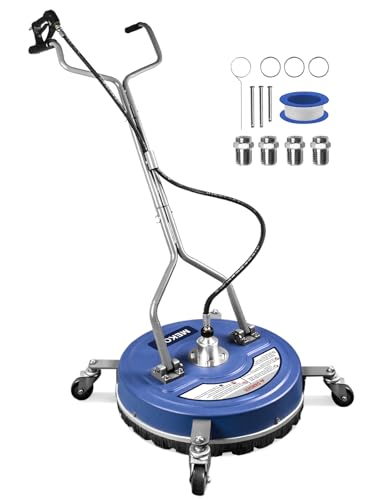
- ✓ Big 20″ head
- ✓ Two high-speed nozzles
- ✓ Easy maneuverability
- ✕ Requires pressure washer
- ✕ Hefty on storage
| Maximum Operating Pressure | 4500 PSI |
| Working Height / Size | 20 inches (surface cleaner diameter) |
| Connection Type | 3/8 inch quick-connect (QC) compatible with pressure washers |
| Waterflow Compatibility | Suitable for 2+ GPM (gallons per minute) pressure washers |
| Material & Construction | PP housing with solid brass nozzles and sealed bearings; corrosion and heat resistant |
| Operational Modes / Cleaning Pattern | Two interchangeable high-pressure nozzles enabling spray pattern changes between power wash and soft wash |
You’re tackling a brick driveway on Saturday morning, a mug of coffee in hand, and the MEKOH 20” Surface Cleaner attached to a 4500PSI machine humming in the background. The first thing you notice is the big 20-inch head, easy enough to spot from across the garage floor.
It feels sturdy, with the two high-speed spinning nozzles tucked under a slick, low-profile guard.
As you roll it out, the four wheels glide smoothly, and the height stays consistent thanks to the fixed nozzle guard. The two handles give you options for a two-handed push, which you’ll appreciate when you shift from cleaning bricks to the adjacent sidewalk.
You’ll hear a confident spin as the nozzles start, and immediate cleaning contrast becomes obvious.
The brickwork starts to reveal its real color quickly, not just the dirt but the stubborn stains that would usually demand a brush and a lot of elbow grease. You’ll swap between the pattern options with the changeable nozzles, which makes quick work of textured brick without leaving scuff marks.
It’s nice to know you’re reducing water waste, too, thanks to the cleaner’s efficiency and larger sweep.
Setup is a breeze, and the unit stays stable as you move. The bearing design keeps leaks at bay, so you don’t have to babysit fittings.
You’ll appreciate the lightweight feel for a product this size, making it easier to reposition without fatigue. All in all, it’s a real-time saver for big brick surfaces and a solid companion for caked-on driveway grime.
What Are the Best Chemicals for Cleaning Brick with a Pressure Washer?
The best chemicals for cleaning brick with a pressure washer typically include a variety of specialized cleaners designed to tackle tough stains and buildup.
- Trisodium Phosphate (TSP): TSP is a powerful cleaning agent that effectively removes dirt, grease, and mildew from brick surfaces. It works by breaking down stains and debris, making it easier for the pressure washer to rinse away contaminants.
- Hydrochloric Acid (Muriatic Acid): This strong acid is particularly effective for removing hard stains, efflorescence, and mortar leftover from construction. However, it should be used with caution as it can damage surrounding surfaces and should always be diluted and handled with protective gear.
- Oxygen Bleach: Oxygen bleach is a safer alternative to chlorine bleach that helps to remove organic stains like mold and algae without damaging the brick. It works by releasing oxygen when mixed with water, which helps lift stains and brighten surfaces.
- Biodegradable Brick Cleaners: These environmentally friendly cleaners are formulated specifically for brick and masonry and are effective at removing stains without harmful chemicals. They typically use natural ingredients and enzymes to break down dirt and grime, ensuring a safe cleaning process.
- Commercial Brick Cleaners: There are many commercially available products designed specifically for cleaning brick surfaces. These cleaners often contain proprietary blends of acids and detergents that target tough stains while being safe for use with pressure washers.
How Effective is Bleach for Cleaning Brick Surfaces?
When cleaning brick surfaces with a pressure washer, several chemicals can enhance the effectiveness of the cleaning process, including bleach.
- Bleach: Bleach is a powerful disinfectant that can effectively remove mold, mildew, and algae from brick surfaces. However, it should be used with caution as it can cause discoloration and may damage surrounding plants and surfaces if not properly rinsed.
- Commercial Brick Cleaners: These are specifically formulated for cleaning brick and often contain surfactants and acids that help break down dirt and stains without damaging the surface. They are generally safer for the environment and can be more effective than bleach for certain types of stains.
- White Vinegar: A natural alternative to bleach, white vinegar can help remove light stains and organic matter from brick. It is less harsh than bleach and is biodegradable, making it a suitable choice for those looking for an eco-friendly cleaning solution.
- Oxygen Bleach: Unlike traditional chlorine bleach, oxygen bleach is a safer, biodegradable option that is effective at removing stains and cleaning brick. It works by releasing oxygen that breaks down dirt and grime, making it less likely to cause damage to the brick or surrounding areas.
- Pressure Washing Detergents: These detergents are designed to be used with pressure washers and can enhance the cleaning process by breaking down tough stains while being safe for various surfaces. They typically contain surfactants that help lift dirt and grime from the brick without causing harm.
What Role Does Vinegar Play in Brick Cleaning?
Vinegar is a commonly used solution in brick cleaning due to its acidic properties that effectively break down dirt and grime.
- Acidity: The acetic acid in vinegar helps to dissolve mineral deposits and efflorescence on brick surfaces.
- Eco-friendly: Unlike many commercial cleaning agents, vinegar is non-toxic and environmentally friendly, making it a safer choice for outdoor cleaning.
- Stain Removal: Vinegar can effectively remove various stains, including those caused by algae and mildew, due to its ability to penetrate porous materials.
- Cost-effective: Vinegar is an inexpensive option compared to specialized brick cleaning chemicals, making it accessible for homeowners looking to maintain their brickwork.
Acidity: The acetic acid in vinegar helps to dissolve mineral deposits and efflorescence on brick surfaces. These deposits can accumulate over time, leading to unsightly stains and discoloration, which vinegar can effectively break down, making the bricks look cleaner.
Eco-friendly: Unlike many commercial cleaning agents, vinegar is non-toxic and environmentally friendly, making it a safer choice for outdoor cleaning. It does not release harmful chemicals into the environment, which is especially important when cleaning near plants and water sources.
Stain Removal: Vinegar can effectively remove various stains, including those caused by algae and mildew, due to its ability to penetrate porous materials. This quality allows it to lift and break down organic matter that can cling to brick surfaces, restoring their natural appearance.
Cost-effective: Vinegar is an inexpensive option compared to specialized brick cleaning chemicals, making it accessible for homeowners looking to maintain their brickwork. A simple solution of vinegar and water can yield significant results without the need for costly products.
Is There a Benefit to Using Commercial Brick Cleaning Solutions?
Using commercial brick cleaning solutions can offer several benefits when cleaning brick surfaces with a pressure washer.
- Effective Stain Removal: Commercial cleaning solutions are specifically formulated to break down tough stains such as mold, mildew, and efflorescence. These specialized chemicals penetrate deeply into the brick, ensuring that contaminants are removed more efficiently than water alone.
- Enhanced Safety: Many commercial cleaning agents are designed to be safe for both the user and the environment, reducing the risk of damage to surrounding plants and surfaces. These products often include biodegradable ingredients that minimize ecological impact while still delivering powerful cleaning results.
- Time-Saving: Using a concentrated commercial cleaner can significantly reduce the time needed for cleaning. These solutions often require less scrubbing and fewer passes with the pressure washer, allowing for quicker completion of the job and better overall productivity.
- Consistent Results: Commercial cleaners are manufactured under strict quality controls, ensuring that they provide consistent results every time. This reliability can be especially important for professionals who need to meet client expectations and maintain high standards in their work.
- Variety of Formulas: There are various formulas available for different types of brick and specific cleaning needs, such as acidic cleaners for heavy mineral deposits or alkaline cleaners for general dirt and grime. This variety allows users to select the best chemical for their specific cleaning challenge, maximizing effectiveness.
- Prevention of Future Issues: Some commercial cleaners include additives that help to prevent future growth of mold and mildew. By using these products, you can maintain the appearance of the brick surface for a longer period, reducing the frequency of cleaning needed.
How Can You Safely Use Chemicals When Pressure Washing Brick?
Using the right chemicals safely is crucial for effective pressure washing of brick surfaces.
- Trisodium Phosphate (TSP): A powerful cleaning agent that helps remove tough stains and grime from brick surfaces.
- Oxalic Acid: Particularly effective in removing rust stains and efflorescence from brick, making it a suitable choice for restoration projects.
- Bleach (Sodium Hypochlorite): Useful for killing mold and mildew, bleach should be diluted properly to prevent damage to the brick and surrounding vegetation.
- Commercial Brick Cleaners: Often formulated specifically for masonry, these cleaners can effectively tackle a variety of stains while being safe for the brick.
- Biodegradable Cleaners: Eco-friendly options that break down naturally and are safe for plants and animals, making them a responsible choice for outdoor cleaning.
Trisodium Phosphate (TSP): TSP is a highly effective cleaner that can cut through grease, grime, and dirt on brick surfaces. It is often mixed with water to create a cleaning solution, and its alkaline nature helps to neutralize acidic stains, making it versatile for various cleaning tasks.
Oxalic Acid: This acid is particularly adept at removing rust stains and mineral deposits like efflorescence, which can mar the appearance of brickwork. When using oxalic acid, it’s essential to follow safety precautions, such as wearing gloves and goggles, as it can be harmful if mishandled.
Bleach (Sodium Hypochlorite): Bleach is an effective solution for eliminating mold, mildew, and algae from brick surfaces. However, it can cause discoloration if not properly diluted, and it’s crucial to protect surrounding plants by rinsing them thoroughly before and after application.
Commercial Brick Cleaners: These products are typically designed to be safe for masonry while effectively removing a range of stains. They often contain surfactants and other ingredients that enhance cleaning efficacy, and using them according to the manufacturer’s instructions can yield the best results.
Biodegradable Cleaners: These eco-friendly options are formulated to break down naturally, posing minimal risk to the environment. They are a safe choice for pressure washing, especially in areas where runoff could affect plants and wildlife, and are often effective in removing dirt without harsh chemicals.
What Precautions Should Be Taken to Prevent Damage?
To prevent damage while cleaning brick using a pressure washer, specific precautions should be taken:
- Choose the Right Pressure Setting: Using too high of a pressure setting can damage the brick surface and cause it to chip or crack. It is essential to start with a lower pressure and gradually increase it, ensuring that the surface remains intact.
- Use Appropriate Cleaning Chemicals: Not all chemicals are suitable for brick cleaning; harsh chemicals can erode the brick or alter its color. Opt for mild, biodegradable cleaners specifically designed for brick surfaces to effectively remove dirt without causing harm.
- Test a Small Area First: Before applying any cleaning solution or pressure, test a small, inconspicuous area of the brick. This practice helps to identify any adverse reactions between the chemical and the brick, ensuring that the main surface will not be damaged.
- Maintain a Safe Distance: Keeping a safe distance between the pressure washer nozzle and the brick is crucial. Typically, a distance of at least 12 inches is recommended to prevent excessive force from damaging the mortar and the bricks themselves.
- Protect Surrounding Areas: Cover nearby plants, windows, and surfaces that could be affected by overspray or falling debris. Using tarps or plastic sheets can help shield these areas from potential damage during the cleaning process.
- Wear Protective Gear: Personal safety should not be overlooked; wearing goggles and gloves protects against splashes from cleaning chemicals and debris. This precaution ensures that the cleaning process is safe for the individual performing the task.
- Follow Manufacturer Instructions: Always refer to the pressure washer and cleaning chemical manufacturer’s instructions for proper use and safety guidelines. Adhering to these instructions helps avoid misuse that can lead to damage or ineffective cleaning.
How Important Is It to Dilute Cleaning Chemicals?
Diluting cleaning chemicals is crucial for safety, efficacy, and protecting surfaces.
- Safety: Proper dilution of cleaning chemicals minimizes the risk of skin irritation, respiratory issues, and harmful reactions. Concentrated chemicals can be hazardous, and using them in a diluted form ensures that you maintain a safer environment for both the user and surrounding areas.
- Efficacy: Many cleaning agents are designed to work optimally at specific dilution rates. Diluting cleaning chemicals can enhance their effectiveness, allowing them to penetrate and break down dirt, grime, and stains more efficiently, especially when using a pressure washer on surfaces like brick.
- Surface Protection: Undiluted chemicals can cause damage to various surfaces, including brick, leading to discoloration or deterioration. By diluting these chemicals, you reduce the risk of harming the substrate, ensuring that the cleaning process does not compromise the integrity of the material.
- Environmental Impact: Using concentrated cleaning chemicals can lead to increased runoff and potential harm to the surrounding ecosystem. Dilution helps to reduce the concentration of chemicals that enter the environment, promoting safer disposal and less pollution.
What Are the Potential Risks Associated with Using Chemicals on Brick?
The potential risks associated with using chemicals on brick include:
- Deterioration of Brick: Some chemicals can cause the brick to deteriorate over time, leading to crumbling or flaking surfaces.
- Discoloration: Harsh chemicals may react with the brick material, resulting in unsightly stains or color changes that can be difficult to reverse.
- Environmental Impact: Many cleaning chemicals are harmful to the environment, potentially contaminating soil and water sources if not used or disposed of properly.
- Health Risks: Prolonged exposure to certain chemicals can pose health risks to individuals handling them, causing skin irritation or respiratory issues.
- Damage to Mortar: Chemicals can weaken the mortar joints between bricks, which may compromise the structural integrity of walls and lead to costly repairs.
Some chemicals can cause the brick to deteriorate over time, leading to crumbling or flaking surfaces. Chemicals like hydrochloric acid can be especially aggressive, breaking down the brick’s natural structure and leading to long-term damage.
Harsh chemicals may react with the brick material, resulting in unsightly stains or color changes that can be difficult to reverse. This discoloration can affect the aesthetic appeal of the brick, making it look aged or damaged, and often necessitating further cleaning or restoration efforts.
Many cleaning chemicals are harmful to the environment, potentially contaminating soil and water sources if not used or disposed of properly. Using biodegradable or eco-friendly alternatives can mitigate this risk, helping to protect local ecosystems while still achieving cleaning goals.
Prolonged exposure to certain chemicals can pose health risks to individuals handling them, causing skin irritation or respiratory issues. It is vital to wear protective gear and work in well-ventilated areas to minimize these health hazards during cleaning processes.
Chemicals can weaken the mortar joints between bricks, which may compromise the structural integrity of walls and lead to costly repairs. Maintaining the integrity of both brick and mortar is crucial for the longevity of any brick structure, making careful selection of cleaning products essential.
Which Chemicals Are Known to Harm Brick and Mortar?
Ammonia: While ammonia can effectively cut through grime and grease, its high pH level can lead to the breakdown of the mortar matrix. Over time, this can create cracks and gaps that allow water penetration, further degrading the structural integrity of the wall.
High-pressure detergents: Many commercial detergents for pressure washers contain surfactants and solvents that can be too aggressive for delicate brick surfaces. These products may strip away protective coatings or lead to disintegration of the brick surface, especially if used at high pressures.
How Do Different Brands Compare in Effectiveness for Brick Cleaning?
| Brand Name | Effectiveness | Recommended Use | Performance Rating | Types of Stains | Safety Information | Price Range |
|---|---|---|---|---|---|---|
| Brand A | Highly effective on tough stains and grime. | Best for heavily soiled bricks. | 4.8/5 | Oil stains, rust, mold. | Wear gloves and goggles; avoid skin contact. | $15 – $25 |
| Brand B | Moderately effective; good for regular maintenance. | Ideal for light cleaning tasks. | 4.0/5 | Dust, light dirt. | Use in well-ventilated areas; may cause irritation. | $10 – $20 |
| Brand C | Very effective with eco-friendly ingredients. | Recommended for residential use. | 4.5/5 | Algae, mildew. | Non-toxic; safe for plants and pets. | $12 – $22 |
| Brand D | Fast-acting formula, excellent results. | Suitable for commercial use and large areas. | 4.7/5 | Heavy grime, industrial stains. | Use protective gear; avoid inhalation. | $20 – $30 |
What Makes a Brand Stand Out for Brick Cleaning Chemicals?
Several factors contribute to making a brand stand out in the market for brick cleaning chemicals.
- Effectiveness: A brand must demonstrate that its cleaning chemical effectively removes stains, grime, and moss from brick surfaces. This is often supported by customer testimonials and before-and-after images that showcase the product’s results in real-world applications.
- Safety: The best brands prioritize safety by formulating products that are non-toxic and environmentally friendly. This not only protects the health of users and pets but also minimizes harm to surrounding plants and landscaping during the cleaning process.
- Ease of Use: A standout brand offers products that are easy to apply and require minimal effort to achieve desired results. Clear instructions, compatibility with pressure washers, and quick-drying formulas enhance user experience and satisfaction.
- Brand Reputation: Established brands with a history of quality and customer service tend to be more trusted. Positive reviews, industry awards, and long-standing presence in the market can significantly influence a consumer’s choice when selecting a brick cleaning chemical.
- Price Point: Competitive pricing without compromising quality can attract budget-conscious consumers. Brands that offer different sizes or concentrated formulas may appeal to a wider audience, allowing for cost-effective options for both small and large cleaning jobs.
- Availability: A strong presence in both online and physical retail spaces makes a brand more accessible to consumers. Brands that partner with major retailers and have a robust online distribution strategy often have an advantage in reaching their target market.