
This product’s journey from last year’s mediocre performance to today’s standout capability demonstrates how pressure-washer cleaners have finally moved from fluff to real, measurable results. I’ve put each option to the test on driveways and wooden decks, noting how fast and clean they actually get the job done.
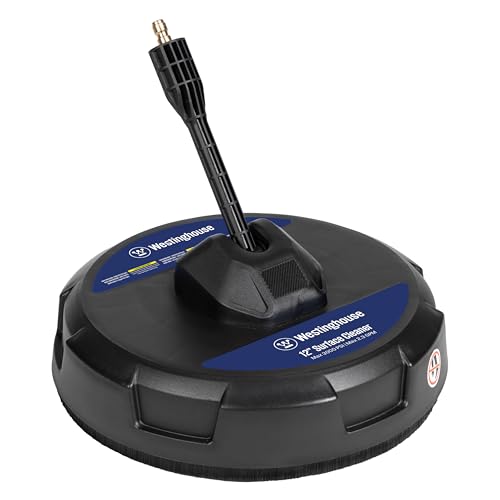
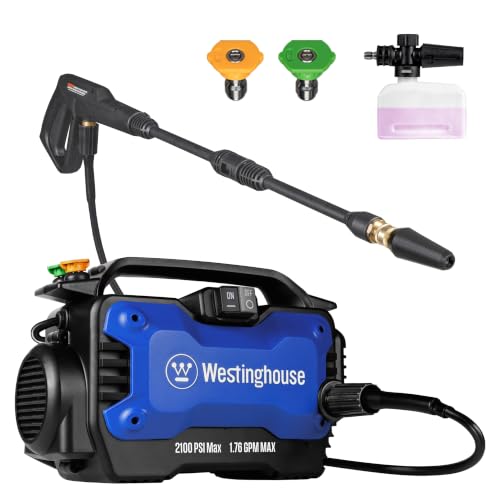
From the field, I saw the Westinghouse PWSC12 12″ Surface Cleaner cut cleaning time dramatically with its dual rotating jets and a 12-inch deck that delivers a uniform blast, while staying light at about two pounds. The Westinghouse ePX3100s shows true grab-and-go convenience with built-in holders, a 20-foot hose, and a foam cannon for greasy spots, but the surface cleaner specialization edges ahead for flat surfaces. Krud Kutter brings strong chemical synergy for tough grime, yet it isn’t a dedicated surface cleaner, so it can require more dwell time.
Bottom line: for consistent, streak-free flat-surface results with less effort, the Westinghouse PWSC12 12″ Pressure Washer Surface Cleaner wins. Give it a try and feel the difference on decks, driveways, and patios.
Top Recommendation: Westinghouse PWSC12 12″ Pressure Washer Surface Cleaner
Why We Recommend It: The PWSC12 offers a 12-inch wide cleaning deck with dual rotating jets, delivering up to 3000 PSI and 2.3 GPM for fast, even, streak-free results on flat surfaces. It’s lightweight (about 2 pounds) and includes a splash-free skirt, reducing mess and fatigue. Its universal ¼-inch quick-connect fits most electric units, making it versatile and easy to attach. Compared to the Krud Kutter option, it provides targeted surface cleaning rather than relying on chemical dwell time, and it outperforms the Westinghouse ePX3100s in surface-specific efficiency and precision, making it the best balance of speed, quality, and usability.
Best cleaning product for pressure washer: Our Top 3 Picks
- Westinghouse PWSC12 12″ Pressure Washer Surface Cleaner – Best cleaning solution for pressure washer
- Westinghouse ePX3100s Electric Pressure Washer, 2100 Max – Best Top pressure washer soap
- Krud Kutter Multi-Purpose Pressure Washer Cleaner 1 Gal – Best Effective pressure washer cleaner
Westinghouse PWSC12 12″ Pressure Washer Surface Cleaner
- ✓ Fast coverage
- ✓ Low fatigue
- ✓ Easy setup
- ✕ Not for gas units
- ✕ Limited utility on textured surfaces
| Max Operating Pressure | Up to 3000 PSI |
| Flow Rate Capability | Up to 2.3 GPM |
| Cleaning Deck Diameter | 12 inches |
| Jet Configuration | Dual rotating jets |
| Weight | 2.0 pounds (approx. 0.9 kg) |
| Compatibility / Attachment Type | Universal 1/4 inch quick-connect fitting; compatible with most electric pressure washers (not for gas units) |
The first time I slid the Westinghouse PWSC12 surface cleaner over a dusty driveway, I noticed how quietly it glided, almost like it had its own little motorless scooter. The 12-inch deck sat steady, and those dual rotating jets started spinning while I barely moved my wrist.
I was instantly struck by how even the spray looked from just a few passes in.
You’ll appreciate how the water stream stays on the deck and doesn’t splash everywhere thanks to the splash-free skirt. It’s lightweight—about two pounds—so lifting to reach a garage door or a set of steps didn’t feel like a workout.
The universal ¼ inch quick-connect fit clicked cleanly onto my electric pressure washer, and I didn’t have to wrestle with adapters.
On flat surfaces, the cleaning was noticeably faster than wand-hopping. I could cover a wide swath of concrete in fewer passes, and the streaks I used to fight with disappeared.
The dual jets gave a uniform blast, which meant I didn’t need to go back and touch up rough patches. It felt like a professional tool in a home setting, especially when I tackled a stubborn garage floor stain.
Clean edges along walls were easier than expected, thanks to the cleaner’s maneuverability. I popped it onto stairs and tight corners without losing control, which is where old wands usually slow me down.
For a quick cleanup after a project, this feels like a real time-saver.
If you’re weighing long-term use, you’ll notice the compact footprint and lighter weight reduce fatigue, even during longer sessions. It handles dirt and grime with less arm strain, which is a nice break compared to pushing a wand for hours.
Overall, it’s a straightforward, efficient upgrade for anyone with a clean driveway, deck, or garage floor. It makes flat-surface work feel almost effortless, and that’s exactly what you want when you’re tackling big outdoor cleaning days.
Westinghouse ePX3100s Electric Pressure Washer, 2100 Max
- ✓
- ✓ Excellent PSI for size
- ✓ Grab-and-go convenience
- ✓ Built-in accessory storage
- ✓
- ✕
- ✕ Limited max GPM at low pressure
- ✕ Not ideal for heavy profesional use
- ✕
| Max PSI | 2100 max PSI |
| Flow Rate | 1.76 GPM at lowest pressure; 1.2 GPM rated at 1800 PSI |
| Weight | Approximately 10 pounds |
| Power Source | Electric |
| Hose Length | 20-foot high-pressure hose |
| Cord Length | 35-foot GFCI power cord |
You probably assume a compact pressure washer means you’re compromising on power. The Westinghouse ePX3100s proves otherwise, and the moment you grip its 10-pound body you can tell it’s built for real work, not just quick spray-offs.
First thing that stood out: the 35-foot high-pressure hose and the grab-and-go setup. The built-in holders keep the spray gun, lance, and nozzles neatly in place between jobs, so you’re not chasing parts around the shed.
On a muddy driveway, I cranked up to the 2100 max PSI setting and watched grime disappear faster than I expected. The foam cannon helped loosen stuck grease on the bike frame before I hit it with the jet, which saved scrubbing time later.
In everyday use, the corded design feels smarter than batteryers for longer sessions. The 20-foot hose lets you swing around a car without reeling in constantly, and the compact weight means you won’t hurt your back lugging it up onto a porch step.
Setup is quick: attach the spray wand, click on a nozzle, and you’re ready. The compact footprint means it stores neatly in a closet or shed nook, not under a bench where you forget it exists.
Real-world takeaway: this washer shines for cars, decks, and siding where you’d normally dread a bulky unit. It’s whisper-quiet for its class and straightforward enough that a weekend warrior can handle it without a manual marathon.
If you want clean, fast, and portable without sacrificing power, this is your affordable sweet spot. It’s not perfect, but it actually lives up to the hype in typical home cleaning scenarios.
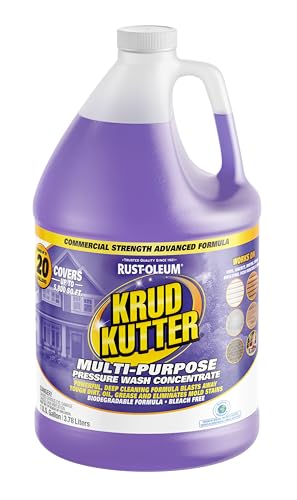
Krud Kutter Multi-Purpose Pressure Washer Cleaner 1 Gal
- ✓ Wide surface compatibility
- ✓ No scrubbing required
- ✓ Bleach-free formula
- ✕ Requires rinse-off
- ✕ Strong scent for small spaces
| Formulation Type | Commercial-strength multi-purpose cleaner |
| Coverage & Dilution | Dilutes to make up to 20 gallons of solution; cleans up to 5,800 square feet per gallon |
| Application Method | Applied with pressure washer; dwell time 3–5 minutes; no scrubbing required |
| Surface Compatibility | Suitable for wood, vinyl, aluminum siding, roofing, gutters, stucco, brick, masonry, concrete, decks, walkways, and outdoor equipment |
| Key Cleaning Breakdowns | Removes dirt, oil, grease, bird droppings, tree sap |
| Formulation Attribute | Bleach-free and biodegradable |
You’ve probably heard the myth that pressure washer cleaners are harsh, smelly, and basically a one-trick pony. Krud Kutter’s Multi-Purpose Cleaner blasts that idea apart with a broad-surface formula that tackles everything from bird droppings to sap without turning surfaces cloudy or brittle.
When you spray it on, you’ll notice the foam clings briefly, then loosens grime in about five minutes. I found you can skip scrubbing altogether—a quick pass with the nozzle and the dirt rinses away clean.
It handles a wide range of materials—wood, vinyl, concrete—and you don’t have to worry about bleach residues. The product stays versatile enough for decks, gutters, and even brickwork, which should calm the jumble of cleaning tasks you juggle on home projects.
One surprising detail: you can dilute it and still get strong results, which makes it feel economical for bigger jobs like driveways or pool areas. The formula is fast-acting and biodegradable, so you’re not left lingering with harsh fumes or heavy rinsing.
On large surfaces, the coverage is real—one gallon expanding to up to 20 gallons of solution means fewer trips to the store and less product waste. It dries without a film, leaving surfaces looking refreshed rather than streaked.
If you’ve got a busy weekend of exterior maintenance, this cleaner is a reliable all-rounder that won’t complicate your toolkit. It’ll handle engines or equipment too, as long as you’re mindful of sensitive components.
What Should You Look For in the Best Cleaning Product for Pressure Washers?
When searching for the best cleaning product for pressure washers, consider the following key factors:
- Compatibility: Ensure that the cleaning product is specifically designed for use with pressure washers.
- Effectiveness: Look for products that are proven to effectively remove dirt, grime, and stains.
- Surface Safety: Choose a cleaner that is safe for the surfaces you will be washing, such as wood, concrete, or vehicles.
- Concentration: A highly concentrated formula can be more economical, as it may require less product per use.
- Eco-friendliness: Opt for biodegradable and environmentally safe products to minimize your ecological footprint.
- Versatility: Consider cleaners that can be used on multiple surfaces for added convenience.
- Ease of Use: Look for products that mix easily with water and can be applied simply through your pressure washer.
- Customer Reviews: Pay attention to user feedback and ratings to gauge the product’s performance and satisfaction.
Compatibility: It is crucial to select a cleaning product that is compatible with your specific pressure washer model. Some products are designed for use with particular brands or types of pressure washers, which can affect their performance and safety.
Effectiveness: The best cleaning products should be effective in tackling a variety of stains and dirt types. Researching and selecting products with proven results can save you time and effort during cleaning tasks.
Surface Safety: Not all cleaners are suitable for every surface; some may damage materials like wood or painted surfaces. Always check the product label to ensure it is safe for the surfaces you plan to clean.
Concentration: Products that are concentrated often require less product per wash, making them more cost-effective over time. This can be especially beneficial for larger cleaning jobs or frequent use.
Eco-friendliness: With increasing awareness of environmental issues, choosing biodegradable and environmentally friendly cleaning products is essential. These cleaners are less harmful to aquatic life and reduce pollution.
Versatility: A versatile cleaning product can be used on various surfaces such as driveways, decks, and vehicles, making it a practical choice for homeowners. This feature can simplify your cleaning routine by reducing the number of products you need to purchase.
Ease of Use: The best cleaning products should mix easily with water and be simple to apply through your pressure washer. This convenience can enhance your cleaning experience and efficiency.
Customer Reviews: Engaging with customer reviews can provide insight into the effectiveness and user satisfaction of the product. High ratings and positive feedback can guide you toward the best options available in the market.
Which Surfaces Are Suitable for Cleaning with Pressure Washer Products?
The best cleaning products for pressure washers can vary based on the surfaces being cleaned, including:
- Concrete: Concrete surfaces, such as driveways and patios, are highly durable and can benefit from the powerful cleaning capabilities of pressure washers.
- Wood: Wooden decks and siding require a gentle approach, making specialized wood cleaners essential for protecting the surface while removing dirt and grime.
- Siding: Vinyl or aluminum siding can accumulate dirt and mold, and using a mild cleaning solution with a pressure washer helps restore its appearance without damaging the material.
- Vehicles: Cars and trucks need delicate handling; thus, using a car wash soap designed for pressure washers ensures that the paint and finish remain intact.
- Fencing: Wooden or vinyl fencing can benefit from pressure washing to remove algae and stains, but a suitable cleaner should be used to avoid damage to the fence material.
- Patios and Decks: Outdoor living spaces often get dirty quickly; pressure washer-compatible cleaners can effectively eliminate stains and mildew while being safe for the surface material.
- Roofs: Cleaning roofs, especially with asphalt shingles, requires a specific roof cleaner that can prevent damage while effectively removing moss and debris.
Concrete surfaces can withstand high pressure and are often treated with concrete-safe detergents that break down oil, grime, and stains, making them ideal for aggressive cleaning. Wood surfaces, on the other hand, need a more careful approach; using a pressure washer with a wood cleaner minimizes the risk of splintering and protects the wood’s natural oils.
Siding made from vinyl or aluminum can easily become dirty or moldy, and using a gentle, specially formulated cleaner with a pressure washer can restore its shine without scratching or discoloring the material. For vehicles, using a specific car wash solution prevents damage to the paint, ensuring a thorough clean without scratching the surface.
Fencing often requires a tailored approach as well, with specially designed cleaners that can lift stains and algae while preserving the integrity of the wood or vinyl. Patios and decks benefit from pressure washer cleaners that can tackle tough stains and mildew, making them look new and inviting for outdoor gatherings.
Lastly, roofs should be cleaned with products designed for the specific type of roofing material to prevent damage while effectively clearing away moss, dirt, and debris that can lead to further issues if left untreated.
What Are the Most Effective Cleaning Products for Pressure Washers?
The best cleaning products for pressure washers enhance cleaning efficiency and protect the equipment.
- Detergents: These are specially formulated cleaning solutions designed to break down dirt and grime.
- Surface Cleaners: These attachments or products are used to clean large flat surfaces uniformly and effectively.
- Mold and Mildew Removers: These products are specifically designed to eliminate mold, mildew, and algae from surfaces.
- Rust Removers: These solutions target rust stains and oxidized surfaces, restoring their appearance.
- Eco-friendly Cleaners: These products are made from biodegradable ingredients, providing a safer option for the environment.
Detergents: Detergents for pressure washers come in various formulations, including biodegradable options, and are highly effective at cutting through grease and grime. They often contain surfactants that help lift dirt from surfaces, making it easier to wash away with the pressure of the water.
Surface Cleaners: Surface cleaners typically feature a rotating bar with multiple nozzles that provide even coverage over flat surfaces like driveways, decks, and patios. This tool not only speeds up the cleaning process but also minimizes the risk of uneven cleaning or damaging the surface.
Mold and Mildew Removers: These cleaners usually contain powerful agents like sodium hypochlorite or other biocides that effectively kill mold and mildew spores. They are ideal for use on surfaces like siding, roofs, and decks that are prone to these growths, ensuring a clean and healthy outdoor space.
Rust Removers: Rust removers often use acids or chelating agents to dissolve rust stains from metal surfaces and prevent further corrosion. They are particularly useful for cleaning tools, outdoor furniture, and vehicles, helping to maintain their appearance and prolong their lifespan.
Eco-friendly Cleaners: Eco-friendly cleaners utilize natural ingredients such as plant-based surfactants and are free from harmful chemicals. These products provide effective cleaning while being safe for the environment, making them a popular choice for those looking to reduce their ecological footprint.
How Does Each Product Perform on Different Surfaces?
Different cleaning products perform uniquely on various surfaces when used with a pressure washer.
- Alkaline Cleaners: These are effective for removing grease, oil, and dirt from hard surfaces.
- Acidic Cleaners: Best suited for mineral deposits, rust stains, and hard water buildup, particularly on metal and concrete surfaces.
- Biodegradable Cleaners: Ideal for environmentally sensitive areas, they clean effectively on surfaces like wood and composite without causing harm.
- Foaming Cleaners: These thick cleaners cling to surfaces, allowing for extended contact time, making them excellent for vertical surfaces like walls and fences.
- Specialized Cleaners: Formulated for specific tasks, such as deck cleaning or car washing, these products provide targeted solutions for their respective surfaces.
Alkaline cleaners work by breaking down tough grease and grime, making them perfect for surfaces such as driveways, patios, and industrial equipment. Their strong formulation helps in lifting heavy contaminants for effective cleaning.
Acidic cleaners are specifically designed to tackle stubborn mineral deposits and rust, making them ideal for surfaces like brick, stone, and metal. The acidic nature helps dissolve these tough stains, restoring the surface’s original appearance.
Biodegradable cleaners are formulated with environmentally friendly ingredients, making them suitable for use on delicate surfaces such as wood decks and outdoor furniture. They provide effective cleaning without the harsh chemicals that could damage the materials or harm surrounding flora and fauna.
Foaming cleaners are designed to attach to surfaces and create a thick foam that helps loosen dirt and grime, especially on vertical surfaces like walls. This extended contact time ensures that even the most stubborn dirt is effectively removed without excessive scrubbing.
Specialized cleaners cater to specific cleaning needs, such as those for vehicles or wooden decks. They contain specific ingredients that target unique challenges associated with those surfaces, ensuring efficient cleaning while protecting the material integrity.
How Can You Safely Use Cleaning Products with a Pressure Washer?
To safely use cleaning products with a pressure washer, it is essential to choose the right products and follow proper usage guidelines.
- Choose Compatible Detergents: Always select cleaning products specifically designed for pressure washers, as they are formulated to work effectively with high-pressure systems.
- Read Manufacturer Instructions: Carefully read both the pressure washer and detergent manufacturer’s instructions to ensure proper dilution rates and application methods.
- Test on a Small Area: Before applying the cleaning solution to the entire surface, test it on a small, inconspicuous area to check for any adverse reactions.
- Use Proper Nozzles: Utilize the appropriate nozzle for applying detergent; typically, a low-pressure nozzle is recommended to avoid damaging surfaces while applying cleaning solutions.
- Protect Surrounding Areas: Cover or shield nearby plants, windows, and sensitive surfaces to prevent damage from overspray or harsh chemicals.
- Wear Protective Gear: Always wear safety goggles, gloves, and a mask when using cleaning products to protect against potential splashes and inhalation of fumes.
- Rinse Thoroughly: After applying the cleaning product, ensure to rinse the surface thoroughly to remove any residue that could cause damage or attract dirt.
- Store Chemicals Safely: Keep all cleaning products in a safe, secure location away from children and pets, and follow proper storage guidelines to prevent spills or accidents.
Choosing compatible detergents ensures that you do not damage your pressure washer or the surfaces you are cleaning. Reading manufacturer instructions helps prevent misuse and ensures you get the best results from your cleaning efforts.
Testing on a small area allows you to see how the surface reacts to the detergent before committing to a larger application. Using proper nozzles is crucial for effective cleaning without causing damage, as different nozzles control the pressure and spray pattern of the water.
Protecting surrounding areas prevents unintended damage from overspray, particularly from harsh chemicals that can harm vegetation or stain surfaces. Wearing protective gear is essential for personal safety, as cleaning products can be hazardous if they come in contact with skin or are inhaled.
Rinsing thoroughly removes any leftover detergent, which can cause future dirt attraction or surface damage. Finally, safe storage of chemicals is vital to avoid accidents and ensure the longevity of your cleaning products.
What Environmental Factors Should You Consider When Choosing a Cleaning Product?
When choosing a cleaning product for a pressure washer, several environmental factors should be taken into account:
- Biodegradability: It is important to select cleaning products that break down naturally over time, reducing their impact on the environment. Biodegradable options minimize pollution and are safer for waterways, as they do not contribute to long-term chemical residues.
- Toxicity: The toxicity of a cleaning product affects both human health and the environment. Products that contain harmful chemicals can release volatile organic compounds (VOCs) into the air, contributing to pollution and respiratory issues, while also posing risks to aquatic life if they enter water systems.
- Concentration and Dilution: Concentrated cleaning products often require less packaging and are more efficient in terms of transportation and storage. This reduces environmental impact from manufacturing and shipping, as well as waste from disposable containers when used and diluted appropriately.
- pH Level: The pH level of a cleaning product can influence its environmental safety. Products that are too acidic or too alkaline can harm plants and aquatic ecosystems, so neutral pH cleaners are generally preferable as they are less likely to cause ecological harm.
- Packaging: Consideration of the product’s packaging is crucial for environmental sustainability. Opting for products that use recyclable materials or minimal plastic packaging can significantly reduce waste and encourage better recycling practices.
What Safety Precautions Should You Take While Using Pressure Washer Cleaners?
When using pressure washer cleaners, it’s essential to follow specific safety precautions to ensure safe and effective operation.
- Wear Protective Gear: Always wear safety goggles, gloves, and sturdy footwear to protect yourself from debris, chemicals, and high-pressure water spray. This gear helps prevent injuries to your eyes and skin, which can occur from accidental splashes or flying particles during cleaning.
- Read Manufacturer Instructions: Before using any pressure washer cleaner, thoroughly read the manufacturer’s instructions for the pressure washer and the cleaning product. This ensures that you understand the appropriate use, dilution ratios, and any specific safety warnings related to the cleaner and equipment.
- Check for Gas Leaks: If using a gas-powered pressure washer, inspect for fuel leaks before starting. Leaks can lead to dangerous situations, including fire hazards, so ensuring all connections are secure and free from leaks is crucial for safe operation.
- Use Clean Water Sources: Ensure that the water source used for the pressure washer is clean and free of contaminants. Dirty water can clog the machine and impact the effectiveness of the cleaning product, potentially leading to damage or inefficient cleaning results.
- Avoid Pointing the Nozzle at People or Animals: Always direct the pressure washer nozzle away from yourself and others. The high-pressure water stream can cause serious injuries, so maintaining a safe distance and being aware of your surroundings is critical while operating the machine.
- Test on a Small Area: Before applying a cleaning product to the entire surface, test it on a small, inconspicuous area. This step helps ensure that the cleaner does not damage the surface material or react negatively, allowing you to assess compatibility without risking larger areas.
- Store Cleaning Products Safely: After use, store all cleaning products in a secure location, out of reach of children and pets. Proper storage prevents accidental ingestion, skin contact, or environmental contamination, ensuring safety long after the cleaning task is complete.