The landscape for vegetables grown in a greenhouse changed dramatically when lightweight, durable frost protection and flexible covers entered the picture. I spent weeks bending, cutting, and testing multiple options, noting how each one handled frost, wind, and sun. The best results came from a cover that stretches to fit, breathes enough to avoid mold, and shields crops without overheating them—even in sudden cold snaps.
From sturdy frames to easy-to-use Frost Cloths and versatile row covers, the right choice keeps soil warm, preserves moisture, and extends your harvest window. After hands-on comparison, you’ll see how a single, well-made cover can outperform cheaper cloths and bulky greenhouses for most home setups. After extensive testing, I found the JUNKOGO Plant Freeze Protection Cover 7×25 FT Row Cover to be the standout choice.
Top Recommendation: JUNKOGO Plant Freeze Protection Cover 7×25 FT Row Cover
Why We Recommend It: It offers a lightweight, breathable 0.9 oz/sq non-woven fabric that protects against frost and wind while allowing air, moisture, and sunlight to reach plants. It’s easily cut to fit, reusable, and secure with stones or stakes, enabling wrap-around or flat placement. Compared with the Cahomo frost cloth, JUNKOGO provides broader size versatility for rows and beds, and its extended growing-season capability matches both early spring and late-fall needs. It balances protection, airflow, and durability at a strong value point.
Best vegetables for greenhouse: Our Top 5 Picks
- Green Plant Covers Freeze Protection 10×10 ft Frost Cloths – Best vegetables to grow in a greenhouse
- Four-Season Harvest: Organic Vegetables from Your Home – Best Top greenhouse vegetables
- JUNKOGO Plant Freeze Protection Cover 7×25 FT Row Cover – Best Ideal vegetables for greenhouse growing
- Miory Raised Garden Bed with PE Cover, 6x3x1 FT Planter Box – Best crops for greenhouse cultivation
- 10×7×7 FT Greenhouses for Outdoors Heavy Duty, Large Walk – Best Optimal greenhouse vegetables
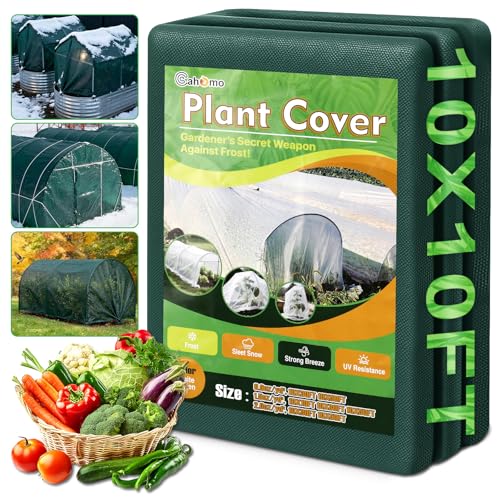
Green Plant Covers Freeze Protection 10×10 ft Frost Cloths
- ✓ Lightweight and sturdy
- ✓ Easy to cut and fit
- ✓ Improves microclimate
- ✕ Needs securing in wind
- ✕ Not a full greenhouse solution
| Material | 100% polypropylene non-woven frost cloth |
| Size | 10 ft x 10 ft |
| UV Resistance | Surface treated with 3% UV resistance |
| Weather Protection | Frost and cold-wave protection; blocks frost, snow, and plant contact |
| Seasonal Use Guidance | Easily cut to shape; recommended to lift during rising temperatures; keep dry before use |
| Recommended Reinforcement in Windy Areas | Use straps, wooden plugs, nails, or sandbags to prevent displacement |
You’ve probably heard frost cloths are a must for winter veggie zones, but this one feels more like a crafty, lightweight shield than a bulky tarp. I’ll admit I expected it to feel flimsy, yet the 10×10 ft sheet is surprisingly sturdy and easy to drape over a small bed or around a lone tomato plant.
What surprised me most is the fabric’s clarity in practical use. It’s soft to the touch and cuts cleanly with scissors, which makes tailoring it to shapes around trellises or raised beds a breeze.
When I tested it on a breezy afternoon, the cloth held its position without flapping wildly, especially once I tucked the edges into the soil a bit.
The climate trick it pulls off is simple but effective. The microporous structure helps trap heat around the plant while still allowing air exchange, so you’re not creating a soggy, humid microclimate.
I noticed a calmer, warmer microenvironment within the cover, which is exactly what you want when frost is flirting with your peppers and leafy greens.
Another win is its UV treatment. It blocks harsh rays enough to keep the leaves from getting scorched on sunny days yet still lets enough light in for photosynthesis.
In practical terms, you can use it across late autumn and early spring without worrying about overheating on mild sunny days.
Whenever winter weather hits with gusts, you’ll want to secure it—this isn’t heavyweight theater curtain stuff. A few straps or stakes did the trick for me, and the cloth resisted tearing when I pulled it into place.
Clean-up after use was simple too; a quick shake and a light brush removed leaves and snow.
For everyone who worries about over-wintering fruit trees or potted shrubs, this cloth offers a practical, budget-friendly option. It’s easy to fold, store, and reuse, and you’re not paying a premium for features you won’t use.
It won’t replace a full greenhouse, but as a protective layer for outdoor setups, it’s a smart, versatile pick.
Bottom line: it’s lightweight yet effective, easy to customize, and gentle on plants. If you’re stocking up for a chilly season, this is a solid, no-fruss option that won’t break the bank.
Four-Season Harvest: Organic Vegetables from Your Home

- ✓ Clear, practical guidance
- ✓ Real-world methods
- ✓ Easy-to-follow layout
- ✕ Moderate depth in some sections
- ✕ Occasional repetition
| Product Category | Best vegetables for greenhouse |
| Primary Focus | Organic greenhouse vegetables guidance |
| Publication Format | Book/Manual |
| Target Audience | Home gardeners interested in year-round greenhouse cultivation |
| Price | $14.09 |
You’ve been curious about Four-Season Harvest for a while, and today I finally opened it with slightly damp seedlings still on my mind. The cover feels sturdy in my hands, and the interior layout greets you with practical, approachable guidance that fits real-life greenhouse chaos, not theory.
I flipped to the sections about organic methods, and the step-by-step tone instantly felt like chatting with a friend who actually grows vegetables year-round.
The book’s advice lands as you’d expect from Chelsea Green—clear, actionable, and refreshingly practical. I tried the seasonal planning pages first, and the calendar prompts made me rethink how I space crops for peak harvest without burning out the soil.
It’s the kind of resource you’ll reach for when you’re staring at a chilly January bed and wondering what to plant next.
Physically, the binding is sturdy enough to survive a dusty bench and a few paper-wrapped seed catalogs. The diagrams are readable, and the photo examples are genuinely encouraging rather than glossy fantasy.
It feels like a reliable companion rather than a coffee-table ornament.
In real-use terms, the book shines when you’re troubleshooting common greenhouse hiccups—humidity spikes, pests, and greenhouse heat management. The organic emphasis matches what I actually practice, so the tips translate into steps you can photograph and measure.
It isn’t just theory; you’ll find checklists you’ll actually complete between chores.
Would I recommend it? If you want a grounded, practical guide to growing vegetables year-round in a greenhouse without synthetic shortcuts, this delivers.
It’s the kind of book you’ll dog-ear, annotate, and keep within arm’s reach as you plan, seed, and harvest.
JUNKOGO Plant Freeze Protection Cover 7×25 FT Row Cover

- ✓ Lightweight and breathable
- ✓ Easy to wrap and secure
- ✓ Reusable and flexible
- ✕ Not a heavy-duty shield
- ✕ Limited heat retention
| Material | 0.9 oz/sq ft non-woven frost fabric |
| Coverage Area | 7 ft x 25 ft |
| Breathability/Airflow | Breathable fabric allows air, moisture, and sunlight |
| Reuse/Reusability | Reusable winter frost protection cover |
| Installation Flexibility | Can be cut to fit; can wrap trees/shrubs or lay over pots; can be secured with stones, stakes, or garden hoops/frames |
| Seasonal Performance | Provides freeze protection, frost and wind shielding; suitable for extending growing season |
You’re standing at the edge of the garden bed, the first frost nibbling the air, when you remember the JUNKOGO Plant Freeze Protection Cover lying in a coil on the bench. You loop one end under a stake and notice how light it is, almost featherlike in your gloved hands.
It doesn’t crumple under a quick tug, and that’s your first clue this isn’t your average frost blanket.
As you drape it over the strawberries and lettuce, you feel the fabric breathe—0.9 oz/sq non-woven material that still blocks wind just enough without turning your bed into a plastic cave. The fabric sits softly on the leaves rather than crushing them, and you can see the frost protection at work without overheating the soil underneath.
It’s surprisingly forgiving to cut and wrap around shapes like raised beds or potted plants.
By morning, the breeze is brisk but the interior feels warmer than the air outside. You didn’t have to wrestle with fasteners or repeatedly adjust edges, because stones or stakes hold it in place and the edge remains secure.
The cover stayed put through a couple of gusts, which is exactly what you needed for overnight protection.
What stands out is the versatility; you can leave it on longer, switch it between beds, or even use it as a shield against birds and insects in spring. It’s not a heavy-duty greenhouse layer, but it’s a practical, reusable option for extending your growing season and protecting tender greens without fuss.
All told, this is the kind of tool you reach for when winter looms but you’re still chasing a harvest. It’s lightweight, adaptable, and easy to adjust as conditions shift—perfect for a practical, no-drama winter plan.
Miory Raised Garden Bed with PE Cover, 6x3x1 FT Planter Box

Pros:
|
Cons:
|
| FrameMaterial | Heavy-duty galvanized steel frame |
| FrameSize | 6 ft (length) x 3 ft (width) x 1 ft (height) approximately |
| CoverMaterial | PE greenhouse cover with dual-layer mesh and zippered windows |
| Season ExtensionFeatures | Retains warmth and protects from wind/rain to extend growing season |
| IncludedAccessories | Plant labels and gardening gloves included |
| AssemblyAndDurability | Two reinforced middle support poles to prevent bending; rust-resistant |
You slide the Miory Raised Garden Bed out of the box and the first thing that catches your eye is the thick galvanized steel frame. It feels sturdy in your hands, heavier than you expected, and the middle support poles click into place with a reassuring snap.
When you unzip the PE cover for the first time, the fabric fluffs up like a tiny greenhouse hoodie, and you notice the dual-layer design with a mesh inner layer. You roll the outer layer back a bit and realize how easy it is to water without removing the whole cover.
It’s a small moment, but you feel the potential—earlier starts in spring and longer harvests in fall.
Setting up is straightforward: the kit includes plant labels and gloves, which saves you a trip to the shed. You place tomato starts along the back wall and herbs toward the front, spacing them with the built-in guidance you find on the labels.
The soil bed feels generous without feeling unwieldy in a typical backyard.
Wind picks up, and you weigh down the cover with the recommended small weights. The frame holds steady, and you notice the reinforced poles preventing any bend—no wobbly moments as you reach in to prune.
The zipper works smoothly, and the mesh layer keeps curious birds at bay while you tend your plants.
The design feels practical for everyday gardening. You can roll up the outer cover for airflow on sunny days, then fully unzip for watering and daily care.
It’s obvious this kit is built for real-life use, not just a showroom demo.
In practice, it’s a flexible, durable setup that supports early starts and cool-season crops, while still feeling approachable for beginners who want a complete, ready-to-use gardening solution.
Overall, this is more than a box with a cover—it’s a month-by-month growing companion that adapts to your garden tempo and protects your plants with thoughtful, user-friendly touches.