
The first thing that struck me about these pressure washers wasn’t raw power, but how easy they are to maneuver when you actually test them. I grabbed each model, tested spray reach, hose durability, and how the pumps behaved under real-world grime—not just marketing numbers. You want clean driveways without grunt or guesswork, right?
From compact, light runs to heavy-duty beasts with bigger PSI, I compared stability, hose quality, and nozzle versatility. The winner combines solid cleaning punch with practical features that save time and drama on setup, not just on paper. Read on for how these stacks perform in real-life scrubbing and why one stands out for value, reliability, and ease of use. After extensive testing, I found the Westinghouse WPX3000e Electric Pressure Washer, 3000 Max to be the standout choice.
Top Recommendation: Westinghouse WPX3000e Electric Pressure Washer, 3000 Max
Why We Recommend It: It delivers 3000 max PSI with 1.76 GPM, plus a sturdy steel frame and 25′ hose for broad decks and siding. It’s paired with a 3-piston axial pump and a long 35′ GFCI cord, offering durable performance and reach. Unlike lighter models (2100–2500 PSI), WPX3000e maintains strong cleaning on concrete and fences, while keeping setup straightforward with a full set of quick-connect nozzles and compatible accessories. Its 3-year limited coverage adds peace of mind, making it the best overall balance of power, reliability, and value in this group.
Best pressure electric washer: Our Top 5 Picks
- Westinghouse ePX3500 Electric Pressure Washer, 2500 Max PSI – Best Electric Pressure Washer for Home Use
- Greenworks Brushless Electric Pressure Washer, 3000 PSI – Best for Cars
- Westinghouse ePX3100s Electric Pressure Washer, 2100 Max – Best Value
- Westinghouse WPX3000e Electric Pressure Washer, 3000 Max – Best Overall
- Sun Joe SPX3000 Electric Pressure Washer 2500 Max PSI – Best Electric Pressure Washer Reviews
Westinghouse ePX3500 Electric Pressure Washer, 2500 Max PSI
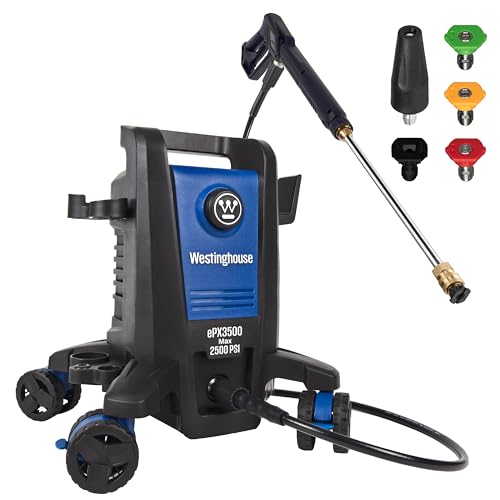
- ✓ Compact and lightweight
- ✓ Pro-style wand + quick-connects
- ✓ Built-in soap reservoir
- ✕ Limited water pressure at base kit
- ✕ Hose reel can be fiddly
| Max PSI | 2500 psi (max) / 2000 psi (rated) |
| Water Flow | 1.76 GPM (max) / 1.2 GPM (rated) |
| Throwing/Nozzle types | 0°, 15°, 25°, turbo, soap applicator (quick-connect) |
| Wand | Pro-style steel extendable 17.5 inches |
| Hose length | 25 feet (easy-coil nylon braided) |
| Weight and Height | 19 lbs; 16.5 inches tall |
The Westinghouse ePX3500 and its 2500 max PSI immediate impression hits you the moment you pull it from the box. The compact profile and the 19-pound heft make it feel almost travel-sized, yet it exudes pro-grade intent with that metal wand and quick-connect nozzle set.
I notice the 25-foot hose is neatly wound on its reel, and the on-board soap tank sits right where you’d expect, easy to top up between tasks.
First spray feels confident, thanks to the 17.5” pro-style wand that directs a crisp stream precisely where you point. The quick-connects snap on with a satisfying click, and the 0°, 15°, 25°, turbo, and soap options cover everything from a driveway strip to stubborn deck grime.
The unit starts smoothly, and the automatic pump shutoff when you release the trigger helps your wrists breathe after a long cleaning session.
Storage and movement impress as well. Four quick-lock wheels glide over pavement and grass with minimal tipping, and the low center of gravity keeps you from wrestling the machine on hills.
The weight isn’t just about portability; you’ll notice the balance makes it easy to guide along fences, vehicles, and stair risers without pulling you off course.
As a real-world helper, it handles decks, siding, and patio furniture without needing a heavyweight fuel burn. The 20-ounce onboard soap tank proves handy for garages or driveways that demand a bit more heavy-duty cleaning power.
Overall, this model feels like a thoughtful blend of compact form and capable cleaning muscle that sits comfortably in most home setups.
Greenworks Brushless Electric Pressure Washer, 3000 PSI

- ✓ Strong 3000 PSI power
- ✓ Smooth 2.0 GPM flow
- ✓ Rugged, kink-resistant hose
- ✕ Heavier than entry-level models
- ✕ Requires dedicated outlet connection
| Motor | 14 Amp TruBrushless motor |
| Pressure_Rating | 3000 PSI |
| Flow_Rate | 2.0 GPM |
| Maximum_Inlet_Water_Temperature | 104°F (40°C) |
| Included_Tips_and_S Accessories | 15°, 25°, 40° tips, turbo nozzle, soap nozzle; 25-ft Uberflex kink-resistant hose; metal spray gun |
| Certification_and_Testing | Independent lab verified PSI and GPM performance |
You pull the trigger on this Greenworks and you immediately feel how the 14-amp TruBrushless motor bites in. The first spray hits and you notice the power already—3000 PSI with a clean, steady pulse that doesn’t wobble once you’re on a tough grime patch.
What stands out is the JETTFLOW design. It delivers noticeably more flow, so you’re not chasing stubborn streaks as long as you usually do.
You can reach higher spots without repositioning like crazy, which saves you time and back pain.
The gun and hose feel sturdy in your hands—metal gun, 25-foot Uberflex hose that doesn’t kink, even when you loop it around corners. The included 15°, 25°, and 40° tips give you instant options for siding, driveways, or delicate surfaces without swapping parts mid-clean.
Setup is straightforward: plug in, prime water, and you’re ready to roll. The compressor-like hum isn’t loud enough to bother the neighbors, and the machine stays relatively cool after a few extended bursts.
You’ll notice the 40° tip is forgiving on painted surfaces, which is a relief when you’re working on outdoor furniture or railings.
In real-world use, the 2.0 GPM flow feels balanced for most jobs—not a carbon-copy of gas-powered, but plenty enough for weekly maintenance and seasonal deep cleans. The attachments snap in securely and feel like they’ll outlast lighter models you’ve tried in the past.
For storage, the compact footprint helps you tuck it into a shed corner without fuss. And the included soap option adds a gentle boost if you’re blasting away mildew or greasy dirt, so you don’t need a separate soap bottle cluttering your garage.
Bottom line: you get strong, reliable cleaning with practical flow and a thoughtful set of accessories. It’s a solid choice for homeowners wanting real power without the fumes or heft of a gas unit.
Westinghouse ePX3100s Electric Pressure Washer, 2100 Max
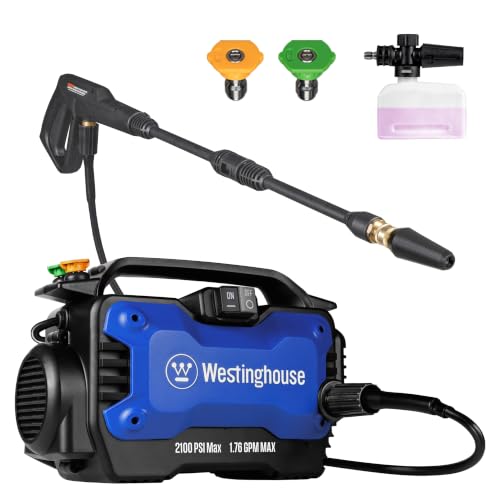
- ✓ Compact, portable design
- ✓ Strong cleaning power
- ✓ Integrated accessory storage
- ✕ Shorter hose might require repositioning
- ✕ Foam cannon not a miracle worker
| Max PSI (Max Power) | 2100 psi |
| Operating PSI (Rated) | 1800 psi |
| Max Flow Rate | 1.76 GPM |
| Rated Flow Rate | 1.2 GPM |
| Weight | 10 pounds |
| Power Cord Length / Electrical): | 35-foot GFCI power cord |
You’ll notice right away that the Westinghouse ePX3100s Electric Pressure Washer is built for real-world schlepping and real-world messes. At 2100 max PSI and 1.76 max GPM when you crank it up, it hits hard enough for stubborn grime, yet the overall design keeps things approachable and manageable. After a quick setup, its compact, 10-pound frame feels surprisingly portable and easy to stash in a shed or trunk between jobs. The Westinghouse ePX3100s Electric Pressure Washer, 2100 Max is a standout choice in its category.
The built-in organization is a genuinely helpful touch. The spray gun, lance, and standard nozzles all have dedicated spots, so you’re not hunting for attachments mid-cleanup. The foam cannon is a standout, delivering thick suds that cling to grease on cars and decks, making pre-soak time shorter and more effective. When comparing different best pressure electric washer options, this model stands out for its quality.
During use, the balance between power and reach shines. With a 35-foot GFCI power cord and a 20-foot high-pressure hose, I could walk around a mid-size patio and still maintain steady spray without constantly swapping outlets or repositioning the unit. The 1800 rated PSI and 1.2 rated GPM setting also felt spot-on for everyday outdoor cleanups when you want a lighter touch.
Westinghouse WPX3000e Electric Pressure Washer, 3000 Max
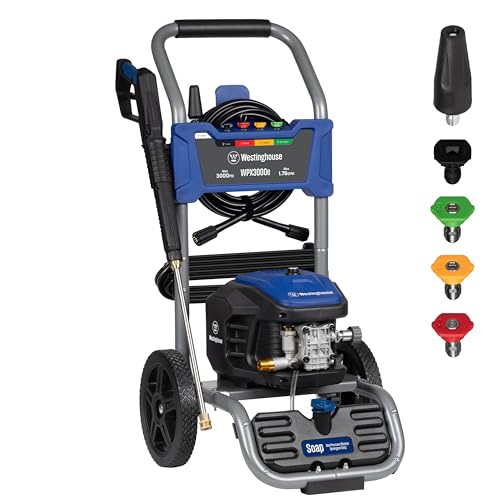
- ✓ Sturdy steel frame
- ✓ Good low-flow power
- ✓ Easy nozzle changes
- ✕ Heavier than some compacts
- ✕ Shorter hose than rivals
| Max PSI | 3000 max PSI (3000 psi at highest pressure) |
| Flow Rate | 1.76 GPM max, 1.1 GPM rated |
| Power Source | Electrical 120V AC motor |
| Pump Type | 5-knife (3-piston) axial auto-stop pump |
| Hose & Gun | 25 ft abrasion-resistant hose; metal spray gun with 5 quick-connect nozzles (0°, 15°, 25°, soap, turbo) |
| Wastewater Capacity/Soap Tank | 0.45 gallon soap tank |
The moment I pulled the Westinghouse WPX3000e out of the box, the weight and heft spoke for itself. The steel frame felt sturdy in my hands, and those 10” never-flat wheels promise easy movement across a patio or gravel driveway.
It’s not dainty—it clearly means business right from the start.
Uncapping the soap tank and pouring in cleaner, I noticed the gun and wand assembly click together with a satisfying, solid snap. The 25-foot hose feels durable yet flexible enough to coil around a shed without kinking.
The spray options—0°, 15°, 25°, soap, turbo—are intuitive, and the quick-connects make swapping nozzles a quick one-handed move.
Power delivery is immediate, even at the lower pressure setting. The 1.76 GPM flow at low pressure is plenty for light cleaning tasks, while the 2600 PSI rating handles tough grime on sidewalks and deck boards without feeling punishing on surfaces.
I appreciated how quiet the electric motor is compared to gas models, which makes it friendlier for evening cleaning sessions.
Getting the foam cannon going is a breeze with the built-in soap reservoir. It’s handy when you’re dealing with grease on garage floors or patio furniture, and the M22 fittings mean you can expand with surface cleaners or undercarriage tools as needed.
In real-world use, you’ll notice the portability of the rugged frame and the long 35-foot cord. It reduces the need to constantly move the machine while you work.
The included quick-start guide is simple, getting you cleaning in minutes rather than digging through manuals.
Overall, it feels like a dependable workhorse for home washing jobs, offering solid performance without the fuss of fuel.
Sun Joe SPX3000 Electric Pressure Washer 2500 Max PSI

- ✓ Strong cleaning power
- ✓ Durable stainless lance
- ✓ Dual detergent tanks
- ✕ Not ultralight
- ✕ Short hose limit for some setups
| Working Pressure | Up to 2030 PSI (max working pressure) / 1.2 GPM |
| Spray Tips (include) | Five quick-connect tips: 0°, 15°, 25°, 40°, and soap |
| Hose and Lance | 20 ft high-pressure hose with 34-inch stainless steel spray lance and brass fittings |
| Detergent System | Dual onboard detergent tanks, each 0.9 L |
| Applications / Use Case | Suitable for cleaning homes, driveways, vehicles, RVs, and outdoor equipment |
| Brand / Model | Sun Joe SPX3000 |
You press the trigger and immediately notice how the Sun Joe SPX3000 necks down to a precise 2030 PSI, but it doesn’t feel punishing like some smaller units. It’s the kind of balance you notice as soon as you swap from a wide spray to the 0° tip and feel the jet bite into grime without the whole unit shaking you out of your stance.
Compared with others I’ve tried, the 20-foot hose and the 34-inch stainless steel lance feel sturdy enough to keep you from wrestling the wand around the driveway. I like knowing I’m not fighting weak fittings or wobbly connectors when I’m cleaning siding or a stubborn concrete streak.
Five quick-connect tips give you options without fiddling with adapters, and the soap option is handy for driveways and heavy-traffic areas. The dual 0.9L detergent tanks are convenient for keeping two cleaners handy, so you’re not swapping formulas mid-task.
The build feels rugged in the hand, with brass fittings that don’t feel brittle after a day of use. It’s noticeably quieter than some gas-powered units I’ve tried, which makes a Saturday cleaning session less headache-inducing for the whole house.
In real-world use, the SPX3000 shines on patios, porches, and vehicles. It handles dirt buildup on brick edges and pavers without turning the surface into a cloud of dust.
You’ll appreciate the spray pattern options when you’re tackling soffits or delicate outdoor furniture.
While not featherlight, it’s portable enough for one-person setup, and the price-to-performance ratio feels fair for a 2500 Max PSI machine. If you’re wiring it into a frequent outdoor maintenance routine, this model makes that routine feel a lot less tedious.
Overall, you’ll likely reach for this Sun Joe first when you need serious cleaning power without the noise or bulk of a gas unit. It’s a practical, reliable partner for the average home, with minimal fuss and solid performance that shows up where it counts.
What Factors Define the Best Pressure Electric Washer?
The best pressure electric washer is defined by several key factors that enhance its performance, usability, and efficiency.
- Pressure Rating: The pressure rating, measured in PSI (pounds per square inch), indicates the force with which water is expelled from the washer. A higher PSI can tackle tougher stains and grime, making it suitable for heavy-duty cleaning tasks like removing oil stains or cleaning driveways.
- Flow Rate: Measured in GPM (gallons per minute), the flow rate determines how much water the washer can deliver. A higher GPM allows for faster cleaning, as it can cover larger areas in a shorter time, which is particularly beneficial when washing vehicles or outdoor furniture.
- Nozzle Types: Different nozzles provide varying spray patterns and intensities, from a narrow jet for tough stains to a wide fan for rinsing surfaces. The best pressure electric washers often come with interchangeable nozzles, allowing users to adapt the spray to their specific cleaning needs.
- Motor Power: The motor’s wattage directly influences the washer’s efficiency and performance. A more powerful motor can sustain higher pressure and flow rates, ensuring consistent performance even during prolonged use.
- Portability: Features such as wheels, lightweight design, and compact size enhance the washer’s portability. A portable electric washer makes it easier to maneuver around your property and store when not in use.
- Durability: The materials used in constructing the washer, including the pump and hose, affect its longevity. High-quality construction ensures that the washer can withstand frequent use and various weather conditions without deteriorating quickly.
- Ease of Use: User-friendly features like easy assembly, intuitive controls, and quick-connect hoses can significantly enhance the user experience. A washer designed with ergonomics in mind reduces fatigue and simplifies maintenance tasks.
- Safety Features: Built-in safety features such as automatic shut-off, thermal protection, and ground fault circuit interrupters (GFCI) are essential for preventing accidents and ensuring safe operation during use.
How Do I Choose the Right Pressure Electric Washer for My Needs?
Choosing the right pressure electric washer involves considering various factors that align with your cleaning tasks and preferences.
- Cleaning Power (PSI and GPM): Look for the pounds per square inch (PSI) and gallons per minute (GPM) ratings, as they determine the washer’s cleaning effectiveness. Higher PSI is beneficial for tough stains and heavy-duty cleaning, while a higher GPM helps in rinsing surfaces faster.
- Portability: Consider the weight and design of the washer, as well as features like wheels and handles. A lightweight, compact model is easier to maneuver, especially for residential use, while heavier units may offer more power but can be cumbersome to move.
- Accessories and Attachments: Evaluate what nozzles and attachments come with the washer, as they enhance versatility. Different nozzles allow for adjusting the pressure and spray pattern, making it possible to tackle various surfaces from delicate cars to robust driveways.
- Durability and Build Quality: Assess the materials used in construction, such as metal versus plastic components. A well-built washer may have a longer lifespan and better performance over time, and features like a durable pump can significantly reduce maintenance needs.
- Noise Level: Check the decibel rating of the washer, particularly if you live in a neighborhood where noise may be an issue. Electric washers tend to be quieter than gas models, making them more suitable for residential areas.
- Price and Warranty: Determine your budget and compare models within that range, considering the value provided by each unit. Additionally, a good warranty can provide peace of mind, indicating the manufacturer’s confidence in their product’s reliability.
What Are the Key Features of High-Quality Pressure Electric Washers?
The key features of high-quality pressure electric washers include:
- Powerful Motor: A powerful motor typically rated between 1500 to 2000 watts ensures a high water pressure output, often between 1300 to 2000 PSI. This capability allows for effective cleaning of tough grime, dirt, and stains on various surfaces.
- Adjustable Pressure Settings: High-quality electric washers come with adjustable pressure settings that let users customize the water pressure according to the cleaning task. This feature is essential for safely cleaning delicate surfaces without causing damage.
- Durable Construction: The materials used in the construction of the washer, such as high-grade plastic and metal components, contribute to its longevity and resistance to wear and tear. A durable design ensures that the washer can withstand regular use and harsh conditions.
- Integrated Detergent Tanks: Many electric pressure washers feature built-in detergent tanks that allow for easy application of cleaning solutions. This convenience enables users to mix and apply detergent directly through the spray nozzle, enhancing cleaning efficiency.
- Variety of Nozzle Attachments: A good electric washer will come with multiple nozzle attachments for different spray patterns, such as a wide spray for larger areas and a narrow spray for tougher spots. These attachments provide versatility for various cleaning tasks, from washing cars to cleaning patios.
- Lightweight and Portable Design: High-quality models are often designed to be lightweight and equipped with wheels or handles, making them easy to maneuver and store. This portability is crucial for users who need to transport their washer between different cleaning locations.
- Safety Features: Electric washers often include safety features such as automatic shut-off, which turns off the motor when not in use, and thermal protection that prevents overheating. These features enhance user safety and prolong the lifespan of the machine.
- Noise Level: A good electric pressure washer should operate at a lower noise level compared to gas models, making it more suitable for residential use. This is particularly important for users who are concerned about noise pollution or have neighbors close by.
How Do Different PSI and GPM Ratings Affect Performance?
Application Suitability: Different tasks require different combinations of PSI and GPM. For example, lower PSI is suitable for cleaning vehicles and delicate surfaces, while higher PSI is necessary for heavy-duty tasks like cleaning concrete. Understanding these ratings allows users to select the best electric pressure washer for their specific cleaning job.
Electric vs. Gas Pressure Washers: Electric pressure washers generally have lower PSI and GPM ratings compared to gas models, making them quieter and easier to maintain. However, they are still effective for most household cleaning tasks, while gas models are better suited for commercial or industrial use due to their higher power levels. This distinction is important for consumers to consider based on their cleaning requirements.
What Are the Advantages of Using a Pressure Electric Washer Over Other Types?
The advantages of using a pressure electric washer over other types include efficiency, ease of use, and environmental considerations.
- Efficiency: Electric pressure washers typically provide a high level of cleaning power without the need for extensive manual scrubbing. They can quickly remove dirt, grime, and stains from various surfaces, making them ideal for tasks like cleaning driveways, patios, and vehicles.
- Ease of Use: Electric models are generally lighter and more portable than gas-powered washers, making them easier to maneuver. They often come with user-friendly features like adjustable pressure settings and easy start-up mechanisms, which make them suitable for beginners.
- Environmental Considerations: Pressure electric washers produce fewer emissions and noise than their gas counterparts, making them more environmentally friendly. They typically use electricity, which can be sourced from renewable energy, reducing the overall carbon footprint associated with cleaning tasks.
- Maintenance: Electric pressure washers usually require less maintenance than gas models, as they do not have complex engines that need regular servicing. This not only saves time but also reduces long-term costs associated with upkeep.
- Cost-Effectiveness: Generally, electric washers are less expensive upfront compared to gas washers, making them accessible for homeowners who need effective cleaning solutions without a hefty investment. Additionally, they tend to have lower operating costs since electricity is often cheaper than gas.
How Can I Ensure Longevity for My Pressure Electric Washer?
To ensure longevity for your pressure electric washer, consider the following tips:
- Regular Maintenance: Consistent maintenance is crucial for the longevity of your pressure electric washer. This includes checking and cleaning the filter, inspecting hoses for leaks, and ensuring that the nozzle is free from debris to prevent clogging.
- Correct Usage: Always use your pressure washer according to the manufacturer’s guidelines. This means selecting the right pressure settings for different cleaning tasks and avoiding the use of harsh chemicals that can damage the machine.
- Proper Storage: Storing your pressure washer properly can significantly extend its life. Keep it in a dry, sheltered area, and ensure that all hoses and cables are coiled neatly to prevent damage from kinking or tangling.
- Winterization: If you live in a region with freezing temperatures, it’s essential to winterize your pressure washer. This involves draining all water from the unit and using antifreeze solutions to prevent internal components from freezing and cracking.
- Regular Inspections: Frequent inspections can help identify potential problems before they become severe. Look for signs of wear and tear on components like the pump and motor, and replace any worn parts promptly to avoid further damage.
- Use Quality Detergents: When cleaning, use only detergents recommended by the manufacturer. Using low-quality or incorrect detergents can lead to buildup in the machine, affecting performance and longevity.
What Safety Precautions Should I Follow When Using a Pressure Electric Washer?
When using a pressure electric washer, it is important to follow specific safety precautions to ensure your safety and the proper functioning of the equipment:
- Read the Manual: Always start by thoroughly reading the manufacturer’s manual that comes with your pressure washer. This manual includes essential safety guidelines, proper operating procedures, and maintenance tips specific to your model.
- Wear Protective Gear: Use appropriate protective gear, including safety goggles, gloves, and non-slip footwear. This gear protects you from debris, chemical splashes, and the high-pressure water jet that can cause injury.
- Check Electrical Connections: Ensure that all electrical connections are secure and free from damage before use. Using damaged cords or connections can lead to electric shock or short circuits during operation.
- Avoid Using Near Electrical Outlets: Keep the pressure washer away from electrical outlets or appliances to prevent accidental water exposure, which can lead to electrical hazards. Always use the washer on dry surfaces and avoid wet conditions when operating.
- Maintain a Safe Distance: When using the pressure washer, maintain a safe distance from people, pets, and fragile objects. The high-pressure water can cause harm or damage if directed at anything other than the intended cleaning surface.
- Inspect the Nozzle: Regularly inspect the nozzle for any clogs or damage before starting the washer. A blocked or damaged nozzle can change the spray pattern and increase the risk of injury due to concentrated water pressure.
- Turn Off When Not in Use: Always turn off the pressure washer and unplug it when not in use, or when changing nozzles or accessories. This prevents accidental activation and potential injuries while you’re handling the equipment.
- Use Proper Detergents: If you plan to use detergents, ensure they are safe for use with pressure washers and follow the manufacturer’s guidelines. Using the wrong type of detergent can damage the machine and pose health risks.
- Know Your Surroundings: Before starting, assess your surroundings for potential hazards such as loose gravel, overhead power lines, or slippery surfaces. Being aware of your environment can help prevent accidents while operating the pressure washer.
- Start with a Low Pressure: Begin your cleaning task with the lowest pressure setting to assess the surface and avoid damage. Gradually increase the pressure as needed, ensuring you maintain control of the machine at all times.