
Top Recommendation: Portable Cordless Pressure Washer 1600 PSI, 6-in-1 Nozzle
Why We Recommend It: Offers a strongest overall combo: 1600 PSI with 3.5 GPM for real cleaning power, a brushless motor for cooler, quieter run, 2 batteries delivering up to 50 minutes (Eco) or 30 minutes (Power), and a 6‑in‑1 nozzle plus foam cannon for automotive and patio tasks. It also supports multiple water sources and includes a full accessory kit, which means fewer extra purchases. Compared with the Westinghouse surface cleaner (excellent for flat areas but limited to 2.3 GPM and 3000 PSI with a separate attachment) and the other high‑PSI models, this unit provides practical, all‑around value and portability without sacrificing cleaning performance.
Best kind of pressure washer to have: Our Top 5 Picks
- Portable Cordless Pressure Washer 1600 PSI, 6-in-1 Nozzle – Best for Home Convenience
- Westinghouse PWSC12 12″ Surface Cleaner 3000 Max PSI – Best Most Suitable for Cleaning Large Surfaces
- PowerWahser Electric Pressure Washer 5000 PSI with 4 Nozzles – Best Premium Option
- Pressure Washer, Power Washer 4 Quick Connect Nozzles 1 – Best Top Rated Pressure Washer for DIY Projects
- Greenworks Electric Pressure Washer, 1900 PSI Max, 1.2 GPM – Best for Home Maintenance
Portable Cordless Pressure Washer 1600 PSI, 6-in-1 Nozzle

- ✓ Lightweight and sturdy
- ✓ Long runtime on two batteries
- ✓ All-in-one kit included
- ✕ Not the fastest for heavy-duty
- ✕ Foam cannon setup can be fiddly
| Maximum Pressure | 1600 PSI |
| Water Flow Rate | 3.5 GPM |
| Motor Type | Brushless electric motor |
| Battery System | Dual rechargeable batteries with two-battery runtime |
| Runtime (Eco Mode) | Up to 50 minutes on full charge |
| Runtime (Power Mode) | Up to 30 minutes on full charge |
You snap the portable pressure washer from its case and the first thing you notice is the weight, not heavy, but sturdy enough to feel capable. As you twist on the foam cannon and press the trigger, the brushless motor purrs quietly and the 1600 PSI punch lands with a clean, controlled spray.
You’re cleaning a set of muddy patio pavers, and the 6-in-1 nozzle instantly lets you switch from a gentle rinse to a focused direct jet. I appreciated how the LCD display shows battery level at a glance, so you’re never caught mid-task wondering if you’ll run dry.
The dual-battery setup is a real game changer. You’ll get around 50 minutes in Eco mode or 30 minutes in Power mode on a full charge, which means two cars, a patio, and furniture curb the chaos in one go.
The extendable hose and flexible reach make it easy to get into wheel wells and under benches without moving the unit around constantly.
Setup is quick: unpack, snap in two batteries, connect the hose, and you’re ready to roll. The self-priming option and multiple water intake methods mean you don’t have to chase a faucet—the unit can pull from a bucket, rain barrel, or even a lake if you’re camping.
It feels like a practical, all-in-one cleaning companion for real life.
In everyday tasks, it shines on cars, bikes, and outdoor furniture, cutting through grime with minimal effort and little noise. It’s not the fastest pressure washer in a shop, but for portability, versatility, and total kit completeness, you’ll find it surprisingly capable for what you’d actually do around a home and yard.
Overall, this DRONAR setup feels like a reliable, user-friendly partner for quick cleans and DIY projects. If you want something you can grab and go without hunting for extras, this is the kind of compact power you’ll keep reaching for.
Westinghouse PWSC12 12″ Surface Cleaner 3000 Max PSI
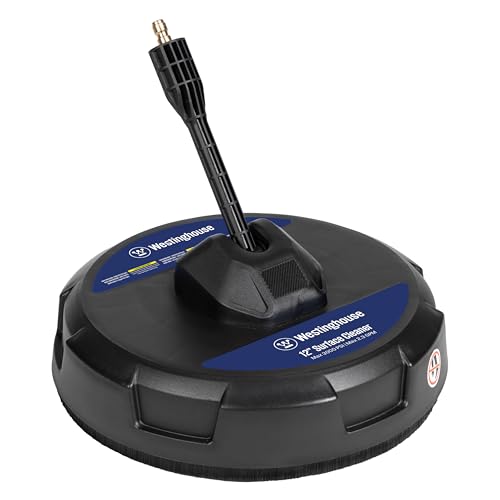
- ✓ Lightweight design
- ✓ Fast, even cleaning
- ✓ Universal quick-connect
- ✕ Not ideal for heavy gas-powered washers
- ✕ May struggle with deeply ingrained stains
| Max PSI | 3000 PSI |
| Flow Rate | 2.3 GPM |
| Cleaning Path Diameter | 12 inches |
| Weight (unit) | 2 pounds |
| Fitting Type | Universal 1/4 inch quick-connect |
| Compatibility | Suitable for most electric pressure washers; not intended for gas units |
You notice the Westinghouse PWSC12 the moment you set it down—a 12-inch surface cleaner that feels sturdy but surprisingly light. At just two pounds, it sits on the deck like a tiny, efficient robot, ready to tackle a drive with minimal shoulder drama.
The first pass across a chalky patio reveals a smooth, even sweep, thanks to the dual rotating jets that spin with a confident, steady bite.
Hooked up to an electric washer, you appreciate the universal ¼ inch quick-connect; it clicks in with a satisfying snap and doesn’t wiggle loose mid-clean. The wide 12-inch deck covers a broad swath, and you can feel the cleaner cutting your work time in half compared to dragging a wand back and forth.
The splash-free skirt does a solid job keeping spray off your ankles and nearby walls, which is a small but real win on a windy day.
The real test comes on stubborn driveway stains, where the two jets punch through grime without you having to re-angle constantly. You notice how the footprint remains compact enough to squeeze along edges and into tighter corners, like the corners near the garage or along fence lines.
Vertical use on a fence or wall is doable too, given the light weight and straightforward maneuvering.
Sometimes you wish for a touch more control on deeply embedded marks, but the balance between speed and gentleness on delicate surfaces feels right for most slabs. Overall, it’s a practical, no-fuss tool that elevates a standard clean into something quicker and more even.
If you’re tidying up a patio, deck, or garage floor on a regular basis, this is the kind of accessory you’ll actually reach for.
PowerWahser Electric Pressure Washer 5000 PSI with 4 Nozzles

- ✓ Strong performance
- ✓ Easy setup
- ✓ Versatile nozzles
- ✕ Louder than some
- ✕ Heavier to move
| Max PSI | 5000 PSI |
| Pressure Adjustment Range | 2,500–5,000 PSI (adjustable within range) |
| Nozzle Tips Included | 0°, 15°, 25°, 40° (4 universal quick-connect tips) |
| Foam Cannon Capacity | 500 ml foam cannon |
| Power Cord Length | 20 ft |
| Safety and Shutdown Features | Total Stop System (auto shutoff when not spraying) and built-in GFCI protection |
You might think a 5000 PSI machine is a toy for pro pros, but this PowerWahser surprised me with practical, real-world use. I started by swapping in the 0° and feeling that bite of concentrated spray up close.
It’s loud enough to remind you it’s serious, but the built-in GFCI canceled any nerves about wet-area use.
The build feels sturdy, and the 20-foot cord gives you room to work without dragging the unit around. I appreciated the quick-connect setup for the wand and the foam cannon, which made car washing feel almost domesticated rather than a slog.
The surface cleaner compatibility was a real timesaver on sidewalks, letting the spray stay flat rather than splashy.
I tested the adjustable pressure by starting low and creeping up as I felt the surface give. It’s smart to begin with a gentler setting on painted wood and screens, and then dial up for concrete or stubborn grime.
The 4 nozzle tips cover most jobs without needing a separate accessory haul. The Total Stop System actually paused between switches, which calmed my nerves about accidental sprays.
For car washing, the foam cannon produced a rich suds layer that rinsed thoroughly with moderate pressure. The 15° and 25° tips felt like a natural progression for rougher textures, while the 40° tip was perfect for delicate windows and screens.
The safety lock on the spray gun is a nice touch, reducing the chance of misfires in a cluttered garage.
Overall, it delivers on versatility and ease of use, with enough power to tackle tough jobs and enough care features to keep daily chores manageable.
Pressure Washer, Power Washer 4 Quick Connect Nozzles 1

- ✓ Easy to move
- ✓ Versatile nozzle set
- ✓ Quick setup
- ✕ Short hose length
- ✕ Lightweight plastic feel
| Max Water Flow | 2.5 GPM |
| Nozzle Types | 0°, 15°, 25°, 40° spray nozzles |
| Accessory Included | Foam cannon |
| Mobility Design | Dual-roller with anti-tipping base |
| Cable/Accessory Storage | 34.5 ft power cord hook + nozzle holder |
| Recommended Use Notes | Inlet and high-pressure hose air exhaust required before startup |
The first time I unboxed this LWQ pressure washer, the compact footprint surprised me. It felt sturdy in my hands, with a thoughtful setup already in place for the hose and cord.
By the second day, the dual-roller stand clicked in my head as the real win I’d been hoping for.
Moving it around the driveway was smoother than I expected, thanks to the two big rollers. The anti-tipping base is a small detail that makes a big difference when you’re juggling wand, foam cannon, and spray nozzles.
It felt stable enough to park on a sloped patch without the unit wobbling.
As I attached the four quick-connect nozzles, the versatility became obvious. The 0°, 15°, 25°, and 40° tips cover everything from stubborn driveway grime to delicate patio furniture.
The foam cannon is a nice touch for cars and bikes, letting you dial in suds without overwatering the surface.
Performance impressed me in practical terms. It delivers up to 2.5 GPM, which means faster cleaning with less run time.
I appreciated the faucet/bucket water option for spots without a ready water source, which saved me from hauling hoses around the yard.
A few real-world tips helped me get the most out of it. Before powering on, I exhausted air from the hoses—super quick, and the spray came out strong on the first pull.
The compact size makes storing behind a garage door simple, and the cord hook kept the 34.5-foot cord from tangling.
All told, this LWQ model nails the “easy to use, versatile, and efficient” brief without asking you to compromise on storage or setup.
Greenworks Electric Pressure Washer, 1900 PSI Max, 1.2 GPM

- ✓ Lightweight and easy
- ✓ Quick nozzle changes
- ✓ Quiet operation
- ✕ Limited heavy grime power
- ✕ Shorter hose reach
| Max PSI | 1900 PSI (max) |
| Flow Rate | 1.2 GPM |
| Power Type | Electric |
| Cord Length and Safety | 35 ft power cord with integrated GFCI |
| Included Accessories | Pressure washer gun, 25° nozzle, 40° nozzle, turbo nozzle, soap applicator, 20 ft hose, 1/4″ quick-connect |
| Warranty | 3-year limited warranty |
You lift the Greenworks 1900 PSI pressure washer and notice the compact, matte-green body that sits light in your hands, no heavy fumes, just a clean plug-and-play vibe. The push-button start feels oddly satisfying, and the 35-foot cord with built-in GFCI makes you think, “this is simple safety for DIY Sundays.”
First spray, you swap the 25-degree nozzle and realize the balance is surprisingly stable on a home-table setup. The nozzle changes click with a quick twist, no wrenches required, and the 20-foot hose tucks away neatly without tangling.
It’s the kind of tool where the light weight actually helps you reach under a patio chair or around a car’s wheel wells without tugging you down.
You’ll find the 1.2 GPM flow is gentle enough for cars and bikes, yet still effective on decks and outdoor furniture. The included turbo nozzle kicks things up for stubborn grime, but you mostly reach for the 40-degree for everyday scrubbing to avoid streaks.
Detergent application from the soap nozzle makes soap-and-suds routines feel more like a cleaning ritual than a chore.
Build quality feels sturdy for its price point, and the three-year warranty gives you peace of mind for routine maintenance. Storage is painless: every nozzle and wand has a home, which means less rummaging when you’re mid-project.
You notice the unit gets pleasantly quiet compared to older gas models, which makes weekend projects less annoying for neighbors.
If you’re balancing budget, practicality, and ease of use, this Greenworks model hits the sweet spot for light-duty tasks, from car detailing to patio refreshes. It’s the kind of tool you’ll reach for when you want clean results without the heavy lifting.
What Types of Pressure Washers Are Available?
The best kinds of pressure washers available can be categorized into different types based on their power source and intended use.
- Electric Pressure Washers: These are ideal for light to moderate cleaning tasks such as washing cars, patios, and garden furniture.
- Gas Pressure Washers: More powerful than electric models, gas pressure washers are suitable for heavy-duty tasks like cleaning driveways, decks, and large areas.
- Commercial Pressure Washers: Designed for professional use, these machines offer high power and durability for frequent use in various applications, including industrial cleaning.
- Hot Water Pressure Washers: Utilizing heated water, these washers are effective for removing grease and oil stains, often used in automotive and food service industries.
- Cold Water Pressure Washers: These are the most common type and are suitable for a wide range of cleaning tasks, typically more affordable and easier to maintain.
Electric pressure washers are powered by electricity, making them quieter and more environmentally friendly. They are perfect for small to medium jobs where mobility is not a concern, as they usually have less power than gas models.
Gas pressure washers run on gasoline, providing higher pressure levels and greater mobility since they do not require a power outlet. They are often preferred for outdoor projects and larger cleaning tasks due to their ability to handle tougher jobs.
Commercial pressure washers are built to withstand rigorous use, featuring robust components that allow them to operate for extended periods. They are often equipped with advanced features and higher pressure ratings to meet the demands of professionals.
Hot water pressure washers are particularly effective for cleaning greasy surfaces, as the hot water helps to break down tough grime. They are commonly used in industries where cleanliness is paramount, such as in restaurants or automotive shops.
Cold water pressure washers are versatile and suitable for general cleaning tasks. They are user-friendly and maintainable, making them a popular choice for homeowners and small businesses looking for efficient cleaning solutions.
How Do Electric and Gas Pressure Washers Differ in Performance?
The performance of electric and gas pressure washers differs in various ways, impacting their suitability for different tasks.
- Power Output: Electric pressure washers typically have lower PSI (pounds per square inch) ratings, usually ranging from 1300 to 2000 PSI, making them ideal for light to medium-duty tasks such as washing cars or cleaning patios. Gas pressure washers, on the other hand, can deliver much higher PSI outputs, often exceeding 3000 PSI, which allows them to tackle heavy-duty jobs like stripping paint or cleaning large surfaces quickly and efficiently.
- Portability: Electric pressure washers are generally lighter and more compact, making them easier to move around and store. Gas pressure washers are heavier due to their engines and larger water tanks, which can make them less convenient to transport, especially for users who need to move them frequently.
- Runtime: Electric pressure washers can run indefinitely as long as they are plugged in, allowing for extended use without interruption. Gas pressure washers require refueling, which can limit their runtime and require breaks for maintenance, although they can operate in locations without electrical outlets.
- Noise Levels: Electric pressure washers tend to operate more quietly, making them suitable for residential areas where noise might be a concern. In contrast, gas pressure washers produce more noise due to their combustion engines, which can be disruptive in quieter neighborhoods.
- Maintenance: Electric pressure washers require less maintenance since they do not have engines that need oil changes or fuel system upkeep. Gas pressure washers necessitate regular maintenance tasks, including oil changes, air filter replacements, and spark plug checks, which can increase the time and cost of ownership.
- Cost: Electric pressure washers are generally more affordable and can be a great entry-level option for homeowners. Gas pressure washers are often more expensive due to their higher power and durability but may provide better performance for professional or heavy-duty applications.
What Are the Benefits of Hot Water Pressure Washers Compared to Cold Water?
| Aspect | Hot Water Pressure Washer | Cold Water Pressure Washer |
|---|---|---|
| Temperature | Heats water up to 200°F, effective for grease and oil. | Uses water at ambient temperature, suitable for light cleaning. |
| Cleaning Efficiency | Cleans faster due to steam and thermal action. | Less effective on tough stains, requires more scrubbing. |
| Applications | Ideal for industrial and commercial tasks. | Best for residential or light-duty jobs. |
| Cost | Generally more expensive due to heating elements. | More affordable, lower initial investment. |
| Energy Efficiency | Typically less energy efficient due to heating requirements. | More energy efficient, lower operational costs. |
| Safety Features | May include safety features like thermal relief valves. | Generally has fewer safety features, simpler design. |
| Maintenance Requirements | Requires regular maintenance for heating elements. | Lower maintenance, easier to service. |
| Portability and Weight | Often heavier and less portable due to additional components. | Typically lighter and easier to maneuver. |
How Can You Choose the Right Pressure Washer for Your Needs?
Choosing the right pressure washer involves considering various factors that ensure it meets your specific cleaning needs.
- Electric Pressure Washers: These are ideal for light to medium tasks such as washing cars or cleaning patios. They are generally quieter, more portable, and easier to maintain compared to gas models.
- Gas Pressure Washers: Best suited for heavy-duty jobs, gas pressure washers deliver higher pressure and water flow rates. They are perfect for tackling tough cleaning tasks like removing stubborn grime from driveways or stripping paint from surfaces.
- PSI and GPM Ratings: The pressure per square inch (PSI) indicates the force of the water, while gallons per minute (GPM) measures the flow rate. A higher PSI is essential for tougher surfaces, while a higher GPM helps in quicker cleaning, making a balance of both important for effective use.
- Portability and Storage: Consider the weight and design of the pressure washer, especially if you need to move it frequently. Some models come with wheels or compact designs that make them easier to store and transport.
- Accessories and Attachments: Look for models that come with various nozzles, brushes, and extensions. These accessories enhance versatility, allowing you to customize your cleaning tasks, from delicate surfaces to high-pressure applications.
- Budget Considerations: Determine your budget as pressure washers can vary significantly in price. Investing in a reliable model can save you money in the long run, especially if you plan to use it frequently for various cleaning tasks.
Which Factors Are Most Important When Selecting a Pressure Washer?
When selecting the best kind of pressure washer to have, several factors are crucial to consider for optimal performance and suitability for your needs.
- PSI (Pounds per Square Inch): This measures the pressure produced by the washer, indicating how powerful the water stream will be.
- GPM (Gallons per Minute): This represents the flow rate of water, affecting how quickly you can clean surfaces.
- Type of Pressure Washer: Options include electric and gas models, each with its own advantages and limitations.
- Nozzle Types: Different nozzles provide varying spray patterns and intensities, which can be important for specific cleaning tasks.
- Portability and Storage: Consider the size, weight, and design of the pressure washer for ease of movement and storage.
- Durability and Build Quality: A well-constructed pressure washer can withstand heavy use and last longer over time.
PSI (Pounds per Square Inch): The PSI rating indicates the force of the water stream produced by the pressure washer. Higher PSI ratings are typically better for tough cleaning tasks, such as removing paint or grime from concrete, while lower PSI models may be sufficient for lighter jobs like washing cars or decks.
GPM (Gallons per Minute): GPM is crucial because it determines how much water flows through the machine and, in turn, impacts cleaning efficiency. A higher GPM means you can clean larger areas faster, as more water is being used to rinse away dirt and debris.
Type of Pressure Washer: Electric pressure washers are generally quieter and more convenient for home use, while gas models tend to be more powerful and suitable for heavy-duty tasks. Your choice should depend on the level of cleaning required and the frequency of use.
Nozzle Types: Pressure washers come with various nozzles that create different spray patterns, such as wide spray for gentle cleaning or narrow spray for tougher stains. Selecting the right nozzle is essential for protecting surfaces while effectively cleaning them.
Portability and Storage: The design of the pressure washer can greatly affect how easy it is to transport and store. Models with wheels and compact designs are often easier to maneuver, while those with collapsible handles can save space when not in use.
Durability and Build Quality: Investing in a pressure washer made from quality materials ensures it can withstand regular use and harsh conditions. Look for features like reinforced hoses and sturdy frames to enhance longevity and reliability.
What Types of Cleaning Tasks Can Be Effectively Addressed by Pressure Washers?
The best types of cleaning tasks that can be effectively addressed by pressure washers include:
- Driveways and Sidewalks: Pressure washers are excellent for cleaning concrete and asphalt surfaces, removing oil stains, dirt, and grime that accumulate over time. They can restore the appearance of these areas, making them look as good as new.
- Decks and Patios: Wooden and composite decks benefit from pressure washing to remove mildew, algae, and dirt buildup. This not only enhances the aesthetic appeal but also prolongs the life of the materials by preventing rot and decay.
- Exterior Walls: Whether it’s siding, brick, or stucco, pressure washers can effectively clear away dirt, mold, and mildew from exterior walls. This task not only improves curb appeal but also helps maintain the integrity of the building materials.
- Vehicles: Cars, trucks, and boats can be cleaned thoroughly with the right pressure washer attachment, which helps to remove dirt, mud, and road salt without damaging the paint. This is particularly useful for detailing and maintaining the vehicle’s appearance.
- Fences: Wooden or vinyl fences can gather dirt and stains over time, and pressure washing can help restore their original color and shine. Regular cleaning helps prevent deterioration, keeping the fence looking fresh and new.
- Roofs: Pressure washers can be used to remove moss, algae, and debris from roofs, which can help extend the roof’s lifespan. However, caution is needed to avoid damaging shingles, so using the appropriate pressure settings and techniques is essential.
- Outdoor Furniture: Patio furniture, especially those made of plastic or metal, can be cleaned quickly and efficiently with a pressure washer. This helps to maintain a clean and inviting outdoor space for gatherings and relaxation.
- Swimming Pools: Pressure washers can clean pool decks and tiles, removing grime and algae that can accumulate. This enhances both safety and aesthetics, ensuring a pleasant environment for swimming.
What Key Features Should You Look for in a Pressure Washer?
When considering the best kind of pressure washer to have, there are several key features to evaluate:
- Pressure Rating (PSI): The pressure rating, measured in pounds per square inch (PSI), determines the cleaning power of the pressure washer. A higher PSI means the machine can remove tougher stains and dirt, making it suitable for a variety of surfaces, from patios to vehicles.
- Flow Rate (GPM): The flow rate, measured in gallons per minute (GPM), indicates how much water the pressure washer can deliver. A higher GPM allows for quicker cleaning as it removes grime more efficiently, especially on larger areas that require more water to rinse away debris.
- Power Source: Pressure washers can be electric or gas-powered, each having its advantages. Electric models are typically quieter, easier to maintain, and suitable for light to medium tasks, while gas-powered models offer more power and mobility for heavy-duty jobs.
- Nozzle Options: Different nozzles provide versatility in cleaning tasks, allowing you to adjust the spray pattern and intensity. Nozzle options such as 0-degree, 15-degree, 25-degree, and soap nozzles enable you to tackle various surfaces and types of dirt effectively.
- Portability: Consider the weight and design of the pressure washer, as portability can significantly affect usability. Features like wheels, a lightweight frame, and a compact design can make it easier to maneuver around your property.
- Durability and Build Quality: A pressure washer with a robust construction will ensure longevity and reliability. Look for models made from high-quality materials such as reinforced plastic or metal frames that can withstand frequent use and harsh conditions.
- Ease of Use: Features like adjustable pressure settings, easy-start engines, and ergonomic handles can enhance user experience. An intuitive design ensures that even beginners can operate the machine effectively without extensive training.
- Accessories and Attachments: Many pressure washers come with or offer optional accessories like surface cleaners, extension wands, and brushes. These attachments expand the functionality of the pressure washer, making it suitable for a wider range of cleaning tasks.
Why Is Knowing the PSI Important When Choosing a Pressure Washer?
Knowing the PSI (pounds per square inch) is crucial when choosing a pressure washer because it directly affects the cleaning power and effectiveness of the machine for various tasks.
According to a study by the American Cleaning Institute, the PSI rating indicates the amount of pressure a pressure washer can deliver, which is essential for determining how well it can remove dirt, mildew, and stains from surfaces (American Cleaning Institute, 2022). Higher PSI ratings are typically more effective for tougher jobs, such as stripping paint or cleaning concrete, while lower PSI models are suitable for gentle cleaning tasks.
The underlying mechanism here involves the relationship between pressure and water flow. Higher PSI means that water is expelled with greater force, which allows it to penetrate deeper into surfaces and dislodge debris more effectively. Additionally, the volume of water (measured in GPM or gallons per minute) that accompanies the PSI also plays a role—more water flow can enhance the cleaning process by rinsing away dirt and soap more efficiently. Therefore, understanding PSI helps consumers select the right pressure washer that matches their specific cleaning needs, ensuring optimal performance and preventing potential damage to surfaces.
How Does GPM Impact the Effectiveness of a Pressure Washer?
The gallons per minute (GPM) rating is crucial in determining the effectiveness of a pressure washer, influencing its cleaning power and efficiency.
- Higher GPM for Faster Cleaning: A pressure washer with a higher GPM rating can clean surfaces more quickly than one with a lower rating. This is because more water is being expelled per minute, allowing for quicker rinsing and removal of dirt and grime.
- Impact on Surface Cleaning: GPM affects the pressure washer’s ability to tackle different surfaces. For instance, a higher GPM is beneficial for cleaning large areas like driveways and decks, while a lower GPM might be more suitable for delicate surfaces such as cars or windows.
- Complementing PSI: GPM works in tandem with pounds per square inch (PSI) to determine overall cleaning power. A pressure washer with both high GPM and PSI will typically be the best kind of pressure washer to have, as it combines high water flow with strong pressure for effective cleaning.
- Efficiency and Water Usage: While higher GPM can lead to faster results, it also means more water usage. It’s important to balance the need for speed with water conservation, making it essential to choose a model that fits your cleaning needs without excessive water waste.
- Versatility for Various Tasks: A pressure washer with adjustable GPM settings can provide versatility for different cleaning tasks. This feature allows users to optimize water flow based on the specific job, whether they are rinsing off a patio or tackling tougher stains on concrete.
What Are the Leading Brands of Pressure Washers and Their Characteristics?
The leading brands of pressure washers include several well-regarded names, each offering unique features and capabilities.
- Sun Joe: Known for its affordability and lightweight design, Sun Joe offers electric pressure washers that are perfect for light to moderate cleaning tasks.
- Generac: Generac is recognized for its powerful gas pressure washers, ideal for heavy-duty jobs, providing high PSI ratings and durability for professional cleaning.
- Ryobi: Ryobi’s electric pressure washers are user-friendly and designed with convenient features such as onboard storage and a variety of nozzles, making them suitable for home use.
- Honda: Honda pressure washers are celebrated for their reliability and robust engines, often featuring high-performance capabilities that cater to industrial cleaning needs.
- Craftsman: Craftsman offers a range of versatile pressure washers with a focus on ease of use and maintenance, making them a solid choice for DIY enthusiasts.
- DeWalt: DeWalt combines innovation with heavy-duty construction in their pressure washers, often including features like adjustable pressure settings and large wheels for mobility.
- Karcher: Karcher is a leader in the pressure washer market, known for its advanced technology and a wide variety of models that cater to both residential and commercial applications.
Sun Joe’s electric models are particularly appealing for homeowners looking to tackle tasks such as cleaning patios, cars, and garden furniture, thanks to their ease of use and lower noise levels compared to gas models.
Generac’s gas-powered units stand out for their high performance, often exceeding 3000 PSI, making them suitable for removing tough stains from driveways and siding.
Ryobi’s electric pressure washers are designed with the everyday user in mind, featuring lightweight designs and practical attributes such as integrated detergent tanks and multiple spray settings.
Honda pressure washers are equipped with their renowned engines, providing reliable power and longevity, making them a preferred choice for contractors and regular users who need dependable performance.
Craftsman offers a balance of performance and price, with models that are easy to assemble and operate, perfect for those who want to handle home projects without a steep learning curve.
DeWalt’s pressure washers are engineered for heavy-duty tasks, often featuring robust frames and high-torque engines, ideal for commercial users or serious DIYers.
Karcher’s reputation is built on innovation, with features like their patented Dirtblaster nozzle that increases cleaning efficiency, making them suitable for both light home tasks and more demanding cleaning jobs.
Which Brands Are Renowned for Durability and Performance?
The best kinds of pressure washers known for durability and performance include the following brands:
- Honda: Renowned for their reliable engines, Honda pressure washers are built to last and perform exceptionally well under heavy use.
- Simpson: Simpson pressure washers are recognized for their robust construction and high-performance pumps, making them suitable for both residential and commercial cleaning tasks.
- Karcher: Karcher is a leading brand in the pressure washer market, known for innovative designs and effective cleaning solutions tailored for various applications.
- Generac: Generac pressure washers are built with powerful engines and durable components, providing excellent performance for demanding cleaning jobs.
- Sun Joe: Sun Joe pressure washers are popular for their lightweight design and efficiency, making them ideal for homeowners looking for a reliable and easy-to-use option.
Honda pressure washers are favored for their long-lasting engines and high-quality construction, ensuring that they can withstand rigorous tasks without compromising performance. Users appreciate the reliability and ease of maintenance that comes with Honda’s reputation.
Simpson pressure washers feature heavy-duty frames and commercial-grade pumps, making them particularly effective for large-scale cleaning operations. Their combination of power and durability makes them a top choice for users who require a machine that can handle tough cleaning challenges.
Karcher stands out for its innovative features and ergonomic designs, focusing on user-friendliness while delivering exceptional cleaning results. Their range of models caters to different needs, from light residential use to more demanding commercial applications.
Generac pressure washers are built with powerful engines that provide consistent water pressure, making them effective for various cleaning tasks. Their emphasis on durability and performance means they are often used in professional settings where reliability is critical.
Sun Joe pressure washers are designed with the average homeowner in mind, offering a balance of portability and power. They are user-friendly, making them accessible for those who may not have extensive experience with pressure washing equipment.
What Are Typical Price Ranges for Quality Pressure Washers?
The typical price ranges for quality pressure washers vary based on their type and features.
- Electric Pressure Washers: Typically range from $100 to $300 and are ideal for light to medium-duty cleaning tasks.
- Gas Pressure Washers: Generally priced between $300 and $800, they offer more power and are suitable for heavy-duty jobs.
- Commercial Pressure Washers: These can range from $800 to over $3,000, designed for professional use with high durability and performance.
- Hot Water Pressure Washers: Priced between $1,500 and $5,000, these are specialized machines used for tough cleaning applications in commercial settings.
Electric pressure washers are best for homeowners looking to clean patios, cars, or garden furniture, providing sufficient power without the maintenance of gas models. They are lightweight and quieter, making them user-friendly for occasional cleaning tasks.
Gas pressure washers are more powerful, capable of delivering higher pressure and flow rates, making them suitable for tasks like stripping paint or cleaning driveways. These machines require more maintenance but are preferred for their mobility and ability to work without an electrical outlet.
Commercial pressure washers are built to withstand continuous use and often feature robust engines and high-capacity water tanks. They are designed for cleaning large areas quickly and effectively, making them a perfect choice for contractors and businesses.
Hot water pressure washers are particularly effective for removing grease and grime, as the heated water enhances cleaning efficiency. These units are commonly used in industries such as automotive, food service, and manufacturing, where tough cleaning is essential.
How Can You Maintain Your Pressure Washer for Long-Term Use?
Maintaining your pressure washer is essential for ensuring its longevity and optimal performance.
- Regular Cleaning: Keeping the exterior and components of your pressure washer clean helps prevent dirt buildup and corrosion. After each use, rinse off any debris from the nozzle and check for clogs in the filters to maintain smooth operation.
- Oil Changes: Just like any engine, your pressure washer requires regular oil changes to function efficiently. Following the manufacturer’s recommendations for oil type and change intervals will help keep the engine running smoothly and prevent overheating.
- Winterizing: If you live in a colder climate, it’s crucial to winterize your pressure washer to prevent freezing damage. This involves running antifreeze through the system and storing it in a warm area during the winter months.
- Inspecting Hoses and Connections: Regularly check hoses for wear and tear, as well as for leaks in connections. Replacing damaged hoses promptly is vital to avoid pressure loss and ensure safe operation.
- Storing Properly: Store your pressure washer in a dry, sheltered place to protect it from the elements. Use a cover to keep dust and moisture away, and ensure that it is placed on a flat surface to avoid tipping over.
What Routine Maintenance Is Required for Optimal Performance?
Regular maintenance is essential for ensuring the optimal performance of a pressure washer.
- Oil Change: Regularly changing the oil in your pressure washer is crucial for maintaining engine health. Dirty oil can lead to increased friction and wear, potentially causing engine failure, so it’s recommended to change the oil after every 50 hours of use or at least once a season.
- Filter Cleaning/Replacement: The air and fuel filters should be checked regularly for dirt and debris. A clogged filter can restrict airflow or fuel flow, leading to decreased performance; clean air filters should be inspected and replaced according to the manufacturer’s guidelines.
- Hose Inspection: Inspecting the pressure washer hose for cracks or leaks is vital to prevent water loss and ensure effective cleaning. A damaged hose can lead to reduced pressure and performance, so any signs of wear should prompt immediate replacement.
- Nozzle Cleaning: Keeping the nozzles clean is important for maintaining the pressure output. Clogged nozzles can restrict water flow and affect spray patterns, so they should be cleaned after each use and replaced if they show signs of damage.
- Fuel System Maintenance: For gas-powered models, ensuring the fuel system is in good condition is essential. Old fuel can lead to starting issues and engine performance problems; it’s best to use fresh fuel and add a fuel stabilizer to prevent degradation.
- Pump Maintenance: The pump is the heart of the pressure washer and requires regular checks for leaks and proper operation. It should be flushed with fresh water after every use to prevent damage from leftover detergent or debris, and the pump oil must be checked and changed as per the manufacturer’s instructions.
- Storage Practices: Proper storage is critical to prevent damage during off-seasons. The pressure washer should be drained of water and fuel if not used for an extended period, and stored in a dry, sheltered environment to avoid rust and other weather-related damage.
How Can Common Problems with Pressure Washers Be Diagnosed and Fixed?
Common problems with pressure washers can often be diagnosed and resolved through a systematic approach.
- Loss of Pressure: This issue can arise from various causes, such as clogged nozzles or hoses, worn-out seals, or improper settings on the machine. To fix it, check for obstructions in the nozzle and hoses, replace any damaged seals, and ensure the pressure settings are correctly adjusted according to the manufacturer’s guidelines.
- Engine Won’t Start: If the engine fails to start, it might be due to fuel issues, low oil levels, or a dead battery in electric models. Start by inspecting the fuel level and quality, ensuring there’s adequate oil, and checking the battery connections if applicable. Regular maintenance can help prevent this issue from occurring.
- Water Leaks: Leaks can occur from damaged hoses, loose connections, or worn-out seals. To address this, inspect all hoses and connections for wear and tear, tighten any loose fittings, and replace seals as needed to ensure a tight seal that prevents water from escaping.
- Unusual Noises: Unusual sounds from the pressure washer, such as grinding or rattling, can indicate mechanical issues, such as a loose part or a failing pump. It’s important to stop using the machine immediately and inspect for any loose components or signs of damage that may need professional attention.
- Overheating: Overheating can occur when the pressure washer is used for extended periods or if the water supply is inadequate. To avoid this, ensure that the machine has sufficient water flow and take breaks during long cleaning sessions to allow the unit to cool down. If overheating persists, consult the manufacturer’s recommendations for operation times and maintenance.
- Soap Not Dispensing: If the soap is not being dispensed properly, it may be due to a clogged soap injector or incorrect detergent settings. Check the injector for blockages and ensure that the soap setting is activated on the machine. Using the correct type of detergent can also help improve soap dispensing performance.