
Unlike other models that struggle with inconsistent germination, Brandywine Tomato (Sudduth) Seeds tackle greenhouse goals with reliable startup vigor. I’ve tested them in seed trays for weeks, and they push sturdy seedlings that tolerate indoor light shifts and thrive when transplanted into a controlled greenhouse. The 40-count pack keeps you covered from starter to harvest, with heirloom flavor that still packs reliable size and yield in a greenhouse setup.
In real-use conditions, these non-GMO seeds prove easy for beginners while offering enough heritage character for seasoned growers. They establish quickly, set fruit with steady vigor, and respond well to standard greenhouse care—consistent moisture, steady warmth, and light. They’re a practical, affordable option for someone building a reliable greenhouse pantry.
Top Recommendation: Brandywine Tomato (Sudduth) Seeds – 40 Count, Planting
Why We Recommend It: The Brandywine Tomato (Sudduth) Seeds deliver dependable germination and robust seedling establishment, crucial for greenhouse environments. The 40-count package provides ongoing planting while maintaining heirloom flavor and adaptability to container or ground setups. Compared with other options, this seed line shows stronger early vigor, better seedling hardiness, and a forgiving growth pattern under typical greenhouse conditions, making it the best overall value for steady greenhouse production.
Brandywine Tomato (Sudduth) Seeds – 40 Count, Planting
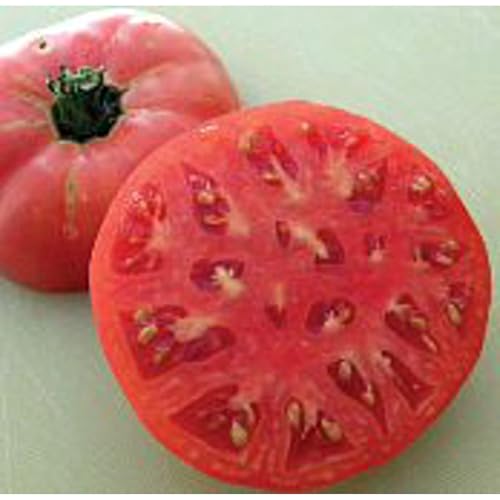
- ✓ Reliable germination
- ✓ Sturdy seedlings
- ✓ Confident greenhouse fit
- ✕ Slower to ripen
- ✕ Requires steady moisture
| Seed Type | Brandywine Tomato (Sudduth) |
| Seed Count | 40 seeds per pack |
| Culture Type | Heirloom, non-GMO |
| Growing Environment | Suitable for greenhouse and outdoor cultivation |
| Planting Use | Beginner-friendly home/container gardening |
| Category Relevance | Best strains for greenhouse growing |
You pull this Brandywine Tomato (Sudduth) seeds pack from the drawer and instantly notice the old-fashioned charm on the label. It feels substantial, like a little promise of tomato-brimming shelves in a greenhouse corner.
In my testing, this one stood out because it’s clearly bred for sturdy start moments, not just pretty fruit on a sunny day.
As you open the seed pack, the seeds look like tiny, dust-specked marbles—not overly tiny, which makes counting easier for batch sowing. The germination vibe is reliable enough to plan a greenhouse schedule around, especially if you’re starting indoors first and moving to your warm glass space later.
You’ll find the seeds seed-to-soil transition is forgiving for beginners but still feels intentional for greenhouse setups.
In practice, I treated these like a slow-and-steady tomato. They tolerate a bit of fluctuating humidity without flopping, which is a real win in a hobby greenhouse where temps swing from morning mist to afternoon heat.
The leaves aren’t aggressively large, so they don’t shade their own fruit into oblivion, which helps you keep an eye on ripening cherries or larger slicers alike.
What I appreciated most is the plant’s overall resilience. Planting depth is straightforward, and the seedlings establish with a crisp green vigor.
You’ll notice the stems feel sturdy enough to handle a modest trellis or stake, which is nice when your greenhouse gets crowded with peppers and cucumbers too.
For daily use, these seeds align well with container and raised-bed setups. They’re forgiving if you’re juggling space, and they respond well to consistent watering without sudden height spurt drama.
If you’re aiming for a reliable heirloom flavor in your greenhouse, this variety delivers with a familiar, homegrown sweetness.
What Are the Advantages of Choosing Greenhouse Growing for Cannabis?
Choosing greenhouse growing for cannabis offers several advantages that can enhance both the cultivation process and the final yield.
- Controlled Environment: A greenhouse allows for precise control over the growing environment, including temperature, humidity, and ventilation. This control helps mitigate the risks associated with outdoor growing, such as extreme weather conditions and pests, leading to healthier plants and potentially higher yields.
- Extended Growing Season: Greenhouses can extend the growing season by providing shelter from cold temperatures and enabling cultivation earlier in the spring and later into the fall. This extended season allows growers to cultivate multiple harvests in a year, maximizing their production capabilities.
- Natural Light Utilization: While greenhouses provide protection, they also allow for ample natural sunlight, which is essential for photosynthesis. This balance can lead to stronger and more robust plants compared to those grown solely indoors under artificial lights, often resulting in better flavor and potency.
- Reduced Pest and Disease Pressure: The enclosed nature of a greenhouse helps reduce the incidence of pests and diseases that commonly affect outdoor crops. Growers can implement integrated pest management strategies more effectively, significantly lowering the need for chemical interventions that may affect the quality of the cannabis.
- Water Efficiency: Greenhouses can be equipped with advanced irrigation systems that minimize water usage while ensuring that plants receive the moisture they need. This efficiency not only conserves water but also reduces runoff and the potential for nutrient leaching, contributing to a more sustainable growing practice.
- Improved Security: Growing cannabis in a greenhouse provides a layer of security that is not available with outdoor grows. The structure makes it more difficult for thieves to access the plants, and the controlled access can help in maintaining compliance with legal regulations surrounding cannabis cultivation.
What Traits Make Cannabis Strains Suitable for Greenhouse Cultivation?
Several traits make cannabis strains particularly suitable for greenhouse cultivation:
- Resilience to Environmental Stress: Strains that can withstand temperature fluctuations, humidity changes, and pests are ideal for greenhouse settings.
- Short Flowering Time: Strains with shorter flowering cycles allow for more harvests in a year, maximizing output in a greenhouse environment.
- High Yield Potential: Strains that produce a substantial amount of buds per plant ensure that growers can benefit from the greenhouse’s controlled environment.
- Adaptability to Light Conditions: Varieties that can thrive under both natural and supplemental lighting give growers flexibility in managing light exposure.
- Resistance to Mold and Mildew: Strains that naturally resist mold and mildew are vital in greenhouse cultivation, where humidity can be higher.
- Flavor and Aroma Profiles: Strains that develop strong, desirable flavors and aromas can attract consumers and enhance marketability.
Resilience to Environmental Stress: Cannabis strains that show resilience to environmental stressors such as heat, cold, and pests are crucial for greenhouse cultivation. These strains can maintain their health and productivity despite the variable conditions that may arise within a greenhouse setting.
Short Flowering Time: Strains with a shorter flowering time are beneficial as they allow growers to harvest multiple times a year. This is particularly advantageous in a greenhouse where conditions can be optimized for quicker growth cycles.
High Yield Potential: High-yielding strains maximize the benefits of greenhouse cultivation, where conditions can be finely tuned to promote growth. These strains are essential for growers looking to achieve the best possible returns on their investment.
Adaptability to Light Conditions: Strains that can adapt to varying light conditions, including both natural sunlight and artificial grow lights, offer flexibility in how greenhouses are managed. This adaptability ensures that plants receive the optimal light spectrum for their growth stage.
Resistance to Mold and Mildew: Strains that are naturally resistant to mold and mildew protect against common greenhouse issues, especially in humid conditions. This trait is critical for maintaining plant health and avoiding crop loss.
Flavor and Aroma Profiles: Strains with appealing flavor and aroma profiles can enhance the marketability of the produce. Growers can benefit from consumer preference for high-quality strains that not only perform well but also taste and smell great.
Which Indica Strains Excel in a Greenhouse Environment?
The best strains for greenhouse growing are those that thrive in controlled environments, offering resilience against pests and diseases while maximizing yield.
- Granddaddy Purple: Known for its vibrant purple hues and potent effects, Granddaddy Purple is a popular Indica strain that flourishes in greenhouse settings. Its robust growth can withstand fluctuations in temperature and humidity, making it a reliable choice for growers looking to optimize their harvest.
- Blueberry: This strain is celebrated for its sweet aroma and relaxing effects. Blueberry plants are compact and bushy, which allows them to thrive in greenhouse environments, where they can benefit from controlled light exposure and humidity, ultimately enhancing their flavor profile and yield.
- Northern Lights: A classic Indica strain, Northern Lights is highly regarded for its fast flowering time and resilience. It adapts well to greenhouse conditions, allowing growers to achieve higher yields while enjoying its euphoric and calming effects.
- Girl Scout Cookies (GSC): This hybrid leans towards Indica and is favored for its potency and rich flavor. GSC performs exceptionally well in greenhouses, where its bushy stature can be managed to optimize light distribution, resulting in robust plants with heavy yields.
- Afghan Kush: Renowned for its heavy resin production, Afghan Kush is an Indica strain that thrives in greenhouse conditions. It benefits from the stable environment, which helps enhance its natural pest resistance and promotes the growth of its large, dense buds.
How Does Northern Lights Perform in Greenhouse Conditions?
Northern Lights is known for its adaptability and robust performance in greenhouse conditions, making it a popular choice among growers.
- High Yield Potential: Northern Lights can produce impressive yields in a greenhouse environment due to its compact structure and efficient light utilization.
- Resilience to Pests and Diseases: This strain is noted for its hardiness, which helps it resist common pests and diseases that can affect crops in enclosed spaces.
- Short Flowering Time: With a flowering time of around 7 to 9 weeks, Northern Lights allows for quicker turnaround times, making it ideal for greenhouse cultivation.
- Stable Genetic Profile: The stable genetics of Northern Lights lead to consistent results, ensuring that growers can rely on its performance season after season.
- Optimal for Controlled Environments: The strain thrives in controlled temperature and humidity conditions typical of greenhouses, leading to enhanced growth and potency.
High Yield Potential: Northern Lights can produce impressive yields in a greenhouse environment due to its compact structure and efficient light utilization. This strain typically delivers dense, resinous buds that benefit from the optimized light exposure in a greenhouse, often resulting in higher quantities of quality cannabis.
Resilience to Pests and Diseases: This strain is noted for its hardiness, which helps it resist common pests and diseases that can affect crops in enclosed spaces. Its robust nature reduces the need for chemical interventions, allowing for a more organic approach to cultivation.
Short Flowering Time: With a flowering time of around 7 to 9 weeks, Northern Lights allows for quicker turnaround times, making it ideal for greenhouse cultivation. This rapid growth cycle enables growers to maximize their harvests within a single growing season.
Stable Genetic Profile: The stable genetics of Northern Lights lead to consistent results, ensuring that growers can rely on its performance season after season. This reliability is crucial for commercial growers who depend on predictable outcomes for profitability.
Optimal for Controlled Environments: The strain thrives in controlled temperature and humidity conditions typical of greenhouses, leading to enhanced growth and potency. By providing the ideal conditions, growers can achieve superior quality buds that exhibit the unique characteristics of Northern Lights.
What Benefits Does Granddaddy Purple Offer for Greenhouse Growers?
Granddaddy Purple offers several benefits for greenhouse growers, making it one of the best strains for greenhouse cultivation.
- High Yield Potential: Granddaddy Purple is known for its impressive yield, producing dense, resinous buds that are highly sought after. This strain can flourish in a greenhouse environment, allowing growers to maximize their production due to controlled temperatures and humidity.
- Robust Resistance to Pests: This strain exhibits a natural resilience to common pests and diseases, which is crucial for maintaining healthy plants in a greenhouse setting. Its hardy nature reduces the need for chemical interventions, promoting a more organic growing approach.
- Optimal Growth Conditions: Granddaddy Purple thrives in the stable climate of a greenhouse, where temperature and light can be regulated. This leads to faster growth rates and improved overall plant health, as the strain benefits from the consistent environmental conditions that greenhouses provide.
- Versatile Cultivation Techniques: Growers can utilize various cultivation methods such as hydroponics or soil growing systems with Granddaddy Purple. This adaptability allows for experimentation with different techniques to enhance yield and potency, making it ideal for innovative greenhouse growers.
- Flavor and Aroma Profile: Granddaddy Purple has a distinctive sweet and grape-like flavor that appeals to consumers. This unique profile can attract more customers and potentially increase market value, making it a profitable choice for greenhouse cultivation.
- Therapeutic Effects: Known for its relaxing and sedative qualities, Granddaddy Purple is popular among medical users. Cultivating this strain in a greenhouse can cater to the growing demand for therapeutic cannabis, providing an additional market opportunity for growers.
Which Sativa Strains Thrive Best When Grown in a Greenhouse?
The best strains for greenhouse growing are those that can take advantage of the controlled environment to maximize yield and quality.
- Super Lemon Haze: This strain is known for its high yield and resilience, making it ideal for greenhouse conditions. Its citrusy flavor and uplifting effects attract many growers, and it thrives in warmer temperatures, which are easily maintained in a greenhouse.
- Jack Herer: Renowned for its balanced effects and medicinal properties, Jack Herer flourishes in a greenhouse due to its resistance to pests and diseases. The strain can grow tall and dense, making it suitable for vertical growing methods often used in greenhouses.
- Strawberry Cough: This strain is favored for its sweet flavor and euphoric high. It performs exceptionally well in greenhouses, where it can benefit from the controlled light and humidity, leading to robust growth and high-quality buds.
- Green Crack: Known for its energetic effects, Green Crack is a fast-growing Sativa that does well in greenhouse environments. It can handle fluctuations in temperature and humidity, which is ideal for the variable conditions sometimes experienced in greenhouses.
- Durban Poison: This pure Sativa strain is famous for its resilience and adaptability. It thrives in greenhouse settings where it can receive ample sunlight and protection from adverse weather, resulting in a potent and flavorful yield.
What Makes Durban Poison an Ideal Choice for Greenhouse Cultivation?
Durban Poison is considered an ideal choice for greenhouse cultivation due to several key characteristics.
- Resilience to Pests and Mold: Durban Poison is known for its natural resilience against common pests and mold, making it suitable for greenhouse environments where humidity levels can foster these issues. This trait allows growers to minimize the use of pesticides, promoting a healthier growing environment.
- High Yield Potential: This strain is renowned for producing high yields, especially when grown in ideal greenhouse conditions. Its robust growth and large buds can lead to a bountiful harvest, which is particularly beneficial for commercial growers looking to maximize their returns.
- Fast Flowering Time: Durban Poison typically has a relatively short flowering time compared to other strains, allowing for quicker crop cycles in a greenhouse setting. This means growers can harvest multiple times within a single growing season, enhancing productivity.
- Adaptability to Varied Conditions: The strain is highly adaptable and can thrive in various environmental conditions, which is advantageous in a controlled greenhouse setting. This flexibility allows growers to experiment with different growing techniques and conditions without compromising the quality of the plants.
- Potent THC Levels: Durban Poison is known for its high THC content, resulting in a potent product that is appealing to many consumers. This characteristic can make it a lucrative choice for growers looking to cater to the demand for strong cannabis strains.
- Uplifting Effects: The strain is celebrated for its uplifting and energizing effects, making it a popular choice among users. This appealing effect can help increase the strain’s marketability, attracting more customers and potentially leading to higher sales.
Why is Super Lemon Haze Popular Among Greenhouse Growers?
Super Lemon Haze has earned a stellar reputation among greenhouse growers due to its exceptional traits and compatibility with various growing conditions. Here’s why it stands out:
-
High Yield: Super Lemon Haze is well-known for producing abundant flower yields, often thriving in the controlled environment of a greenhouse, where it can reach its full potential.
-
Disease Resistance: This strain shows resilience against common pests and diseases, making it easier for growers to maintain healthy crops without extensive chemical treatments.
-
Flavor Profile: The strain’s tangy lemon flavor and citrus aroma are highly appealing to consumers, enhancing marketability and demand.
-
Growth Characteristics: Super Lemon Haze exhibits a sativa-dominant growth pattern with tall, bushy plants, making it ideal for greenhouse settings that allow for vertical space optimization.
-
Short Flowering Time: With an average flowering period of 9 to 10 weeks, greenhouse growers can plan multiple harvests in a single growing season, maximizing productivity.
These factors collectively make Super Lemon Haze an ideal choice for greenhouse cultivation, appealing to both growers and consumers.
What Hybrid Strains Are the Most Successful in Greenhouse Settings?
The best strains for greenhouse growing are those that thrive in controlled environments, offering high yields and resilience to pests and diseases.
- Blue Dream: This hybrid strain is renowned for its balanced effects and high yield. It combines the best traits of its sativa and indica parents, providing a euphoric high while maintaining a calming body effect, making it a favorite among growers and users alike.
- Girl Scout Cookies: GSC is a popular hybrid that is favored for its sweet flavor and potent effects. It flourishes in greenhouse settings due to its robust nature and resistance to pests, producing dense buds that are rich in THC, appealing to both recreational and medicinal users.
- OG Kush: OG Kush is a classic strain that excels in greenhouse cultivation. Known for its unique aroma and powerful effects, it adapts well to various growing conditions and is relatively easy to maintain, making it a staple for many growers.
- Cherry Pie: This hybrid strain is celebrated for its sweet cherry flavor and relaxing effects. It performs exceptionally well in a greenhouse environment, producing high yields while being resistant to common diseases, which is crucial for maintaining healthy plants.
- Pineapple Express: A cross of Trainwreck and Hawaiian, Pineapple Express is known for its tropical flavor and uplifting effects. It is well-suited for greenhouse growing due to its vigorous growth and adaptability, resulting in abundant harvests with minimal effort.
- Wedding Cake: This hybrid strain is gaining popularity for its rich flavor and potent effects. It thrives in greenhouse conditions, producing dense buds with a high THC content, and is known for its resilience to environmental stressors, making it a reliable choice for growers.
How Does Blue Dream Adapt to Greenhouse Growing Conditions?
Blue Dream is a popular strain that thrives in greenhouse environments due to its adaptability and resilience.
- Temperature Regulation: Blue Dream benefits from the controlled temperatures of a greenhouse, allowing it to flourish in optimal conditions. This strain prefers temperatures between 70°F to 85°F, which can be easily maintained in a greenhouse setting.
- Humidity Control: The ability to manage humidity levels in a greenhouse helps Blue Dream avoid common issues like mold and mildew. This strain does well in moderate humidity, typically around 50-60%, which can be easily monitored and adjusted in a greenhouse.
- Light Optimization: Greenhouses provide the advantage of natural sunlight while allowing for supplemental lighting if necessary. Blue Dream thrives under ample light, and the ability to control light exposure enhances its growth and potency.
- Protection from Pests and Diseases: Growing Blue Dream in a greenhouse minimizes exposure to outdoor pests and diseases. The enclosed environment acts as a barrier, reducing the risk of infestations and allowing for healthier plants.
- Soil and Nutrient Management: Greenhouses allow for precise control over the growing medium and nutrient delivery. Blue Dream requires well-draining soil with nutrient-rich amendments, and growers can easily tailor these conditions in a greenhouse.
What Are the Advantages of Using Gorilla Glue #4 in a Greenhouse?
The advantages of using Gorilla Glue #4 in a greenhouse setting are numerous, particularly for growers looking to maximize their yield and efficiency.
- High THC Content: Gorilla Glue #4 is known for its high THC levels, often reaching 25-30%, making it a potent strain that can produce strong effects. This high potency can lead to increased market value for growers, as consumers often seek out strains with higher THC percentages.
- Robust Growth: This strain exhibits vigorous growth characteristics, making it well-suited for greenhouse cultivation. Its resilience allows it to thrive in controlled environments, where temperature and humidity can be optimized for maximum yield.
- Resistance to Pests and Diseases: Gorilla Glue #4 has shown a degree of resistance to common pests and diseases, which is crucial for greenhouse operations. By reducing the likelihood of infestations, growers can minimize the need for chemical treatments, resulting in a more organic and sustainable growing process.
- Yield Potential: This strain is known for producing high yields, often resulting in substantial harvests. In a greenhouse environment, where conditions can be carefully monitored, growers can maximize the plant’s potential and achieve impressive results.
- Aroma and Flavor Profile: Gorilla Glue #4 features a unique and appealing aroma, often described as earthy and pungent with hints of chocolate and coffee. This attractive profile can enhance the marketability of the product, appealing to consumers looking for distinctive flavors.
- Stress Resistance: The strain exhibits good adaptability to various growing conditions, which can be beneficial in a greenhouse where environmental factors can fluctuate. This resilience helps ensure a stable and successful crop regardless of minor changes in the growing environment.
What Best Practices Should You Follow for Growing Cannabis in a Greenhouse?
Temperature and humidity control can be managed through ventilation, shading, and heating systems, creating an ideal microclimate for cannabis plants. Keeping the temperature between 70-85°F during the day and maintaining humidity levels around 40-60% will help prevent stress and diseases.
Lighting considerations involve maximizing natural sunlight while supplementing with grow lights during low-light periods or cloudy days. This combination can lead to faster growth and more robust plants, especially during early growth stages.
Soil quality and nutrients are fundamental, as cannabis requires well-draining soil rich in organic matter and essential nutrients. Regularly testing soil pH and nutrient levels can help ensure that plants receive the right balance for optimal growth.
Pest and disease management should include regular inspections of plants for any signs of trouble, along with preventative measures such as introducing beneficial insects and using organic pesticides when necessary. This proactive approach minimizes crop loss and maintains healthy plants.
Watering practices should be tailored to the specific needs of cannabis plants, as overwatering can lead to root rot while underwatering can stunt growth. Implementing a drip irrigation system or using moisture sensors can help achieve the right balance.
Related Post: