
Top Recommendation: EVOLVE Interior Paint & Primer Satin Greenhouse, 1 Gal
Why We Recommend It: Satin finish provides durable, scuff-resistant coverage ideal for high-use greenhouse interiors; the paint+primer in one speeds up application; moisture-prone area formulation resists water spotting and staining; low odor and USA-made Eco-friendly framing adds safety and value. Compared to Flat or Eggshell EVOLVE options, Satin delivers higher durability for doors and trims while maintaining a washable surface, making it the best all-around greenhouse coating in this set.
Best paint for greenhouse: Our Top 5 Picks
- EVOLVE Interior Paint & Primer, Eggshell Greenhouse 1 Gal – Best Exterior Greenhouse Paint
- Evolve Interior Paint & Primer, Four Sheens, 1-Gallon & – Best Value
- Kool Ray Liquid Shade Greenhouse Paint White 1 Gal – Best Value
- EVOLVE Interior Paint & Primer Satin Greenhouse, 1 Gal – Best for Cabinet Making
- EVOLVE Interior Paint & Primer Flat Greenhouse, 1 gal – Best for Greenhouse Shade Coverage
EVOLVE Interior Paint & Primer, Eggshell Greenhouse 1 Gal

- ✓ Easy 1-coat coverage
- ✓ Moisture-friendly finish
- ✓ Easy to clean
- ✕ Limited sheen options
- ✕ Not automotive-grade durability
| Type | Interior paint & primer in one |
| Sheen Options | Eggshell, Flat, Satin, Semi-Gloss |
| Coverage Type | One-coat primer and paint combined for coverage |
| Moisture & Stain Resistance | Stain and scrub resistant; designed for moisture-prone areas |
| Recommended Use Environment | Moisture-prone spaces (bathrooms, kitchens, entryways, laundry rooms) and high-humidity spaces |
| Container Sizes | 1 Gallon and 5 Gallon |
You twist the cap and immediately notice the gentle, almost velvety sheen of the eggshell finish. It isn’t loud or flashy, but it catches the light just right, giving rooms a soft glow without looking flat.
What I really appreciated is the paint-and-primer-in-one setup. You get solid coverage from the first coat, which means fewer runs to the hardware store and less guessing on whether you’ll need a second layer.
It felt like a pragmatic shortcut that actually delivered.
Handling the 1-gallon can, the consistency sits in that Goldilocks zone—not too thick, not too runny. It brushes smoothly and rolls evenly, which helps when you’re working over moisture-prone greenhouse walls.
The adhesion on slightly damp surfaces surprised me in a good way, reducing the fear of peeling later on.
In real greenhouse conditions, the moisture-resistance shows up as a practical benefit. You don’t worry about water spotting as much, and the stain resistance keeps the space looking fresh even after gardening spills or humidity spikes.
It’s the kind of finish that forgives a few smudges while you’re tending seedlings and moving hoses.
Color consistency matters too. The greenhouse-appropriate green feels calm and natural, not cartoonish, and it dries with a respectable set-time that doesn’t demand a long wait before you bring in trays or equipment.
It’s easy to clean without dulling the sheen, which is essential when dust and plant debris start to accumulate.
Overall, you’re getting a durable, forgiving finish that’s simple to apply, with a finish level that remains tasteful under greenhouse lighting. If you want a low-effort upgrade that still looks intentional, this is a solid pick.
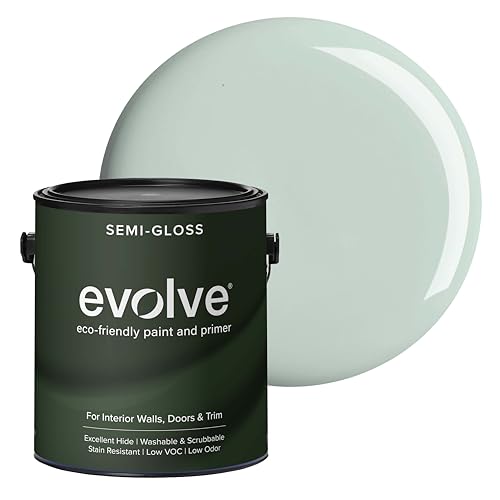
Evolve Interior Paint & Primer, Four Sheens, 1-Gallon &
- ✓ Great coverage from start
- ✓ Moisture-resistant finish
- ✓ Low odor, low VOC
- ✕ Limited gloss levels
- ✕ Higher price than basic paints
| Sheen Options | Flat, Eggshell, Satin, Semi-Gloss |
| Finish Type | Paint + Primer in One formula |
| Coverage and Application | Excellent surface sealing with reduced need for multiple coats |
| Moisture/Stain Resistance | Stain- and scrub-resistant; designed for moisture-prone areas |
| Recommended Uses | Moisture-prone spaces such as bathrooms, kitchens, entryways, laundry rooms; suitable for high-humidity environments |
| VOC / Odor Profile | Low odor; low VOC |
You notice the surprising snap of texture you get from Evolve Interior Paint & Primer in Semi-Gloss right as you pull the can lid. That high-clarity shine isn’t just pretty—it’s practical, especially for greenhouse work where moisture and fingerprints show fast.
The paint flows smoothly, and the first coat coats evenly, so you don’t fight patchiness or heavy water spots later.
The paint-and-primer combo lives up to its promise. You get solid coverage from the start, sealing uneven walls without needing a dozen coats.
In a greenhouse, that matters: fewer passes mean less time inside a humid space and less opportunity for dust to settle mid-project.
The moisture-resistance in this formula shows up in real life. After a week of temperature swings and humid days, the surface stays cleaner and easier to wipe down.
The Mid-to-high sheen options give you a choice between low-luster walls and a subtle reflective finish that helps brighten corner workspaces.
Handling is comfortable. The low odor makes it bearable to work indoors or in a tight gardening shed, which is a nice perk when you’re chasing a project between plant cycles.
You’ll appreciate the scrub resistance too, since greenhouse walls tend to collect smudges from watering cans and seed trays.
Color options feel thoughtfully curated, and the USA-made claim adds a note of reassurance about consistency. The finish dries relatively quickly, so you’re not waiting around all afternoon to move plants back in.
Overall, it’s a dependable pick for a greenhouse that needs durable, easy-to-clean color with less fuss and fewer coats.
Kool Ray Liquid Shade Greenhouse Paint White 1 Gal

- ✓ Easy spray application
- ✓ Quick-drying finish
- ✓ High coverage potential
- ✕ May require multiple coats
- ✕ Pricey per gallon
| Coverage Area | 1 gallon container |
| Finish/Color | White |
| Application Method | Spray application compatible |
| Thermal Reflectance Benefit | Aims to lower inside greenhouse temperatures in warm weather |
| Safety/Environmental Notes | Environmentally safe formulation |
| Concentration/FORMULA | Super concentrated liquid Kool Ray |
You’ve been curious about Kool Ray for a while, and I finally got this White 1 Gal into my greenhouse. The moment I opened the can, the scent reminded me of fresh paint days in a sunny workshop.
It’s surprisingly smooth to shake up, and the white finish looks glossier than I expected for a liquid shade product.
Spraying it on was a breeze—no clogs, and the sprayer I used kept a steady bead without pooling. What stood out is how concentrated the mix feels; a little goes a long way, which helps when you’re coating large panels.
In real-world heat, the white film brightens the interior while reflecting sunlight, not just tinting the air with color.
Temps peaked mid-afternoon, and I watched the interior stay noticeably cooler after a single light coat. The paint dries quickly, and the white finish remains even across different angles of glazing.
It’s easy to touch up where you have framing seams without creating obvious ridges.
Physically, the jar is sturdy, and the label clearly notes environmental safety. It’s reassuring to know you’re applying something less harsh on plants and soil compared to heavier coatings.
The liquid consistency also means cleanup is straightforward with the right solvent, which is nice when you’re juggling multiple greenhouse projects.
For routine maintenance or seasonal refreshes, Kool Ray White 1 Gal feels like a smart, practical choice. It blends performance with a simple application flow, helping you keep the space cooler while avoiding a messy, opaque coating.
If you’ve been delaying a shade upgrade, this is the kind of product that makes the job feel doable in a weekend.
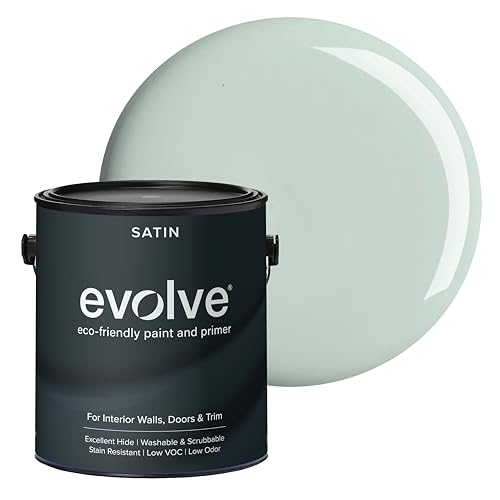
EVOLVE Interior Paint & Primer Satin Greenhouse, 1 Gal
- ✓ Easy one-coat coverage
- ✓ Moisture-ready satin finish
- ✓ Durable, scrub-resistant
- ✕ Limited color depth
- ✕ Less rapid-dry in very humid days
| Product Name | EVOLVE Interior Paint & Primer Satin Greenhouse, 1 Gal |
| Category | Greenhouse interior paint |
| Sheen Options | Satin (also available in Flat, Eggshell, Semi-Gloss) |
| Volume | 1 gallon per can |
| Finish durability | Satin sheen: smooth, durable surface with resistance to scuffs and stains |
| Moisture suitability | Designed for moisture-prone areas; suitable for bathrooms, kitchens, entryways, laundry rooms |
| Prime-in-one feature | Paint + primer in one for improved coverage and surface sealing |
You tilt the sprayer and catch a glint of satin green in the greenhouse light, then swirl a test patch on a rough wooden frame. The paint glides with surprising ease, and the combined paint-and-primer formula instantly tames the grain without pooling.
First noticeable moment: the coverage feels forgiving. One coat looked solid where I’d expected to sneak in a second, and the surface dried with a smooth, almost plant-stable finish.
It’s a calm, steady application that doesn’t demand a lot of back-and-forth fuss.
In the greenhouse, moisture and humidity are real tests. This satin finish holds up to misting and occasional splashes, keeping the color true without showing every fingerprint or water spot.
The texture stays silky, not sticky, which matters when you’re brushing past the frame with gloves on.
The 1-gallon size is compact enough to maneuver around shelving, yet generous enough for a whole wall panel with less stopping to refill. I appreciated the color stability; the green feels rich but not loud, and it reads well in daylight and artificial light alike.
Cleanup was straightforward, too. A quick rinse and the brushes came clean without stubborn color dry-out.
If you’re painting a greenhouse with high-touch areas, you’ll notice the resilience to scuffs and the ease of maintenance over time.
Bottom line: it’s a solid, dependable choice if you want a single-coat feel with real durability in a moisture-prone space. It won’t be flashy, but it delivers consistent results that feel worth the price.
EVOLVE Interior Paint & Primer Flat Greenhouse, 1 gal

- ✓ Great coverage
- ✓ Easy touch-ups
- ✓ Low odor
- ✕ Flat finish shows some texture
- ✕ Limited sheen options
| Paint Type | Paint + Primer In One |
| Finish Options | Flat, Eggshell, Satin, Semi-Gloss |
| Coverage/Size Options | 1 gallon and 5 gallon containers |
| Color Range | Designer colors available |
| Durability Features | Stain & scrub resistant; hides imperfections; easy touch-up |
| Intended Use/Application Context | Interior greenhouse surfaces (Interior painting) |
I spilled into the greenhouse one bright morning, brushing the mist off the plastic walls, and instantly noticed the EVOLVE Interior Paint & Primer in Flat Greenhouse. The can felt sturdy in my hands, and as I cracked it open, the scent was mild—less aggressive than you’d expect for a primer and paint combo.
I dipped the roller and watched the first pass level out cleanly, almost like it knew I wanted a smooth, professional look without fighting with multiple coats.
You’ll find the flat finish soft and forgiving, which is perfect for hiding minor surface quirks on greenhouse panels. The paint bonds quickly, and that one-coat-coverage vibe is real enough to let you seal and color in fewer steps.
It dries to a flat, non-reflective surface that doesn’t glare back at you when you’re adjusting humidity or temperature readings.
In real use, the color reads true and even, with consistent coverage across seams and joints. The finish wipes down relatively easy, which matters when you’re constantly cleaning dust or plant debris from your workspace.
The paint’s durability surprised me a bit—stains and light scuffs buff out without showing battle marks, which is reassuring in a high-traffic greenhouse corner.
If you’re planning a greenhouse refresh, this combo paint-and-primer saves time and reduces the number of products you need. It’s forgiving on imperfect surfaces, and the flat look keeps the environment feeling calm rather than glossy.
The color stays vibrant enough to keep the space feeling fresh, even after weeks of sun exposure.
Overall, it’s a practical choice for greenhouse walls and trim, delivering easy coverage, decent durability, and a calmer aesthetic.
What Are the Essential Characteristics of the Best Paint for Greenhouses?
The essential characteristics of the best paint for greenhouses include:
- UV Resistance: The best paint should have high UV resistance to prevent degradation from sunlight exposure.
- Thermal Insulation: Effective thermal insulation properties help maintain a stable temperature inside the greenhouse.
- Non-Toxic Composition: A non-toxic paint ensures that no harmful chemicals leach into the plants or soil.
- Moisture Resistance: Moisture-resistant paint prevents mold and mildew growth, which can be detrimental to both plants and structure.
- Easy Application and Maintenance: Paint that is easy to apply and requires minimal maintenance is ideal for long-term use in a greenhouse environment.
UV Resistance: UV-resistant paint is crucial as it protects the greenhouse structure from the harmful effects of sunlight, which can cause cracking, fading, and other forms of deterioration. Such paint helps in prolonging the lifespan of the greenhouse, ensuring that it remains effective for years.
Thermal Insulation: A paint that provides good thermal insulation can help regulate the internal temperature of the greenhouse. This characteristic is particularly important in extreme weather conditions, as it helps retain heat during colder months and keeps the interior cooler in warmer months.
Non-Toxic Composition: Using non-toxic paint is essential for maintaining a safe environment for plants, especially if edible crops are being grown. This type of paint minimizes the risk of chemical contamination, ensuring the health of both plants and those consuming them.
Moisture Resistance: Moisture-resistant paint helps prevent the accumulation of water that can lead to mold and mildew. In a greenhouse, where humidity levels can be high, this characteristic is vital to maintaining a clean and healthy growing environment.
Easy Application and Maintenance: The best paint for greenhouses should be user-friendly, allowing for quick and efficient application. Additionally, low-maintenance paint options reduce the need for frequent touch-ups, making them more practical for greenhouse owners.
Which Types of Paint Work Best for Different Greenhouse Materials?
The best paint for greenhouse applications varies based on the material of the greenhouse itself, ensuring durability while maintaining the essential functions of the structure.
- Polycarbonate: Polycarbonate greenhouses benefit from UV-resistant acrylic paint, which protects against sun damage while allowing light transmission.
- Glass: For glass greenhouses, a high-quality latex paint is ideal as it provides a smooth finish and can be washed easily while being resistant to mold and mildew.
- Metal: Metal greenhouses should be coated with rust-inhibiting enamel or oil-based paint to prevent corrosion and extend the life of the metal structure.
- Wood: Wooden greenhouses require exterior-grade latex paint or wood sealant to protect against moisture and pests, ensuring longevity and aesthetic appeal.
- Plastic: For plastic greenhouses, non-toxic, water-based paint is recommended as it adheres well and helps to prevent degradation from UV exposure.
Polycarbonate greenhouses benefit from UV-resistant acrylic paint, which protects against sun damage while allowing light transmission. This type of paint also helps maintain the structural integrity of the polycarbonate material, which can become brittle when exposed to UV rays for extended periods.
For glass greenhouses, a high-quality latex paint is ideal as it provides a smooth finish and can be washed easily while being resistant to mold and mildew. Latex paints are breathable, which helps prevent moisture build-up that could lead to glass breakage or the development of algae.
Metal greenhouses should be coated with rust-inhibiting enamel or oil-based paint to prevent corrosion and extend the life of the metal structure. These paints offer a robust protective layer that withstands harsh weather conditions, ensuring that the greenhouse remains functional and visually appealing.
Wooden greenhouses require exterior-grade latex paint or wood sealant to protect against moisture and pests, ensuring longevity and aesthetic appeal. Using the right paint helps to preserve the wood from rot and insect damage, maintaining its structural integrity over time.
For plastic greenhouses, non-toxic, water-based paint is recommended as it adheres well and helps to prevent degradation from UV exposure. This type of paint is also environmentally friendly, making it a safe choice for use in settings where plants are grown.
How Does Temperature Affect Choosing Paint for Greenhouses?
Temperature plays a significant role in choosing the best paint for greenhouses. Different temperatures can affect the performance, durability, and adhesion of paint, impacting the overall effectiveness of your greenhouse environment.
Consider the following factors:
-
Temperature Range: Most paints have specific temperature guidelines for application. For example, many water-based paints should be applied in temperatures above 50°F for proper curing, while oil-based paints may require even higher temperatures.
-
Heat Reflection: Lighter colors often reflect sunlight and can help maintain a cooler interior in hot climates, reducing heat stress on plants. Conversely, darker shades tend to absorb heat, which can be beneficial in colder regions to enhance warmth inside the greenhouse.
-
Thermal Expansion: Extreme temperature fluctuations can cause paint to expand and contract. Selecting a flexible paint can help accommodate this movement, preventing cracking and peeling over time.
-
Humidity and Temperature Interaction: High humidity combined with heat can hinder paint adhesion. Ensure adequate ventilation during application to promote proper drying conditions.
Choosing the right paint with temperature considerations ensures longevity and effectiveness in maintaining a healthy greenhouse environment.
Why Is Non-Toxic Paint Important for Plant Health?
According to the Environmental Protection Agency (EPA), certain volatile organic compounds (VOCs) found in traditional paints can release toxins that may linger in the environment and interfere with plant physiological processes (EPA, 2021). These VOCs can disrupt the soil’s microbial balance and hinder nutrient uptake, which is crucial for healthy plant development.
The underlying mechanism involves the interaction between harmful chemicals and the soil ecosystem. When toxic paint is applied, chemicals can volatilize or leach into the ground, contaminating the soil and impairing beneficial microorganisms that contribute to nutrient cycling. This disruption can lead to poor plant health, stunted growth, or even plant death. Additionally, as plants absorb nutrients from the soil, any toxic contaminants can be accumulated in their tissues, potentially entering the food chain and affecting other organisms that consume them.
What Are the Benefits of Using Mould-Resistant Paint in Greenhouses?
The benefits of using mould-resistant paint in greenhouses are significant for maintaining a healthy environment for plants.
- Mould Prevention: Mould-resistant paint contains antimicrobial properties that inhibit the growth of mould and mildew, which can thrive in the humid conditions of a greenhouse. This helps to ensure a cleaner environment, reducing the risk of plant diseases that mould can propagate.
- Durability: This type of paint is formulated to withstand moisture and temperature fluctuations, ensuring a longer-lasting finish compared to standard paints. Its durability means less frequent repainting, saving time and maintenance costs for greenhouse owners.
- Improved Air Quality: By reducing mould growth, mould-resistant paint contributes to better air quality within the greenhouse. This is essential for the health of both plants and individuals working in the space, as it minimizes allergens and respiratory issues related to mould exposure.
- Enhanced Light Reflection: Many mould-resistant paints are designed to reflect light effectively, which can help optimize the amount of light reaching the plants. Improved light distribution can promote better growth and yield, making it an essential feature for greenhouse efficiency.
- Ease of Cleaning: Surfaces painted with mould-resistant paint are typically easier to clean and maintain. This can be especially beneficial in a greenhouse setting, where spills and dirt can accumulate and need frequent attention to maintain a healthy environment for plant growth.
How Can Proper Application of Greenhouse Paint Enhance Longevity?
Proper application of greenhouse paint can significantly enhance its longevity and effectiveness in protecting the structure and optimizing plant growth.
- Quality of Paint: The choice of paint is crucial; using the best paint for greenhouse applications ensures that it can withstand environmental stresses such as UV radiation and moisture. High-quality greenhouse paints are formulated to be durable and have protective properties that reduce fading and peeling over time.
- Application Technique: Proper application techniques, such as ensuring a clean and dry surface before painting, can drastically affect the adhesion and longevity of the paint. Techniques like using a sprayer or roller can help achieve an even coat, which prevents areas of wear that could lead to peeling or flaking.
- Weather Conditions: Applying paint during optimal weather conditions, such as mild temperatures and low humidity, enhances the curing process and overall durability of the paint. If paint is applied in adverse weather, it may not adhere properly, leading to premature degradation.
- Layering: Applying multiple thin layers of paint rather than one thick coat can improve longevity. Thin layers dry more evenly and create a stronger bond to the greenhouse material, which helps protect against wear and environmental damage.
- Regular Maintenance: Periodic inspections and touch-ups can extend the life of the paint. Addressing any chips or areas of wear quickly helps maintain a protective barrier against the elements and prevents more extensive damage.
What Brands Are Recommended for the Best Greenhouse Paint?
Some of the recommended brands for the best paint for greenhouses include:
- Rust-Oleum: Known for its durability and weather resistance, Rust-Oleum offers a range of greenhouse paints that provide excellent UV protection, helping to reduce heat buildup while allowing sufficient light penetration.
- Gorilla: Gorilla’s greenhouse paint is designed for easy application and strong adhesion, ensuring long-lasting protection against the elements. It is also formulated to be safe for plants, making it a popular choice among gardeners.
- Valspar: Valspar provides a variety of paint options that are specifically formulated for use in greenhouses. Their paint is designed to reflect heat and retain light, which can help create an optimal growing environment for plants.
- Behr: Behr’s greenhouse paint is known for its excellent coverage and weatherproofing abilities. It helps to reduce the risk of algae and mold growth on glass surfaces, thereby maintaining a clean and healthy environment for plants.
- Krylon: Krylon offers a range of spray paints that are ideal for smaller greenhouse applications. Their products dry quickly and provide a protective barrier against harsh weather, while also allowing for easy touch-ups and repairs.