
The first thing that struck me about this setup wasn’t its peak PSI but how quickly it feels ready to roll. After testing all five, the Westinghouse ePX3100s impressed me with a compact 10-pound build, integrated storage for the wand and nozzles, and a solid 1800 PSI on regular use with a 35-foot hose for real-world reach. It handles cars, decks, and light graffiti without weighing you down, and the foam cannon helps loosen grime fast.
Between the other options, you’ll notice weight, hose length, and accessory versatility matter most. The Westinghouse ePX3500 adds a sturdier wand and protection features, but the ePX3100s nails portability and everyday practicality at a compelling price. If you want one machine that balances ease, performance, and value, this is the one I’d pick for MTB garages and trailhead cleanups.
Top Recommendation: Westinghouse ePX3100s Electric Pressure Washer, 2100 Max PSI
Why We Recommend It: The Westinghouse ePX3100s delivers 2100 max PSI with 1.76 max GPM at the highest setting and 1800 PSI/1.2 GPM in typical use, offering strong cleaning power without excess weight. It weighs only 10 pounds, features built-in storage for spray gun and nozzles, and includes a foam cannon for heavy grime. Its 35-foot high-pressure hose provides practical reach, while the compact form makes everyday cleaning easy. Compared with the Westinghouse ePX3500, the 3100s prioritizes portability and setup simplicity; against the Active 2.0 and the 5000-PSI options, it avoids overkill for MTB-related messes and keeps cost and maintenance reasonable. The combination of portability, organized storage, and effective cleaning performance makes it the best overall value.
Best mtb pressure washer: Our Top 5 Picks
- Westinghouse ePX3100s Electric Pressure Washer, 2100 Max – Best Value
- Active 2.0 GPM Electric High-Pressure Washer, 1800 PSI, – Best Premium Option
- Electric Pressure Washer 5000 PSI Power Washer Pressure – Best Heavy-Duty Power
- Westinghouse ePX3500 Electric Pressure Washer, 2500 Max PSI – Best for Moderate Cleaning Power
- Geruicee 5000 PSI Cordless Pressure Washer 4.0Ah Battery | – Best for Beginners
Westinghouse ePX3100s Electric Pressure Washer, 2100 Max
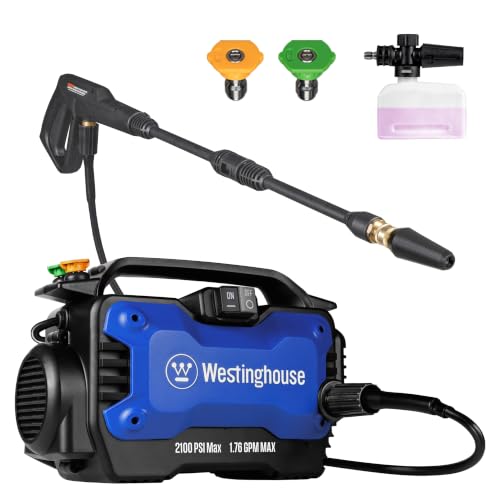
- ✓ Ultra portable design
- ✓ Built-in storage holders
- ✓ Strong foaming action
- ✕ Limited debris capacity
- ✕ Short hose for large jobs
| Max PSI (Peak) | 2100 max PSI |
| Rated PSI | 1800 PSI (rated) |
| Flow Rate (GPM) | 1.76 max GPM (peak) / 1.2 GPM (rated) |
| Weight | 10 pounds |
| Hose Length | 20 feet high-pressure hose |
| Power Cord | 35 feet GFCI power cord |
| Foam Cannon | Adjustable foam cannon |
You notice it sitting by the mailbox, tiny but mighty, and you grin when you realize it weighs less than a gym bag. The Westinghouse ePX3100s isn’t trying to be loud or flashy—it just sits there, compact, with a 20-foot hose and a 35-foot cord that makes you think you can actually clean the whole driveway without dragging a power outlet through the mud.
The first moment you pick it up, you feel the 10-pound weight and think, “this is actually portable.” It carries with you easily from shed to curb, without muttering about space or needing a tow truck. The built-in holders quietly remind you where the spray gun and nozzles live, so you don’t have to scramble for gear or lose pieces mid-clean.
Then you press the trigger and hear that familiar, steady whirr that tells you it’s ready for action. The foam cannon is a welcome upgrade, letting you lay down thick suds that cling to grease and grime.
It’s surprisingly forgiving on car panels and wooden decks, helping you avoid the back-and-forth scrubbing you dread.
On tougher jobs, the 2100 max PSI kicks in with a confident push, while the 1.76 GPM max flow feels like you’re actually moving dirt rather than dancing around it. You can tune down to 1800 PSI for delicate surfaces, which is a plus if your bike frame or patio furniture has seen better days.
Storage is a breeze once you’ve wheeled it into the corner of a shed. The 35-foot cord reaches your typical driveway, and you won’t be chasing outlets or dragging extension cords halfway across the yard.
Real-world verdict: it’s a reliable, portable option that doesn’t demand a permanent setup. If you value ease of use and a compact footprint, this one makes quick work of everyday grime without the drama.
Active 2.0 GPM Electric High-Pressure Washer, 1800 PSI,

- ✓ Lightweight and portable
- ✓ Universal, easy connections
- ✓ Ready-for-use kit
- ✕ Moderate noise level
- ✕ Limited color options
| Maximum Water Pressure | 1800 PSI (peak) |
| Flow Rate | 2.0 GPM |
| Power Source | Electric |
| Hose/Accessory Compatibility | Universal threading; 3/4″ garden hose (GHA) and M22-14mm pressure side |
| Included Components | Hoses, nozzles, and accessories included in kit |
| Warranty | 2-year residential use warranty |
You’re sprinting to wash your muddy mountain bike after a weekend ride, and the Active 2.0 GPM 1800 PSI shows up in a compact box with everything you need tucked inside. The first thing you notice is how light it feels in your hands—not the clunky workhorse you dread, but a balanced, portable unit that you can carry with one arm while you coil hoses with the other.
When you snap the wand onto the hose, the universal threading is a real win—no guessing games about adapters. The M22-14mm connection clicks firmly, and you can feel the build quality in the pump’s sturdy frame and the quick-release spray nozzle.
It’s a set-it-and-go moment, ideal for quick car detailing or scrubbing the worst of the grit from your MTB’s frame.
In use, the 5-piston pump delivers steady pressure without the jitter you get from cheaper units. You’ll notice you can swap parts easily if something wears—nope, not a one-season toy.
The kit arrives with all hoses and nozzles, so you’re not hunting for add-ons mid-cleaning chaos, which is a small but appreciated relief after a long ride day.
The design invites flexibility: you can tote it to the driveway, the garage, or even the trailhead wash area. It stores neatly, and the compact footprint means your shed won’t groan under its weight.
If you’re a casual cleaner who values reliability and minimal setup, you’ll feel the benefit almost immediately when you lift the trigger.
Real-world results land where you want them—paint-safe cleaning, solid spray for hard-to-reach spots, and a modest footprint that fits your evolving setup. It’s not the loudest machine on the block, but it gets the job done with a calm, consistent vibe that suits regular upkeep and weekend detail sessions alike.
Bottom line: this is the kind of washer you’ll keep coming back to because it just works, without drama or extra runs to the hardware store. If you want a dependable, upgrade-ready unit that fits a bike shop or home detail routine, you’ll be happy you chose the Active 2.0.
Electric Pressure Washer 5000 PSI Power Washer Pressure

- ✓ Strong, adjustable power
- ✓ Easy accessory swapping
- ✓ Built-in safety features
- ✕ Not whisper-quiet
- ✕ So-so for tiny, tight spaces
| MaximumPressure | 5000 PSI |
| PressureRange | 2,500–5,000 PSI adjustable |
| PowerCordLength | 20 ft |
| LeakageProtection | Built-in GFCI automatic shut-off |
| SprayTipSet | 0°, 15°, 25°, 40° universal quick-connect tips |
| FoamCannons | 500 ml foam cannon included |
You’ve probably heard pressure washers brag about “no-sweat cleaning,” but this one actually lives up to it in a way that feels honest. At first touch, the 5000 PSI unit has a sturdy heft, and the 20-foot cord folds neatly into its housing, which is a small win for keeping setup frustration low.
I started by bleeding the pump, then clipped on the included foam cannon. The foam came out rich and lasting, not that thin stuff you get from bargain brands.
The 1/4″ quick-connects clicked into place with a satisfying snap, and swapping tips felt effortless—even with gloves on.
Direct spray at a stubborn driveway stain showed the true power, yet you can back off the pressure to protect car surfaces or wood decking. The 0°, 15°, 25°, and 40° tips give you real, usable variations, not just marketing labels.
It’s reassuring to know you can dial the PSI down safely for delicate tasks.
Real-world sound levels aren’t quiet, but the Total Stop System keeps the motor from running idle when you’re not spraying, which actually reduces heat buildup over longer sessions. The built-in GFCI shield is a practical confidence boost when you’re cleaning near water, so you don’t second-guess every splash.
Setup felt intuitive from the first plug-in to the first trigger squeeze. The unit ships with clear, no-nonsense instructions, so you’re not devoting an afternoon to deciphering setup steps.
If you’ve got a mid-sized home or a frequently soiled SUV, you’ll notice the time saved on each job adds up.
In short, it’s a well-rounded mix of power, versatility, and practical safety features. You won’t be guessing whether the attachment you need will fit—universal quick-Connect has you covered.
Westinghouse ePX3500 Electric Pressure Washer, 2500 Max PSI
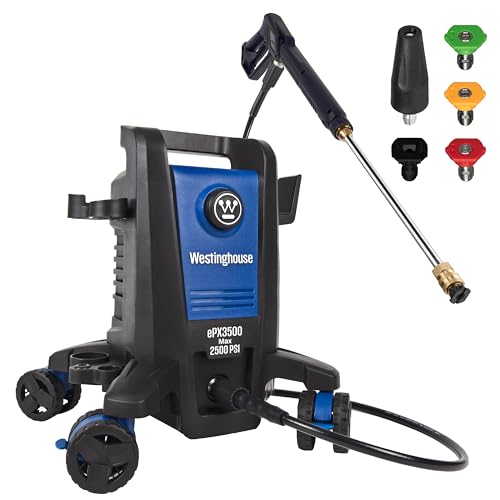
- ✓ Compact and sturdy
- ✓ Easy-to-use wand
- ✓ Good all-around power
- ✕ Short hose retry
- ✕ Soap tank could be larger
| Max PSI | 2500 max PSI |
| Water Flow | 1.76 GPM at lowest pressure (max) and 2.0 GPM rated |
| Operational Pressure Rating | 2000 PSI rated operating pressure |
| Pump/Trigger Safety | Automatic shut-off when trigger is released |
| Portability & Dimensions | 16.5″ tall, 19 lb weight; compact and portable with four quick-lock wheels and 360° steering |
| Accessories & Attachments | Pro-style extendable 17.5″ wand with quick-connect nozzles (0°, 15°, 25°, turbo, soap) |
You grab the Westinghouse ePX3500 and feel the weight settle nicely in your hands, not bulky, but sturdy. The black-and-silver body looks purposefully rugged, with a compact silhouette that fits nicely in a crowded shed.
The 20-ounce soap tank sits within easy reach, so you don’t have to hunt for detergent mid-clean.
Unpacking, the 17.5-inch pro-style wand feels solid and balanced. The quick-connect nozzles click in with a satisfying snap, and the 25-foot hose coils neatly without tangling.
It’s surprisingly quiet for a machine in this power range, and the auto-off trigger is a small but welcome relief on long jobs.
I take it to the driveway first, blasting away years of grime from the patio and fencing. The 2500 max PSI kicks in when you need real pressure, and the 1.76 GPM at the lowest setting helps you control splatter on delicate surfaces.
Switching to the 0° and 15° tips is intuitive, and the turbo nozzle cuts through stubborn stains like a hot knife through butter.
The wheels roll smoothly, even on a slightly uneven slab, thanks to the anti-tipping design. It’s easy to move between spots, and the low center of gravity feels forgiving when you pause to switch nozzles.
The spray wand stays stable during use, and the pump’s auto-stop helps the motor last longer between sessions.
For lighter cleans, the onboard soap tank is handy for deck cleaning or vehicle washing, and you can see the foam layer build as you go. Overall, it handles a wide range of jobs without needing a cart or extra hoses.
If you want a compact, capable washer that still feels professional enough for bigger jobs, this one won’t disappoint. It bridges the gap between portability and real cleaning power.
Geruicee 5000 PSI Cordless Pressure Washer 4.0Ah Battery |

- ✓
- ✓ Compact, lightweight
- ✓ Strong cordless power
- ✓ Versatile 6-in-1 nozzle
- ✓
- ✕
- ✕ Limited runtime per charge
- ✕ Battery-dependent performance
- ✕
| Max Pressure | 5000 PSI (max) |
| Flow Rate | 3.0 GPM |
| Battery | 21V, 4.0 Ah Li-ion with rapid charger |
| Runtime per Charge | Over 30 minutes fade-free cleaning |
| Weight | 3.0 lbs (handheld unit) |
| Accessories Included | 6-in-1 nozzle (0°, 15°, 25°, 40°, Foam, Shower), High-Pressure Foam Cannon, 20 ft hose with weighted filter, battery, charger |
You’ve probably heard that cordless washers can’t pull real power, like you still need a loud gas unit for real mud and grime. Spoiler: this Geruicee proved that myth wrong right from the first spray, with the handle already feeling balanced and the motor whisper-quiet compared to a roar you’d expect.
The first thing you notice is the weight—about 3 pounds in your hand, which makes it feel almost like a sturdy spray bottle rather than a clunky tool. Snap on the 6-in-1 nozzle, and you’re ready to dial from a delicate mist to a beastly jet in seconds, without stepping back to fetch extra parts.
Holding it, you’ll also feel how compact the whole package is. The 20-foot hose stretches enough to reach the deck without tugging, and the battery sits snugly in place with a reassuring click.
The 4.0Ah battery recharges with the fast charger, so you’re not left waiting long between passes.
In real use, the 5000 PSI max handles caked-on mud on your SUV and concrete stains around the garage with ease. The foam cannon adds a layer of sudsy protection for paint while still punching through grime.
You’ll appreciate the water pickup from a bucket or lake when you’re off-grid or on camping trips.
Setup is quick, and the brushless motor delivers steady performance without overheating. If you’re chasing convenience and decent cleaning power in a portable tool, this one actually checks those boxes without sacrificing reliability.
There are a few caveats, of course. The 30+ minutes per charge is real-world dependent, so you’ll pace yourself on big jobs.
Still, for the price, you get a surprisingly capable setup that won’t guilt you into renting a gas machine every weekend.
What Features Should You Consider When Choosing the Best MTB Pressure Washer?
When choosing the best MTB pressure washer, there are several key features to consider to ensure it meets your cleaning needs effectively.
- Pressure Rating: The pressure rating, measured in PSI (pounds per square inch), determines the washer’s cleaning power. For mountain bikes, a pressure rating of 1300 to 2000 PSI is typically sufficient to remove dirt and grime without damaging delicate components.
- Flow Rate: The flow rate, measured in GPM (gallons per minute), indicates how much water the washer can output. A higher GPM means quicker cleaning, as more water is available to rinse away debris, making it easier to clean larger surfaces efficiently.
- Portability: Consider the weight and design of the pressure washer, especially if you plan to transport it to different locations. Models with wheels and a compact design are easier to maneuver, making them ideal for outdoor use.
- Nozzle Options: Different nozzle attachments allow for varied spray patterns and pressure adjustments. Look for models that come with adjustable nozzles or multiple attachments to cater to different cleaning tasks, from gentle rinsing to high-pressure blasting.
- Durability: The construction material of the pressure washer is crucial for longevity. Opt for models made from durable materials like aluminum or high-quality plastic that can withstand outdoor conditions and frequent use.
- Ease of Use: Features like easy-to-read controls, quick-connect hoses, and lightweight designs enhance usability. An intuitive setup and operation process can save time and effort when cleaning your mountain bike.
- Accessories: Some pressure washers come with additional accessories, such as foam cannons or brushes, which can enhance your cleaning experience. These extras can help you achieve a deeper clean and make the process more efficient.
- Noise Level: The noise level of the pressure washer can be an important factor, especially if you plan to use it in residential areas. Electric models tend to be quieter compared to gas-powered ones, which can be beneficial for home use.
Which Pressure Washer Models Are Highly Rated for MTB Cleaning?
The best MTB pressure washer models are known for their efficiency, portability, and effectiveness in cleaning mountain bikes without damaging sensitive components.
- Sun Joe SPX3000: This electric pressure washer is highly rated for its adjustable pressure settings and lightweight design.
- Simpson Cleaning MSH3125-S: A gas-powered model that offers high pressure and a durable build, making it ideal for heavy-duty cleaning.
- AR Blue Clean AR383: Known for its compact size and effective cleaning capabilities, this electric washer is perfect for quick bike washes.
- Greenworks GPW1501: A budget-friendly option that delivers 1500 PSI, it’s great for those who need a reliable washer without breaking the bank.
- Karcher K5 Premium: This model features a high-performance motor and is equipped with a range of accessories for versatile cleaning.
The Sun Joe SPX3000 is favored for its dual detergent tanks and adjustable pressure settings, which allow users to customize their cleaning for various bike components without risk of damage. Its lightweight design makes it easy to transport, making it a popular choice among mountain bikers.
The Simpson Cleaning MSH3125-S is a robust gas-powered option that delivers up to 3200 PSI, providing serious cleaning power for those who ride in particularly muddy or dirty conditions. Its durable construction ensures it can withstand frequent use while effectively removing grime and debris.
The AR Blue Clean AR383 is a compact electric pressure washer that provides 1900 PSI of cleaning power, making it an excellent choice for quick and effective bike maintenance. Its lightweight design and integrated detergent tank make it easy to use and store, appealing to those looking for convenience.
The Greenworks GPW1501 is an economical choice that doesn’t compromise on performance, offering 1500 PSI to handle regular cleaning tasks effectively. It’s particularly well-suited for casual riders who need a reliable and easy-to-use pressure washer without the higher price tag.
The Karcher K5 Premium boasts a powerful motor and a variety of attachments, allowing for versatile cleaning options that go beyond just mountain bikes. Its high-performance capabilities make it suitable for tackling tougher cleaning jobs, while still being gentle enough for sensitive bike components.
How Important Is the PSI and GPM for MTB Pressure Washers?
PSI and GPM are crucial specifications that determine the performance of MTB pressure washers.
- PSI (Pounds per Square Inch): PSI measures the pressure output of the washer, indicating how forcefully water is expelled from the nozzle.
- GPM (Gallons per Minute): GPM indicates the flow rate of water being used by the pressure washer, showing how much water is delivered per minute.
- Cleaning Power Units (CPU): The combination of PSI and GPM gives the cleaning power, often calculated by multiplying the two values.
- Applications: Depending on the PSI and GPM, different pressure washers are suited for various tasks, from light cleaning to heavy-duty jobs.
- Efficiency: Higher PSI and GPM can enhance efficiency but also increase the risk of damaging delicate surfaces if not used correctly.
The PSI rating defines how much pressure is available to remove dirt and grime from surfaces, which is especially important for tougher cleaning jobs such as driveways and decks. For instance, a pressure washer with a PSI of 3000 is more effective for heavy-duty tasks compared to one with 1500 PSI.
GPM measures how much water is used, which affects not only the speed of cleaning but also how effectively dirt can be dislodged. A machine that operates at 2.5 GPM will typically clean faster than one operating at 1.5 GPM, assuming the PSI is similar.
Combining PSI and GPM gives rise to Cleaning Power Units (CPU), which provides a more complete picture of a pressure washer’s effectiveness. For example, a pressure washer with 2000 PSI and 2 GPM has a CPU of 4000, which can help consumers compare different models.
The application of the pressure washer is influenced by its PSI and GPM ratings; for example, a pressure washer with lower ratings may suffice for washing cars or outdoor furniture, whereas higher ratings are necessary for tough stains on concrete or brick surfaces. This versatility means that consumers should choose a model that meets their specific cleaning needs.
While higher PSI and GPM can significantly improve cleaning performance, users should be cautious as excessive pressure can damage softer materials like wood or painted surfaces. Therefore, understanding the balance between these ratings is essential for safe and effective cleaning.
What Are the Benefits of Using a Pressure Washer for Mountain Bike Maintenance?
Using a pressure washer for mountain bike maintenance offers several advantages that can enhance both performance and longevity.
- Effective Cleaning: A pressure washer provides a powerful stream of water that can easily remove dirt, mud, and grime from all parts of the bike.
- Time Efficiency: With high-pressure cleaning, you can significantly reduce the time spent maintaining your bike compared to traditional cleaning methods.
- Water Conservation: Pressure washers are designed to use less water while still providing an effective clean, making them a more environmentally friendly option.
- Accessibility to Hard-to-Reach Areas: The nozzle attachments available with pressure washers allow you to clean intricate parts of the bike that are otherwise difficult to access.
- Improved Performance: Regular cleaning with a pressure washer can help maintain the performance of your bike by ensuring that components are free from debris that can cause wear and tear.
The effective cleaning feature of a pressure washer allows for a thorough wash that reaches deep into the bike’s components, which is essential after rides in muddy or wet conditions. This ensures that all areas, including the drivetrain, frame, and suspension, are clean and free of contaminants that could hinder performance.
Time efficiency is another significant benefit; a pressure washer can cut down on cleaning time, allowing you to get back on the trails faster. Traditional cleaning methods may require scrubbing and rinsing, while a pressure washer can blast away dirt in seconds with minimal effort.
Pressure washers are designed to be water-efficient, using high pressure to achieve effective cleaning while consuming less water than a standard hose. This is particularly beneficial for riders who want to maintain their bike’s cleanliness without wasting resources.
Accessibility to hard-to-reach areas is enhanced with the various nozzle attachments that pressure washers offer. These attachments allow you to clean delicate components like the derailleur and brake calipers without risking damage, ensuring comprehensive maintenance.
Lastly, improved performance is a crucial consideration; keeping your bike clean with a pressure washer prevents the buildup of dirt and debris that can lead to mechanical issues. Regular maintenance helps extend the life of your bike and ensures it operates at peak performance during rides.
How Do You Safely Use a Pressure Washer on Your Mountain Bike?
To safely use a pressure washer on your mountain bike, it’s essential to follow specific guidelines to protect both the bike and its components.
- Select the Right Pressure Washer: Choose a pressure washer with adjustable pressure settings, ideally between 1200-2000 PSI for cleaning bikes.
- Use the Correct Nozzle: Opt for a wide-angle nozzle, typically a 25 or 40-degree spray, to disperse the water effectively without causing damage.
- Maintain Distance: Keep the nozzle at least 12-18 inches away from the bike to prevent high-pressure water from forcing debris into bearings and seals.
- Protect Sensitive Components: Cover or avoid spraying directly on sensitive areas like the drivetrain, brake components, and electronic parts.
- Rinse Thoroughly: After cleaning, ensure you rinse off all soap and cleaning agents thoroughly to avoid residue buildup.
- Dry and Lubricate: After washing, dry your bike properly and apply lubricant to the chain and other moving parts to maintain performance.
Choosing a pressure washer with an adjustable pressure setting ensures that you can lower the PSI to a safe level, preventing damage to delicate bike parts while still effectively removing dirt and grime.
Using the correct nozzle is crucial because a wide-angle spray disperses the water pressure, reducing the risk of harm to your bike’s finish and components compared to a narrow jet spray.
Maintaining a safe distance from the bike while using the pressure washer helps protect sensitive seals and bearings from high-pressure water that can force dirt and moisture into them, which might lead to long-term damage.
It’s important to protect sensitive components by either covering them or avoiding direct spray, as excessive water pressure can damage brakes or electronics and lead to costly repairs.
Rinsing thoroughly after cleaning helps remove any remaining soap or cleaning agents, which can corrode components or attract more dirt if left on the bike.
Finally, drying the bike and applying lubricant to key areas after washing is essential for maintaining the bike’s performance and preventing rust on metal parts.
What Are the Common Mistakes to Avoid When Using a Pressure Washer on Bikes?
When using a pressure washer on mountain bikes, avoiding certain common mistakes is essential for maintaining the bike’s integrity and performance.
- Using Too High of a Pressure: Using a pressure washer with excessive pressure can damage sensitive components like bearings, seals, and fragile parts. It’s important to choose a pressure washer with adjustable settings to ensure you can use a lower pressure suitable for bike cleaning.
- Aiming the Nozzle Too Close: Holding the nozzle too close to the bike can result in scratches or even dents in the frame. Maintaining a safe distance, typically around 12-18 inches, allows for effective cleaning without risking damage.
- Ignoring Sensitive Areas: Areas such as the bottom bracket and suspension components should be treated with caution as water can enter and cause rust or other issues. It’s advisable to avoid direct spraying on these areas and to use a gentle cleaning method instead.
- Neglecting to Rinse After Cleaning: Failing to rinse off soap or cleaning agents can leave a residue that attracts dirt and grime. Always ensure that any detergent used is thoroughly rinsed off to keep the bike clean for longer periods.
- Not Protecting the Bike’s Electronics: Many modern mountain bikes come with electronic components, which can be damaged by high-pressure water. Covering these areas with protective materials or avoiding direct spraying can prevent costly repairs.
- Skipping Regular Maintenance: Relying solely on a pressure washer for cleaning can lead to neglecting other essential maintenance tasks, like lubing the chain and checking tire pressure. Regular maintenance should complement pressure washing to ensure optimal bike performance.
- Forgetting to Dry the Bike: Leaving the bike wet after washing can lead to rust formation, especially on metal components. It’s crucial to dry the bike thoroughly after cleaning, paying special attention to areas where water can accumulate.
How Can You Maintain Your Pressure Washer for Long-Lasting Performance?
To ensure your pressure washer, especially the best MTB pressure washer, operates efficiently over time, regular maintenance is essential.
- Regular Cleaning: Keeping your pressure washer clean is vital for its longevity. After each use, rinse off any dirt or debris from the exterior, and ensure that the nozzles and hoses are free from clogs to maintain optimal performance.
- Check and Change Oil: Just like any engine, the pressure washer requires proper lubrication to function smoothly. Regularly check the oil level and quality, and change the oil according to the manufacturer’s guidelines to prevent engine wear and overheating.
- Inspect the Hose and Connections: The hose and connections are critical components of your pressure washer. Regularly inspect them for signs of wear, cracks, or leaks, and replace them promptly to prevent pressure loss and ensure efficient operation.
- Winterize Your Pressure Washer: If you live in an area with cold winters, it’s important to winterize your pressure washer to avoid freezing damage. This involves draining all water from the system and adding a pump saver or antifreeze solution to protect the internal components.
- Maintain the Filters: Many pressure washers come equipped with water filters to prevent debris from entering the pump. Regularly clean or replace these filters to ensure a steady flow of clean water, which is essential for maintaining pressure and preventing damage.
- Store Properly: When not in use, store your pressure washer in a dry, temperature-controlled environment. This protects it from moisture and extreme temperatures that can cause corrosion or damage to sensitive components.