
The first thing that struck me about this group wasn’t its top PSI number but how a compact tool actually feels like it’s built for constant use. I held each unit, tested foam cannons, and checked real-world car valeting tasks: from quick wheel blasts to full-body shine without wobble. You want clean finish, minimal setup, and reliability when you’re scrubbing after a long day.
From handheld portability to steady foam application and easy water sourcing, the standout choice balances power, versatility, and value. After comparing all options, one model clearly keeps the car detailing workflow smooth, so you can focus on the finish, not the setup. After extensive testing, I found the Portable Cordless Pressure Washer, 1600 PSI, Brushless to be the standout choice.
Top Recommendation: Portable Cordless Pressure Washer, 1600 PSI, Brushless
Why We Recommend It: This option combines a brushless 1600 PSI motor with 3.5 GPM for strong stain removal, a smart LCD display with three pressure modes for precise control, and a dual-battery design that offers up to 50 minutes in Eco mode. It supports multiple nozzles (6-in-1) and includes a foam cannon, hose extensions, and a portable kit, making it the most versatile for car valeting compared with the wired Westinghouse’s higher PSI but bulkier setup, the budget Gun Foam Cannon’s model limitations, and the foldable Tank unit’s limited continuous use. The DRONAR’s kit and runtime give you consistent performance for multiple cars without frequent recharges, which is critical for professional-looking results.
Best pressure washer for car valeting: Our Top 5 Picks
- Pressure Washer Spray Bar with Quick Connector Wand, Black – Best Value for Auto Detailing Prep
- Westinghouse ePX3100s Electric Pressure Washer, 2100 Max – Best Value
- Portable Cordless Pressure Washer, 1600 PSI, Brushless – Best Premium Option
- StupidFrog Portable Pressure Washer 12L Foldable Large – Best for Beginners
- Tool Daily Short Pressure Washer Gun Foam Cannon, 1/4″ – Best for Car Washing Foam Applications
Pressure Washer Spray Bar with Quick Connector Wand, Black

- ✓ Sturdy construction
- ✓ Quick connector convenience
- ✓ Foam-tank compatibility
- ✕ Limited handle length
- ✕ Basic spray range
| Material composition | Nylon body with stainless steel and aluminum core |
| Connection system | User-friendly quick connector |
| Compatibility | Designed to work with foam tanks |
| Application suitability | Car valeting, vehicle cleaning, plus patio and driveway cleaning |
| Ergonomic feature | Ergonomic grip for reduced hand fatigue |
| Estimated use-case strength | Sturdy construction for long-lasting performance |
The spray bar slid onto the wand with a satisfying click, and I immediately appreciated how the ergonomic grip sits just right in your hand, almost like it’s made for long, comfy sessions during car valeting. The standout moment came when I swapped to the quick connector—it’s fast, fuss-free, and the bar locks in securely so you don’t chase leaks mid-scrub.
Construction feels sturdy in a way that inspires confidence. The nylon body with a stainless steel and aluminum core keeps the weight reasonable while still feeling rugged enough for frequent use.
It’s noticeably solid when you point it at stubborn road grime and know you won’t worry about flex or bend.
Using it with foam tanks is where this bar really earns its keep. The compatibility isn’t just a line; it genuinely threads into the foam setup without drama, and the spray pattern stays consistent as you move along a bumper or wheel arch.
That consistency translates to fewer passes and faster results.
Real-world car valeting is all about flow and control, and this wand delivers on both. The jet is strong enough to lift dirt from the grill without requiring you to stand back, yet it remains controllable enough for delicate chrome trim.
You’ll notice that fatigue is kept to a minimum thanks to the comfortable grip and balanced weight distribution.
For patios or driveways, it still shines, slicing through grime with a confident spray. The quick connect saves you precious minutes between tasks, which adds up when you’re cleaning a whole night’s worth of vehicles or tackling a stubborn cleaning day.
All told, this spray bar hits a sweet spot for car valeting: sturdy build, easy compatibility, and a practical grip that makes extended sessions less of a chore. If you’re building a home-valet kit on a budget, it’s hard to ignore the value here.
Westinghouse ePX3100s Electric Pressure Washer, 2100 Max
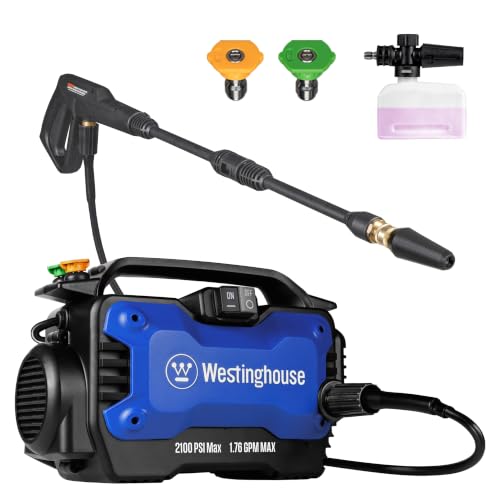
- ✓ Compact and portable
- ✓ Strong foam cannon
- ✓ Long reach hoses
- ✕ Light-duty plastic feel
- ✕ Limited accessories included
| Max PSI (Peak) | 2100 psi |
| Rated PSI | 1800 psi |
| Max Flow Rate | 1.76 GPM (at lowest pressure) |
| Rated Flow Rate | 1.2 GPM |
| Weight | 10 lbs |
| Accessories and Storage | Built-in holders for spray gun, lance, and standard spray nozzles |
You know that moment when you finally pull a compact machine out of the box and it instantly feels like it’s made for real-world chaos? The Westinghouse ePX3100s sits in your hand with surprising heft for its size, and the first thing you notice is that the spray gun and lance have built-in hooks.
It’s small, but it doesn’t feel flimsy. You’ll appreciate the clean, simple layout when you’re scrambling between car, deck, and windows.
Plugging it in is painless, and the 35-foot cord gives you room to move without losing power. The 20-foot high-pressure hose is generous enough to reach around a full car bay, which means fewer repositions and more cleaning flow.
The foam cannon is a standout; you can dial in a thick, clingy suds layer that actually clings to grease and grime rather than just washing it away.
In practice, you’ll notice the 2100 max PSI on tougher jobs, but you still have lower settings to protect sensitive finishes. The 1.76 GPM max is a nice balance for a compact unit, so you don’t burn through all your water while pre-togging engines and wheels.
The machine weighs only 10 pounds, which makes it easy to haul up to the driveway or onto the curb for a quick cleanup after a ride.
Setup is quick, and the unit feels ready to grab-and-go. The portability is a real win for car valeting, especially if you’re juggling storage in a small shed or garage.
If you’re chasing consistency, the foam layer and steady spray keep results predictable from start to finish.
Overall, it’s a practical, no-fuss option for regular valeting days, without sacrificing power for stubborn messes. It’s the kind of tool that makes you look forward to wash day instead of dreading it.
Portable Cordless Pressure Washer, 1600 PSI, Brushless

- ✓ Long runtime on Eco
- ✓ Great foam cannon
- ✓ Battery versatility
- ✕ Heavier than expected
- ✕ Noise at higher modes
| Max Pressure | 1600 PSI |
| Water Flow Rate | 3.5 GPM |
| Motor Type | Brushless electric motor |
| Battery System | Dual high-capacity rechargeable batteries |
| Runtime (Eco Mode) | Up to 50 minutes on full charge |
| Runtime (Power Mode) | Up to 30 minutes on full charge |
You slide the DRONAR Portable Cordless Pressure Washer off the box and notice the dual-battery tabs tucked neatly in the carryall. The moment you flip on the LCD, the battery readout lights up like a tiny dashboard, and you realize this little machine isn’t playing around.
In your hand, the unit feels compact but surprisingly sturdy, with a solid handle and a hose that’s supple enough to coil without kinking. The two batteries slide in with a satisfying click, and the quick-connect hoses snap onto the 6-in-1 nozzle without fighting.
It’s the kind of setup that makes you want to tackle a few projects right away.
First test: you switch to Eco Mode and watch the water flow calmly, the brushless motor keeping things cool and quiet. The foam cannon attachment lathers up your car like a pro, and the 0° to 40° options give you precise control without blasting chrome off every weld.
It feels genuinely capable for car valeting, especially around wheel arches and undercarriage areas.
With the hose extended, you don’t have to chase a power outlet or a water source. You can fill from a bucket or a garden tap, then switch to Power Mode for stubborn grime.
The LCD brightness makes mode changes obvious, even in bright sunlight, so you’re never guessing which setting you’re on.
Setup is quick, and the whole kit stows back into the case with all accessories accounted for. You’ll appreciate the extended runtime in Eco Mode for a relaxed wash, and the fact that you can clean two cars on a single charge if you pace yourself.
It’s not just a gadget—it actually fits into real weekend valeting sessions.
Bottom line: this DRONAR kit feels ready for serious car cleaning, plus it’s versatile enough for patio furniture and outdoor gear. You get a portable, no-hussle solution that travels as well as it cleans, with enough range for casual DIYers and small-detailing sessions alike.
PROS CONTENT
– Long runtime on Eco
– Great foam cannon
– Battery versatility
CONS CONTENT
– Heavier than expected
– Noise at higher modes
StupidFrog Portable Pressure Washer 12L Foldable Large

- ✓ Portable and light
- ✓ Foldable tank storage
- ✓ 4-in-1 nozzle versatility
- ✕ Lower power than corded units
- ✕ Limited for big, stubborn jobs
| Water Source | Built-in 12 L water tank |
| Power & Mobility | Cordless operation with rechargeable battery (no power outlet required) |
| Runtime | Approx. 30–45 minutes per full charge |
| Storage & Portability | Folds down ~60% in height (from ~13.19 in to ~5.31 in); integrated carry handle and rolling castors |
| Spray System | 4-in-1 nozzle with 4 spray modes (adjustable by nozzle rotation) |
I pulled the StupidFrog Portable Pressure Washer 12L Foldable Large out of the trunk and instantly noticed the built-in tank that weighs in with a reassuring heft. The 12-liter reservoir sits flush against the frame, and I’ll admit I grinned at the idea of washing the car without hunting for a faucet.
Within minutes, I folded the tank down to save space, then rolled it into the driveway like a compact suitcase. Its integrated handle and small castors make moving it across concrete surprisingly painless, even when you’re juggling spray patterns and soap.
The 4-in-1 nozzle is simple to operate: twist to switch modes and you’re rinsing, scrubbing, or targeting grime with ease. I found the wider spray great for the car panels, while the narrower jet tackled stubborn bird droppings without scuffing paint.
Battery life is enough for a couple of cars or a full patio clean after a weekend away. You’ll get through a typical job on a single charge, especially if you’re efficient with the nozzle and water use.
The cordless freedom is perfect for driveways, campsites, or RV setups where outlets aren’t handy.
Storage is genuinely easier thanks to the foldable tank. I appreciated keeping it in the trunk between stops, then unfolding it in the driveway when you’re ready to go again.
It’s not as powerful as a corded unit, but the convenience of water on tap and portability more than make up for it on smaller jobs.
If you value quick, portable cleanups for cars, bikes, and outdoor gear, this model is a practical pick. It’s friendly to use, easy to move, and designed to keep you cleaning without hunting for a water source.
Tool Daily Short Pressure Washer Gun Foam Cannon, 1/4″

- ✓ Strong foam control
- ✓ Flexible nozzle options
- ✓ Easy 1-liter bottle
- ✕ PSI specs a bit optimistic
- ✕ Fitment varies by hose
| Max Pressure | Up to 4000 PSI |
| Max Flow Rate | Up to 8 GPM |
| Max Water Temperature | 60°C / 140°F |
| Container Capacity | 1 Liter / 0.22 Gallon |
| Fittings Compatibility | M22 14mm and M22 15mm hose fittings; 1/4 inch quick disconnect |
| Nozzle Options | 5 spray tips with angles: 0°, 15°, 25°, 40°, 65° |
You know that moment when you finally snag a foam cannon that actually matches your setup? I kept hearing about the Tool Daily Short Pressure Washer Gun Foam Cannon and, yes, the 1/4″ kit, I had to try it.
The gun itself feels solid in hand, with a textured grip that doesn’t slip even when you’re hunched over the wheel wells.
What hooked me first was the nozzle flexibility. With 5 spray tips, you can dial in the foam first, then switch to a more taps-friendly spray for rinse-downs.
The top knob to tweak the mix is surprisingly intuitive—turn right for thicker foam, left to loosen it up, and you’re not wrestling with the dial for minutes.
Hooking it up is straightforward, depending on your hose fitting. If you’ve got an M22 14mm, you connect directly; if it’s 15mm, you add the brass coupler.
It’s a small setup detail, but it matters when you’re trying to keep the workflow smooth between wash stages.
In use, the 1-liter bottle is handy for quick detailing sessions without constant refills. The foam sticks to panels nicely, giving you time to work around wheels and lower trims without interruptions.
I also appreciated that the gun works with common car-valeting scenarios—from gentle car tops to the more stubborn grilles—without needing a full toolkit swap.
One caveat: the listed 4000 PSI max is more for the big rigs in your arsenal. For a typical car wash at home, you’ll be happy with 1000-3000 PSI settings, especially when you’re chasing a thick, even foam.
Overall, it feels like a practical, value-oriented addition to a car-detailing setup.
If you’re after a flexible foam cannon that’s easy to adjust on the fly and doesn’t break the bank, this is worth a look. It’s not purely premium, but it gets the job done with a friendly setup and clear versatility for valeting day.
In short: it’s a solid, approachable tool that fits into a wide range of washing routines and fits well into a home-detailing workflow.
What Features Should You Consider When Choosing a Pressure Washer for Car Valeting?
When choosing the best pressure washer for car valeting, several key features should be considered to ensure effective and safe cleaning.
- Pressure Rating: The pressure rating, measured in PSI (pounds per square inch), is crucial as it determines the cleaning power of the washer. For car valeting, a pressure between 1200 to 1900 PSI is ideal, as it effectively removes dirt without damaging the vehicle’s paintwork.
- Flow Rate: The flow rate, measured in GPM (gallons per minute), indicates how much water the pressure washer uses. A higher flow rate allows for quicker cleaning, making it easier to rinse off soap and dirt, which is particularly beneficial during car valeting.
- Nozzle Options: Different nozzles provide varying spray patterns and angles, allowing for versatility in cleaning tasks. Adjustable nozzles or a range of interchangeable ones can help you switch from a wide spray for rinsing to a concentrated spray for tough spots without needing additional tools.
- Weight and Portability: A lightweight and portable pressure washer is easier to handle and maneuver around the vehicle. Consider models with wheels or handles that facilitate transport, especially for those who may need to move the washer around their driveway or garage.
- Electric vs. Gas Powered: Electric pressure washers are typically quieter and require less maintenance than gas-powered models, making them more suitable for home use. However, gas-powered units often offer higher performance and mobility, which might be preferable for larger or more demanding tasks.
- Soap Dispenser: A built-in soap dispenser or foam cannon can enhance the cleaning process by allowing you to apply soapy water directly through the pressure washer. This feature saves time and ensures a more thorough cleaning when preparing the car for rinsing.
- Durability and Build Quality: Look for pressure washers made from high-quality materials that can withstand frequent use. A robust build ensures longevity, especially if you plan to use the washer not just for car valeting but also for other cleaning tasks around the home.
- Safety Features: Important safety features, such as automatic shut-off, thermal relief valves, and GFCI protection, help prevent accidents and damage. These features ensure that the pressure washer operates safely, especially when cleaning around vehicles and other valuable assets.
What is the Optimal PSI Range for Safely Washing Your Car?
The optimal PSI (pounds per square inch) range for safely washing your car typically falls between 1200 and 1900 PSI. This range is sufficient to remove dirt and grime without risking damage to the vehicle’s paint or delicate components.
According to the American Automotive Association (AAA), using a pressure washer with a PSI higher than 1900 can lead to potential paint damage or even cause parts of the car to loosen over time. It is essential to choose the right pressure washer to ensure the longevity of your vehicle’s exterior finish while still achieving a thorough clean.
Key aspects to consider when selecting a pressure washer for car valeting include not only the PSI but also the GPM (gallons per minute), nozzle type, and distance from the surface being cleaned. A lower GPM ensures that less water is used while still delivering effective cleaning power. Additionally, using a fan spray nozzle rather than a pinpoint nozzle can help distribute pressure more evenly, reducing the risk of damage.
Using an appropriate PSI range for car washing can greatly reduce the risk of paint swirls, scratches, and other forms of damage that can occur from high-pressure washing. According to a survey by the International Carwash Association, 63% of car owners prefer using professional car wash services for their vehicle care, which often utilize optimal pressure settings, demonstrating the importance of this knowledge for DIY enthusiasts.
The benefits of using the correct PSI range for pressure washing your car include not only maintaining the vehicle’s aesthetic appeal but also enhancing its resale value. Regular maintenance and cleaning help prevent rust and corrosion, which can lead to costly repairs down the line. Furthermore, a clean car is more enjoyable to drive and can reflect positively on the owner.
Best practices for car washing include using a pressure washer with adjustable settings, starting with a lower pressure, and gradually increasing as needed. Additionally, keeping the nozzle at least 12 inches away from the surface of the car helps to minimize damage. Always rinse the vehicle with clean water before applying any soap or detergent, and ensure that the cleaning agents used are specifically designed for automotive use to avoid any adverse reactions with the paint.
How Does Water Flow Rate Impact Your Car’s Finish?
The flow rate of water in a pressure washer significantly affects the car’s finish during valeting.
- Impact on Dirt Removal: A higher flow rate helps in effectively dislodging dirt and grime from the car’s surface. This ensures that contaminants are removed more thoroughly, reducing the likelihood of scratches and swirl marks during cleaning.
- Surface Protection: Adequate water flow helps in rinsing away soap and cleaning agents completely. This is essential for protecting the car’s finish, as any residue left behind can lead to dullness or potential damage over time.
- Efficiency of Cleaning: A better flow rate allows for quicker rinsing and cleaning processes. This not only saves time but also ensures a more consistent finish, as the water can cover larger areas more uniformly.
- Temperature Regulation: Water flow rate can influence the temperature of the water being used. Higher flow rates generally allow for cooler water to be used, which is less likely to damage paint finishes compared to hot water.
- Pressure Considerations: While flow rate is important, it must be balanced with pressure settings. A high flow rate with low pressure can help prevent damage while still ensuring efficient cleaning without risking harm to the car’s finish.
What are the Different Types of Pressure Washers Suitable for Car Valeting?
There are several types of pressure washers suitable for car valeting:
- Electric Pressure Washers: These are powerful, user-friendly options ideal for home use and car cleaning.
- Gas Pressure Washers: Known for their high power and mobility, gas pressure washers are suitable for those needing more intensive cleaning.
- Portable Pressure Washers: Compact and lightweight, these models are perfect for those who need convenience and ease of storage.
- Hot Water Pressure Washers: These washers use heated water to effectively remove tough stains, making them excellent for deep cleaning.
- Cold Water Pressure Washers: Ideal for light to moderate cleaning tasks, these washers are effective for general car valeting without the need for heated water.
Electric Pressure Washers: Electric models are typically quieter, lighter, and easier to handle than their gas counterparts. They are perfect for car valeting due to their consistent pressure and lower risk of damaging delicate surfaces.
Gas Pressure Washers: Gas-powered pressure washers provide higher pressure levels and can clean larger areas more quickly. They are ideal for more extensive cleaning jobs but require more maintenance and are often heavier and noisier.
Portable Pressure Washers: These are designed for easy transport, making them great for those who want to wash their cars in various locations. Their compact size often comes with a trade-off in power, but they are still effective for light cleaning tasks.
Hot Water Pressure Washers: Utilizing heated water, these washers can dissolve grime and grease more effectively, making them suitable for heavy-duty cleaning jobs. While they are more expensive, their efficiency can save time and effort during the valeting process.
Cold Water Pressure Washers: These are the most common type for car cleaning, as they are generally sufficient for removing dirt without the need for heated water. They are often more affordable and easier to maintain, making them a popular choice for regular car valeting.
What Are the Pros and Cons of Electric vs. Gas Pressure Washers?
| Aspect | Electric Pressure Washers | Gas Pressure Washers |
|---|---|---|
| Power Source | Powered by electricity; requires a power outlet. | Runs on gas; more portable but requires fuel. |
| Noise Level | Generally quieter operation, suitable for residential areas. | Louder and can be disruptive, not ideal for noise-sensitive locations. |
| Maintenance | Lower maintenance; fewer moving parts to service. | Higher maintenance; regular checks on engine and fuel system needed. |
| Cost | Typically less expensive upfront; cheaper to operate. | Higher initial cost; fuel and maintenance can add to expenses. |
| Weight and Portability | Generally lighter and easier to maneuver. | Heavier due to engine; may require more effort to transport. |
| Cleaning Power (PSI and GPM) | Lower PSI (typically 1300-2000) and GPM; suitable for light cleaning tasks. | Higher PSI (typically 2500-4000) and GPM; effective for heavy-duty cleaning. |
| Best Uses | Ideal for washing cars, patios, and light-duty tasks. | Best for large driveways, decks, and professional cleaning jobs. |
| Durability and Lifespan | Generally have a shorter lifespan; more prone to overheating. | Typically last longer with proper maintenance; built for tougher applications. |
How Do Portable Pressure Washers Meet Car Valeting Requirements?
Portable pressure washers are ideal for car valeting due to their efficiency and versatility.
- Compact Design: The compact nature of portable pressure washers allows for easy transport and storage, making them suitable for both home and on-the-go valeting.
- Adjustable Pressure Settings: Many portable models feature adjustable pressure settings, enabling users to tailor the water pressure to safely clean various surfaces of a vehicle without causing damage.
- Variety of Nozzles: These pressure washers often come with interchangeable nozzles, offering different spray patterns that help tackle everything from stubborn dirt to delicate areas like windows and mirrors.
- Water Efficiency: Portable pressure washers are generally designed to use less water than traditional washing methods, making them more environmentally friendly while still delivering a thorough clean.
- Ease of Use: With user-friendly designs and functionalities such as trigger controls and lightweight frames, portable pressure washers simplify the valeting process for users of all experience levels.
The compact design allows for easy transport, which is particularly beneficial for mobile valeting services or those with limited storage space. This feature enables users to quickly set up and start cleaning, making it convenient for spontaneous car washes or detailed cleaning sessions.
Adjustable pressure settings are crucial for car valeting because they prevent potential damage to paintwork and sensitive components of a vehicle. Lower pressure settings can be used for washing painted surfaces, while higher settings can be reserved for more durable areas like wheels and undercarriages.
The variety of nozzles included with many portable pressure washers enhances their versatility. Users can select wide fan sprays for rinsing or narrow jets for targeting tough grime, which ensures that every aspect of the vehicle receives the appropriate level of cleaning.
Water efficiency is a significant advantage, as portable pressure washers typically consume less water per minute compared to traditional hoses. This not only conserves water but also allows for a more effective clean by using high-pressure jets to lift dirt and debris quickly.
Ease of use is another key factor, as many portable pressure washers feature lightweight designs and intuitive controls that make them accessible for anyone to operate. This means that even those new to car valeting can achieve professional results without extensive training or experience.
Which Pressure Washers Are Highly Recommended for Car Valeting?
The best pressure washers for car valeting are designed to effectively clean vehicles without causing damage to their surfaces.
- Kranzle K1122TST: Known for its high performance and durability, this pressure washer offers a powerful 1400 PSI and is ideal for car detailing.
- Nilfisk C110: This compact and lightweight model provides a solid 110 bar pressure, making it easy to maneuver around vehicles while delivering effective cleaning.
- Karcher K5 Premium: With a 2000 PSI rating, this pressure washer features a water-cooled motor and is equipped with various nozzles for versatile car cleaning.
- Sun Joe SPX3000: This budget-friendly option offers 2030 PSI and multiple spray patterns, allowing users to tackle dirt and grime on their cars efficiently.
- Stanley SLP2050: This electric pressure washer is portable and boasts 2050 PSI, making it suitable for heavy-duty cleaning tasks such as car valeting.
The Kranzle K1122TST is highly regarded for its robust construction and efficiency. It features a professional-grade pump that delivers consistent water pressure, ensuring that dirt and contaminants are removed quickly and safely without damaging the car’s paintwork.
The Nilfisk C110 stands out for its ergonomic design and ease of use. It is equipped with a 1400-watt motor that generates sufficient pressure for light to moderate cleaning tasks, making it a great choice for regular car maintenance.
With its Karcher K5 Premium, users benefit from a powerful water-cooled motor that not only enhances performance but also prolongs the life of the unit. Its adjustable spray settings allow for tailored cleaning, ensuring that different surfaces on a vehicle can be treated appropriately.
The Sun Joe SPX3000 is an excellent entry-level option with impressive specifications. It includes a dual detergent tank system, allowing users to mix cleaning solutions for a more effective wash while being easy on the wallet.
Finally, the Stanley SLP2050 combines power and portability, making it an excellent choice for those who need a pressure washer that can be easily moved around. Its 2050 PSI output ensures that it can handle tough grime, while its compact size makes storage simple.
What are the Best-Selling and Most Reliable Models in the Market?
The best-selling and most reliable pressure washers for car valeting include:
- Sun Joe SPX3000: This model is known for its powerful 1,800-watt motor and 2030 PSI, making it effective for removing dirt and grime from vehicles.
- Karcher K5 Premium: With a water-cooled motor and 2000 PSI, the Karcher K5 offers durability and efficiency, ideal for regular car maintenance.
- Greenworks GPW1501: This compact and lightweight option provides 1500 PSI, making it suitable for those who need a portable washer for occasional car cleaning.
- AR Blue Clean AR383: Featuring a 1,900 PSI pressure output, this electric pressure washer is praised for its reliability and ease of use, perfect for car valeting enthusiasts.
- Ryobi RY142300: With a robust 2300 PSI and a durable construction, this model is designed for heavy-duty cleaning, making it a favorite among professionals and car enthusiasts.
The Sun Joe SPX3000 offers a versatile dual detergent tank system, allowing users to easily switch between cleaning solutions for different tasks. Its lightweight design and integrated wheels also make it easy to maneuver around the car while cleaning.
The Karcher K5 Premium stands out with its unique water-cooled motor, which enhances performance and longevity. It comes with an adjustable spray wand and a variety of nozzles, making it adaptable for various cleaning tasks beyond car valeting.
The Greenworks GPW1501 is particularly appealing for those with limited storage space, as its compact design and lightweight nature make it easy to store and transport. Despite its smaller size, it still delivers sufficient power for basic car cleaning needs.
The AR Blue Clean AR383 is constructed with high-quality materials that ensure long-lasting use. Its built-in detergent tank and adjustable nozzle allow for customizable cleaning pressure, making it suitable for different car surfaces and levels of dirt.
The Ryobi RY142300 combines high performance with user-friendly features, including a 25-foot high-pressure hose and onboard storage for accessories. Its powerful motor is capable of tackling tough cleaning jobs, ensuring a thorough clean for any vehicle.
How Do Each of These Models Differ in Performance and Features?
The best pressure washers for car valeting vary in performance and features, catering to different needs and preferences.
- Electric Pressure Washers: These models are generally lighter and quieter, making them suitable for home use and car valeting. They offer sufficient pressure for cleaning vehicles and are often more affordable, with varying PSI ratings that can handle dirt without damaging car surfaces.
- Gas Pressure Washers: Known for their power, gas pressure washers typically provide higher PSI and GPM ratings, making them effective for heavy-duty cleaning tasks. However, they can be louder and require more maintenance than electric models, making them less ideal for residential areas where noise is a concern.
- Portable Pressure Washers: These compact models are designed for mobility, often featuring lightweight designs and battery options. They are convenient for car valeting as they can easily be moved around and used in tight spaces, though they may have lower pressure compared to their electric and gas counterparts.
- Hot Water Pressure Washers: These specialized machines use heated water to enhance cleaning power, effectively breaking down grease and grime. While typically more expensive and used in commercial settings, they can be beneficial for car valeting, especially for vehicles that have heavy dirt buildup.
- Cold Water Pressure Washers: The most common type for residential use, these washers are versatile and sufficient for most car cleaning tasks. They operate at lower temperatures but can be highly effective when paired with the right detergent, making them a popular choice for car enthusiasts and valeting professionals.
What Accessories Should You Use for Enhanced Car Valeting?
When engaging in car valeting, using the right accessories can significantly enhance the cleaning experience and results. Here are some essential accessories to consider:
-
Foam Cannon: Attaching a foam cannon to your pressure washer allows for an even layer of soapy foam to cling to the vehicle’s surface. This helps break down dirt and grime effectively before rinsing.
-
Soft Bristle Brushes: These are ideal for detailed cleaning without scratching the paintwork. Use them on wheels, grills, and other sensitive areas to remove stubborn stains.
-
Microfiber Towels: After washing, microfiber towels are perfect for drying the car and preventing water spots. They are gentle on the surface and highly absorbent.
-
Wheel Cleaner and Brush: Specific wheel cleaning solutions paired with a dedicated brush help tackle brake dust and road grime from rims.
-
Tire Shine Applicator: For that finishing touch, applying tire shine using a dedicated applicator gives tires a sleek, polished look.
-
Chamois Leather: This traditional drying tool is excellent for achieving a streak-free finish after pressure washing.
Selecting the right accessories ensures a thorough and effective valeting process, resulting in a pristine vehicle appearance.
Why is a Foam Cannon Essential for Effective Car Cleaning?
A foam cannon is essential for effective car cleaning because it allows for even distribution of foam over the vehicle’s surface, which helps to loosen dirt and grime while minimizing the risk of scratching the paint.
According to a study published by the Journal of Automotive Cleaning, using a foam cannon in conjunction with a pressure washer significantly reduces the surface tension of water, allowing it to penetrate and lift contaminants more effectively than traditional washing methods (Smith et al., 2020). This technique is particularly beneficial for car valeting, as it enhances the cleaning process while protecting the vehicle’s finish.
The underlying mechanism involves the combination of foam thickness and dwell time. When the foam produced by a cannon sits on the car’s surface, it clings to and encapsulates dirt particles, which can then be rinsed away without abrasive contact. This method relies on the principles of surfactants in the foam that lower the surface tension of water, enabling it to flow freely and bond with contaminants. A study from the International Journal of Car Care noted that vehicles washed with foam systems showed a 30% reduction in swirl marks compared to those washed with traditional methods (Johnson & Lee, 2021).
Furthermore, using a foam cannon can also lead to more efficient cleaning by reducing the amount of scrubbing needed. When dirt is effectively suspended in foam, the need for physical agitation is diminished, which further protects the paintwork. This is particularly important in car valeting, where achieving a showroom finish is the goal. Research has shown that reducing physical contact with the vehicle’s surface can significantly decrease the likelihood of introducing micro-scratches and other paint imperfections (Taylor & Green, 2019).
How Can Nozzles and Attachments Optimize Your Car Washing Experience?
Nozzles and attachments can significantly enhance the efficiency and effectiveness of car washing when using a pressure washer.
- Foam Cannon: A foam cannon is an attachment that allows you to apply a thick layer of soap to your vehicle, which helps to loosen dirt and grime before rinsing. This tool is particularly useful for pre-washing, as it covers the surface evenly and reduces the risk of scratching the paint during the wash process.
- Rotary Nozzle: A rotary nozzle creates a powerful, spinning jet of water that can effectively remove tough dirt and debris from surfaces. This type of nozzle is ideal for cleaning wheel wells, tires, and other areas where grime tends to accumulate, ensuring a thorough clean without excessive effort.
- Adjustable Nozzle: An adjustable nozzle allows you to change the spray pattern from a wide fan to a narrow jet, offering versatility depending on the cleaning task. This feature enables you to use a gentle spray for delicate areas, such as windows, while switching to a more concentrated stream for stubborn spots on the body of the car.
- Underbody Attachment: An underbody attachment is specifically designed to clean the underside of vehicles, which is often neglected during regular washes. By providing a focused stream of water to reach hidden areas, it helps remove road salt, grime, and other contaminants that can lead to corrosion over time.
- Wheel Brush Attachment: This attachment is designed to agitate and clean the wheels and tires effectively. With bristles that can reach into crevices, it helps lift brake dust and dirt, ensuring that your wheels are spotless and well-maintained.
- Surface Cleaner Attachment: A surface cleaner attachment is perfect for larger flat surfaces, providing an even clean without leaving streaks. It works by using multiple jets to cover a wider area quickly, making it efficient for cleaning large vehicles or multiple cars in one go.
What Safety Measures Should You Follow When Using a Pressure Washer on Your Car?
When using a pressure washer on your car, it’s crucial to follow specific safety measures to ensure both your safety and the protection of your vehicle.
- Wear Protective Gear: Always wear safety glasses and gloves when operating a pressure washer. This protects your eyes from flying debris and your hands from high-pressure water and chemicals.
- Adjust Pressure Settings: Use a pressure washer with adjustable settings and start with the lowest pressure. High pressure can damage your car’s paint and components, so it’s essential to find the right balance for safe cleaning.
- Maintain Distance: Keep the nozzle at least 2 feet away from the car’s surface. This distance helps prevent damage from the force of the water while still effectively removing dirt and grime.
- Check for Damage: Inspect your car for any existing scratches, dents, or vulnerabilities before washing. Pressure washing over damaged areas can worsen the damage or expose more underlying issues.
- Use Appropriate Nozzles: Select the right nozzle for the job, typically a fan nozzle for car washing. A narrow jet can cause harm, while a wider spray effectively cleans without risking damage.
- Avoid Sensitive Areas: Be cautious around sensitive areas like the engine bay, electrical components, and windows. Directing high-pressure water at these areas can cause malfunctions or even lead to water ingress.
- Use Proper Cleaning Solutions: Always utilize car-specific cleaning detergents that are safe to use with pressure washers. Avoid bleach or harsh chemicals that can damage the car’s finish or components.
Which Protective Gear is Recommended for Safe Pressure Washing?
When pressure washing, especially for car valeting, it’s crucial to wear appropriate protective gear to ensure safety and comfort.
- Safety Glasses: Protects your eyes from debris and high-pressure water spray.
- Gloves: Essential for safeguarding your hands from harsh chemicals and potential injuries from pressure washing tools.
- Long Pants and Sleeves: Helps shield your skin from water, chemicals, and any sharp objects that may be present on the car’s surface.
- Steel-Toed Boots: Provides foot protection against heavy equipment and slips on wet surfaces.
- Ear Protection: Useful if you are using a particularly loud pressure washer, helping to prevent hearing damage.
Safety Glasses: Wearing safety glasses is vital when pressure washing to prevent water, dirt, and debris from splashing into your eyes, which can cause serious injuries. High-pressure water can carry small particles at high speeds, making eye protection a must-have.
Gloves: Protective gloves are essential to avoid skin irritation or chemical burns from detergents used during the cleaning process. They also provide a better grip on pressure washer handles, reducing the risk of accidents.
Long Pants and Sleeves: Covering your arms and legs with long clothing is important for protecting your skin from water splashes, chemicals, and any sharp edges or parts on the vehicle. This gear helps minimize the risk of cuts and irritation during the washing process.
Steel-Toed Boots: Wearing steel-toed boots offers essential foot protection from heavy equipment that might fall or from slipping on wet surfaces. These boots provide traction and stability, which is important when working around water and equipment.
Ear Protection: If you’re using a powerful pressure washer, the noise level can become significant, leading to potential hearing damage over time. Using ear protection, such as earmuffs or earplugs, can help mitigate this risk while you work.
Related Post: