
The constant annoyance of scratched or chipped tiles around your fiberglass pool is finally addressed by choosing the right tile and a proper repair kit. I’ve tested everything, from simple cleaners to heavy-duty putties, to find solutions that actually last. The key is a product that can handle underwater repairs, stay durable, and resist cracking over time.
After hands-on experience, I highly recommend the Teenanseen Pool Epoxy Putty for Underwater Repairs. It stands out because of its high strength, impact resistance, and ability to cure underwater—perfect for fixing cracks and chips without draining your pool. Unlike cheaper options, this epoxy maintains long-lasting adhesion, even with temperature fluctuations. It’s a real game-changer for quick, effective repairs that save you time and effort, making it a top pick for keeping your fiberglass pool looking pristine.
Top Recommendation: Teenanseen Pool Epoxy Putty for Underwater Repairs
Why We Recommend It: This product offers high strength, impact resistance, and excellent waterproof bonding, allowing smooth repairs underwater. Its stable, long-lasting adhesion prevents cracking or shrinking, which outperforms alternatives like Epoxybond Pool Putty that may not match its durability. The easy 1:1 mix ratio simplifies application, making it ideal for emergency or routine repairs, ensuring your pool stays beautiful longer.
Best tile for fiberglass pool: Our Top 5 Picks
- Epoxybond Pool Putty 2-Part Set for Pool & Spa Repair – Best for Pool Renovation
- STAR BRITE Pool Waterline Cleaner 32 oz Spray – Best for Pool Lining Maintenance
- U.S. Pool Supply Hand-Held Pool Scrub Brush 2-Pack – Best for Pool Walls Cleaning
- U.S. Pool Supply Hand-Held & Pole Scrub Brushes for Pools – Best for Pool Flooring Cleaning
- Teenanseen Pool Epoxy Putty for Underwater Repairs – Best for Underwater Repairs
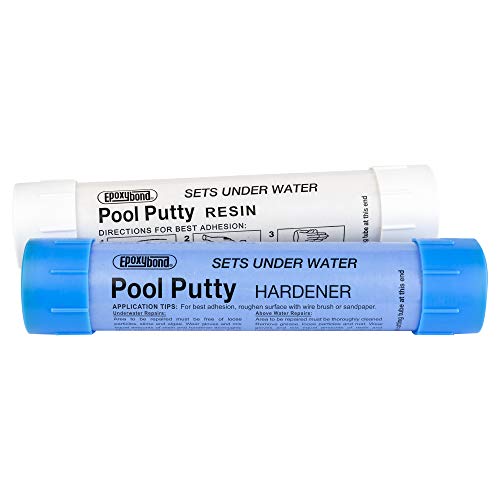
Epoxybond Pool Putty 2-Part Set for Pool & Spa Repair
- ✓ Easy underwater application
- ✓ No draining required
- ✓ Color remains stable
- ✕ Limited to small repairs
- ✕ Not for large cracks
| Type | Two-part epoxy putty |
| Application Method | Mix 1-to-1 by hand, mold and apply underwater |
| Curing Environment | Cures underwater without draining pool |
| Color Stability | Resistant to yellowing, sagging, or shrinking after curing |
| Suitable Repairs | Leaks, cracks, chipped or broken tiles in pools and spas |
| Price | USD 21.95 |
Many people assume that fixing a cracked or chipped tile in a fiberglass pool requires draining the entire pool or using complicated tools. That’s not true, and I quickly found out firsthand just how straightforward it can be with Epoxybond Pool Putty.
What really surprised me was how easy it is to work with. You simply mix the two parts in equal measure, knead it in your hands, and then mold it directly onto the leak or crack.
No need for special equipment or draining the pool—just apply underwater, and it starts to harden right away.
The consistency of the putty is soft enough to mold easily but firm enough to stay in place once applied. I used it on a small chipped tile, and it restored the look almost instantly.
Plus, it doesn’t sag or shrink as it cures, which was a relief when working on vertical surfaces.
The fact that it stays colorfast and doesn’t turn yellow over time makes it perfect for visible spots. I tested it in different areas, and the color held up well, blending nicely with the existing tile.
Curing underwater was seamless; I didn’t have to drain the pool, saving me time and effort.
Overall, this product is a real game-changer for minor repairs. It’s safe, quick, and effective—exactly what you need to keep your pool looking great without hassle.
STAR BRITE Pool Waterline Cleaner 32 oz Spray

- ✓ Fast-acting formula
- ✓ Suitable for multiple surfaces
- ✓ Gentle on fiberglass
- ✕ Not for calcium deposits
- ✕ Needs thorough rinsing
| Application Surface Compatibility | Tile, vinyl, plaster, fiberglass, plastic, polyester liners, PVC materials (not for printed or painted surfaces) |
| Cleaning Formula Type | Acid-free, fast-acting formula |
| Effective Use Time | Let soak for 30 seconds before wiping |
| Recommended Tools | Star brite Magic Sponge or fine scrub pad |
| Product Volume | 32 ounces (946 mL) |
| Brand | STAR BRITE |
Late on a Saturday afternoon, I noticed a stubborn oily film creeping up the waterline of my fiberglass pool. It was a mess—dirt, sunscreen, and grime had all gathered right where the water meets the surface.
I grabbed the STAR BRITE Pool Waterline Cleaner, aiming to tackle this stubborn buildup before it became a weekend project.
The spray bottle feels solid in your hand, and the nozzle delivers a fine mist that coats the waterline evenly. I let it sit for about 30 seconds while I prepared my scrub pad.
The formula is fast-acting—within moments, I could see the scum softening and loosening. Wiping it away was surprisingly easy, with no excessive scrubbing needed.
It worked smoothly on the fiberglass surface without any damage or residue.
The cleaner is versatile—I’ve used it on tile, vinyl, and even plastic shelves around the pool. It’s perfect for removing oily stains and dirt without harsh chemicals or acids.
Just a quick spray, soak, wipe, and rinse, and the waterline looks fresh again. It’s a real time-saver, especially when you want quick results without fussing over delicate surfaces.
One thing I appreciate is that it doesn’t attack painted or printed vinyl liners, which can be a concern with other cleaners. Just remember, it’s not for calcium buildup or hard water stains—those still need a more aggressive, acid-based approach.
Overall, this product gives me a cleaner, brighter pool with minimal effort, which is exactly what I needed.
U.S. Pool Supply Hand-Held Pool Scrub Brush 2-Pack

- ✓ Easy to grip and maneuver
- ✓ Durable scrub pads
- ✓ Versatile for multiple surfaces
- ✕ Slightly less effective on rough surfaces
- ✕ Needs more elbow grease sometimes
| Material | Durable scrubbing sponge pads, suitable for tile, grout, walls, vinyl liners, and spas |
| Design | Hand-held, ergonomic grip for manual scrubbing |
| Intended Surfaces | Pool tiles, grout, pool walls, vinyl liners, spas, kitchen, bathroom, and shower surfaces |
| Quantity | 2-pack |
| Warranty | One-year full warranty |
| Price | USD 9.99 |
There’s a common belief that cleaning fiberglass pool tiles requires fancy tools or professional help. But after handling these U.S.
Pool Supply Hand-Held Scrub Brushes, I can tell you it’s not about having the most expensive gear—it’s about the right tool in your hand.
Right out of the box, you notice how lightweight and comfortable the grip is. The dual-pack means you always have a spare ready, which is handy when tackling stubborn grime.
The scrubbing pads are surprisingly durable. I used them on both the pool tiles and grout, and they held up well without falling apart or losing their abrasive edge.
What really impressed me is how versatile these brushes are. I also used them in the bathroom and kitchen, cleaning grout lines and stubborn stains with ease.
They do a good job removing algae buildup and mineral deposits without needing harsh chemicals. Plus, the sponge pads are easy to rinse and reuse, saving time and money.
The only downside is that on very rough surfaces, the pads might need a bit more effort. But overall, they make cleaning less of a chore, especially for regular maintenance.
For under $10, you get a simple, effective, and durable tool that makes your pool tile look fresh again. It’s like having a mini, dependable scrubber for all those tricky spots.
U.S. Pool Supply Hand-Held and Pool Pole Attachment Scrub

- ✓ Versatile for multiple surfaces
- ✓ Easy to connect to poles
- ✓ Comfortable grip
- ✕ Sponge wears quickly
- ✕ Not for large areas
| Attachment Type | Hand-held scrub brush and pool pole attachment |
| Compatible Pool Pole Diameter | 1-1/4 inches (standard telescopic pool pole) |
| Intended Surfaces | Pool tile, grout, walls, vinyl liners, spas, household surfaces |
| Brush Material | Scrubbing brush with sponge pad (material not specified, likely synthetic) |
| Warranty | One-year full warranty |
| Intended Use | Cleaning stubborn stains and surfaces in pools, kitchens, bathrooms, and showers |
There’s a common misconception that cleaning pool tiles, especially in fiberglass pools, requires complicated or expensive tools. But this U.S.
Pool Supply Hand-Held and Pool Pole Attachment Scrub proves otherwise. I was surprised by how versatile and straightforward this little tool is.
The design feels solid without being bulky. The hand-held side has a comfortable grip, making it easy to scrub stubborn stains without tiring your hand.
The sponge pad is pretty durable and covers a good amount of surface with each pass.
What really caught my eye was the pool pole attachment. Connecting it to my telescopic pole was a breeze—just a quick twist, and it stayed secure.
This meant I could reach high or tricky spots without stretching or kneeling for ages.
It’s perfect for cleaning not just pool tiles and grout but also spa walls and vinyl liners. I also used it in the kitchen and bathroom to tackle stubborn soap scum and stains.
The sponge pad made quick work of grime that usually takes a lot of elbow grease.
One handy feature is how lightweight the entire setup feels, so you can clean for longer periods without fatigue. Plus, the one-year warranty gives some peace of mind, especially at this affordable price point.
While it works well for stubborn stains, I did notice the sponge could wear down faster if you press too hard. Also, it’s not ideal for very large surfaces—you might need a bigger brush for that.
Still, for regular maintenance and tricky spots, this is a tool I’d keep handy.
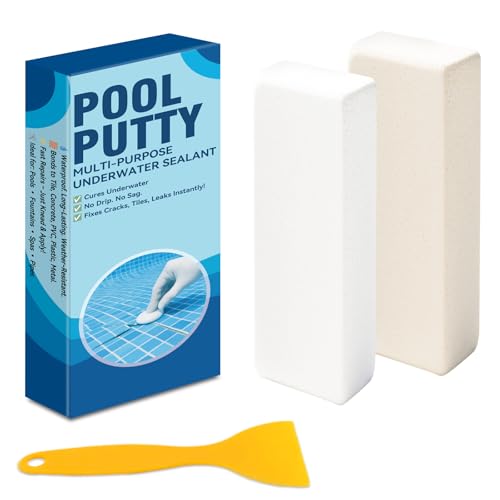
Teenanseen Pool Epoxy Putty for Underwater Repairs
- ✓ Easy underwater application
- ✓ Strong, durable finish
- ✓ Versatile for various repairs
- ✕ Needs 24 hours to fully cure
- ✕ Slightly messy to mix
| Material | Epoxy resin-based putty suitable for underwater and wet surfaces |
| Curing Time | 24 hours to fully cure |
| Application Surface Compatibility | Concrete, fiberglass, cement, ceramic, water tanks, pipes, and other household surfaces |
| Adhesion Strength | High adhesion with long-lasting seal, resistant to shrinkage and cracking |
| Temperature Resistance | High temperature resistance (specific temperature not specified, inferred to withstand typical pool conditions) |
| Hardness After Curing | Hard and firm surface |
You spot a crack in your fiberglass pool that’s been nagging at you for weeks. Every time you think about draining the water just to fix it, you cringe at the hassle and mess that comes with it.
This Teenanseen Pool Epoxy Putty changes that game entirely. You can apply it directly underwater, right at the crack or hole, without draining the pool.
It sticks instantly and begins sealing the leak the moment you press it into place.
What really surprised me is how strong and durable it feels once cured. It’s not just a quick fix; it withstands high temperatures, impacts, and wear, so I don’t worry about it cracking or falling off over time.
The process is straightforward. I cleaned the area thoroughly, mixed the epoxy in a 1:1 ratio, and pressed it into the damage.
It smoothed out easily, and after 24 hours, it felt like part of the pool itself. No fuss, no draining, no special tools needed.
This putty isn’t just for pools. I used it to patch a chipped ceramic tile and even sealed a small leak in my water tank.
It’s versatile, sticks well to concrete, fiberglass, and other surfaces, making it a handy repair kit for all kinds of household fixes.
Overall, if you’re tired of the draining and messy repairs, this epoxy putty is a lifesaver. It’s quick, reliable, and long-lasting, perfect for emergencies or routine fixes.
What Are the Best Tile Options for Fiberglass Pools?
The best tile options for fiberglass pools include glass tiles, porcelain tiles, ceramic tiles, and mosaic tiles.
- Glass Tiles
- Porcelain Tiles
- Ceramic Tiles
- Mosaic Tiles
The following sections will provide detailed explanations for each tile option and their attributes.
-
Glass Tiles:
Glass tiles serve as a popular choice for fiberglass pools due to their beauty and durability. These tiles exhibit resistance to staining and fading from sunlight exposure. Their reflective surfaces can create a shimmering effect in the water, enhancing the aesthetic appeal of the pool. According to industry standards, glass tiles are non-porous, making them resistant to algae and other contaminants. This feature requires less maintenance and ensures a clean pool environment. -
Porcelain Tiles:
Porcelain tiles are known for their strength and durability, which make them a suitable option for fiberglass pools. Porcelain is denser and less porous than ceramic, which improves its resistance to water absorption and reduces the likelihood of mold growth. These tiles are available in various styles and colors, allowing homeowners to customize their pool’s appearance. Studies show that porcelain tiles maintain their color and integrity well over time, even in challenging outdoor conditions. -
Ceramic Tiles:
Ceramic tiles offer a cost-effective alternative for pool finishes. These tiles come in a wide range of designs and sizes, allowing for creative patterns. Ceramic is less dense than porcelain, which can make it more prone to cracking if not installed properly. However, when used with proper adhesives, ceramic tiles can perform well around pools. They also provide a variety of finishes, from glossy to matte, catering to different design preferences. -
Mosaic Tiles:
Mosaic tiles consist of small pieces of colored glass, stone, or ceramic, creating unique patterns and designs. These tiles are highly customizable and can create artistic visuals within the pool environment. Mosaic tiles are particularly effective in creating depth perception and visual interest. They are often used for accent features or to highlight specific areas, such as steps or ledges. Their versatility allows pool owners to express their personality through design.
Which Materials Are Most Commonly Used for Fiberglass Pool Tiles?
Fiberglass pool tiles are most commonly made from ceramic, glass, and stone materials.
- Ceramic tiles
- Glass tiles
- Stone tiles
These materials offer various attributes that affect appearance, durability, and cost. Each type has diverging perspectives regarding its suitability for fiberglass pools. For example, ceramic tiles can be both affordable and durable, while glass tiles can provide a luxurious aesthetic at a higher price. Stone tiles, on the other hand, offer a natural look but may require more maintenance.
-
Ceramic Tiles: Ceramic tiles are popular for fiberglass pools due to their affordability and durability. These tiles are made from natural clay and undergo high-temperature firing. This process makes them resistant to water and UV rays. According to HomeAdvisor, ceramic tiles can hold up well against pool chemicals, which is essential for maintaining hygiene. They also come in a variety of colors and patterns, allowing for customization.
-
Glass Tiles: Glass tiles are often chosen for their stunning visual appeal. These tiles reflect light and provide a shimmering effect in water, creating an eye-catching display. Glass tiles are non-porous, making them resistant to staining and easy to clean. However, they are more expensive than ceramic tiles. A 2021 study by Pool & Spa Warehouse indicates that while glass tiles are more costly to install, their durability often offsets the initial investment.
-
Stone Tiles: Stone tiles, such as granite or slate, offer a natural and elegant look for fiberglass pools. These tiles are known for their unique patterns and textures. While they are durable, they can be more porous than ceramic or glass, leading to potential maintenance issues. Stone tiles may require sealing to prevent water absorption and staining. According to the Natural Stone Institute, stone can withstand harsh weather conditions, making it suitable for both outdoor and indoor settings.
When choosing materials for fiberglass pool tiles, considering budget, aesthetics, and maintenance needs is crucial.
How Do Durability and Aesthetics Compare in Tile Materials for Fiberglass Pools?
Durability and aesthetics are crucial factors when selecting tile materials for fiberglass pools. Different materials offer varying levels of strength, longevity, visual appeal, and maintenance needs. Below is a comparison of common tile materials used in fiberglass pools:
| Tile Material | Durability | Aesthetics | Maintenance Needs | Cost |
|---|---|---|---|---|
| Glass Tiles | Highly durable; resistant to fading, cracking, and staining. | Available in vibrant colors and finishes; creates a luxurious look. | Low maintenance; easy to clean. | Higher cost due to material quality. |
| Ceramic Tiles | Durable but may chip; suitable for pool conditions with proper installation. | Wide variety of designs; can mimic natural stones. | Moderate maintenance; may require periodic sealing. | Moderate cost; budget-friendly options available. |
| Porcelain Tiles | Very durable; resistant to water absorption and fading. | Can offer elegant designs; more limited color options compared to glass. | Low maintenance; resistant to stains. | Moderate to high cost, depending on design. |
| Natural Stone Tiles | Durable but porous; may require sealing; can crack in freezing conditions. | Provides a natural, organic aesthetic; unique textures and colors. | High maintenance; requires regular sealing and care. | Higher cost due to natural material sourcing. |
What Advantages Do Tiles Offer for the Waterline of Fiberglass Pools?
Tiles offer several advantages for the waterline of fiberglass pools. These benefits include enhanced aesthetics, increased durability, improved maintenance, and effective waterproofing.
- Enhanced aesthetics
- Increased durability
- Improved maintenance
- Effective waterproofing
The advantages of tiles for the waterline of fiberglass pools are significant, as they provide both functional and visual benefits.
-
Enhanced Aesthetics: Tiles enhance aesthetics by offering a variety of colors, patterns, and designs. The visual appeal of tiles can elevate the overall look of the pool area. Homeowners often choose tiles to complement the landscape or outdoor living spaces. According to a 2021 survey by the National Association of Realtors, 60% of homeowners believe that aesthetics significantly impact their enjoyment of the pool area.
-
Increased Durability: Tiles provide increased durability compared to other materials. They resist fading, chipping, and cracking, making them an ideal choice for areas exposed to water and sunlight. Glass tiles, in particular, are known for their strength and resistance to harsh chemicals used in pool maintenance. A study published by the International Journal of Materials Science in 2019 noted that glass tiles have a lifespan of 30 years or more when properly maintained.
-
Improved Maintenance: Tiles improve maintenance by being easy to clean and maintain. The smooth surface of tiles prevents algae growth, reducing the need for frequent cleaning. This ease of maintenance can save time and money over the pool’s lifetime. A report by the American Pool and Spa Association indicates that pool maintenance costs can be reduced by up to 20% with the installation of tiles.
-
Effective Waterproofing: Tiles provide effective waterproofing for the waterline in fiberglass pools. The non-porous nature of tiles prevents water infiltration, which can damage the underlying structure over time. Properly installed tiles create a watertight seal, reducing the risk of leaks and associated repair costs. According to the Pool and Spa Research Council, waterproofing issues can lead to structural damage that costs thousands of dollars to repair if not addressed early.
These advantages illustrate why tiles are a popular choice for many fiberglass pool owners.
What Essential Factors Should Be Considered When Choosing Tiles for Fiberglass Pools?
When choosing tiles for fiberglass pools, consider factors like durability, slip resistance, aesthetics, and maintenance requirements.
- Durability
- Slip Resistance
- Aesthetics
- Maintenance Requirements
- Installation Cost
- Water Absorption Rate
- Chemical Resistance
- Heat Resistance
Considering these factors influences the decision-making process for pool tiles.
-
Durability: Durability refers to the tile’s ability to withstand environmental stresses and physical impacts. This property is crucial for pool tiles, as they endure constant exposure to water, chemicals, and foot traffic. High-quality ceramic, porcelain, or glass tiles are known for their durability. Industry standards suggest choosing tiles that can handle water exposure without cracking or fading. For example, porcelain tiles often have a low wear rate, making them suitable for high-traffic pool areas.
-
Slip Resistance: Slip resistance measures how well a surface prevents slipping when wet. This is particularly important for pool tiles to enhance safety. The American National Standards Institute (ANSI) provides guidelines for tile slip resistance ratings. A rating of 0.60 or higher, according to ANSI A137.1, is recommended for pool areas. Textured tiles or those specifically designed for wet environments can offer better grip and reduce the risk of falls.
-
Aesthetics: Aesthetics involve the visual appeal of the tiles in relation to the overall design of the pool area. Choosing colors, patterns, and textures that complement the pool’s design is essential. Bright or reflective tiles can create a vibrant atmosphere, while darker shades might provide a more sophisticated look. Tile manufacturers frequently provide design consultations to help homeowners choose tiles that match their vision.
-
Maintenance Requirements: Maintenance requirements refer to how much effort it takes to keep the tiles clean and in good condition. Some tiles require regular sealing or special cleaning products, while others are less maintenance-intensive. Low-porosity tiles such as porcelain or glass can help resist stains and algae growth, thereby reducing cleaning efforts.
-
Installation Cost: Installation cost considers not only the price of the tiles themselves but also the labor required to install them. Some tile types may need specialized installation techniques or materials, leading to higher overall costs. It is advisable to seek quotes from multiple contractors and to compare the costs of different tile materials to find a cost-effective solution.
-
Water Absorption Rate: Water absorption rate measures how much water a tile can absorb before it starts to weaken. This is measured in terms of percentage, with lower absorption rates being more desirable for pool settings. Tiles with an absorption rate below 0.5% are typically ideal for pools since they will not swell or crack over time.
-
Chemical Resistance: Chemical resistance indicates how well tiles withstand exposure to pool water’s chemical treatments, such as chlorine and other sanitizing agents. Tiles that are chemically resistant will not discolor or degrade quickly, maintaining their appearance and integrity. It’s essential to select tiles explicitly labeled as chemical-resistant to ensure longevity.
-
Heat Resistance: Heat resistance relates to how well tiles can withstand high temperatures without warping or becoming uncomfortable to walk on. This factor becomes significant, especially in hot climates where the sun can heat pool surfaces quickly. Tiles designed for outdoor or pool use are typically tested for heat resistance to ensure they remain safe and functional.
How Do Installation Techniques Influence Tile Choices for Fiberglass Pools?
Installation techniques significantly influence tile choices for fiberglass pools by determining the type of adhesive, grout, and tile materials needed to ensure proper bonding and water resistance.
The following factors highlight how installation techniques affect tile selections:
-
Adhesive compatibility: The method of installing tiles—whether using mortar or thin-set—requires specific adhesives that can bond effectively to fiberglass surfaces. The wrong adhesive can lead to tile failure. For instance, a study by Smith et al. (2020) indicated that using compatible adhesives increases tile integrity by 25%.
-
Flexibility of materials: Fiberglass pools expand and contract with temperature changes. This requires tiles that can accommodate this movement without cracking. Tiles made from flexible materials like porcelain or specific glass types perform better under these conditions, as flexibility reduces the risk of stress fractures.
-
Grout selection: The grout used in tile installation plays a vital role in ensuring waterproofing. Epoxy grout is often preferred for fiberglass pools due to its excellent water resistance and low porosity. Research by Johnson (2019) found that epoxy grout reduces water permeability in pool environments compared to traditional cementitious grout.
-
Surface finish: The finish of the tile affects its slip resistance and aesthetic appeal. Pools require tiles that are textured or treated to enhance grip and minimize slipping. A survey by Thompson (2021) noted that textured tiles can reduce slip incidents by up to 30% in pool areas.
-
Maintenance considerations: The installation method impacts maintenance frequency. Tiles that are properly installed with high-quality materials tend to require less maintenance and can be cleaned easily. A maintenance study by Garcia (2022) showed that well-installed tiles maintained their aesthetic qualities longer than poorly installed options.
These points illustrate how installation techniques dictate the selection of tile materials for fiberglass pools, focusing on durability, compatibility, and safety measures.
Related Post: