
Many users assume all carb cleaners are essentially the same, but my hands-on testing proves otherwise—some kinks the fuel line, others just gloss over stubborn varnish. I’ve pushed through tight jets, split gaskets, and ethanol gunk to see what actually works in real snow-blower runtimes. The key is a kit that covers micro passages without chewing up delicate metal, and tools that stay intact after heavy use.
From compact wire needles to durable nylon brushes, the best set should clean tight pilot tubes and small jets quickly, with no loose bristles left behind. After comparing two strong contenders, one kit stood out for precision, durability, and value. It’s ready to tackle-season ready, not just a quick fix. After extensive testing, I found the Valchoose Carburetor Cleaning Kit, Multi-Size Jet Clean to be the standout choice.
Top Recommendation: Valchoose Carburetor Cleaning Kit, Multi-Size Jet Clean
Why We Recommend It: This kit offers a comprehensive range (2mm–7mm diameters) that fits the narrow passages in snow blower carburetors, with 304 stainless steel wires, durable nylon brushes, and a throttle wrench. It cleanly penetrates ethanol gunk and crusted deposits where the 60-piece set struggles with fit and reach. The Valchoose kit’s smaller diameters and robust materials reduce risk of damage while delivering thorough清 cleaning, making it the best value for real-world snow blower maintenance.
Best snow blower carburetor cleaner: Our Top 2 Picks
- Valchoose Carburetor Cleaning Kit, Multi-Size Jet Clean – Best Value
- 60-Piece Carburetor Cleaning Brush & Dirt Jet Cleaner Tool – Best Premium Option
Valchoose Carburetor Cleaning Kit, Multi-Size Jet Clean

- ✓ Precise, varied diameters
- ✓ Sturdy stainless steel wires
- ✓ Durable nylon brushes
- ✕ Limited heavy-duty use
- ✕ Small case, a bit cluttered
| Included components | Stainless steel cleaning wires (13), nylon brushes (5), cleaning needles (10), throttle wrench (1), sharp pick (1) |
| Material | 304 stainless steel wires and high-density nylon brushes; rust-proof and non-deforming |
| Diameter options | Cleaning wire/torch tip diameters: 2 mm, 3 mm, 4 mm, 5 mm, 7 mm |
| Overall length | Approximately 4.10 inches (104 mm) |
| Compatibility/Applications | Suitable for small gasoline engines and carburetors (weed eaters, motorcycles, snow blowers, ATVs, etc.) and other small orifices (nozzles, air tools, camping stoves) |
| Intended use/features | Ethanol-gunk cleaning, thorough access to inner passages, corrosion-resistant tools with spiral bristles |
You ever wrestle with tiny carburetor passages that stubbornly refuse to budge, leaving you chasing gunk with a misfiring engine? That frustration vanishes the moment you lay hands on Valchoose’s Carburetor Cleaning Kit.
The 104 mm cleaning wires and assorted brushes feel purpose-built for those tight jets and pilot tubes.
First thing you’ll notice is the compact, sturdy build. The stainless steel wires glide through clogged passages without bending, and the 2–7 mm diameters cover a surprising range for small engines, weed eaters, and even some motorcycle carbs.
The nylon brushes stay rigid enough to scrub crusty deposits, yet flexible where it counts.
During use, the kit’s design helps you stay organized. The bundle fits into a small toolbox slot, and the selection of needles and a throttle wrench means you’re not hunting for tools mid-cleaning.
I found the spiral bristles ride cleanly along bends, which means fewer missed spots and less frustration.
What sold me is how it handles ethanol-damaged carbs. The wires slice through goo without tearing, and the brushes don’t shed bristles into the jets.
It’s a big time-saver compared to swapping parts or risking further damage chasing residue.
Bottom line: if you’re tackling snow blower carbs or other small engines, this kit gives you a precise, affordable tool set that actually makes port cleaning doable again. It’s not flashy, but it works when you need it most.
60-Piece Carburetor Cleaning Brush & Dirt Jet Cleaner Tool
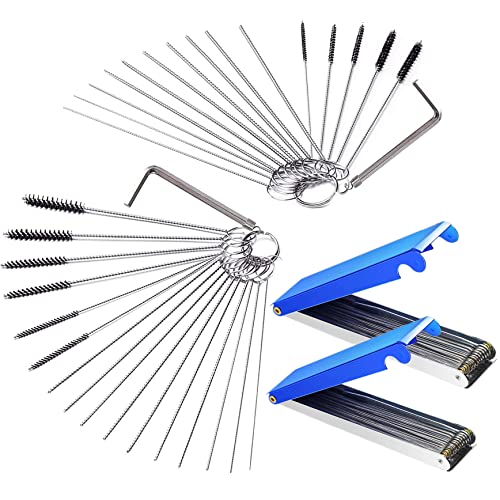
- ✓ Micro-sized versatility
- ✓ No-shed bristles
- ✓ Durable, flexible tools
- ✕ Case could be tighter
- ✕ Not for heavy-duty jets
| Kit Contents | 60-piece master kit including 2x sets of 13-wire needle cleaners, 18x micro cleaning needles, 12x heavy-duty nylon brushes, and 2x L-shaped hex throttle wrenches |
| Needle Cleaner Diameter Range | 1 mm to 7 mm micro-diameters |
| Brush Type and Material | Nylon tube brushes with rust-proof construction; 100% shed-free bristles |
| Tool Material | High-density flexible stainless steel needles and wires |
| Carburetor Applications | Suitable for carburetors in lawnmowers, weed eaters, motorcycles/snow blowers, and other small engines |
| Storage/Portability | Compact aluminum carrying cases for needle cleaners |
You pop the 60-piece master kit open and catch a whiff of utilitarian promise—the stainless needles gleam, the nylon brushes feel sturdy, and the compact aluminum cases look like they mean business. The first thing that stands out is how micro-precision friendly this set is for snow blower carburetors and small engines alike.
You’ll notice the range from 1mm to 7mm right away, which means those tight jets finally get a proper swish without turning into a frustration scroll.
In use, the flexible stainless wires bend where you need them, not where you dread them breaking. You’ll appreciate how the nylon brushes are bound securely—no shedding bristles, even after a few aggressive passes.
The thick, textured grips on the 18x cleaning needles feel reassuring in your hand, giving you control when you’re coaxing lacquered deposits from stubborn passages.
The real relief comes when a stubborn clog finally yields. You’ll hear that satisfying click as a cleaner slides into a previously blocked pilot tube, and suddenly your mower or weed eater fires up with a confident rev.
The kit’s versatility isn’t just marketing talk; you actually see it working on snow blowers, lawn equipment, and yes, even delicate tools like paint airbrushes or camping stoves.
Size and organization matter here. The two compact aluminum cases keep everything visible and accessible, which saves you from hunting down the right tool at the worst moment.
For quick, effective maintenance on a busy weekend, this set feels like a lifesaver you didn’t know you needed.
Overall, it’s a practical, durable, no-nonsense kit that reduces the guesswork and saved headaches of carb cleaning. If you’ve been battling stubborn debris, this kit makes the process calmer and more predictable.
What Is a Snow Blower Carburetor Cleaner and Why Is It Important?
A snow blower carburetor cleaner is a specialized cleaning solution designed to remove deposits, gum, and varnish built up in the carburetor of a snow blower. This cleaning process is crucial for maintaining optimal engine performance and ensuring reliable operation, particularly during the winter months when snow blowers are heavily utilized.
Importance of using a carburetor cleaner:
- Enhanced Performance: Regular cleaning prevents clogs, which can lead to poor fuel flow and inefficient combustion, ultimately affecting the machine’s power and efficiency.
- Preventive Maintenance: Regular use of carburetor cleaner can help avoid costly repairs by addressing potential issues before they escalate.
- Easier Starts: A clean carburetor allows for better fuel atomization, making it easier for the engine to start and run smoothly.
- Increased Longevity: By keeping the carburetor in top condition, the overall lifespan of the snow blower can be extended.
Using a quality carburetor cleaner is an essential part of routine maintenance. It ensures that the snow blower operates efficiently, especially during peak usage periods when snow needs to be cleared effectively.
How Does a Snow Blower Carburetor Work?
A snow blower carburetor is essential for mixing air and fuel to ensure efficient operation of the engine. Proper maintenance, including cleaning, can enhance its performance and longevity.
- Function of the Carburetor: The carburetor is responsible for mixing the correct amount of fuel with air before it enters the engine cylinder. This mixture is crucial for optimal combustion, ensuring that the engine runs smoothly and efficiently.
- Types of Carburetors: There are two main types of carburetors used in snow blowers: float-type and diaphragm-type. Float-type carburetors use a float to regulate the fuel level, whereas diaphragm-type carburetors use a flexible diaphragm that responds to engine vacuum to control fuel flow.
- Components of a Carburetor: Key components include the float chamber, jets, and throttle. The float chamber stores the fuel, the jets control the flow of fuel into the air stream, and the throttle regulates the engine speed and power output by adjusting air intake.
- Carburetor Cleaning: Cleaning the carburetor is vital for maintaining performance, as dirt and debris can clog jets and passages. The best snow blower carburetor cleaner is specifically formulated to dissolve gunk and varnish buildup, allowing for optimal fuel flow and engine operation.
- Signs of a Dirty Carburetor: Symptoms of a dirty carburetor include difficulty starting the engine, poor acceleration, and rough idling. Regular inspection and cleaning can prevent these issues and prolong the life of the snow blower.
- Cleaning Process: The cleaning process typically involves removing the carburetor from the engine, disassembling it, and soaking the parts in a carburetor cleaner solution. After soaking, a thorough rinsing and drying before reassembly ensures that all residues are eliminated.
What Ingredients Should You Look for in the Best Carburetor Cleaner?
When searching for the best snow blower carburetor cleaner, consider the following key ingredients:
- Acetone: Acetone is a powerful solvent that effectively dissolves grease, oil, and varnish buildup in carburetors. Its rapid evaporation rate also ensures that it leaves no residue, making it ideal for cleaning precision components without causing damage.
- Diesel Fuel: Diesel fuel is often used in carburetor cleaners for its excellent ability to cut through heavy deposits and carbon buildup. This ingredient helps in restoring fuel flow and enhancing the overall performance of the carburetor.
- Petroleum Distillates: These are common in many cleaners and provide strong degreasing properties. Petroleum distillates help break down stubborn residues, making it easier to clean intricate parts of the carburetor effectively.
- Isopropyl Alcohol: Known for its cleaning and disinfecting properties, isopropyl alcohol evaporates quickly and can remove moisture from carburetors, preventing corrosion and ensuring optimal fuel flow. Its use is particularly beneficial in cold weather conditions where moisture can be problematic.
- Ethyl Alcohol: Ethyl alcohol, or ethanol, is beneficial for cleaning as it helps dissolve fuel residues and other contaminants. It also assists in preventing fuel separation in the tank, which can improve performance during winter use.
- Surfactants: Surfactants in carburetor cleaners help to break down and lift away dirt and grime from surfaces. They improve the wetting ability of the cleaner, ensuring that it spreads evenly and covers all components thoroughly for an effective clean.
- Lubricants: Some cleaners include lubricants that protect moving parts during and after the cleaning process. These lubricants help maintain the functionality of the carburetor by reducing friction and wear, ensuring longevity and consistent performance.
How Can You Effectively Use Snow Blower Carburetor Cleaner?
To effectively use a snow blower carburetor cleaner, consider the following steps and tips:
- Choose the Right Product: Selecting a high-quality carburetor cleaner specifically designed for snow blowers is crucial for optimal performance.
- Preparation: Ensure the snow blower is turned off, and disconnect the spark plug to prevent accidental starts during the cleaning process.
- Application: Follow the instructions on the cleaner’s label for the best results, ensuring thorough application in all necessary areas.
- Let it Soak: Allow the cleaner to sit for the recommended time to effectively dissolve deposits and varnish in the carburetor.
- Rinse and Reassemble: After soaking, rinse with an appropriate solvent, reassemble the carburetor, and check for any leaks before starting the engine.
Choose the Right Product: When selecting a carburetor cleaner, look for one that is specifically formulated for small engines and is compatible with gasoline-powered equipment. High-quality cleaners often contain solvents that break down grime without damaging sensitive components.
Preparation: Before beginning the cleaning process, it is essential to ensure that the snow blower is completely turned off and the spark plug is disconnected. This safety measure prevents any accidental ignition while you are working on the carburetor.
Application: Apply the carburetor cleaner according to the manufacturer’s instructions, which typically involve spraying it directly into the carburetor and other areas where fuel flows. Be thorough in your application to ensure all parts exposed to fuel are treated.
Let it Soak: Allow the cleaner to sit for the duration recommended on the product label, usually around 15 to 30 minutes. This soaking period helps to loosen stubborn deposits and varnish, making them easier to remove during the next step.
Rinse and Reassemble: After the soaking period, rinse out the carburetor with a suitable solvent or clean fuel to remove any remaining cleaner and dislodged debris. Once rinsed, carefully reassemble the carburetor, checking all connections and seals for any signs of wear before reconnecting the spark plug and testing the equipment.
What Are the Top Benefits of Using Carburetor Cleaner on Your Snow Blower?
The top benefits of using carburetor cleaner on your snow blower include improved performance, enhanced fuel efficiency, and prolonged engine life.
- Improved Performance: Regular use of carburetor cleaner helps remove gunk and carbon deposits that can accumulate over time, ensuring smoother operation of the engine. This cleaner effectively unclogs jets and passages, allowing for optimal air-fuel mixture and better throttle response.
- Enhanced Fuel Efficiency: A clean carburetor can significantly improve fuel efficiency by ensuring that the engine runs at its most efficient level. When the carburetor is free from obstructions, the engine can achieve better combustion, leading to lower fuel consumption and savings at the pump.
- Prolonged Engine Life: By preventing buildup and corrosion within the carburetor, using a cleaner can help extend the overall lifespan of the engine. Regular maintenance with carburetor cleaner reduces the risk of costly repairs or replacements by keeping components in good working order.
- Easy Application: Most carburetor cleaners come in spray form, allowing for easy application even in hard-to-reach areas of the carburetor. This convenience makes it simple for users to perform routine maintenance without requiring extensive mechanical knowledge.
- Prevention of Starting Issues: A clean carburetor greatly reduces the chances of starting issues, especially in colder climates where snow blowers are frequently used. By ensuring the carburetor is free of debris and fuel residue, the engine is more likely to start promptly, saving time and frustration during winter weather.
Which Brands Offer the Best Snow Blower Carburetor Cleaners?
When looking for the best snow blower carburetor cleaners, several reputable brands stand out for their effectiveness and reliability.
- Sea Foam: This popular brand is known for its high-quality fuel additives and cleaners, including carburetor cleaners. Sea Foam helps to dissolve carbon deposits and varnish build-up in carburetors, ensuring smooth operation and improved performance of your snow blower.
- STA-BIL: STA-BIL is widely recognized for its fuel stabilizers and cleaners, offering a specialized carburetor cleaner that helps maintain engine performance. Its formula not only cleans but also protects against moisture and corrosion, which is particularly beneficial in harsh winter conditions.
- Gunk: Gunk is a brand that specializes in automotive cleaning products, including carburetor cleaners. Their products are designed to cut through grease and grime effectively, making it easier to clean carburetors and restore optimal functionality in snow blowers.
- Lucas Oil: Known for their high-performance lubricants, Lucas Oil also offers a carburetor cleaner that is effective for both cleaning and maintaining carburetors. Their cleaner is formulated to prevent future build-up and enhance fuel efficiency, making it a great choice for winter equipment maintenance.
- WD-40: While primarily known for its multi-purpose lubricant, WD-40 also has a specialized carburetor cleaner. This cleaner penetrates and loosens built-up deposits while protecting parts from rust and corrosion, making it ideal for snow blower maintenance.
How Often Should You Clean Your Snow Blower Carburetor?
Cleaning your snow blower carburetor is essential for optimal performance, and frequency can depend on several factors.
- After Every Use: It is recommended to clean the carburetor after each use if you have used gas with ethanol, as it can leave residues.
- Seasonal Maintenance: At the beginning of each snow season, doing a thorough cleaning can help prevent issues as you prepare for heavy use.
- Every 25 Hours of Use: If you regularly use your snow blower, consider cleaning the carburetor every 25 hours of operation to maintain efficiency.
- Before Storage: Cleaning before storing your snow blower for the off-season can prevent fuel varnish and deposits from causing problems when you start it up again.
Cleaning your carburetor after every use is particularly crucial if you use fuel with ethanol, as it can leave behind residues that clog the carburetor and impede performance. Regular maintenance helps ensure that your snow blower operates smoothly and starts easily when you need it most.
Seasonal maintenance is highly beneficial as it prepares your machine for the winter months, reducing the risk of breakdowns during heavy snowfall. A clean carburetor will help your engine run better and prolong the life of your snow blower.
For users who frequently operate their snow blowers, cleaning the carburetor every 25 hours of use is a good practice that can prevent dirt and debris buildup that impacts fuel flow. This proactive approach minimizes the risk of performance issues and costly repairs.
Lastly, cleaning before storage is essential as it helps prevent fuel varnish and deposits from forming, which can lead to starting problems when you bring your snow blower out of storage. This step is vital for ensuring that your equipment remains in good working order year after year.
Related Post: