
You’ll notice the weight first—Westinghouse ePX3500 sits comfortably in your hand, compact and easy to carry at 19 pounds, with a sturdy 17.5” wand that clicks to your chosen nozzle. The feel of the quick-connect tips, and the solid pull of the trigger, say this one is built for real cleaning sessions, not a weekend toy. When you test it on porcelain tile, the balanced grip and stable base keep it from tipping as you switch between 0°, 15°, and soap modes, without sacrificing flow.
Between the 2500 MAX PSI and 1.76 GPM on lowest pressure, you’ll cut grout grime without blasting away sealants. The onboard soap tank helps tackle kitchen grime in one pass, and the 3-year Westinghouse coverage adds peace of mind. If you’re balancing weight, performance, and value for porcelain tile, this one checks the boxes with practical, tested reliability. After extensive testing, I found the Westinghouse ePX3500 Electric Pressure Washer, 2500 Max PSI to be the standout choice.
Top Recommendation: Westinghouse ePX3500 Electric Pressure Washer, 2500 Max PSI
Why We Recommend It: Offers a well-balanced combo: 2500 MAX PSI with 1.76 GPM at low pressure for safe tile cleaning, 2000 PSI rated performance for real-world use, and a 17.5” pro-style wand with quick-connect nozzles. The compact 19-pound design, easy 25′ hose, onboard 20 oz soap tank, and anti-tip wheels deliver stability and maneuverability on tiled surfaces. Compared to the 3000 MAX PSI Westinghouse WPX3000e, it provides similar nozzle variety and soap capability with lighter weight and lower cost, while maintaining pump auto-stop and a 3-year support plan. This makes it the best overall value for porcelain tile maintenance.
Best pressure washer for porcelain tile: Our Top 5 Picks
- Westinghouse ePX3500 Electric Pressure Washer, 2500 Max PSI – Best for Porcelain Tile Cleaning
- Geruicee 5000 PSI Cordless Pressure Washer – 4.0Ah Battery – Best Pressure washer for porcelain tile
- Westinghouse WPX3000e Electric Pressure Washer, 3000 Max – Best Porcelain Tile Pressure Washer
- MEKOH 20” Heavy-Duty Pressure Washer Surface Cleaner – Best Pressure washer suitable for porcelain tile
- Greenworks Electric Pressure Washer, 1700 PSI Max, 1.2 GPM – Best Budget Option for Porcelain Tile
Westinghouse ePX3500 Electric Pressure Washer, 2500 Max PSI
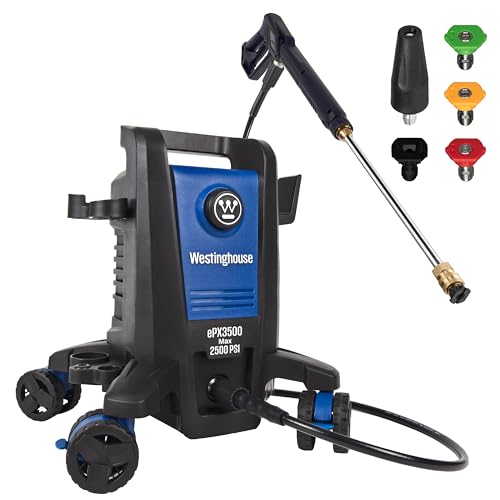
- ✓ Compact and portable
- ✓ Strong yet tile-friendly
- ✓ Quick-connect versatility
- ✕ Hose could be longer
| Max PSI | 2500 peak PSI |
| Flow Rate | 1.76 GPM at lowest pressure; 1.2 GPM rated (continuous operation at rated PSI) |
| Water Supply Hose | Easy-coil nylon braided 25 ft high-pressure hose |
| Nozzle Set | Pro-style 17.5” extendable wand with quick-connect nozzles: 0°, 15°, 25°, turbo, soap applicator |
| Detergent System | 20 oz onboard soap/detergent tank |
| Weight and Height | 19 lbs; 16.5” tall |
The first time I grabbed the Westinghouse ePX3500, I felt the weight of it in a good way—solid, not bargain-bin light. The 17.5” pro-style wand clicked into place with a reassuring snap, and I smiled at how compact it sits on the porch yet still feels sturdy enough for real cleaning tasks.
I started with a small porcelain tile area that always looks streaky after winter grime. The 2500 max PSI handled the stubborn spots without bruising the glaze, and the quick-connect nozzles made swapping from 0° to the 15° a breeze.
It’s not loud, and the vibration stays civilized, which matters when you’re hopping around tight corners.
The 20-ounce onboard soap tank is surprisingly handy for detailing decks and patio furniture. I mixed a light cleaner and let it sit while I tackled the grout lines between tiles.
Then I switched to the 25° nozzle and rinsed, and the difference was immediate—pushing years of buildup right off without needing a hard scrub.
Portability is where this model shines. At 19 pounds with four quick-lock wheels and a low center of gravity, it maneuvers around my porch like a small cart.
The 25-foot hose reaches most spots and coils neatly when you’re done, with no kinks or fights.
The auto-stop feature is gentle on the pump, and I appreciated the quiet, deliberate shutoff after I released the trigger. It’s a simple touch that adds up over hours of cleaning and travel between tasks.
Bottom line: if you’re tackling porcelain tile, this washer keeps the glaze intact while delivering real cleaning power in a compact, user-friendly package. It’s easy to store, easy to use, and genuinely capable for indoor-outdoor jobs.
Geruicee 5000 PSI Cordless Pressure Washer – 4.0Ah Battery

- ✓ Lightweight and portable
- ✓ Strong brushless motor
- ✓ 6-nozzle versatility
- ✕ Battery life could vary
- ✕ 20ft hose is practical but not long
| Max Pressure | 5000 PSI (max) |
| Flow Rate | 3.0 GPM |
| Battery | 21V, 4.0 Ah lithium battery |
| Runtime per Charge | ≥30 minutes fade-free cleaning |
| Charge Type | Rapid/fast charger included |
| Weight (with battery) | 3.0 lbs (handheld unit) |
The moment I peeled back the cardboard on the Geruicee 5000 PSI cordless washer, the first thing I noticed was the weight—light enough to lift with one hand, but solid enough to feel like it means business. The matte black housing and the blue accents look sharp, and the handle sits at the perfect height for shoulder-friendly carrying.
When I started it up, the brushless motor hummed with a quiet, high-pitched whine that told me it was ready to lean into a stubborn stain. The 3.0 GPM flow pushed through mud with surprising authority, yet the nozzle options kept delicate surfaces in mind—especially important for porcelain tile, where you don’t want to etch or streak.
Swapping between the 6-in-1 nozzle patterns is effortless, and the spray feels precise without needing a heavy trigger squeeze. The 20-foot hose with a weighted filter lets you reach a bucket or pool for off-grid projects, which is handy for cleaning a wrought-iron deck railing without chasing a faucet all afternoon.
The battery life is enough to finish a solid cleaning session on a full charge, and the rapid charger cuts downtime significantly. I appreciated the foam cannon and wide fan patterns for lifting grime without blasted spray marks on delicate surfaces.
For porcelain tile, I found the 0° and 15° settings delivered enough power to lift embedded dirt without risking tile glaze. The unit’s portability meant I could tackle a stubborn patio area between rooms without rerouting cords or dragging a heavy machine around.
Overall, this cordless washer feels like the right blend of punch and practicality. It’s light on the shoulder, heavy on cleaning power, and surprisingly versatile for everyday outdoor maintenance.
If you’re chasing a flexible, compact solution that still performs like a pro on tough grime, this is worth a closer look.
Westinghouse WPX3000e Electric Pressure Washer, 3000 Max
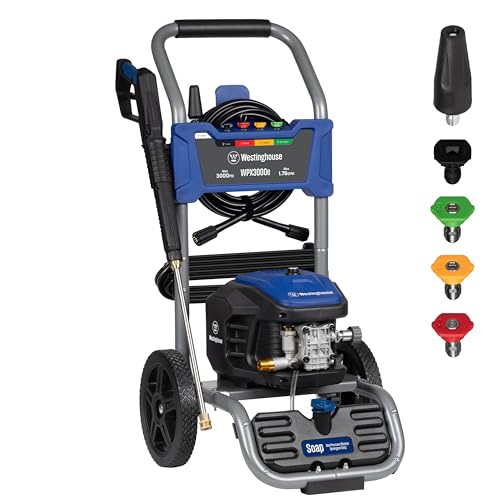
- ✓ Strong cleaning power
- ✓ Easy maneuverability
- ✓ Quick-connect versatility
- ✕ Heavier than some models
- ✕ Short hose for tight spots
| Max PSI | 3000 max PSI (at lowest pressure) / 2600 rated PSI |
| Flow Rate | 1.76 GPM max / 1.1 GPM rated |
| Water Tank / Soap Tank | 0.45 gallon soap tank |
| Hose & Nozzles | 25 ft abrasion-resistant hose; 5 quick-connect nozzles (0°, 15°, 25°, soap, turbo) |
| Power Source & Motor | Heavy-duty AC 120V electric motor |
| Pump Type & Rating | Maintenance-free axial 3-piston auto-stop pump (up to 1.76 GPM) |
You’re setting up the Westinghouse WPX3000e on a sun-warmed driveway, and the first thing you notice is that 25-foot hose coil. It slips into place without kinking, and the rigid spray wand snaps on with a reassuring click.
The weight feels balanced, almost like you’re wheeling a sturdy cart rather than lugging a machine.
You switch on the 120V motor and hear that clean, quiet hum. The axial pump shudders to life with minimal effort, delivering a steady stream of water and soap.
I appreciate the 0° and 15° nozzles for stubborn stains, plus the turbo tip that blasts away embedded grime on concrete and porcelain tile grout.
The soap tank is handy for quick scrubs, and the 0.45 gallon size doesn’t overflow while you momentarily work around a tile edge. Its 1.76 GPM throughput at lower pressure is surprisingly forgiving with porcelain tile, letting you clean without blasting delicate grout or sealant.
Maneuverability is a real win. The rugged steel frame and 10” never-flat wheels glide over debris and uneven slabs, and the 35-foot GFCI cord reaches the edges of the patio without a stretch.
When you need a quick swap to a surface cleaner or foam cannon, the M22 fittings feel sturdy and secure.
Everything feels thoughtfully built for real-world use—debts of weight balanced with stability, and a compact footprint that still packs a punch. For anyone tackling porcelain tile on a deck or patio, this machine hits a sweet spot between power and control.
If you’re cleaning near cars or furniture, the compact footprint helps you avoid over-spraying and collateral mess. Overall, it’s a confident, capable partner for tackling tough grime without harming delicate tile surfaces.
MEKOH 20” Heavy-Duty Pressure Washer Surface Cleaner
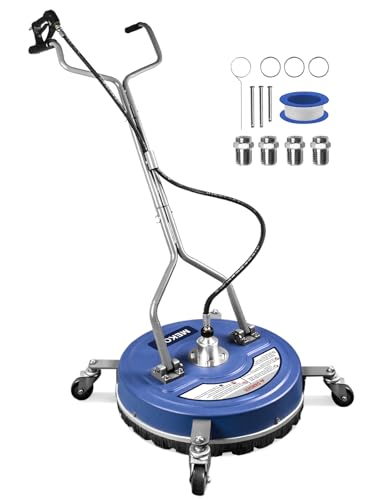
- ✓ Wide 20″ cleaning head
- ✓ Fast, non-marking jets
- ✓ Stable, adjustable handling
- ✕ Requires a compatible pressure washer
- ✕ Heavier to lift at first
| Compatibility | Designed for use with pressure washers (2000+ PSI and 2+ GPM), not for direct connection to garden hoses |
| Size / Coverage | 20 inch (508 mm) cleaning width |
| Cleaning Mechanism | Two high-pressure rotating jets for non-marking cleaning with selectable spray patterns (power vs. soft wash) |
| Materials / Construction | Lightweight PP body with solid brass components and fully sealed bearings; heavy‑duty construction with heat and chemical resistance |
| Mobility / Handling | Two adjustable handles and four universal wheels; height maintained by wheeled frame to protect nozzles and floors |
| Operational Capabilities | Cold water, hot water, and soap-compatible; suitable for concrete, tile, wood, brick surfaces |
The tile on my patio looked like it had a stubborn life of its own—dull, stained, and threatening to ruin a weekend cleaning session. I fiddled with hoses and tried a handheld wand, but the grout lines stubbornly stayed speckled and the surface cleaner felt underpowered.
Then I swapped in the MEKOH 20” surface cleaner and the difference was immediate: those two high-pressure jets spun up fast, and the big 20″ head covered more ground with each pass. It practically glided over the porcelain, keeping the nozzle height steady so I didn’t tiptoe around delicate edges.
What surprised me was how quietly efficient it felt once I started moving. The bearings stayed sealed and the spinning nozzles didn’t clog, even when I switched from a hard wash to a softer rinse.
The weight is surprisingly manageable given the size, and the four wheels let me push it like a tiny wagon—no awkward tipping, no dragging the wand behind me. I noticed the pattern change option working smoothly, so I could dial back for fragile tile while still blasting away stubborn grime on the grout.
Handling is where it shines in real life. The two adjustable handles gave me a natural grip, and the height kept the spray off my shoes while still delivering full coverage.
With hot water or soap, the build felt resilient enough to handle a busy weekend of cleaning without overheating or leaking. If you’re tackling a porcelain tile setup, this handles the rough patches without leaving streaks or watery footprints.
If you want speed without sacrificing care for your floors, this MEKOH cleaner is a practical upgrade. It’s not just a gadget—it’s a reliable partner for patios, decks, and tile foyers.
Greenworks Electric Pressure Washer, 1700 PSI Max, 1.2 GPM

- ✓ Gentle but effective
- ✓ Lightweight and easy
- ✓ Reliable safety features
- ✕ Limited power for heavy grime
- ✕ Shorter hose reach than some
| Max Pressure | 1700 PSI |
| Flow Rate | 1.2 GPM |
| Power Source | Electric (corded, 120V typical US) |
| Accessory Set | Pressure washer gun, 25° nozzle, 40° nozzle, 20 ft hose, 1/4″ quick-connect |
| cord length and safety | 35 ft power cord with GFCI plug |
| Warranty | 3 Year Limited |
You discover a squeaky-clean patch of porcelain tile you forgot to seal, and the Greenworks sits there, ready with a safety buzz and a soft, precise spray. The moment you click the gun and hear that quiet chuff, you realize 1700 PSI isn’t about overpowering—it’s about control.
The 1.2 GPM flow feels just enough for grout lines without blasting away delicate finishes. I appreciated the 25° and 40° nozzles; the general purpose setting cleans tile grout without flicking color out of the joints.
It’s light enough to shoulder around the bathroom and outdoor patio, but sturdy enough to feel trustworthy on terrazzo and porcelain alike.
The push-button start is a small joy after a long day, and the integrated 35-foot cord with GFCI gives me confidence near water and outlets. The hose is 20 feet and tangle-free, which means fewer annoying coils and more time actually cleaning.
It’s a simple machine, but that simplicity shines when you’re trying to tackle stubborn mineral buildup on porcelain.
Handling the wand, you’ll notice the quick-connect system makes swaps painless, so you don’t stall mid-clean. The unit runs cool, and the 3-year warranty adds a reassuring buffer if you decide to use it on decking, windows, or car exteriors.
By the time you’re done, the grout lines look visibly brighter, and the tile faces take on a refreshed, nearly showroom gloss.
Bottom line: it’s uncomplicated, reliable, and surprisingly capable for light-duty jobs around the house. If you want something that won’t stress your porcelain tiles but still gets the job done, this is a smart companion for quick cleans and periodic refreshes.
Enjoy the balance of power and control, and you’ll likely reach for it again on weekends rather than renting something louder or more complex.
Why is Cleaning Porcelain Tile Important for Longevity?
Cleaning porcelain tile is crucial for its longevity because it prevents the buildup of dirt, grime, and stains that can degrade the tile’s surface and integrity over time.
According to the Tile Council of North America, regular maintenance and cleaning of porcelain tiles can significantly extend their lifespan and maintain their aesthetic appeal. They recommend specific cleaning methods and products that help preserve the tile’s finish and prevent the degradation of the glaze that protects the tile surface.
The underlying mechanism involves the fact that dirt and debris can act as abrasives when walked on or subjected to pressure washing, potentially scratching the surface of the tile. Over time, these scratches can accumulate, leading to a dull appearance and making it easier for stains to set in. Additionally, improper cleaning techniques can lead to water infiltration and mold growth in the grout lines, which compromises both the appearance and structural integrity of the tile. Therefore, using the best pressure washer for porcelain tile, which is designed to clean effectively without causing damage, ensures that the tiles remain in optimal condition.
Furthermore, the chemical composition of porcelain tiles makes them resistant to moisture and stains, but this resistance can be compromised if the tiles are not maintained properly. Research indicates that regular cleaning not only enhances the tile’s resistance to staining but also helps in maintaining the grout’s integrity, preventing issues such as cracking or discoloration. By using appropriate cleaning methods, homeowners can ensure that their porcelain tiles stay beautiful and functional for years to come.
What Features Make a Pressure Washer Ideal for Porcelain Tile?
The best pressure washer for porcelain tile should possess specific features to ensure effective cleaning without causing damage.
- Adjustable Pressure Settings: The ability to adjust the pressure is crucial for porcelain tile, as high pressure can chip or crack the tiles. A pressure washer with multiple settings allows you to use lower pressure for delicate surfaces and higher pressure for tougher stains.
- Detergent Injection System: A built-in detergent system helps in applying cleaning solutions effectively, enhancing the cleaning process. This feature allows you to use specific tile-safe detergents that can help break down dirt and grime without harming the tile surface.
- Lightweight and Portable Design: A lightweight and portable pressure washer is easier to maneuver, especially when cleaning large areas of tiled surfaces. This feature ensures that you can reach all corners and edges without straining yourself.
- Variety of Nozzle Attachments: Different nozzle attachments provide versatility in cleaning, allowing you to switch from a wide spray for rinsing to a pinpoint spray for stubborn spots. This adaptability ensures that you can handle all types of cleaning tasks effectively.
- Built-in Safety Features: Safety features such as automatic shutoff and thermal protection help prevent overheating and potential accidents. These features are essential for maintaining the longevity of the pressure washer and protecting your tiles during use.
- Water Flow Rate: A suitable water flow rate is important for effective cleaning; a higher flow rate helps rinse away dirt and debris quickly. Ensuring that the pressure washer has an adequate GPM (gallons per minute) can significantly improve cleaning efficiency.
What Pressure Ratings are Recommended for Safe Cleaning?
The recommended pressure ratings for safe cleaning of porcelain tile vary based on the type of cleaning task and the condition of the tiles.
- Low Pressure (1,500 – 2,000 PSI): This range is ideal for routine cleaning and maintenance of porcelain tiles, ensuring that dirt and grime are effectively removed without risking damage to the surface. It is gentle enough to prevent chipping or cracking while still providing adequate power for most household cleaning tasks.
- Medium Pressure (2,000 – 2,500 PSI): Suitable for more challenging cleaning tasks, such as removing stubborn stains or mildew, this pressure range offers a balance between effective cleaning and safety. While it can tackle tougher grime, care should be taken to maintain a safe distance from the tile surface to avoid potential damage.
- High Pressure (2,500 – 3,000 PSI): Typically used for heavy-duty cleaning, this range should be approached with caution when cleaning porcelain tile, as it can easily cause surface damage if not used properly. It’s best reserved for very tough cleaning jobs or when dealing with significantly neglected surfaces, and users should always test a small area first.
- Ultra High Pressure (3,000 PSI and above): This pressure is generally too powerful for porcelain tiles and can lead to chipping, cracking, or other forms of damage. It is recommended to avoid using ultra-high pressure on porcelain and instead opt for lower settings that are more suitable for the material.
How Does Nozzle Type Affect Cleaning Efficiency on Porcelain Tile?
The type of nozzle used in a pressure washer significantly affects the cleaning efficiency on porcelain tile.
- Zero Degree Nozzle: This nozzle produces a concentrated stream of water that can remove tough stains and grime effectively. However, it can also be too powerful for delicate surfaces like porcelain, potentially causing damage if not used carefully.
- 15 Degree Nozzle: This nozzle offers a wider spray pattern than the zero-degree nozzle while still maintaining a strong cleaning force. It is suitable for removing dirt and mildew from porcelain tiles without the risk of chipping or cracking due to its slightly less concentrated pressure.
- 25 Degree Nozzle: Ideal for general cleaning, this nozzle provides an even wider spray pattern, making it great for rinsing off soap or dirt from larger areas of porcelain tile. Its gentler pressure is less likely to cause any damage, making it a safe choice for maintaining the integrity of the tile.
- 40 Degree Nozzle: This nozzle produces a very wide spray, which is perfect for light cleaning tasks. It is especially useful for cleaning porcelain tile surfaces that require a gentler approach, such as removing light debris or surface dust without risking any scratches or harm to the finish.
- Rotating Nozzle: Combining the power of a zero-degree nozzle with the coverage of a wider spray, rotating nozzles offer versatility for tough cleaning jobs. They can effectively tackle stubborn stains while minimizing the risk of damage to the tile surface by distributing the pressure evenly as it rotates.
What Common Mistakes Should Be Avoided When Pressure Washing Porcelain Tile?
When pressure washing porcelain tile, there are several common mistakes to avoid for effective cleaning and to prevent damage.
- Using Excessive Pressure: Applying too much pressure can lead to chipping or cracking of the porcelain tiles. It’s important to select a pressure washer with adjustable settings to find the right balance that effectively cleans without causing harm.
- Neglecting Proper Nozzle Selection: Using the wrong nozzle can result in uneven cleaning and potential surface damage. A 25-degree or 40-degree nozzle is typically recommended for porcelain tiles, as it provides a gentle spray that minimizes risk while still effectively removing dirt and grime.
- Ignoring Surface Preparation: Failing to prepare the surface by sweeping or removing loose debris can result in scratches on the tile surface. Proper preparation ensures that larger particles are removed before washing, allowing the pressure washer to work more effectively.
- Overlooking Cleaning Solutions: Relying solely on water without the aid of appropriate cleaning solutions may not yield optimal results. Using a mild detergent specifically designed for porcelain tiles can help break down stubborn stains and enhance the overall cleaning process.
- Not Testing on a Small Area First: Diving straight into cleaning the entire area without testing on a small, inconspicuous spot can lead to unexpected damage. Conducting a test wash helps you assess the pressure and nozzle effectiveness, ensuring that the cleaning method is safe for the tile.
- Failing to Maintain the Equipment: Not maintaining the pressure washer can lead to inefficient cleaning and potential equipment failures. Regularly checking the hoses, nozzles, and water supply can ensure optimal performance during the washing process.
How Can You Maintain Your Pressure Washer for Optimal Performance on Porcelain Tile?
To maintain your pressure washer for optimal performance on porcelain tile, consider the following key practices:
- Regular Cleaning of the Nozzle: Keeping the nozzle clean ensures a consistent and even spray pattern, which is essential for effective cleaning without damaging the tile.
- Check and Maintain Hose Condition: Inspecting the hose for any kinks, leaks, or wear will help prevent pressure loss and ensure the washer operates at peak efficiency.
- Use the Correct Pressure Settings: Adjusting the pressure settings based on the tile type and the level of grime allows for effective cleaning while minimizing the risk of chipping or cracking the porcelain.
- Store Properly After Use: Proper storage of your pressure washer, including draining the water and keeping it in a dry place, can extend its life and maintain its performance.
- Regular Oil and Filter Changes: For gas-powered pressure washers, regularly changing the oil and cleaning or replacing air filters ensures the engine runs smoothly and efficiently over time.
Regular cleaning of the nozzle is crucial because a clogged or dirty nozzle can lead to uneven pressure distribution, which may result in inadequate cleaning or damage to the surface. By using a small wire or a specialized cleaning tool, you can easily remove any buildup or debris that may affect performance.
Checking and maintaining the condition of the hose is equally important, as any damage can lead to leaks and reduced pressure. Make sure to inspect for any signs of wear, and replace the hose if necessary to maintain optimal water flow and pressure.
Using the correct pressure settings is vital to protect your porcelain tiles from potential damage. High pressure can easily chip or crack tiles, so it’s best to start with a lower setting and gradually increase it if needed, while always keeping an eye on the tile condition.
Proper storage of your pressure washer is often overlooked but is essential for longevity. After each use, make sure to drain any remaining water from the system to prevent freezing or corrosion, and store it in a dry, sheltered area away from direct sunlight.
For gas-powered models, regular oil and filter changes are necessary to keep the engine in top shape. This practice not only enhances performance but also helps in avoiding potential breakdowns that can arise from neglecting engine maintenance.
What Are the Best Practices for Safely Using a Pressure Washer on Porcelain Tile?
To safely use a pressure washer on porcelain tile, it is important to follow best practices to ensure effective cleaning without damaging the tiles.
- Choose the Right Pressure Washer: Selecting a pressure washer with adjustable pressure settings is crucial for cleaning porcelain tile. A machine with a PSI (pounds per square inch) rating between 1,500 and 2,500 is ideal, as it provides sufficient cleaning power without risking damage to the tile’s surface.
- Use the Appropriate Nozzle: The type of nozzle you use can significantly affect the cleaning process. A fan nozzle, typically 25 to 40 degrees, disperses water over a wider area, minimizing the risk of concentrated pressure that could chip or crack the tile.
- Maintain a Safe Distance: Keeping an appropriate distance between the nozzle and the tile surface is essential. Ideally, you should maintain a distance of at least 12 to 18 inches to avoid concentrated pressure that can harm the tile.
- Test in a Small Area First: Before proceeding with the full cleaning, testing the pressure washer on a small, inconspicuous area of the tile is advisable. This allows you to assess the impact on the tile and make any necessary adjustments to pressure or technique.
- Use a Cleaning Solution: For effective cleaning, consider using a mild detergent specifically designed for pressure washers. This can help remove tough stains and dirt without the need for excessive pressure, which could damage the tile.
- Rinse Thoroughly: After cleaning, ensure that all detergent residues are completely rinsed away. Residue can lead to discoloration or slippery surfaces, so using clean water at a lower pressure helps ensure a thorough rinse.
- Regular Maintenance: Regular maintenance of your porcelain tiles can reduce the need for heavy-duty pressure washing. Sweeping or mopping regularly can help prevent dirt buildup and minimize the frequency of deep cleaning.