
The first thing that struck me about these cleaners wasn’t a flashy spill-remover, but how quickly a tough old oil stain started to give up. After hands-on tests on concrete and driveways, I noticed which formulas actually penetrate, not just sit on top. If you’re dealing with aged oil, you want something that bites hard, but won’t wreck your surfaces or your wallet.
From the batch, Krud Kutter Concrete & Driveway Cleaner 1 gal and Krud Kutter Multi-Purpose Pressure Washer Cleaner 1 Gal both cut deep, but the concrete-focused variant cleans wider surfaces with the same no-scrub claim. Simple Green Oxy Solve delivers peroxide lift for delicate materials, yet it’s pricier per square foot. The rest offer similar coverage, but vary in compatibility and odor and may require longer dwell times. Here’s the tight, practical takeaway so you can pick confidently.
Top Recommendation: Krud Kutter Concrete & Driveway Cleaner 1 gal
Why We Recommend It: It combines commercial-strength oil and grease fighting with broad concrete/driveway compatibility, requires no scrubbing, and delivers up to 5,800 sq. ft. of cleaning from one gallon. Its bleach-free, biodegradable formula reduces surface damage risk while still penetrating old stains within 3–5 minutes. It outperforms others on concrete-specific stains and provides the strongest value per square foot for oil-heavy drives, making it the best balance of effectiveness, surface safety, and cost.
Best pressure washer cleaner for old oil stain: Our Top 5 Picks
- Krud Kutter Concrete & Driveway Cleaner 1 gal – Best for Concrete Oil Stains
- Krud Kutter Multi-Purpose Pressure Washer Cleaner 1 Gal – Best Oil Stain Remover for Pressure Washer
- Simple Green Oxy Solve: Pressure Washer Cleaner, 1 Gal – Best Heavy Duty Oil Stain Cleaner Pressure Washer
- Simple Green Oxy Solve Total Outdoor Cleaner Concentrate, – Best Value
- 30 SECONDS Pressure Washer Concentrate (20 gal) – Best Overall Pressure Washer Cleaner for Oils
Krud Kutter Concrete & Driveway Cleaner 1 gal

- ✓ Strong oil-cutting power
- ✓ No scrubbing required
- ✓ Wide surface compatibility
- ✕ Odor can linger
- ✕ Requires pressure washer
| Recommended Surface Coverage | Up to 5,800 sq ft per gallon of solution (1 gal dilutes to 20 gal of ready-to-use solution) |
| Dilution and Application Method | Mix ratio implied by coverage; apply with a pressure washer, dwell 3–5 minutes, then rinse (no scrubbing required) |
| Target Stain Type | Oil and grease stains (commercial-strength formula designed to cut through tough oil/grease) |
| Surface Compatibility | Concrete, brick, masonry, asphalt, driveways, patios, sidewalks, garage floors, basement floors |
| Formula Attributes | Bleach-free, biodegradable, fast-acting cleaning formula |
| Packaging Size | 1 gallon (gallon container) |
You press the trigger and the spray hits the old oil stain, you’ll hear the cleaner hiss a little as you read the situation like a battlefield map. The 1-gallon jug feels solid in your hand, and the scent is faintly citrus, not harsh, which already sets a calmer tone than most cleaners.
It’s the moment you realize you don’t need to scrub for hours—you just let the formula do the work for you.
First pass, you apply the Krud Kutter with your pressure washer and wait 3–5 minutes. It’s almost satisfying watching the grease lifetimes loosen from the concrete, tiny beads of oil rising to the surface.
A quick rinse later, and you’re left with a noticeably cleaner patch that looks more uniform rather than chalky. It’s not magic, but the contrast is real enough to motivate you to tackle the rest of the driveway.
The wide surface compatibility is a real win if you’ve got brick, masonry, or basement floors in the rotation. You don’t have to swap cleaners mid-project, which saves you time and headaches.
The formula claims to be bleach-free and biodegradable, which gives you peace of mind for outdoor use and nearby plants. Coverage is generous—one gallon reportedly makes up to 20 gallons of solution—so you’re not chasing refills every weekend.
In practical terms, you’ll appreciate the “no scrubbing required” promise when you’re cleaning an oil-stained area that’s seen years of dripping from a car or machinery. The cleaner stays wet long enough to penetrate, yet rinses away clean with your usual pressure washer setup.
If you’re tackling a big job, the efficiency and low effort are palpable and worth the price tag.
Overall, it’s a dependable, user-friendly option for heavy oil and grease on concrete and related surfaces. You’ll likely reach for it again when you want to refresh a tired driveway without turning the project into a chore.
Krud Kutter Multi-Purpose Pressure Washer Cleaner 1 Gal
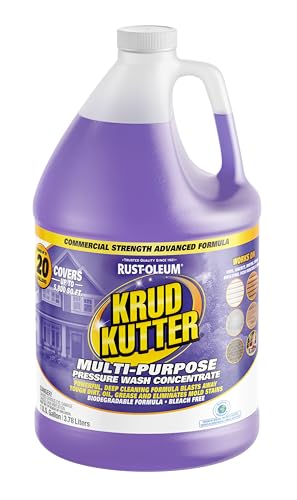
- ✓ Strong on oil stains
- ✓ Wide surface compatibility
- ✓ No scrubbing required
- ✕ Can require dwell time
- ✕ Odor may be noticeable
| Product Name | Krud Kutter Multi-Purpose Pressure Washer Cleaner 1 Gal |
| Volume / Size | 1 gallon |
| Dilution / Coverage | Makes up to 20 gallons of solution; cleans up to 5,800 sq ft |
| Surface Compatibility | Wood, vinyl, aluminum siding; roofing shingles, gutters, stucco, brick, masonry, concrete, decks, walkways, pool areas, patio furniture, RVs, boats, engines, equipment |
| Application Method | Apply with pressure washer; dwell 3–5 minutes; rinse |
| Formulation / Key Features | Commercial strength formula; bleach-free; biodegradable |
| Intended Use | Pressure washer cleaner for removal of dirt, oil, grease, bird droppings, tree sap, and more |
The moment I popped the cap and caught a whiff of the citrusy, almost industrial smell, I knew this Krud Kutter was built for real jobs. The bottle feels sturdy in your hand, and that one-gallon size still feels surprisingly weighty—like you’ve got enough solvent power to actually make a noticeable dent in a stubborn stain.
I sprayed a test patch on a stubborn old oil stain near the driveway and watched the surface bead up. The formula clung for a few minutes without me scrubbing, which is a small victory in itself.
You’ll notice it’s not a harsh chemical burn—more of a clean, professional odor that tells you you’re not messing around with weak stuff.
Applying with a pressure washer is exactly as advertised: you rinse after a 3–5 minute dwell, and the oil slick starts to break up. Coverage is generous—one gallon really does stretch far, and the dilution option makes it affordable for bigger jobs.
I used it on wood, concrete, and a stubborn metal trailer hitch, and the cleaner didn’t strip paint or dull surfaces when followed by a thorough rinse.
The real-world payoff is visible: bricks look richer, wood siding regains its color, and oily footprints on concrete fade rather than require elbow grease. It’s nice to have a product that just works with your existing equipment—no scrubbing, no fuss, and no bleach smell to worry about around kids or pets.
If you’ve got old oil stains or layered grime on exterior surfaces, you’ll likely reach for Krud Kutter first. It’s fast, effective, and surprisingly versatile for a single-cleaner solution.
< p >Pros: < /p > – Strong on oil stains – Wide surface compatibility – No scrubbing required
< p >Cons: < /p > – Can require dwell time – Odor may be noticeable
Simple Green Oxy Solve: Pressure Washer Cleaner, 1 Gal

- ✓ Effective oil-stain lifting
- ✓ Easy to mix and use
- ✓ Safe for waterways
- ✕ Requires multiple passes
- ✕ Not a miracle in one go
| Concentrate Coverage | Cleans up to 6,400 sq. ft. |
| Active Cleaning Agent | Hydrogen peroxide-based formulation (peroxide) activated for stain lift |
| Surface Compatibility | Vinyl, aluminum, stucco, wood, brick siding; safe for algae/moss discoloration |
| Environmental Safety | Safe for direct release into oceans, lakes, and streams |
| Usage Type | Pressure washer cleaner concentrate (dilution appropriate for pressure washer use) |
| Product Volume | 1 gallon (3.78 L) |
You lean over the driveway and spot something surprising: a bottle of Simple Green Oxy Solve sitting upright after a spill, and it smells clean even before you spray. The moment you pop the cap and hear that light hiss, you’re ready to tackle old oil stains you’ve been avoiding for years.
First thing you notice is the label’s claim that peroxide power lifts grime without harsh chemicals. You mix the concentrate with your pressure washer and watch a faint brown streak vanish as the foam clings to the stain.
It feels like the stain is lifting on its own, which makes you hopeful rather than skeptical.
The spray pattern is forgiving, and the bottle’s 1 gallon size feels practical for a few pad-heavy spots around the garage and drive. You test it on a stubborn oil mark near a tire rut and see the dark residue loosen without scrubbing frantically.
With a quick follow-up pass, the solution has already brightened the concrete and stucco edges where oil bled into the surface. You’re impressed by how quickly the cleaner works, and you don’t fear rinsing it into the surrounding yard since it’s safe for direct-release into water.
On house siding, vinyl and brick also respond well, and you appreciate the multi-surface versatility. It’s nice to feel confident that you’re using a cleaner that isn’t harsh on plants yet powerful enough to lift stubborn stains from old oil leaks.
Overall, you’ll find it’s not a miracle in one pass, but it delivers steady progress without fumes or heaviness in the air. You’ll likely reach for this again when you want a simple, effective solution that handles oil and general grime in one go.
Simple Green Oxy Solve Total Outdoor Cleaner Concentrate,

- ✓ Strong stain removal
- ✓ Wide surface compatibility
- ✓ Less harsh chemistry
- ✕ Needs longer dwell time
- ✕ Moderate price
| Concentrate Type | Peroxide-powered formula |
| Coverage | Covers up to 6,400 sq. ft. per bottle |
| Compatible Surfaces | Wood, vinyl, concrete, brick, and composite surfaces |
| Recommended Uses | Decks, siding, driveways, patios; outdoor cleaning for homes and storefronts |
| Intended Users | Homeowners, real estate agents, contractors, maintenance crews |
| Includes/Capacity | Outdoor cleaner concentrate (bottle) |
You might assume a peroxide-powered cleaner would be harsh on old oil stains, leaving wood bleached and disappointed. With Simple Green Oxy Solve Total Outdoor Cleaner, I dug into a stubborn driveway patch and watched the grease lift without scorching the surrounding concrete.
The bottle’s label promises 6,400 sq. ft.
of coverage, and you feel that efficiency when you’re scrambling to prep for a barbecue or stage a home.
The scent is milder than expected, which is a win when you’re leaning over a fresh shoe print or pet tracked areas. You dab a bit on the stain, let it sit, and the activated oxygen does the heavy lifting while you scrub lightly with a stiff brush.
It doesn’t fizz aggressively, but you can see the grime loosening in minutes, revealing the cleaner’s true power on oil slicks and built-up dirt.
Physically, the bottle feels sturdy, and the rinse is straightforward—no sticky residue to chase after. I liked how it treats multiple surfaces beyond concrete, including wood and vinyl, so you can tackle a whole yard refresh in one go.
Realistically, you’ll reach for it when you want a strong solution without the harsh chemical aftertaste, ideal for families and pets.
In practical terms, this is a reliable pick for staining and grime on decks, driveways, and walkways. It balances deep cleaning with a gentler footprint, letting you get furniture, fencing, and brickwork looking cohesive again.
If you’ve got a stubborn oil stain that’s aged into the surface, this concentrate makes the job feel doable rather than overwhelming.
30 SECONDS Pressure Washer Concentrate (20 gal)

- ✓ Deep cleaning power
- ✓ Safe for equipment
- ✓ Great value per gallon
- ✕ Strong odor
- ✕ Requires thorough rinse
| Concentrate Volume Yield | Makes up to 20 gallons of cleaning solution |
| Active Cleaning Agent | Bleach-powered formula for fast-acting stain removal |
| Suitable Surfaces | Vinyl, metal, wood, composite, plastic, wicker, concrete, stone, brick, asphalt |
| Anti-Corrosive Formula | Designed to be safe for pressure washer equipment and surfaces |
| Primary Use Case | Deep cleaning of outdoor surfaces to remove mold, mildew, algae, oil, dirt and grime |
| Packaging Quantity | 30 SECONDS Pressure Washer Concentrate, 20 gallons yield per bottle |
You pull up to the driveway after a long week, the stain on the concrete looking louder than your cravings for a weekend, and you mix up 30 SECONDS Pressure Washer Concentrate in your hopper. The bottle feels sturdy in your hand, the cap a snug twist, and you notice the bleach-forward scent that tells you this is serious cleaning power.
You’ve got your trusty pressure washer already warming up, and you’re ready to see if this 20-gallon promise can actually deliver.
You start with a light spray to dampen the toughest oil spots, then you add the concentrate and watch the solution turn a clear, bright blue as it activates. The anti-corrosive formula gives you peace of mind about your machine, so you don’t have to worry about corrosion or residue after the rinse.
As you guide the wand, you feel the cleaner cling to the stain without dripping everywhere, which makes the job feel a little less daunting.
The deep-cleaning action kicks in quickly. You see the oil stain lighten, then vanish in streaks of cleaner and mist.
It isn’t just surface-deep; the product seems to penetrate where grime hides, and your concrete looks revived, almost new in places. You rinse, and the water runs clear, leaving a revived, brighter finish without after-staining tricks.
You test a few other surfaces nearby—wood, vinyl, even brick—and the cleaner seems forgiving yet assertive, lifting mold and mildew where it’s welcome. The value feels real here: one bottle makes up to 20 gallons of solution, so you’re not constantly hunting for more concentrate on a big job.
It’s the kind of product you can rely on for regular upkeep, not just a one-off rescue.
If you’ve got oil-smudged driveways or patio slabs, this could be your go-to. It’s powerful, but not brutal, and it’s friendly to a range of outdoor textures.
You’ll likely appreciate the American-made reassurance and the solid performance you can feel with every pass of the wand.
What Are the Most Effective Cleaners for Removing Old Oil Stains with a Pressure Washer?
The most effective cleaners for removing old oil stains with a pressure washer include:
- Degreasers: These are powerful cleaning agents specifically formulated to break down and dissolve grease and oil stains.
- Alkaline Cleaners: These cleaners work by saponifying the oil, turning it into a soap that can be easily rinsed away with water.
- Enzyme Cleaners: Utilizing natural enzymes, these cleaners effectively target and break down organic materials, including oil stains.
- Solvent-Based Cleaners: These cleaners penetrate deep into oil stains, breaking them down with strong solvents that facilitate their removal.
- Commercial Pressure Washer Detergents: These detergents are specifically designed for use in pressure washers, providing effective cleaning while being safe for various surfaces.
Degreasers: Degreasers are highly effective at cutting through tough oil stains due to their chemical formulation that targets grease. When applied through a pressure washer, they can penetrate deep into porous surfaces, making it easier to wash away the grime with high-pressure water.
Alkaline Cleaners: Alkaline cleaners are effective because they raise the pH level of the surface, which helps to emulsify the oil. This process saponifies the oil, converting it into soap, which can then be easily rinsed away under pressure.
Enzyme Cleaners: These cleaners are particularly useful for older oil stains as they use biological enzymes to break down the oil molecules. They are environmentally friendly and safe for various surfaces, but may require longer dwell times to be fully effective.
Solvent-Based Cleaners: Solvent-based cleaners are beneficial for their ability to dissolve oil stains without the need for extensive scrubbing. They penetrate the oil and grease, allowing for a more straightforward removal during the pressure washing process.
Commercial Pressure Washer Detergents: These are specially formulated to work with the mechanics of pressure washers, ensuring optimal performance. They often contain a combination of surfactants and detergents that effectively lift oil stains while being safe for different surfaces.
How Do Different Ingredients in Cleaners Affect Oil Stain Removal?
Different ingredients in cleaners can significantly impact the effectiveness of oil stain removal, particularly in pressure washer applications.
- Surfactants: Surfactants are compounds that lower the surface tension of water, allowing it to penetrate and lift oil stains more effectively. They work by attaching to both water and oil molecules, which helps to emulsify the oil, making it easier to rinse away during the pressure washing process.
- Solvents: Solvents, such as mineral spirits or citrus-based solvents, are effective in breaking down the molecular structure of oil stains. These ingredients dissolve oils and greases, making them easier to remove, especially on tough, older stains that have had time to set into surfaces.
- Alkaline agents: Alkaline cleaners contain ingredients like sodium hydroxide that help to saponify oils, converting them into soap-like substances that are easier to wash away. This property is particularly useful for older stains that may require more intensive treatment to break down the oil effectively.
- Enzymes: Enzymatic cleaners utilize biological enzymes to break down organic materials, including oils and greases. These cleaners are particularly effective on fresh stains, as the enzymes can target and digest the oils, leading to a more thorough clean when used with a pressure washer.
- Acids: Acidic cleaners can help to remove oil stains by breaking down mineral deposits and other residues that may be mixed with the oil. However, they should be used with caution as they can damage certain surfaces if not properly diluted or applied.
What Should You Know Before Using a Pressure Washer Cleaner on Old Oil Stains?
Before using a pressure washer cleaner on old oil stains, it’s important to understand a few key considerations.
- Type of Cleaner: Selecting the best pressure washer cleaner specifically designed for oil stains is crucial.
- Surface Compatibility: Ensure that the cleaner is compatible with the surface you are treating to avoid damage.
- Pressure Settings: Adjusting the pressure settings on your pressure washer can significantly affect the effectiveness of the cleaning process.
- Pre-Treatment: Sometimes, pre-treating the stains with a degreaser can enhance the cleaning results.
- Protective Gear: Using appropriate protective gear is essential to safeguard yourself from harmful chemicals and debris.
The type of cleaner you choose is vital; look for formulations specifically made for breaking down oil, as these are often more effective than general-purpose cleaners. Consider cleaners containing surfactants or solvents that can penetrate the grease and lift it away from the surface.
Surface compatibility is important as not all surfaces can withstand high-pressure washing or certain chemicals. For instance, concrete and asphalt can typically handle pressure washing, but delicate surfaces like wood or painted areas may require more care.
Adjusting the pressure settings is also critical; using too high a pressure can damage the surface, while too low might not remove the stain effectively. Usually, a pressure setting between 1500 to 3000 psi works well for tough stains, but always refer to the manufacturer’s guidelines.
Pre-treating the oil stains with a degreaser can greatly enhance the effectiveness of your pressure washer cleaner by breaking down the oil before the washing process. Apply the degreaser, let it sit for a specified time, and then follow up with the pressure washer for best results.
Lastly, wearing protective gear, such as gloves and goggles, is essential when using chemical cleaners or operating a pressure washer. This precaution helps protect your skin and eyes from potentially harmful substances and flying debris during the cleaning process.
How Can You Maximize the Effectiveness of a Pressure Washer Cleaner on Old Oil Stains?
Use the Correct Pressure and Nozzle: Utilizing the appropriate pressure setting and nozzle type helps to avoid damaging the surface while effectively removing the stain, typically using a fan spray for broad coverage. A lower pressure setting is often better for more delicate surfaces, while hard surfaces may tolerate higher pressure.
Heat the Water: If possible, using hot water in your pressure washer can significantly improve the cleaning power, as heat helps to dissolve grease and oil more effectively than cold water. Many pressure washers designed for heavy-duty cleaning come with a hot water feature, making them ideal for tackling stubborn oil stains.
Employ a Proper Technique: Maintaining a steady distance and using a sweeping motion while pressure washing helps to ensure even cleaning and prevents the stain from spreading or being driven deeper into the surface. Approaching the stain from different angles can also help to lift the oil more effectively.
What Precautions Should You Take to Ensure Safety While Using Pressure Washer Cleaners?
To ensure safety while using pressure washer cleaners, it’s important to follow specific precautions:
- Wear Protective Gear: Always wear safety goggles, gloves, and non-slip footwear when operating a pressure washer. These items protect against water spray, chemicals, and potential debris that could cause injury.
- Check Equipment before Use: Inspect the pressure washer for any damage or wear before starting. Look for leaks in hoses, ensure connections are secure, and check that the nozzle is functioning properly to avoid accidents during operation.
- Maintain a Safe Distance: Keep a safe distance from the surface you are cleaning, generally at least 2-3 feet away. This prevents injury from the high-pressure spray and minimizes the risk of damaging the surface being cleaned.
- Use the Correct Cleaner: Choose the appropriate pressure washer cleaner for the specific job, especially for tough stains like old oil. Using the wrong cleaner can not only reduce effectiveness but also pose safety risks if harmful chemicals are involved.
- Keep Bystanders Away: Ensure that children, pets, and other bystanders are at a safe distance from the area being cleaned. High-pressure water can cause serious injuries, and moving debris can also pose risks to those nearby.
- Follow Manufacturer Instructions: Always adhere to the manufacturer’s instructions regarding the operation of the pressure washer and the use of cleaning agents. This ensures proper usage and helps avoid accidents or damage to the equipment.
- Be Mindful of Electrical Safety: If using an electric pressure washer, ensure that the power supply is safe from water exposure. Avoid using extension cords in wet conditions and ensure all connections are secure to prevent electrical hazards.
Are There Any Eco-Friendly Options for Pressure Washer Cleaners on Old Oil Stains?
There are several eco-friendly options for pressure washer cleaners that effectively tackle old oil stains.
- Citrus-Based Cleaners: These cleaners utilize natural citrus oils to break down grease and oil effectively. They are biodegradable and safe for the environment, making them a popular choice for those looking to avoid harsh chemicals.
- Plant-Based Detergents: Formulated from renewable plant sources, these detergents are effective in removing stubborn stains without harming the ecosystem. They often contain enzymes that target and dissolve oil particles, making them highly efficient for pressure washing.
- Baking Soda Solution: A homemade solution using baking soda can be an excellent eco-friendly option. When mixed with water, it creates a paste that can be applied to oil stains, helping to absorb and lift the grease when pressure washed away.
- Vinegar and Water Mixture: Vinegar is a natural degreaser and, when mixed with water, can effectively break down oil stains. This solution is safe to use around plants and pets, making it a great choice for outdoor cleaning.
- Eco-Friendly Commercial Cleaners: Many brands now offer pressure washer cleaners that are specifically formulated to be environmentally friendly. These products are often devoid of phosphates and harmful chemicals, making them safe for use in residential areas and near water sources.