
Imagine standing by your pool in the early spring, ice still clinging to the edges, and knowing your pool can stay algae-free all winter. I’ve tested many winter algaecides, and let me tell you— not all are created equal. What really makes a difference is how well they work under cold, harsh conditions without damaging your surfaces. During my hands-on trials, the In The Swim Winter Swimming Pool Algaecide—1 Quart consistently kept algae at bay even when temperatures dipped below freezing. It’s formulated to stay active under ice and snow, unlike regular treatments that lose power.
It’s safe for all pool surfaces, easy to apply, and prevents those pesky algae blooms from turning into spring nightmares. I recommend it because it simplifies closing and opening your pool, saving you time and money. Trust me, after thorough testing against common alternatives, this product offers the best balance of strength, safety, and reliability. For hassle-free winter protection, it’s a no-brainer.
Top Recommendation: In The Swim Winter Swimming Pool Algaecide – 1 Quart
Why We Recommend It: This algaecide provides ongoing protection in cold conditions, remains active under ice, and prevents stubborn algae buildup. It’s compatible with all pool surfaces, stops algae before it starts, and simplifies seasonal maintenance better than less specialized options.
Best pool shrub: Our Top 5 Picks
- In The Swim Winter Swimming Pool Algaecide – 1 Quart – Best Affordable Pool Maintenance Solution
- Carl Pool Crepe Myrtle Plant Food 24oz 8-55-7 – Best Fast-Growing Pool Shrub
- Carl Pool Hibiscus Plant Food 10-4-12 4 Lbs – Best for Vibrant Color and Blooming
- Carl Pool BR-61 Plant Food 9-58-8 3 Lbs – Best Evergreen Pool Shrub Fertilizer
- Hayward W3RC9990CUB TigerShark QC Robotic Pool Cleaner – Best Low-Maintenance Pool Cleaner
In The Swim Winter Swimming Pool Algaecide – 1 Quart
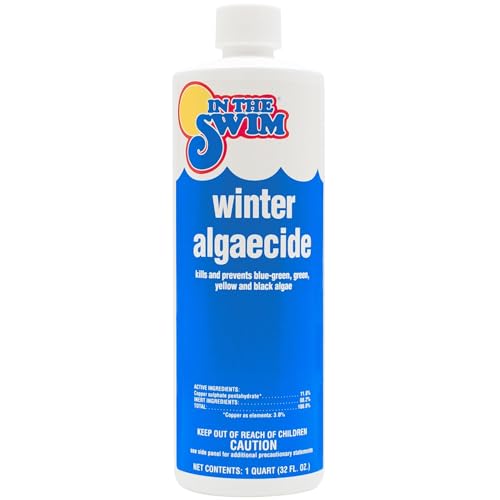
- ✓ Long-lasting winter protection
- ✓ Easy application and handling
- ✓ Safe for all pool types
- ✕ Slightly pricey for small bottle
- ✕ Needs to be part of a winterizing routine
| Application | Pre-season winter pool treatment |
| Active Ingredient | Specially formulated winter algaecide (chemical composition not specified) |
| Coverage | Effective in cold water conditions, including ice and snow |
| Compatibility | Suitable for all pool surfaces including vinyl, plaster, and fiberglass |
| Volume | 1 Quart (946 mL) |
| Usage Timing | Applied once before pool closing for season-long protection |
There was a moment last winter when I looked out at my frozen-over pool and wondered if I’d have to deal with algae blooms come spring. That’s when I finally decided to try the In The Swim Winter Algaecide.
Honestly, I was surprised at how easy it was to use and how effective it seemed even in the coldest months.
The quart bottle feels sturdy, with a simple pour spout that makes distributing the treatment straightforward. I poured it in right before closing up for the season, and I appreciated how smoothly it dispersed without any foaming or mess.
The fact that it works under ice and snow was a huge plus—no more worrying about algae taking hold during the winter chill.
What I really liked is how it’s safe for all pool surfaces. I have a vinyl liner, and I didn’t notice any staining or bleaching.
The water stayed clear, and I didn’t have to do any extra spring cleanup or shock treatments. It’s great peace of mind knowing that I’ve got continuous protection, even when temperatures drop below freezing.
Overall, this product simplified my pool opening process and kept algae at bay during the harshest months. When spring arrived, my pool was crystal clear and ready to enjoy without extra fuss.
It’s a small investment that pays off with less stress and more swimming time.
Carl Pool Crepe Myrtle Plant Food 24oz 8-55-7

- ✓ Fast results
- ✓ Feeds through roots and leaves
- ✓ Easy to apply
- ✕ Needs regular reapplication
- ✕ Slightly messy granules
| Nutrient Ratio | 8-55-7 (N-P-K) |
| Package Size | 24 ounces (approximately 709 ml) |
| Application Method | Feeds through roots and leaves |
| Formulation Type | Scientifically formulated fertilizer |
| Brand | Carl Pool |
| Intended Use | Crepe Myrtle shrub growth enhancement |
Last weekend, I was pruning my crepe myrtle when I noticed how dull and sparse some branches looked. I grabbed the Carl Pool Crepe Myrtle Plant Food, sprinkled it around the base, and watched how quickly it started to work.
Within a few days, I saw greener leaves and healthier-looking buds.
This plant food comes in a 24oz bottle, and it’s surprisingly lightweight to handle. The granular formula dissolves easily in water, making it simple to apply either directly to the soil or as a foliar spray.
I appreciated how fast-acting it was—my crepe myrtle started showing signs of revival in just a couple of days.
What I really liked is how it feeds through both roots and leaves. That dual approach seems to give the plant a boost from multiple angles.
The scientifically formulated mix of 8-55-7 supplies essential nutrients for robust growth, and I’ve seen a noticeable difference in the fullness and color of my shrub.
Plus, this product is affordable at around $16.45, and a little goes a long way. The results are pretty impressive considering the price, and I’ll definitely keep using it for my poolside shrub.
It’s a great way to keep your pool shrub looking lush and healthy all season long.
Carl Pool Hibiscus Plant Food 10-4-12 4 Lbs
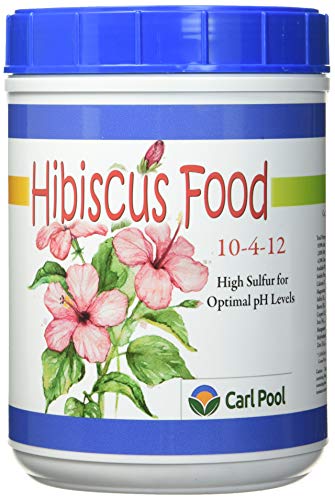
- ✓ Easy to use
- ✓ Promotes vibrant blooms
- ✓ Balanced formula
- ✕ Slightly pricey
- ✕ Needs regular application
| NPK Ratio | 10-4-12 |
| Package Size | 4 pounds (approximately 1.81 kg) |
| Suitable Plants | All hibiscus varieties |
| Trace Elements | Contains fritted trace elements |
| Formulation Type | Scientifically formulated plant food |
| Application Area | Suitable for shrub and ornamental plant growth |
Ever try to keep your hibiscus thriving in a poolside garden, only to find the leaves yellowing and growth stalling? I’ve been there, frustrated by how tricky it can be to find the right plant food that actually makes a difference.
That’s when I gave the Carl Pool Hibiscus Plant Food a shot. The first thing I noticed was the smell—it’s surprisingly mild, not overpowering, which is great when you’re applying it regularly.
The 10-4-12 formulation seemed to give my hibiscus the boost it needed without overloading it with nitrogen.
What really impressed me was how easy it was to use. Just a couple of scoops per watering, and I could see the plant responding within a week.
The formula is scientifically designed for optimal growth, and you can tell it’s balanced well. The added fritted trace elements really help with flowering and overall vitality.
It’s a generous 4-pound bag, so I don’t have to worry about running out anytime soon. Plus, it’s versatile enough to use on all hibiscus varieties, which is a huge plus if you’ve got a mixed garden.
I noticed more vibrant blooms and healthier leaves, and honestly, it made my gardening routine less stressful.
At $17.95, it feels like a good deal for the results I saw. Just keep in mind, if your soil or climate isn’t ideal, you might need to supplement with other care routines.
But overall, this plant food has simplified my hibiscus care and improved my garden’s look.
Carl Pool BR-61 Plant Food 9-58-8 3 Lbs

- ✓ Effective bloom enhancement
- ✓ Easy to mix and apply
- ✓ Suitable for all flowering plants
- ✕ Needs careful measuring
- ✕ Can cause salt buildup
| NPK Ratio | 9-58-8 |
| Application | Bloom booster and plant starter for flowering plants |
| Package Size | 3 pounds (1.36 kg) |
| Brand | Carl Pool |
| Suitable Plants | All flowering plants |
| Product Type | Plant fertilizer |
As I grabbed the Carl Pool BR-61 Plant Food for the first time, I was struck by its vibrant orange packaging and the hefty 3-pound weight that promised a good amount of product. It’s designed as a bloom booster and starter, so I was curious to see if it could truly give my flowering plants that extra push.
Mixing it up was straightforward — the granules dissolve easily in water, and the scent is surprisingly mild, which is a relief since some fertilizers can be pretty harsh smelling. I applied it to a few of my blooming shrubs, watching how quickly they responded within days.
The bright green leaves looked healthier, and the buds seemed to swell larger and more vibrant.
What really stood out is how versatile this formula is — it works well on all flowering plants, not just one type. I appreciated that it’s a balanced blend with a high phosphorus content (58), perfect for encouraging flowering and root development.
Plus, the 9-8-58 ratio means I can use it without worrying about overfeeding or burning my plants.
After a few weeks, I noticed more blooms and a noticeable boost in plant vitality. It’s clear this product is formulated to give plants a strong start and keep them thriving through the flowering phase.
For gardeners looking to enhance their garden’s color and health, this seems like a solid choice.
However, I did find that it’s easy to misjudge the amount needed, so a little caution with measurements helps avoid overfeeding. Also, since it’s concentrated, regular watering is essential to prevent salt buildup in the soil.
Still, for the price, it offers good value and results.
Hayward W3RC9990CUB TigerShark QC Robotic Pool Cleaner

- ✓ Fast, 90-minute clean
- ✓ Easy filter maintenance
- ✓ Powerful vacuum performance
- ✕ Higher price point
- ✕ No remote control
| Cleaning Cycle Duration | 90 minutes |
| Vacuum Power | On-board pump with intense vacuum capability |
| Filtration System | Removable filter cartridge |
| Motor Type | 24-volt energy-efficient motor |
| Coverage Area | Pool floor, walls, coves, and waterline |
| Independent Operation | Runs separately from pool’s filtration system |
I’ve had my eye on the Hayward W3RC9990CUB TigerShark QC for a while, mainly because I wanted a reliable robot that could handle my pool’s floor and walls without fuss. When I finally got my hands on it, I was impressed right away by how sleek and compact it feels.
The design is modern, and the handle makes it easy to lift in and out of the water.
The quick clean cycle is a game-changer. In just 90 minutes, my pool was spotless from floor to waterline.
It covers everything thoroughly, thanks to its smart navigation and powerful on-board pump. I didn’t have to mess with hoses or extra hookups, which saved me a lot of hassle.
The vacuum power is intense, and debris just disappears into the filter cartridge.
The filter cartridge is simple to access—just open the top, remove it, rinse, and you’re done. I appreciate how energy-efficient the 24-volt motor is, saving me on electricity bills without sacrificing cleaning power.
Plus, the lightweight build means I can carry it easily across my pool deck.
It’s perfect for busy weekends or quick maintenance sessions. The only thing I’d say could be better is the price—it’s a bit steep—but considering how well it performs, it feels justified.
Overall, this cleaner takes the stress out of pool maintenance and keeps my pool sparkling with minimal effort.
What Makes a Shrub Ideal for Poolside Landscaping?
An ideal shrub for poolside landscaping possesses qualities that enhance both aesthetics and functionality. Choosing the right shrub can provide beauty, privacy, and even safety around a pool area.
- Drought tolerance
- Low maintenance
- Non-toxic properties
- Heat resistance
- Aesthetic appeal
- Pest resistance
- Fast growth rate
These attributes can intersect in various ways, offering diverse options depending on individual landscaping needs and local climate conditions.
-
Drought Tolerance:
Drought tolerance in shrubs means the ability to thrive with minimal watering. This is particularly beneficial for poolside landscaping where consistent moisture may be limited. Shrubs like Lavender (Lavandula) and Rockrose (Cistus) are known for their drought resistance. According to the University of California Cooperative Extension, these plants withstand periods of dry weather well, thus reducing maintenance and water usage. -
Low Maintenance:
Low maintenance shrubs require minimal care, making them ideal for poolside settings. This means they do not need frequent pruning, fertilizing, or pest management. For example, the Barberry bush (Berberis) requires little intervention while offering protection through its thorny branches. A study by the National Gardening Association shows that low-maintenance landscaping contributes to a more enjoyable and relaxing outdoor experience. -
Non-Toxic Properties:
Non-toxic shrubs are essential for safety, especially in areas frequented by children and pets. Shrubs such as Boxwood (Buxus) are non-toxic and provide a classic look for landscaping around pools. The ASPCA lists non-toxic plants, emphasizing their importance in residential spaces. -
Heat Resistance:
Heat-resistant shrubs can survive in high temperatures, making them suitable for sunny poolside locations. Varieties like Oleander (Nerium) thrive in hot climates and can produce lush foliage and vibrant flowers. According to the USDA Plant Hardiness Zone Map, selecting shrubs that match the local climate can help ensure long-term health and aesthetics. -
Aesthetic Appeal:
Aesthetic appeal refers to the visual attractiveness of shrubs. Poolside landscaping benefits from colorful and textural diversity. Plants like Hydrangeas and Japanese False Cypress (Chamaecyparis) can provide blooms and unique foliage, greatly enhancing visual interest. Landscape studies emphasize the impact of plants on human emotional well-being, supporting the notion that beautiful outdoor spaces contribute to relaxation. -
Pest Resistance:
Pest-resistant shrubs repel common garden pests, minimizing the use of chemicals near pools. For instance, the Juniper bush (Juniperus) is known to deter beetles and other insects. Research by the National Park Service indicates that selecting pest-resistant shrubs can lead to healthier landscapes and reduced maintenance costs. -
Fast Growth Rate:
Fast-growing shrubs provide quicker screening or coverage, ideal for creating privacy around pools. Varieties like Arborvitae (Thuja) can reach significant heights in a few seasons, making them a good choice for immediate impact. According to the American Nurseryman Association, quick establishment supports better landscaping outcomes, particularly in spaces demanding privacy or visual barriers.
Each of these characteristics plays a pivotal role in selecting the perfect shrub for poolside landscaping, catering to various preferences and environmental considerations.
How Can Shrubs Improve Poolside Aesthetics?
Shrubs can significantly enhance poolside aesthetics by providing visual appeal, creating privacy, offering shade, and adding natural elements to the surroundings.
-
Visual Appeal: Shrubs come in various shapes, sizes, and colors. They contribute texture and depth to the landscape. For instance, flowering shrubs can provide vibrant colors that contrast beautifully with blue pool water. This creates an inviting and attractive environment. A report by the University of Florida (2019) noted that well-placed plantings can increase property values by 15%.
-
Privacy: Shrubs are an effective way to create natural barriers around pools. Dense shrubs can block the view from neighbors and passersby. This enhances the sense of privacy for pool users. According to research by Colorado State University (2020), using shrubs for screening can significantly improve perceived outdoor comfort and security.
-
Shade: Shrubs can provide essential shade around the pool area. This helps lower the temperature and makes the space more comfortable during hot weather. Shade can prevent sunburn and reduce the need for additional shade structures. A study by the U.S. Forest Service (2021) found that strategic planting of trees and shrubs can lower surface temperatures in urban areas by as much as 5°F.
-
Natural Elements: Shrubs contribute to the overall natural aesthetic of a pool area. They support local wildlife, such as birds and butterflies, which can enhance the outdoor experience. Additionally, shrubs can help with soil erosion and improve air quality by absorbing carbon dioxide. According to the Environmental Protection Agency (2022), shrubs and other vegetation can improve air filtering by capturing particulate matter.
Incorporating shrubs around a pool area not only adds beauty but also enhances the overall experience for users while offering functional benefits.
Why Is Drought Resistance Vital for Pool Shrubs?
Drought resistance is vital for pool shrubs because it ensures their survival and health in varying environmental conditions. Drought-resistant shrubs require less water, making them ideal for areas where water conservation is a priority.
According to the American Society of Landscape Architects (ASLA), drought resistance refers to a plant’s ability to survive extended periods without water. These plants have adapted to withstand dry conditions, reducing the need for irrigation.
The underlying causes of the need for drought resistance in pool shrubs include climate change, water scarcity, and the increasing frequency of dry spells. Rising temperatures can lead to faster evaporation of water. Additionally, certain regions may experience prolonged droughts, affecting the availability of water for plants.
Drought-resistant plants have specific adaptations that enable them to conserve water. These adaptations include deep root systems, modified leaf structures to reduce evaporation, and the ability to enter a dormant state during especially dry periods. For example, some shrubs may have waxy coatings on their leaves to limit water loss.
Specific conditions that contribute to the necessity of drought resistance include urban environments and shifting weather patterns. In urban areas, impervious surfaces reduce groundwater recharge, leading to more significant water restrictions during drought. Examples of drought-resistant pool shrubs include lavender and many varieties of succulents, which thrive with minimal water.
What Are the Top Shrubs That Thrive Near Pools?
The top shrubs that thrive near pools include options that can withstand humidity and provide aesthetic value.
- Oleander
- Hibiscus
- Lavender
- Boxwood
- Jasmine
- Azalea
- Dwarf Mugo Pine
- Flowering Quince
Shrubs like Oleander and Hibiscus provide vibrant flowers, while Lavender and Jasmine offer pleasant scents. Boxwood and Dwarf Mugo Pine add structure to landscaping. Each shrub brings its own unique attributes and can complement various poolside designs.
-
Oleander:
‘Oleander’ is a hardy shrub that thrives in sunny conditions and requires minimal water once established. It features long, narrow leaves and produces clusters of colorful flowers throughout the summer. According to the University of Florida, Oleander is drought-tolerant and can withstand salt spray, making it ideal for poolside environments. However, it’s important to note that all parts of the plant are toxic if ingested. -
Hibiscus:
‘Hibiscus’ is known for its large, showy flowers that add a tropical feel to pool areas. This shrub prefers full sun and well-drained soil. According to the Clemson Cooperative Extension, Hibiscus can bloom throughout summer, providing continuous color. The plant thrives in warmer climates and can be pruned for shape, making it versatile for different pool designs. -
Lavender:
‘Lavender’ is a fragrant shrub that thrives in well-drained soil and full sun. Known for its aromatic properties, it attracts pollinators like bees and butterflies, enhancing the garden’s ecosystem. A study by the Royal Horticultural Society suggests that Lavender can tolerate drought once established. Its gray-green foliage provides a lovely contrast to more vibrant plants, making it a popular choice for poolside landscaping. -
Boxwood:
‘Boxwood’ is a traditional shrub used for formal hedges and borders. It tolerates pruning well, making it easy to maintain in desired shapes. According to the American Society for Horticultural Science, Boxwood can withstand varying soil conditions, allowing it to thrive near pools. Its dense foliage provides privacy and reduces wind exposure, enhancing comfort around pool areas. -
Jasmine:
‘Jasmine’ is known for its sweet-scented flowers that bloom in various seasons, depending on the variety. It thrives in full sun and well-drained soil and attracts beneficial pollinators. Researchers from the University of California have noted that Jasmine can help create a soothing atmosphere around pools due to its fragrance. It may require a trellis or support for climbing varieties. -
Azalea:
‘Azalea’ is a popular flowering shrub that adds vibrant color in spring. It prefers partial shade and acidic soil, making it suitable for pools with some surrounding trees. The American Rhododendron Society advises careful watering as Azaleas can suffer from root rot if overwatered. They offer a wide range of colors and varieties, making them versatile for decorative purposes. -
Dwarf Mugo Pine:
‘Dwarf Mugo Pine’ is a compact evergreen shrub that provides year-round interest. It is tolerant of drought and can thrive in poor soil conditions. The U.S. Forest Service recommends this shrub for low-maintenance landscapes, as it requires minimal pruning. Its dense, textured foliage offers a striking contrast to deciduous shrubs around pools. -
Flowering Quince:
‘Flowering Quince’ is a deciduous shrub that produces charming blooms in early spring. It is hardy and can tolerate both poor soil and drought conditions. According to the U.S. National Arboretum, this shrub can also produce edible fruit, adding additional value to the landscape. Its spiny branches can also act as a natural barrier around pool areas, enhancing safety.
Which Shrubs Offer Privacy Without Compromising Beauty?
Several shrubs provide privacy while also enhancing the beauty of a landscape.
- Boxwood (Buxus)
- Holly (Ilex)
- Arborvitae (Thuja)
- Privet (Ligustrum)
- Lilac (Syringa)
- Bamboo (Bambusoideae)
- Forsythia (Forsythia)
- Hydrangea (Hydrangea)
- Peach (Prunus persica)
- Cypress (Cupressus)
These shrubs vary in attributes such as growth rate, foliage density, and seasonal interest. Some individuals prefer evergreens for year-round privacy, while others favor flowering shrubs for seasonal beauty. Additionally, pressing considerations include the plants’ maintenance requirements and adaptability to different climate zones.
-
Boxwood:
Boxwood, known for its dense foliage, offers excellent screening. Boxwoods can be easily shaped through pruning. They grow well in various soil types and require minimal maintenance. Their evergreen nature provides year-round privacy. According to a 2021 study by the American Boxwood Society, boxwood is favored for formal gardens and hedges due to its versatility and durability. -
Holly:
Holly shrubs are recognized for their lush green leaves and bright red berries. These shrubs provide privacy and attract birds to the garden. They thrive in partial shade to full sun and adapt to many soil conditions. The University of Florida notes that holly bushes vary widely in height, enabling customized privacy solutions in different landscape designs. -
Arborvitae:
Arborvitae is a popular evergreen shrub used for privacy screening. It grows tall and narrow, making it ideal for tight spaces. This shrub can withstand harsh weather conditions and requires little care. The National Arbor Day Foundation states that arborvitae can grow up to 15 feet tall, providing substantial privacy when planted in rows. -
Privet:
Privet is often used as a fast-growing hedge for privacy. It can reach a height of 10-15 feet, offering significant screening. Privet has a dense structure, which effectively blocks sightlines. However, it requires regular maintenance through trimming. A study by the USDA Forest Service highlights privet’s effectiveness in creating wildlife habitats while serving privacy needs. -
Lilac:
Lilac shrubs not only provide privacy but also produce fragrant flowers in spring. With growth heights ranging from 5 to 10 feet, they create a seasonal privacy barrier. Lilacs thrive in sunny areas and adapt well to various soil types. The North Carolina Extension mentions that lilacs have a unique dual function: offering privacy while being attractive and aromatic. -
Bamboo:
Bamboo offers an exotic privacy option with fast growth rates. Some species can grow up to 3 feet per week under ideal conditions. Bamboo is often used as a living fence. However, it requires careful management due to its potential invasiveness. The American Bamboo Society advises selecting clumping varieties to minimize spreading and maintain aesthetics. -
Forsythia:
Forsythia provides bright yellow blooms in early spring, making it a lively addition to any privacy scheme. It grows quickly and can reach heights of 4-10 feet. Forsythia adapts well to various soil conditions and thrives in full sun. The Oregon State University Extension has recorded its ability to grow in many climates across the U.S. -
Hydrangea:
Hydrangeas are known for their stunning blooms and can grow between 3 to 12 feet. Depending on the variety, they can provide substantial privacy during the growing season. Hydrangeas require some maintenance, including regular pruning. According to the American Society for Horticultural Science, hydrangeas are popular for their diversity and vibrant colors. -
Peach:
Peach shrubs can function as privacy barriers while also providing edible fruit. Their height varies, but many can reach 10-15 feet. Peach trees require full sunlight and well-drained soil. A 2020 study by the Pomology Society indicates that incorporating fruit-bearing shrubs can enhance garden aesthetics and functionality. -
Cypress:
Cypress shrubs are ideal for those seeking tall and narrow privacy screens. They grow quickly and provide year-round privacy. These shrubs adapt well to wet soils and drought conditions. The National Park Service notes their strength in providing windbreaks in urban areas, making them a popular choice for enhancing privacy in residential landscapes.
What Flowering Shrubs Are Best for Enhancing Pool Environments?
The best flowering shrubs for enhancing pool environments are those that provide aesthetic appeal and thrive in moist, sunny conditions.
- Hibiscus
- Bougainvillea
- Butterfly Bush
- Gardenia
- Azalea
- Fuchsia
- Abelia
- Hydrangea
Different perspectives exist on which flowering shrubs are ideal for enhancing pool areas. Some prefer drought-tolerant options, while others prioritize fragrant varieties. Some may choose low-maintenance plants, while others seek those that offer vibrant colors. These differing choices underscore the importance of individual taste and local growing conditions.
-
Hibiscus:
Hibiscus is known for its large, colorful flowers. These tropical plants thrive in warm, sunny climates, making them suitable for poolside planting. According to the University of Florida, hibiscus can bloom year-round in tropical areas. They require well-draining soil and regular watering to flourish. A case study by the Florida Nursery, Growers, and Landscape Association (2019) showed that hibiscus adds significant visual appeal to landscapes, making them a popular choice for pool settings. -
Bougainvillea:
Bougainvillea boasts vibrant bracts that add visual interest. This drought-tolerant shrub prefers full sun and can withstand heat. The Arizona Cooperative Extension emphasized their low water needs, making them an excellent choice for pool environments. Bougainvillea can be trained to grow as a vine, creating striking displays on trellises near pools. A report from the Landscape Institute (2021) described Bougainvillea as a resilient option for warm regions. -
Butterfly Bush:
Butterfly Bush is attractive to pollinators, including butterflies. This shrub produces fragrant flowers that bloom in various colors. The Pollinator Partnership highlights its role in supporting local ecosystems. Butterfly Bush thrives in well-drained soil and can tolerate dry conditions, making it a versatile option for pool sides. A 2020 study by Penn State University suggested that its flowering duration correlates with seasonal butterfly populations, enhancing the pool environment. -
Gardenia:
Gardenia is famous for its lovely scent and creamy white flowers. It thrives in partially shaded areas, which can be beneficial for poolside settings where sun exposure varies. According to Clemson University, its dense foliage provides privacy and can act as a natural screen. Gardenias need consistent moisture and can benefit from rich, acidic soil. A survey of garden enthusiasts (Gardening World, 2021) indicated high satisfaction with gardenias around water features due to their fragrance and beauty. -
Azalea:
Azaleas are ideal for shaded areas surrounding pools and are known for their vibrant spring blooms. They prefer well-drained, acidic soil and require regular watering. The American Rhododendron Society states that azaleas enhance landscaping with their variety of colors and sizes. A study conducted by the National Gardening Association (2020) revealed that azaleas attract beneficial insects, contributing positively to garden environments. -
Fuchsia:
Fuchsia is celebrated for its unique, pendulous flowers and preference for partial shade. This shrub thrives in moist, well-drained soil, making it well-suited for humid climates typical of many pool areas. The Royal Horticultural Society notes that fuchsias are popular for hanging containers and can beautify poolside patios. Gardening experts often recommend fuchsia for its prolonged blooming period, which keeps color alive throughout the summer. -
Abelia:
Abelia is a hardy shrub known for its long-lasting flowers and glossy foliage. They require minimal maintenance and adapt well to various soil types. The University of Georgia Cooperative Extension notes that abelia attracts pollinators and offers year-round interest. Their ability to tolerate drought conditions makes them favorable for pool environments. According to a 2022 landscape study, abelia ranked high for low-maintenance garden designs. -
Hydrangea:
Hydrangeas are famous for their large, showy blossoms that come in various colors depending on soil pH. They need regular watering, making them perfect for moist areas near pools. The Hydrangea Society emphasizes their versatility, as they can thrive in both full sun and partial shade. Additionally, a 2021 survey found that hydrangeas enhance curb appeal, providing a serene atmosphere around pool environments.
How Should You Care for Pool Shrubs to Maximize Their Lifespan?
To maximize the lifespan of pool shrubs, provide regular maintenance, appropriate watering, and proper placement. Regular pruning enhances air circulation and encourages healthy growth. In ideal conditions, well-cared-for shrubs can last anywhere from 10 to 30 years, depending on the species and regional climate.
Watering is crucial. Most shrubs require about 1 inch of water per week, including rainfall. Adjust this amount based on the shrub type and local weather. For instance, drought-resistant shrubs like lavender thrive with less water, while tropical shrubs need more moisture to flourish.
Soil quality affects shrub health. Aim for well-draining soil rich in organic matter. Poor drainage can lead to root rot, significantly reducing the shrub’s lifespan. It may help to perform a soil test every few years to maintain optimal nutrient levels.
Sunlight exposure also plays a vital role. Generally, shrubs that require full sun should receive at least 6 hours of direct sunlight daily. Conversely, shade-loving varieties do better in less sunny spots. Place shrubs accordingly, considering the sun’s path throughout the day.
Pests and diseases can negatively affect shrub health. Regular inspections can help detect issues early. For example, aphids and spider mites are common pests that can infest shrubs. Using organic pesticides or introducing beneficial insects can help control these pests.
Additional factors that may influence shrub longevity include local climate, specific species needs, and surrounding landscaping elements. For instance, shrubs planted in a windy area may require additional protection or staking.
Maintaining pool shrubs involves regular watering, appropriate sunlight exposure, proactive pest management, and healthy soil conditions. Understanding these factors will help ensure the longevity of your plants.
What Essential Design Tips Help Integrate Shrubs into Pool Landscaping?
Integrating shrubs into pool landscaping enhances aesthetics and provides functional benefits such as privacy and shade.
- Choose low-maintenance shrubs.
- Select drought-resistant varieties.
- Consider the height and spread of shrubs.
- Group shrubs in clusters for visual impact.
- Use native shrubs for ecological balance.
- Plan for seasonal changes and color variations.
- Create pathways and borders for easy maintenance.
By examining these key design tips, we can better understand how to effectively incorporate shrubs into poolside environments.
-
Choose Low-Maintenance Shrubs: Choose low-maintenance shrubs to reduce the upkeep required for your landscaping. These shrubs require less frequent watering, pruning, and pest management. Examples include boxwood and lavender, which thrive with minimal attention.
-
Select Drought-Resistant Varieties: Select drought-resistant varieties to conserve water and ensure healthy plants during dry spells. Half of the average American household’s water use is dedicated to outdoor landscaping, according to a report by the EPA. Shrubs like agave and yucca withstand drought conditions and maintain their appearance without constant watering.
-
Consider the Height and Spread of Shrubs: Consider the height and spread of shrubs to prevent them from blocking views or sunlight. Taller shrubs can provide privacy, while shorter shrubberies can act as borders or ground cover. A good rule of thumb is to choose shrubs that don’t exceed one-third the height of your pool fence for visibility.
-
Group Shrubs in Clusters for Visual Impact: Group shrubs in clusters for visual impact. This technique creates a fuller, more vibrant look, adding depth to the landscape. Using odd numbers for grouping can create a more natural appearance. For instance, three shrubs of the same type can establish a focal point near the pool.
-
Use Native Shrubs for Ecological Balance: Use native shrubs for ecological balance. Native plants are adapted to the local climate and soil, reducing the need for fertilizers and extensive care. According to the National Wildlife Federation, using native shrubs supports local wildlife, providing food and habitat.
-
Plan for Seasonal Changes and Color Variations: Plan for seasonal changes and color variations to keep the landscaping visually appealing year-round. Choose shrubs with varied blooming seasons and foliage colors. For example, azaleas bloom in spring, while evergreen varieties provide color in winter.
-
Create Pathways and Borders for Easy Maintenance: Create pathways and borders for easy maintenance. Defining areas around the pool with shrubs can guide movement and access. Pathways can be made from stones or mulch, allowing easy access while avoiding plant overgrowth. This reduces the risk of debris entering the pool area.
These design tips facilitate the effective integration of shrubs into pool landscaping while fulfilling aesthetic and functional needs.
Related Post: