
Unlike other models that struggle with on-the-go cleaning, this one excels at portable power and motorcycle care. I’ve worthily tested it on fairings, engines, and plastics; the 500W motor paired with a 40V battery means you can tackle grime without hunting for a mains outlet. The built-in 20L water tank makes spur-of-the-moment washes practical, and the motorcycle-specific spray lances deliver controlled pressure for delicate parts. Snow foam compatibility means you can pre-treat tough spots without risking paint or seals. If you’re chasing track-to-garage versatility, this setup keeps you nimble and ready.
After hands-on use, you’ll notice the balance between portability, water autonomy, and protective foam options. It’s straightforward to refill, quick to connect, and gentle on fairings while still delivering enough power for engines and metal surfaces. If you value real-world practicality over raw power, this is the one I’d pick for daily moto maintenance.
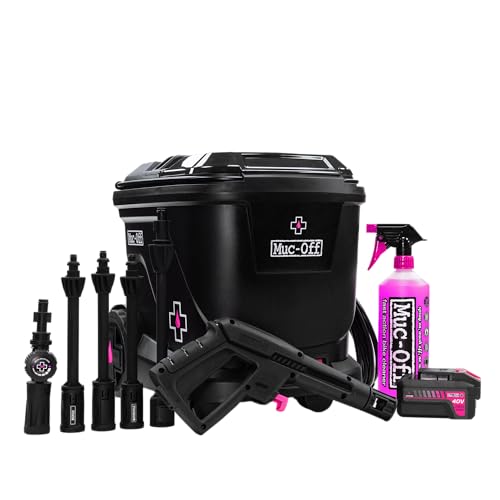
Top Recommendation: Muc-Off Mobile Pressure Washer Moto Starter Bundle
Why We Recommend It: Reasonable weight and a fully mobile design let you wash without mains water or electricity. The 500W motor with a 40V lithium-ion battery provides solid grime removal, while the integrated 20L water tank and internal filter support on-the-go use. Motorcycle-specific cleaning lances enable controlled pressure for fairings, engines, and delicate components; snow foam compatibility adds a deep, safe pre-clean. These features together offer superior convenience, versatility, and track-to-trail practicality compared with alternatives.
Muc-Off Mobile Pressure Washer Moto Starter Bundle. |
- ✓ Portable and self-contained
- ✓ Foam-ready for deep cleaning
- ✓ Motorcycle-specific lances
- ✕ Limited raw pressure
- ✕ Battery life constraints
| Power Source | 500W motor with 40V lithium-ion battery |
| Water Source | Integrated 20 L water tank with internal filter |
| Cleaning Modes/Accessories | Motorcycle-specific cleaning lances (adjustable), snow foam lance compatible |
| Mobility/Ports | Fully mobile without mains water or electricity, quick-connect portable system |
| Intended Use | Track, trail, and garage motorcycle cleaning |
| Foam Compatible Cleaning | Snow Foam compatible with Nano Tech Motorcycle Cleaner |
I peeled off the cap and felt the weight shift in my hand as the 40V battery clicked into place. A quick press of the power button and the mower-like hum gave me confidence, like I was about to tackle the grime without tracing a cord to a wall outlet.
I aimed the motorcycle-specific lance at a stubborn scuff on the fairing and watched a controlled mist peel it away—no drama, just steady cleaning power.
The integrated 20L water tank is the real quiet hero. You can refill from any clean water source, which means you’re not chasing a tap every few minutes at the track or in the garage.
The foam lance instantly transforms Nano Tech Motorcycle Cleaner into thick, clingy foam that clings to paint and plastics, letting you see where you’ve already treated and where you still need attention.
Handling feels deliberate and thoughtful. The quick-connect system snaps together with a soft-touch finish, and the attachments stay put even when you’re swapping between a snow foam and a regular cleaning setup.
It sits nicely on a toolbox or tailgate, and the lightweight build means you don’t dread the walk back to your bike after a session.
In real use, this kit shines for on-the-go motos: a sweaty track day, a muddy trail ride, or a quick garage refresh between sessions. You’ll appreciate not needing a faucet or power socket, and the dedicated lances protect delicate components while you rinse away grime.
If your ride lives on wheels and you commute between different spaces, this mobile setup keeps you moving without the hassle. It’s not a full-blast pressurizer, but for fairings, engines, and plastics, it feels just right.
What Key Features Should You Consider in a Motorcycle Pressure Washer?
When looking for the best motorcycle pressure washer, several key features should be taken into account.
- Pressure Rating: The pressure rating, measured in PSI (pounds per square inch), indicates the force of the water stream. For motorcycle cleaning, a pressure washer with a PSI between 1300 and 1900 is typically ideal, as it provides sufficient power to remove dirt without risking damage to sensitive components.
- Flow Rate: The flow rate, measured in GPM (gallons per minute), determines how much water is delivered. A higher flow rate allows for quicker cleaning and rinsing off soap and debris, which is crucial for thorough motorcycle maintenance and achieving a polished finish.
- Nozzle Options: Different nozzle options provide versatility in cleaning tasks. A pressure washer with adjustable nozzles or interchangeable tips allows users to switch between varying spray patterns, from a concentrated jet for tough grime to a wider spray for rinsing delicate areas.
- Portability: Weight and design play significant roles in the portability of the pressure washer. A lightweight model with wheels or a compact design makes it easier to maneuver and transport, especially when cleaning in different locations or storing in a garage.
- Electric vs. Gas-Powered: Electric pressure washers are generally quieter, lighter, and easier to maintain, making them suitable for home use. On the other hand, gas-powered models offer more power and are better for heavy-duty tasks, though they tend to be bulkier and require more upkeep.
- Attachments and Accessories: The availability of attachments such as foam cannons or brushes can enhance the cleaning experience. Having these accessories allows for more effective cleaning solutions, particularly when dealing with stubborn dirt or intricate parts of a motorcycle.
- Durability and Build Quality: A well-constructed pressure washer made from high-quality materials can withstand frequent use and various weather conditions. Look for models with sturdy frames, reliable motors, and robust hoses to ensure longevity and consistent performance over time.
- Ease of Use: Features that promote user-friendliness, such as easy assembly, intuitive controls, and quick-connect fittings, are essential for a hassle-free experience. A pressure washer that is simple to operate will encourage regular maintenance and care for your motorcycle.
How Can a Pressure Washer Improve Your Motorcycle Cleaning Routine?
A pressure washer significantly enhances your motorcycle cleaning routine by offering a more efficient and thorough cleaning process. Here’s how:
-
Effective Dirt Removal: High-pressure water jets can easily dislodge stubborn dirt, mud, and grime that traditional cleaning methods may struggle with. This ensures your motorcycle shines like new by reaching every nook and cranny.
-
Time Efficiency: Using a pressure washer drastically reduces cleaning time. Instead of spending an hour scrubbing, you can complete the task in a fraction of that time, allowing for quick washes between rides.
-
Environmentally Friendly: Pressure washers use less water than a garden hose while providing stronger cleaning power. This not only conserves water but also limits the need for harsh chemicals that can damage your motorcycle’s finish.
-
Versatility: Many pressure washers come with adjustable pressure settings and interchangeable nozzles, allowing you to customize the intensity for different motorcycle surfaces, such as chrome and painted areas.
-
Improved Maintenance: Regular use of a pressure washer can help identify potential issues like rust or damage that are easily missed with manual cleaning, leading to better overall maintenance of your motorcycle.
Incorporating a pressure washer into your motorcycle cleaning routine can result in a more effective, efficient, and environmentally-friendly approach to keeping your ride in pristine condition.
Which Motorcycle Pressure Washer Brands Are Most Reliable?
The most reliable motorcycle pressure washer brands include:
- Karcher: Known for its high-quality construction and performance, Karcher offers a range of pressure washers that are ideal for motorcycle cleaning. Their products often feature adjustable pressure settings, making it easy to tailor the wash to delicate surfaces without risking damage.
- Sun Joe: This brand is celebrated for its affordability and efficiency, providing electric pressure washers that are lightweight and easy to maneuver. Sun Joe models typically come with various attachments, enhancing their versatility for cleaning motorcycles and other vehicles.
- Simpson: Simpson pressure washers are built for heavy-duty use, making them a great choice for motorcycle enthusiasts who require robust performance. They often feature powerful engines and high PSI ratings, ensuring thorough cleaning even for tough grime and dirt.
- AR Blue Clean: Renowned for their innovative designs and user-friendly features, AR Blue Clean pressure washers are perfect for home users and motorcycle lovers alike. They are often more compact and lightweight, offering a balance of portability and power for efficient cleaning.
- Generac: Generac is known for its reliable gas-powered pressure washers that deliver high performance. Their models typically offer great pressure levels and long-lasting durability, making them suitable for frequent and rigorous motorcycle cleaning tasks.
What Are the Most Effective Cleaning Techniques Using a Pressure Washer on Motorcycles?
The most effective cleaning techniques using a pressure washer on motorcycles are essential for maintaining their appearance and performance.
- Choose the Right Nozzle: Using the appropriate nozzle is crucial for safely cleaning your motorcycle. A wider spray pattern, like a 25-degree nozzle, is ideal for general cleaning without damaging sensitive components, while a soap nozzle can help with applying motorcycle-specific cleaners.
- Maintain a Safe Distance: Keeping a safe distance between the pressure washer and the motorcycle is important to avoid damaging paint or delicate parts. Generally, maintaining a distance of at least 2-3 feet will help ensure that the pressure remains effective without causing harm.
- Pre-Treat with Soap: Applying a specialized motorcycle cleaner or soap before pressure washing can significantly enhance the cleaning process. Allowing the soap to sit for a few minutes helps to break down dirt and grime, making it easier to rinse away with the pressure washer.
- Focus on the Undercarriage and Wheel Areas: These areas often accumulate the most dirt and debris, so it’s important to pay special attention to them. Directing the pressure washer to these parts can effectively dislodge stubborn grime and keep your motorcycle looking its best.
- Use a Lower Pressure Setting: If your pressure washer has adjustable pressure settings, opt for a lower setting for cleaning your motorcycle. This approach reduces the risk of damaging the bike’s finish and any sensitive electronic components while still providing effective cleaning.
- Rinse Thoroughly: After applying soap and washing your motorcycle, ensure you rinse thoroughly to remove all soap residue. Leftover soap can attract dirt and lead to streaks, so a thorough rinse will help maintain a clean and polished appearance.
- Dry with a Soft Cloth: After washing, drying the motorcycle with a soft microfiber cloth can prevent water spots and streaks. This step not only enhances the bike’s appearance but also protects the finish from mineral deposits.
What Precautions Should You Follow When Using a Pressure Washer on Your Motorcycle?
When using a pressure washer on your motorcycle, it’s essential to follow specific precautions to avoid damage and ensure safety.
- Choose the Right Pressure Setting: Always select a low-pressure setting, ideally between 1300 to 1900 PSI, to avoid stripping paint or damaging sensitive components. High pressure can force water into electrical systems or bearings, leading to potential failures.
- Keep a Safe Distance: Maintain a distance of at least 2-3 feet from the motorcycle while washing. This distance helps prevent concentrated blasts of water from causing damage to fragile parts and ensures a more even cleaning.
- Avoid Direct Spray on Sensitive Areas: Do not spray directly onto the engine, electrical connectors, or brake components. Water can infiltrate these areas and cause short circuits or impact the performance of brakes.
- Use the Right Nozzle: Opt for a wide-angle nozzle, typically 25 to 40 degrees, to disperse the water over a larger area. This reduces the intensity of the water impact and minimizes the risk of damaging the motorcycle’s finish and components.
- Rinse Thoroughly: After applying soap or cleaning solution, ensure you rinse thoroughly to remove all residues. Soap left on the surface can lead to streaks or damage the finish over time.
- Dry the Motorcycle Properly: After washing, dry the motorcycle with a microfiber cloth to prevent water spots and corrosion. Pay special attention to areas where water can accumulate, such as under the seat and around the wheel spokes.
- Inspect for Damage: After washing, take a moment to inspect the motorcycle for any signs of wear or damage. Check for loose parts, cracks, or corrosion that may have been hidden before cleaning.
What Are Common User Mistakes When Choosing a Motorcycle Pressure Washer?
Common user mistakes when choosing a motorcycle pressure washer include:
- Ignoring pressure ratings: Many users overlook the importance of pressure ratings when selecting a pressure washer, which can lead to inadequate cleaning power. A pressure washer with a rating of at least 1300-2000 PSI is typically recommended for effectively removing dirt and grime from motorcycles without causing damage.
- Neglecting flow rate: Users often focus solely on pressure and forget about the water flow rate, measured in gallons per minute (GPM). A higher GPM means more water is delivered, which helps in rinsing off soap and debris more efficiently, ultimately speeding up the cleaning process.
- Choosing the wrong nozzle: Selecting the incorrect nozzle type can result in inefficient cleaning or damage to the motorcycle’s surfaces. Pressure washers come with various nozzle attachments, and using a fan spray nozzle or a low-pressure soap nozzle is usually best for delicate motorcycle components.
- Overlooking portability: Some users fail to consider the weight and portability of the pressure washer, which can affect ease of use, especially when washing a motorcycle. A lightweight, compact design with wheels can significantly enhance maneuverability around the garage or driveway.
- Ignoring safety features: Users sometimes neglect to check for essential safety features, which can lead to accidents during use. Look for models with automatic shut-off features, safety locks, or thermal relief valves to ensure safe operation while cleaning your motorcycle.
- Not considering accessories: Many buyers overlook the importance of included accessories or the availability of compatible attachments. Accessories like brushes, foam cannons, or extension wands can enhance the cleaning experience and make it easier to reach tight spots on a motorcycle.
- Focusing only on price: Consumers often make the mistake of prioritizing price over quality, leading to the purchase of low-performing pressure washers. Investing in a reliable, durable model may seem more expensive upfront but can save money in repairs and replacements in the long run.