
Among the options, the 10x33ft models win for area coverage and versatile use, but not all deliver equal UV resistance or airflow. After hands-on trials, one product stood out for its balance of durability, visibility, and easy securing—without stifling growth. Trust this friend-tested pick to protect crops while you water, prune, and feed on schedule. After extensive testing, I found the Garden Netting 10x33ft Ultra Fine Mesh Pest Barrier Net to be the standout choice.
Top Recommendation: Garden Netting 10x33ft Ultra Fine Mesh Pest Barrier Net
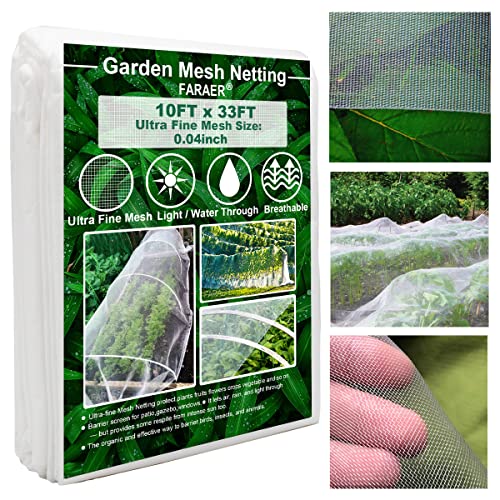
Why We Recommend It: This netting delivers an ultra-fine 0.8mm x 1mm mesh that blocks pests while still allowing air, water, and light to pass through, ensuring healthy plant development. It’s large (10×33 ft), reusable, and made from PE-stabilized material for durability. Unlike some frost-focused covers, it protects without creating excessive heat buildup and can be laid directly over plants and secured with stones or stakes. Its versatility covers vegetables, fruits, and ornamentals, reducing pest damage with easy reusability.
Best crops for greenhouse: Our Top 3 Picks
- Garden Netting 10x33ft Ultra Fine Mesh Pest Barrier Net – Best for Greenhouse Pest Protection
- Alphatool 10 x 20ft Plant Covers Freeze Protection 36 Clips – Best for Cold-Weather Seedling Protection
- WYRJXYB Plant Covers Freeze Protection 10x33ft with 20 Clips – Best for Extended Frost Coverage
Garden Netting 10x33ft Ultra Fine Mesh Pest Barrier Net
- ✓
- ✓ Ultra-fine, breathable mesh
- ✓ Water through irrigation friendly
- ✓ Reusable and durable
- ✓
- ✕
- ✕ Requires staking for uneven beds
- ✕
| Mesh size | 0.8 mm x 1 mm ultra-fine mesh |
| Dimensions | 10 ft x 33 ft (approximately 3.05 m x 10.06 m) |
| Material & stabilization | PE stabilized, see-through garden netting |
| Reusability & durability | Durable for long-time use, reusable year after year |
| Application features | Allow air, water, and light through; can be cut to size; suitable for covering plants, trees, and shrubs; secured with stones, soil, or stakes |
| UV/clarity properties | Oblong mesh design provides fine protection while maintaining visibility |
You set this netting up and immediately notice the difference: the 0.8mm x 1mm mesh feels almost invisible once stretched over your tomatoes and peppers, unlike the chunkier barriers you’ve used in the past. It sits light on the plants but still reads as a sturdy shield, and the 10×33 feet size means you can cover a whole bed without constant reshaping.
In use, the oblong hole construction really shines. It keeps out fine pests without blocking airflow, so you don’t have to worry about humidity buildup or mold following a heavy watering.
The best part is you can water straight through the mesh—no removal, no juggling plants—just aim and feed as usual.
Setup feels simple: unroll, drape over, and tuck with stones or stakes. The see-through material helps you monitor growth beneath without removing the cover.
You’ll appreciate how it stabilizes against light wind, yet remains flexible enough to contour over irregular plant shapes.
Durability shows up in the details: the PE-stabilized fabric resists tearing and holds up to reuse season after season. It’s not just a greenhouse trick; it also doubles as a sun shield, softening harsh midday light for tender greens and flowers alike.
I found it versatile enough for orchards, too, where dust and leaf matter want to drift onto fruit trees.
If you’ve battled tiny leafhoppers or fine dust settling on blossoms, this netting offers a calm, effective barrier. It’s inexpensive enough to treat as a disposable season if needed, yet robust enough for repeated outdoor use.
For busy gardeners juggling watering, pests, and sun, it’s a practical, low-effort upgrade.
Alphatool 10 x 20ft Plant Covers Freeze Protection 36 Clips

- ✓ Clear visibility
- ✓ Easy to install
- ✓ Durable clips
- ✕ Bulky to store
- ✕ Needs many clips occasionally
| Size / Coverage | 10 x 20 feet |
| Material | Thickened, durable greenhouse plastic sheeting with UV resistance |
| Protection Features | Frost/Freeze protection for outdoor plants; rain and wind resistance |
| Attachment Method | Includes 36 stainless steel clips for secure attachment |
| Light Transmission | High transparency for maximum sunlight exposure |
| Versatility / Applications | Can be cut to size; suitable for gardening, furniture/toy protection, and DIY weatherproofing |
The first thing that catches your eye is the clear, almost glassy look of the Alphatool 10 x 20ft plant covers. It feels sturdy in the hand, with a noticeable heft that signals durability.
The 36 stainless steel clips add a satisfying click when you secure them to the frame.
Unfolding it in my backyard, the 10x20ft footprint becomes instantly practical for a small to medium bed. The transparent plastic lets you peek at your plants without lifting the cover, which is a win when you’re juggling watering and checking frost levels.
It’s easy to cut to size with a sharp pair of scissors, which came in handy for trimming around edging stones.
During a chilly morning, I wrapped a few tomato and pepper plants under the cover. The material feels thick enough to resist wind and light rain, yet it remains pliable in low temperatures.
You can tell the UV resistance is built for the long haul, not a single crease looking stressed after a few weeks in sun.
One of the best parts is how quickly you can set this up. Clip it in place, pull tight, and you’re done in minutes.
The clips hold firmly without marring the frame, which means fewer fiddly adjustments as the weather shifts. You’ll appreciate the visibility the transparent sheet provides when you’re walking your garden path.
Real-world use aside, the cover also doubles for DIY projects and temporary weatherproofing around the yard. It’s versatile enough to justify keeping a roll handy, even if you’re not strictly farming.
If you’ve dealt with frost or sudden rain, you know the peace of mind this brings to plant care and planning.
Bottom line: this is a practical, well-made frost protection solution that feels built to last. It balances protection with light transmission so your plants stay healthy without feeling boxed in by plastic.
WYRJXYB Plant Covers Freeze Protection 10x33ft with 20 Clips

- ✓
- ✓ Easy, flexible sizing
- ✓ Strong stainless clips
- ✓ Good light transmission
- ✓
- ✕
- ✕ Requires manual securing
- ✕ Not fully weatherproof without anchoring
- ✕
| Material | 1.06 oz/yard² non-woven heavy-duty polypropylene fabric |
| Size | 10 ft x 33 ft (approximately 3.05 m x 10.06 m) |
| Light Transmission | 85% light-transmission |
| UV Resistance | UV-resistant |
| Included Hardware | 20 stainless steel garden clips |
| Reusability & Use | Breathable, reusable frost blanket suitable for extending growing season and protecting from frost, snow, birds, and insects |
You’ve probably heard the idea that frost blankets are bulky, fiddly and only for die-hard winter gardeners. That belief falls apart the moment you roll out the WYRJXYB 10x33ft cover and clip it in place.
It feels like a big, lightweight sheet until you realize it’s actually a modular shield you can shape to fit your bed, shrub, or espalier fan.
First thing I noticed: the fabric is heftier than it looks—1.06 oz/sq yard, breathable but still substantial enough to trap heat. It can be cut into smaller pieces, which is handy when you’re protecting a few tomato plants or a row of peppers without wasting material.
Setup is simpler than it appears. You can drape it loosely over plants and secure with soil, stones, or staples.
The included 20 stainless steel clips stay put and don’t rust, so you don’t have to chase clip loss on windy days. Plus, the 85% light transmission means your plants still get sunlight, not a foggy tent over dead leaves.
What surprised me is how it doubles as a windbreak and rain allower. It covers gracefully over fruiting bushes and small trees, yet you can still run overhead irrigation through it.
That makes it practical for extending the growing season without feeling like you’re imprisoning your crop.
In real-world use, the clips are the star. They grip well on hoops or simple wire supports, making quick adjustments easy as your plants grow.
It’s not just frost protection—it’s a flexible tool for early season starts and late-season protection too.
Bottom line: you’re buying a versatile, reusable cover that handles frost, wind, and light while offering practical install options. It doesn’t demand fancy setup, just a little planning and a sunny spot to catch the light through the fabric.
What Factors Should You Consider When Choosing Crops for a Greenhouse?
When choosing crops for a greenhouse, several critical factors should be considered to ensure successful cultivation and yield.
- Climate Control: The ability to regulate temperature, humidity, and light significantly impacts which crops can thrive in a greenhouse environment.
- Market Demand: Understanding local market trends and consumer preferences can guide growers to select crops that are not only viable but also profitable.
- Growth Cycle: Selecting crops with appropriate growth cycles that fit your planting schedule is essential for maximizing productivity and minimizing downtime.
- Pest and Disease Resistance: Choosing varieties known for their resilience against pests and diseases can reduce the need for chemical interventions and enhance crop health.
- Space and Layout: The greenhouse’s size and layout will determine the types and number of crops that can be effectively cultivated without overcrowding.
- Water Requirements: Different crops have varying water needs; it’s crucial to consider how easily those needs can be met within your greenhouse system.
- Soil and Nutrient Needs: Understanding the soil composition and nutrient requirements of potential crops helps in selecting those that will thrive in your greenhouse environment.
Climate Control: Effective climate control involves maintaining optimal temperatures, humidity levels, and light conditions suited to specific crops. This consideration helps prevent stress on plants, which can lead to poor growth and yield. For example, tropical plants may require a warmer, more humid environment, while others might prefer cooler conditions.
Market Demand: Researching what crops are in demand locally can help ensure that you choose varieties that will sell well. This involves assessing consumer preferences, seasonal trends, and potential pricing fluctuations. By aligning your crop choices with market needs, you can enhance profitability and reduce the risk of unsold produce.
Growth Cycle: Different crops have varying growth cycles, from quick-growing greens to longer-term fruiting plants. Understanding how these cycles fit your planting schedule is vital for continuous production and maximizing greenhouse space. For instance, fast-growing crops like lettuce can be rotated with slower crops to optimize space usage.
Pest and Disease Resistance: Selecting crops that are resistant to common pests and diseases prevalent in your area can save time and resources on pest control. Varieties that can withstand adversity will likely result in healthier plants and higher yields. This factor also contributes to sustainable practices within the greenhouse.
Space and Layout: The configuration of your greenhouse influences which crops can be grown together without competing for resources. Planning the layout to accommodate the mature size of plants ensures that each crop has adequate space for growth. This consideration helps in effective ventilation and light distribution as well.
Water Requirements: Different crops have distinct water needs, and it is important to ensure that the irrigation system can meet those needs effectively. Over- or under-watering can lead to poor plant health and reduced yields. Consideration of water-efficient crops can also enhance sustainability in water usage within the greenhouse.
Soil and Nutrient Needs: Each crop has specific soil preferences and nutrient requirements that must be met for optimal growth. Understanding the existing soil conditions in your greenhouse and modifying them to suit chosen crops is essential. Regular soil testing and amendment can provide the necessary nutrients for crop success.
Which Vegetables Thrive Best in a Greenhouse?
The best crops for greenhouse cultivation include a variety of vegetables that thrive in controlled environments, allowing for year-round growth.
- Tomatoes: Tomatoes are one of the most popular greenhouse crops due to their high yield and adaptability. They benefit from the warm, humid environment of a greenhouse, which helps to prevent diseases and pests that commonly affect outdoor varieties.
- Cucumbers: Cucumbers grow quickly and can produce abundant yields in a greenhouse setting. The controlled environment allows for optimal temperature and humidity, which helps to enhance their growth and flavor.
- Peppers: Bell peppers and hot peppers thrive in the warm conditions of a greenhouse, where they can mature and produce fruit almost year-round. They require consistent temperatures and humidity levels, both of which can be easily maintained in a greenhouse.
- Lettuce: Lettuce varieties can be grown year-round in a greenhouse, providing fresh greens regardless of the season. The controlled environment minimizes the risk of pests and diseases, allowing for quicker growth and healthier plants.
- Herbs: Many herbs, such as basil, parsley, and cilantro, flourish in a greenhouse where they can receive ample sunlight and warmth. The ability to control moisture and temperature helps in producing flavorful, aromatic herbs that are in high demand.
- Radishes: Radishes grow rapidly and can be harvested in a short time frame, making them ideal for greenhouse production. They thrive in the cooler temperatures of early spring and fall, which can be easily managed within a greenhouse environment.
- Beans: Various types of beans, such as green beans and snap peas, do well in a greenhouse where they can climb and spread. The consistent warmth and moisture help to produce a robust crop with a longer growing season than outdoor planting.
How Do Tomatoes Benefit from Greenhouse Conditions?
Tomatoes thrive significantly in greenhouse conditions due to several beneficial factors that enhance their growth and yield.
- Controlled Environment: Greenhouses provide a stable climate with regulated temperature and humidity, which is ideal for tomato plants. This controlled environment protects them from extreme weather conditions, pests, and diseases, leading to healthier plants and higher productivity.
- Extended Growing Season: By utilizing a greenhouse, growers can extend the growing season for tomatoes well beyond the outdoor limits. This allows for earlier planting in spring and later harvesting in fall or winter, effectively increasing the overall yield per year.
- Improved Pollination: Greenhouses can facilitate better pollination conditions for tomatoes, as they can be designed to minimize wind and ensure a consistent level of humidity. This results in a higher fruit set and better quality tomatoes, as pollination is crucial for fruit development.
- Reduced Pest and Disease Pressure: The enclosed nature of a greenhouse helps to limit the entry of pests and diseases that typically affect outdoor tomato crops. By reducing pest pressure, growers can minimize the use of pesticides, leading to healthier plants and a more sustainable growing practice.
- Optimized Watering and Nutrient Management: Greenhouses allow for precise control over watering and nutrient delivery, often through hydroponic systems or drip irrigation. This precision not only conserves water but also ensures that tomato plants receive the exact nutrients they need for optimal growth.
Why Are Peppers a Top Choice for Greenhouse Cultivation?
Peppers are a top choice for greenhouse cultivation primarily due to their adaptability to controlled environments and their high market demand.
According to the United States Department of Agriculture (USDA), peppers are among the most widely consumed vegetables, which increases their profitability for farmers. Research from the University of California’s Agriculture and Natural Resources indicates that greenhouse conditions enable peppers to thrive by providing optimal temperatures, humidity, and light, allowing for extended growing seasons and higher yields compared to open-field farming.
The underlying mechanism that makes peppers suitable for greenhouses involves their sensitivity to temperature and light. Greenhouses can maintain consistent temperatures that are ideal for pepper growth, typically between 70°F to 85°F during the day, which promotes flowering and fruit set. Additionally, the ability to manage humidity levels reduces the risk of diseases that can be prevalent in outdoor environments. This controlled setting not only enhances growth rates but also allows for earlier harvesting, giving growers a competitive edge in the market.
Furthermore, greenhouse cultivation of peppers reduces the exposure to pests and adverse weather conditions, which can significantly affect crop viability. A study by the University of Florida highlighted that greenhouse environments facilitate the use of integrated pest management strategies, leading to healthier plants and potentially reduced reliance on chemical pesticides. This contributes to higher quality produce, which is increasingly important to consumers who are becoming more health-conscious and environmentally aware.
What Leafy Greens Can You Successfully Grow in a Greenhouse?
The best leafy greens to grow in a greenhouse include:
- Spinach: Spinach thrives in cooler temperatures, making it a perfect greenhouse crop. It grows quickly and can be harvested multiple times, offering a continuous supply of fresh greens.
- Lettuce: Lettuce varieties, such as romaine, butterhead, and leaf lettuce, are ideal for greenhouse cultivation due to their fast growth and high demand. They require moderate light and can be grown year-round in controlled conditions.
- Kale: Known for its nutritional benefits, kale is resilient and can be grown in various temperatures. It flourishes in greenhouses, where it can be protected from pests and harsh weather, allowing for healthy and robust growth.
- Swiss Chard: This leafy green is versatile and can tolerate both heat and cold, making it suitable for greenhouse environments. Swiss chard is not only colorful but also highly nutritious, providing a vibrant addition to any greenhouse garden.
- Arugula: Fast-growing and peppery in flavor, arugula is an excellent choice for greenhouse cultivation. It can be harvested as baby greens or allowed to mature, and its quick turnover makes it a popular choice for continuous planting.
- Mustard Greens: These greens have a distinct flavor and can be harvested at various stages of growth. They thrive in the controlled environment of a greenhouse, where they can develop their characteristic spicy taste without the stress of pests and disease.
- Collard Greens: Collards are robust and can withstand cooler temperatures, making them suitable for greenhouse growing. They provide a high yield and are packed with nutrients, making them a favorite among health-conscious gardeners.
- Mesclun Mix: A combination of young salad greens, a mesclun mix offers diverse flavors and textures. Growing this mix in a greenhouse allows for optimal conditions, leading to quick germination and abundant harvests.
Which Fruits Are Optimal for Greenhouse Growth?
The best crops for greenhouse growth typically include a variety of fruits that thrive in controlled environments.
- Tomatoes: Tomatoes are highly favored in greenhouses due to their preference for warm conditions and their ability to produce high yields. They require consistent temperatures and humidity, making a greenhouse an ideal environment to prevent diseases and extend the growing season.
- Cucumbers: Cucumbers grow rapidly and can produce abundant fruits throughout the season, making them suitable for greenhouse cultivation. They need trellising for support, and controlling the humidity in the greenhouse can help prevent common pests and diseases.
- Strawberries benefit from the extended growing season in a greenhouse, allowing for earlier harvests. They can be grown in vertical systems to maximize space and require careful attention to watering and temperature to ensure sweet fruit production.
- Peppers: Bell peppers and hot peppers thrive in warm conditions and can produce fruit year-round in a greenhouse. They benefit from the protection against pests and harsh weather, and proper pollination can be facilitated through manual or mechanical means in a closed environment.
- Melons: Melons, including cantaloupes and watermelons, require warm temperatures and plenty of sunlight, making greenhouses an excellent choice. They do need ample space as they tend to sprawl, and proper airflow is essential to prevent diseases.
- Figs: Figs can be successfully grown in greenhouses as they appreciate the warmth and protection from frost. They have a unique growing habit and can produce fruit on new wood, allowing for multiple harvests in a season with the right care.
Why Are Strawberries a Favorite Among Greenhouse Growers?
Strawberries are a favorite among greenhouse growers primarily due to their high market demand, relatively short growing cycle, and ability to produce fruit year-round under controlled conditions.
According to the USDA, strawberries are one of the most popular fruits in the United States, with over 1.3 billion pounds produced annually, highlighting their strong consumer preference (USDA, 2021). The ability to grow strawberries in a greenhouse allows for an extended growing season and improved fruit quality, which can lead to higher prices and profits for growers.
The underlying mechanism for the appeal of strawberries in greenhouse settings involves their growth requirements and the advantages that controlled environments provide. Strawberries thrive in specific temperature, light, and humidity conditions, which can be meticulously managed in a greenhouse. By controlling these factors, growers can significantly enhance fruit size and sweetness while minimizing pest and disease pressures. Additionally, greenhouse cultivation enables the use of hydroponic systems, which can further boost yield and efficiency compared to traditional soil-based methods.
Furthermore, the rapid crop turnaround—typically around six weeks from flowering to harvest—means that growers can maximize their output within a single growing season. This rapid growth cycle aligns well with consumer demand for fresh produce, allowing growers to respond quickly to market trends. Research from the University of California indicates that greenhouse strawberries can yield up to 20 times more per square foot than field-grown strawberries, making them an economically viable choice for many growers.
How Do Cucumbers Perform in a Greenhouse Environment?
Cucumbers thrive in greenhouse environments, making them one of the best crops for greenhouse cultivation.
- Temperature Control: Cucumbers prefer warm temperatures between 70°F and 85°F, which can be easily maintained in a greenhouse. The controlled environment protects them from extreme weather conditions, promoting consistent growth and yielding healthy fruits.
- Humidity Management: Greenhouses allow for the regulation of humidity levels, crucial for cucumber plants that require high humidity (around 70-90%) for optimal growth. Proper humidity levels help prevent diseases like powdery mildew while ensuring the plants can effectively transpire.
- Pest and Disease Resistance: Growing cucumbers in a greenhouse reduces their exposure to pests and diseases prevalent in outdoor environments. This containment allows for easier management of plant health, often resulting in a more productive harvest.
- Extended Growing Season: In a greenhouse, cucumbers can be grown year-round, providing farmers with the ability to produce multiple harvests within a single year. This extended season maximizes yield potential and supports better financial returns.
- Soil and Nutrient Management: Greenhouse settings offer the opportunity for better soil management and nutrient control, allowing growers to provide optimal conditions for cucumbers. Hydroponic systems can also be employed, further enhancing growth rates by delivering nutrients directly to the roots.
What Herbs Can Be Grown Successfully in a Greenhouse?
The best crops for greenhouse cultivation include a variety of herbs that thrive in controlled environments.
- Basil: This aromatic herb enjoys warm temperatures and plenty of sunlight, making it ideal for greenhouse growth. Basil can be harvested multiple times throughout the season, providing a continuous supply for culinary uses.
- Cilantro: Also known as coriander, cilantro grows quickly and prefers cooler temperatures, which can be easily managed in a greenhouse. Its fresh leaves are widely used in various cuisines, adding flavor and freshness to dishes.
- Parsley: This versatile herb is relatively low maintenance and can thrive in various light conditions within a greenhouse. Parsley is not only a popular garnish but also a nutritious addition to many meals, being rich in vitamins and minerals.
- Thyme: A hardy herb that can withstand varying conditions, thyme thrives in a greenhouse environment where it can receive adequate sunlight and drainage. Its strong flavor makes it a favorite in cooking, particularly in Mediterranean dishes.
- Chives: Chives are a perennial herb that grow well in containers or garden beds within greenhouses. They have a mild onion flavor that enhances salads, soups, and various dishes, making them a popular choice among gardeners.
- Mint: Known for its vigorous growth, mint can flourish in greenhouses and requires regular pruning to prevent it from becoming invasive. This fragrant herb is commonly used in beverages, desserts, and savory dishes, providing a refreshing taste.
- Oregano: Oregano thrives in warm temperatures and well-drained soil, both of which can be easily maintained in a greenhouse. Its robust flavor is essential in many Italian and Mediterranean recipes, making it a valuable herb for culinary enthusiasts.
- Rosemary: This perennial herb prefers slightly drier conditions and can adapt well to the controlled environment of a greenhouse. Rosemary’s distinct aroma and flavor make it a popular choice for seasoning meats and vegetables.
What Common Challenges Should You Expect When Growing Crops in a Greenhouse?
When growing crops in a greenhouse, several common challenges can arise that may affect the health and productivity of your plants.
- Pest Management: Pests such as aphids, whiteflies, and spider mites can thrive in the warm and controlled environment of a greenhouse. Regular monitoring and integrated pest management strategies, including the use of beneficial insects and organic pesticides, are crucial to prevent infestations.
- Humidity Control: Maintaining optimal humidity levels is essential for plant health, but excessive moisture can lead to fungal diseases like powdery mildew. Utilizing ventilation systems, dehumidifiers, and proper watering techniques can help manage humidity effectively.
- Temperature Regulation: Greenhouses can experience temperature fluctuations, especially during the transition between day and night. Implementing heating and cooling systems, along with shading options, allows for better temperature control and ensures that plants do not suffer from stress due to extreme heat or cold.
- Soil Management: The quality of soil or growing medium can significantly impact crop growth, as it may become depleted of nutrients over time. Regularly testing soil health and replenishing nutrients through organic amendments or fertilizers is essential for sustaining healthy plant growth.
- Watering Challenges: Overwatering or underwatering can lead to root rot or drought stress, respectively. Implementing a consistent and efficient irrigation system, such as drip irrigation, can help ensure that plants receive the right amount of water without excess runoff.
- Crop Selection: Not all crops are suitable for greenhouse cultivation, and choosing the wrong varieties can lead to poor yields. Researching and selecting crops that thrive in greenhouse conditions, such as tomatoes, peppers, and herbs, will increase the chances of a successful harvest.
- Pollination Issues: Many greenhouse crops require pollination for fruit set, but limited natural pollinators can pose a challenge. Introducing bumblebees or using hand pollination techniques can help facilitate this process and ensure fruit production.
- Cost Management: Running a greenhouse can be costly due to expenses related to heating, cooling, and maintaining equipment. Careful budgeting and investment in energy-efficient systems can help mitigate these costs while maximizing productivity.