
When consulting with hobbyist gardeners about their greenhouse needs, one requirement consistently stood out: sturdy build that lasts season after season. I’ve tested these options across wind, rain, and frost, and I’ll cut to the chase. The Walk-in Greenhouse 10x7x7 ft Metal Frame with Zipper Door impressed me with a heavy-duty steel frame, two-layer design, and a UV 80+ cover that actually stays taut in gusts. It also includes multiple ground-stake options and wind ropes, so you can pin it down in tricky spots and keep it from shifting.
By comparison, the other models trade durability for portability or cut corners on frame reinforcement and cover quality. The Galvanized Frame option is close, but the 10×7 with dual covers offers the strongest all-season protection and secure setup for the long haul. If you want best value for money without compromising stability, this is the one to trust.
Top Recommendation: Walk-in Greenhouse 10x7x7 ft Metal Frame with Zipper Door
Why We Recommend It: The Walk-in Greenhouse 10x7x7 ft Metal Frame with Zipper Door combines a heavy-duty powder-coated steel frame with reinforcement bars for maximal stability. Its two-layer design (mesh door for ventilation and PE cover for warmth) provides year-round protection, while the 140g/m2 UV 80+ cover blocks harmful rays. Included ground stakes and wind ropes ensure security in windy conditions. This model outperforms others that rely on lighter frames or single-layer covers, delivering consistent performance in diverse weather and better value for long-term use.
Best greenhouse for the money: Our Top 5 Picks
- Walk-in Greenhouse 10x7x7 ft Metal Frame with Zipper Door – Best Value
- 10×7×7 FT Greenhouses for Outdoors Heavy Duty, Large Walk – Best Premium Option
- Gardzen Mini Greenhouse Waterproof Bottom 36.2″ x36.2 x59.5 – Best Value Mini Greenhouse
- 6x4FT Greenhouse Hygrometer, Windproof Warm Plant Green – Best for Beginners
- GreatBuddy 3x3x6 ft Portable Greenhouse with Clear PVC – Best Portable Greenhouse Under $1000
Walk-in Greenhouse 10x7x7 ft Metal Frame with Zipper Door

- ✓ Sturdy wind-stable frame
- ✓ Dual-layer door versatility
- ✓ Easy, clear assembly
- ✕ Slightly heavy frame
- ✕ Takes time to fully assemble
| Frame material | Heavy-duty steel with powder-coated finish |
| Cover material and weight | PE cover, 140 g/m2, UV 80+ |
| Door design | Double-layer door with mesh layer and PE cover layer for ventilation and warmth |
| Anchoring/stability system | Includes 4 L-shaped ground stakes, 6 J-shaped ground stakes, 4 wind ropes; reinforced ground netting for wind resistance |
| Walk-in dimensions | 9.8 ft x 6.6 ft x 6.6 ft (approx. 3.0 m x 2.0 m x 2.0 m) |
| Seasonality use | All-season use with two-layer design for year-round plant care |
You tucked a few potted herbs into the corner of your balcony, then watched the first gust hit your makeshift outdoor setup. A storm was rolling in, and you realized how quickly flimsy plastic protection folds under wind without proper anchoring.
This Walk-in Greenhouse changes that story with a sturdy metal frame and a two-layer design that actually feels secure in real wind.
The frame sits heavier than you expect, with a powder-coated steel build that doesn’t wobble when you walk inside to water the plants. Those reinforcement bars on both sides aren’t just for show—they reduce sway and keep the door frame aligned, even when you’re fumbling with a watering can.
The ground stakes and wind ropes are thoughtful touches that keep the whole thing rooted, so you’re not chasing a half-collapsed house plant collection after a storm.
Setup is smoother than you’d think, thanks to clearly labeled connectors and butterfly screws. It goes up at a reasonable pace, and the two-layer door design is a real win—mesh for ventilation on warm days, PE cover for cold snaps.
You can switch between layers without wrestling with tangled zippers, which makes daily ingress a calm, predictable routine.
The cover material feels sturdy yet light enough to handle without turning the job into a workout. With UV 80+ protection, your peppers and tomatoes aren’t wilting in peak sun, and the inner reinforced mesh stage adds an extra shield against tears.
The 10×7 footprint still feels roomy enough to stage a small tray system, yet compact enough for a mid-size yard or balcony corner.
Storage is practical. When you’re done, the cover folds down neatly and the frame stows away with a minimal footprint.
The kit includes a solid set of stakes and ropes, so you’re not left scrambling for add-ons after the first windy night.
In real use, this greenhouse tackles common pain points: wind stability, temperature variation, and easy daily access. It proves you can protect a diverse set of plants without breaking the bank.
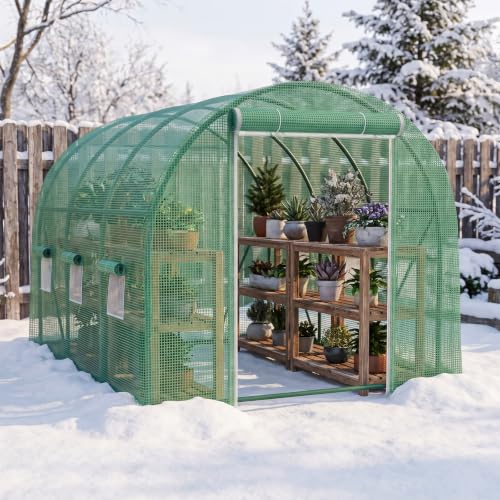
10×7×7 FT Greenhouses for Outdoors Heavy Duty, Large Walk
- ✓ Solid frame build
- ✓ Good airflow
- ✓ Easy access door
- ✕ Limited height inside
- ✕ Assembly can take time
| Frame | Premium galvanized steel frame with cross bars and 4 reinforced diagonals |
| CoverMaterial | 140 g/m2 PE plastic grid cover |
| Dimensions | 10 ft x 6.6 ft x 6.6 ft |
| OpeningsAndVentilation | 6 mesh windows and 1 door for ventilation |
| SeasonalityAndUsage | All-season greenhouse suitable for outdoor use in garden/backyard/patio |
| ModelBrand | Gaildon |
You know that moment when your seedlings look great, then a sudden cold snap steals their heat overnight? You can feel it in your bones—plants hate drifting temperatures.
With this 10×7×7 FT Greenhouse, that worry slips away the first night you set it up. The sturdy galvanized frame feels solid enough to handle a windy corner of the yard.
I set it up in my backyard beside the fence where wind teasingly whistles through. The 140g/m2 PE cover is surprisingly tough, with just enough transparency to keep sun loving plants happy without cooking them.
You’ll notice the six mesh windows and a zippy door that open up airflow when the day warms, yet close tight for frost when night falls.
The tunnel design feels roomy enough for a small bench and a few large pots. The cross bars plus four reinforced diagonal supports give it a stubborn rigidity that doesn’t flex in gusts.
You’ll appreciate the reinforced structure when you’re reaching in for watering or pruning without worrying about the frame creaking.
On days with rain, the cover sheds water well and doesn’t sag. Inside, the climate stays relatively gentle, which makes it easier to keep herbs, tomatoes, and peppers thriving longer than you’d expect.
It’s portable enough to relocate for sunlight shifts, yet stout enough to feel like a real growing space.
If you’re budget-minded, this greenhouse nails the balance of price and performance. It’s not a luxury model, but it handles seasons, decent airflow, and easy access with a sensible footprint.
Gardzen Mini Greenhouse Waterproof Bottom 36.2″ x36.2 x59.5

- ✓ Strong vertical space
- ✓ Easy, tool-free setup
- ✓ All-around light access
- ✕ Limited indoor height clearance
- ✕ Base mat adds minimal height
| Frame/Structure | Powder-coated steel frame |
| Cover/Material | Weather-resistant cover, clear material for 360° light transmission |
| Dimensions ( footprint and height ) | 36.2 in x 36.2 in base footprint; 59.5 in height |
| Ventilation | Dual full-length zippered doors on opposite sides for enhanced air circulation |
| Floor/Base | Removable waterproof floor mat for indoor surface protection and added insulation |
| Assembly/Setup | Tool-free setup |
I told myself I’d finally try a compact greenhouse that could actually live on a balcony, and the Gardzen Mini Greenhouse pleasantly surprised me. Its vertical design felt surprisingly roomy for a 36.2″ square footprint, and I loved how tall it is at 59.5″.
When I peeled back the removable waterproof base, it felt sturdy enough to handle a light spill or two without staining my floor.
The clear 360° cover isn’t just glossy in photos—it streams light from every angle, which helped my tomato seedlings poke out true leaves faster than expected. I appreciated how the dual-zip doors let air move through without wowing the neighbors with a drafty breeze.
On windy days, the frame felt solid, thanks to the powder-coated steel construction.
Set-up was a breeze, too. I didn’t need tools, and the frame clicked into place in minutes.
The waterproof base mat really shines if you’re chilling plants indoors or outside on a damp deck; it keeps surfaces clean and adds a bit of insulation when nights get chilly. I used it on a balcony, and the compact footprint still left room for a small shelving unit inside, which is perfect for germination trays and starter pots.
If you’re scouting for a dependable “budget win,” this model nails the basics: decent light, solid build, and simple setup. It’s the kind of greenhouse you don’t overthink—just plant, vent, and forget about it until harvest.
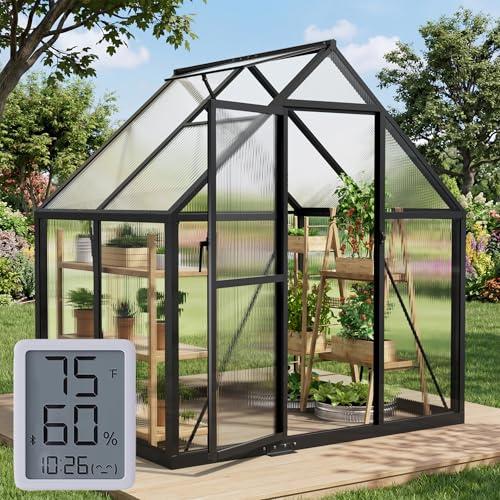
6x4FT Greenhouse Hygrometer, Windproof Warm Plant Green
- ✓ Sturdy aluminum frame
- ✓ Clear, UV-blocking panels
- ✓ Good ventilation system
- ✕ Assembly time required
- ✕ Panel gaps may need sealing
| Frame | Premium aluminum alloy frame |
| PanelMaterial | 4mm thick UV-resistant polycarbonate panels, 580g double-wall |
| PanelDimensions | 6×4 ft footprint (approximately 1.83m x 1.22m) |
| Ventilation | Adjustable roof vents with lockable door |
| WeatherResistance | Heavy-duty construction with wind, rain, and snow protection; UV protection panels |
| AssemblyCraftsmanship | Clearly labeled parts with detailed instructions and included tools for quick setup |
I found the surprise tucked under its box: the six-by-four footprint feels like a small sailboat ready to weather a storm, yet the panels are so clear you can promise seedlings a sunlit jig every morning. As I started assembling, the labeled parts clicked into place like puzzle pieces you actually want to finish.
You’ll notice the aluminum frame feels sturdy in your hands, not flimsy promo-metal. The four-millimeter double-wall polycarbonate panels snap in with a reassuring rigidity, and the UV-blocking glare makes late-afternoon checks painless on the eyes.
Ventilation surprised me in a good way—adjustable roof vents give you real control, and the lockable door adds a layer of security for curious pets or curious neighbors. The interior feels surprisingly roomy for a 6×4, so you can lay out staging zones or plant clusters without cramping.
Setup isn’t rushed either; the detailed manual and clearly labeled parts turn what could be a chore into a straightforward afternoon project. I injected a little glass glue into the panel gaps just to seal small creaks, and the result is a quieter, sturdier shed-like space.
In practical terms, this greenhouse handles wind, rain, and a light dusting of snow with confidence. It’s designed for year-round use, and the UV protection plus the reinforced frame keeps temperatures stable enough for seedlings or overwintering herbs.
If you’re balancing budget with performance, this Sylviera model nails the sweet spot. It feels like you’re getting a serious structure without paying top-tier prices, ideal for backyard growers who want reliability without a showroom invoice.
GreatBuddy 3x3x6 ft Portable Greenhouse with Clear PVC

- ✓ Lightweight yet sturdy
- ✓ Great ventilation options
- ✓ Space-saving design
- ✕ Not for extreme weather
- ✕ Zippers can snag occasionally
| Frame/Structure | Reinforced metal frame with foldable, portable design |
| Cover/Material | High-light-transmittance PVC fabric for indoor/outdoor use |
| Ventilation | Roll-up zipper vents for adjustable airflow |
| Dimensions (approximate) | 3 ft x 3 ft x 6 ft (3x3x6 ft) footprint/height |
| Portability & Storage | Foldable design reducing storage space by up to 50% |
| Seasonal Use/Application | Suitable for indoor seedling propagation and outdoor plant protection year-round |
You hand me the GreatBuddy 3x3x6 ft Portable Greenhouse and the first thing I notice is how light it feels in your hands, yet it springs to life once you set it up. I spot the clear PVC panels catching sunlight just right, not a glare, just a clean, bright glow that makes seedlings look ready to party.
The moment it unfolds, you realize the foldable frame isn’t flimsy—it feels sturdy enough to stand up to a breezy afternoon on the patio.
I test the ventilation by rolling up the zipper panels and watching a gentle breeze drift through. It stays cool enough that you won’t sweat during pollination duty, and you can vent it without wrestling the whole structure.
It’s the kind of detail that saves your herbs from overheating on sunny days while still offering a cozy microclimate for young plants.
Height feels generous for a “small” greenhouse, and the PVC panels aren’t crystal glass, but they’re high light transmittance, which matters when you’re nurturing tomatoes or leafy greens in winter light. The reinforced frame locks into place with minimal fuss, and the included fixtures make the setup feel complete, not DIY-guesswork.
Storage benefits stand out: it folds down neatly and fits into a tight corner, which is huge if you’re balancing space in a small yard or balcony. I notice how the material resists minor snags and sheds rain modestly, giving you a dependable home for seedlings without turning your patio into a maze of clumsy gear.
During extended use, this little greenhouse proves its worth as a year-round helper. It’s not the burly, heavy-duty model, but for a budget-friendly option, it delivers a warm, protective nook for plants that crave a touch of sunshine during gray months.
If you want a hassle-free, portable grow space that respects your budget, this one earns a spot on the short list.
What Factors Should You Consider When Determining the Best Greenhouse for Your Budget?
When determining the best greenhouse for your budget, several factors must be considered to ensure you make an informed decision.
- Size: The size of the greenhouse affects both the cost and the amount of space you need. Larger greenhouses will generally be more expensive and may require more maintenance, but they allow for greater planting capacity and can accommodate more plants.
- Material: The materials used in the construction of the greenhouse play a significant role in durability and cost. Common materials include glass, polycarbonate, and polyethylene, each with its own benefits and drawbacks; for example, glass is durable and aesthetically pleasing, while polyethylene is more affordable but less long-lasting.
- Type of Structure: Greenhouses come in various structures such as hoop houses, freestanding, or attached to other buildings. The type you choose can impact not only the initial investment but also long-term heating and cooling expenses, as some designs are more energy-efficient than others.
- Ventilation: Effective ventilation is crucial for maintaining a suitable climate inside the greenhouse. Consider options for adjustable vents or fans, which can add to the overall cost but are essential for plant health and can save money on energy bills in the long run.
- Climate Control Features: Features such as heating systems, cooling systems, and automated controls can significantly enhance the growing environment but also increase the initial cost. Investing in climate control may be necessary for certain plants or regions, so evaluate how these costs fit into your overall budget.
- Accessibility and Ease of Use: Consider how easy it is to access the greenhouse for maintenance and planting. Features like roll-up sides or wide doors may add to the cost but can make the greenhouse more user-friendly and efficient to work in.
- Warranty and Customer Support: A good warranty and responsive customer service can save you money on repairs and replacements in the future. Research the reputation of the manufacturer to ensure you’re getting reliable support should you encounter any issues.
How Does Size Influence the Overall Value of a Greenhouse?
- Initial Investment: Larger greenhouses typically require a higher initial investment due to increased material and construction costs.
- Operational Costs: The size of the greenhouse influences ongoing expenses such as heating, cooling, and watering, which can affect overall profitability.
- Yield Capacity: A bigger greenhouse can accommodate more plants, potentially leading to higher yields of produce or flowers, thereby enhancing value.
- Versatility: Larger greenhouses offer more space for various growing techniques, allowing for a broader range of plants or crops, which can attract different markets.
- Maintenance and Management: Larger structures may require more effort in terms of maintenance and management, which could impact the overall value if not managed efficiently.
Which Materials Offer the Best Cost-to-Value Ratio?
The best materials for a greenhouse that offer a great cost-to-value ratio include:
- Polycarbonate Panels: These panels are lightweight yet incredibly strong, providing excellent insulation and durability. They can withstand extreme weather conditions and have a long lifespan, making them a cost-effective choice for greenhouse structures.
- Glass: Traditional glass greenhouses offer high light transmission, which is crucial for plant growth. Although initially more expensive, their longevity and aesthetic appeal can provide significant value over time, especially for serious gardeners.
- Polyethylene Film: This is one of the most affordable materials available for greenhouse coverings. While it may need to be replaced every few years due to wear and tear, its low initial cost makes it a popular choice for budget-conscious growers.
- Wood Frames: Utilizing wood for greenhouse frames provides a natural aesthetic and good insulation properties. While wood can be more expensive upfront, it can last for many years if properly treated, offering a good balance between initial investment and longevity.
- Metal Frames: Aluminum or galvanized steel frames are highly durable and resistant to corrosion, making them a smart long-term investment. Though they may have a higher initial cost compared to wood, their strength and low maintenance needs can justify the price over time.
What Types of Greenhouses Deliver the Greatest Value for Your Money?
When considering the best greenhouse for the money, several types stand out for their balance of cost, effectiveness, and durability.
- Polycarbonate Greenhouses: These greenhouses offer excellent insulation and durability, making them a great investment for year-round gardening. They are lightweight yet strong, resistant to UV rays, and can withstand harsh weather conditions, which reduces replacement costs over time.
- High Tunnel Greenhouses: Also known as hoop houses, these structures are relatively inexpensive and easy to construct. They provide a simple way to extend the growing season for crops while allowing for good ventilation and sunlight exposure, making them a cost-effective option for many gardeners.
- Glass Greenhouses: While typically more expensive initially, glass greenhouses provide superior light transmission and aesthetic appeal. They are highly durable and can last for decades, which can justify the initial investment for serious gardeners looking for longevity and performance.
- Fabric Greenhouses: These offer a budget-friendly option that is easy to set up and take down. Made of breathable materials, fabric greenhouses can protect plants from harsh weather while allowing for adequate air circulation, making them suitable for seasonal use.
- Wooden Frame Greenhouses: Offering a classic look, wooden frame greenhouses can be customized to fit various sizes and styles. Although they require maintenance to prevent rot, they are sturdy and can be built to last, providing good value for those willing to invest time in their upkeep.
What Are the Most Affordable Greenhouse Types and Their Benefits?
The most affordable greenhouse types that provide excellent value for money include:
- Hoop Greenhouse: These structures are made from flexible tubing covered with plastic sheeting, creating a simple and cost-effective solution for gardeners.
- Cold Frame Greenhouse: A cold frame is a low, unheated structure that traps heat from the sun, making it an economical option for extending the growing season.
- Pop-Up Greenhouse: These portable greenhouses are easy to set up and take down, offering flexibility and budget-friendliness for small-scale gardeners.
- DIY Greenhouse: Building your own greenhouse from repurposed materials can significantly reduce costs while allowing for customization to fit your space and needs.
- Lean-To Greenhouse: This type is attached to an existing structure, making it a cost-efficient option that utilizes an existing wall for support and insulation.
The hoop greenhouse is particularly popular due to its simple design and the use of inexpensive materials. It provides excellent ventilation and can be easily customized in size, making it suitable for various gardening needs.
The cold frame greenhouse is ideal for beginners and those with limited space since it can be placed directly on the ground and requires minimal setup. It effectively protects plants from frost and extends the growing season, making it a practical choice for early spring planting.
Pop-up greenhouses offer a unique advantage for gardeners who want a temporary setup that can be easily relocated. They are lightweight and typically come with zippered entrances, providing convenient access while maintaining a controlled environment for plants.
For those with a creative streak, a DIY greenhouse allows for the use of available materials like old windows or pallets, significantly lowering costs. This option not only saves money but also provides a rewarding project that can be tailored to individual gardening preferences.
A lean-to greenhouse is advantageous for those with limited outdoor space, as it makes use of an existing wall for structural support. This type allows for better temperature regulation and can be more energy-efficient, making it a smart investment for gardeners looking to maximize their resources.
What Are the Key Advantages and Disadvantages of Common Greenhouse Designs?
| Design Type | Advantages | Disadvantages | Cost Estimation | Ideal Plant Types |
|---|---|---|---|---|
| Lean-to | Space-efficient, easy to access, and utilizes existing structures. | Limited space and sunlight, dependent on the adjacent building. | $500 – $2,000 | Herbs, small vegetables, and starter plants. |
| Gable | Good ventilation, ample space for plants, and favorable for snow load. | Requires more materials and can be more expensive to construct. | $1,500 – $5,000 | Medium to large vegetables, flowers, and ornamental plants. |
| Dome | Excellent aerodynamics, even distribution of sunlight, and energy-efficient. | Can be difficult to build and may have limited access points. | $1,000 – $3,000 | Exotic plants, succulents, and tropical plants. |
| Hoop House | Inexpensive, easy to construct, and provides good temperature control. | Less durable than other designs and may require more maintenance. | $200 – $1,500 | Leafy greens, tomatoes, and peppers. |
How Can You Enhance the Value of Your Greenhouse Investment?
To enhance the value of your greenhouse investment, consider the following strategies:
- Choose the Right Location: Selecting an optimal site for your greenhouse can significantly impact its efficiency and productivity. Look for a location that receives ample sunlight, has good drainage, and is sheltered from harsh winds to maximize your growing potential.
- Invest in Quality Materials: The durability and insulation properties of greenhouse materials can affect both initial costs and long-term maintenance. Opt for high-quality polycarbonate panels or glass that provide better light transmission and energy efficiency, ensuring your plants thrive while minimizing heating costs.
- Incorporate Automated Systems: Automation can greatly enhance your greenhouse’s productivity and reduce labor costs. Installing automated watering, heating, and ventilation systems can help maintain optimal growing conditions with minimal manual intervention, allowing you to focus on other aspects of your gardening.
- Utilize Vertical Space: Maximizing vertical space in your greenhouse can significantly increase your growing area without requiring additional square footage. Using shelves, hanging planters, and trellises can help you grow more plants and improve air circulation, leading to healthier crops.
- Implement Sustainable Practices: Incorporating eco-friendly practices can not only reduce operational costs but also attract environmentally conscious consumers. Using rainwater harvesting, solar panels for energy, and organic growing methods can enhance your greenhouse’s sustainability and appeal.
- Regular Maintenance: Keeping your greenhouse in top condition is crucial for long-term success. Regularly inspect and clean equipment, check for pests, and ensure structural integrity to prevent issues that could compromise plant health and productivity.
- Network and Learn: Engaging with other greenhouse owners and horticulture enthusiasts can provide valuable insights and tips. Join local gardening clubs or online forums to share experiences, learn about new techniques, and stay updated on the latest trends and technologies in greenhouse management.
What Essential Accessories Can Improve Your Greenhouse Gardening Experience?
Several essential accessories can significantly enhance your greenhouse gardening experience:
- Thermometer and Hygrometer: These tools are crucial for monitoring the temperature and humidity levels inside your greenhouse. Maintaining the right climate is essential for plant health, and these instruments help you make necessary adjustments to optimize growing conditions.
- Grow Lights: Supplemental lighting can be beneficial, especially during shorter days or in low-light conditions. Grow lights provide the necessary spectrum of light for photosynthesis, promoting healthy growth and extending the growing season for various plants.
- Watering System: An efficient watering system, such as drip irrigation or a soaker hose, ensures your plants receive consistent moisture. This not only saves time but also reduces water waste and the risk of overwatering, which can lead to root rot.
- Ventilation Fans: Proper air circulation is vital to prevent overheating and humidity buildup. Ventilation fans help regulate temperature and improve air quality, which is crucial for preventing diseases and promoting strong plant growth.
- Thermal Mass Materials: Incorporating materials like water barrels or stones can help stabilize temperature fluctuations in your greenhouse. These materials absorb heat during the day and release it at night, creating a more consistent environment for your plants.
- Plant Labels: Keeping track of different plant varieties becomes easier with clear, durable plant labels. They help prevent confusion and ensure that you can provide the right care for each type of plant, leading to a more organized and productive gardening experience.
- Seedling Heat Mats: These mats provide bottom heat to seedlings and cuttings, promoting faster germination and rooting. This is particularly beneficial for heat-loving plants and can significantly improve your planting success rate.
- Shade Cloth: Using shade cloth can protect your plants from excessive sunlight and heat, particularly during the summer months. It helps to prevent sunburn on delicate leaves and can create a more balanced growing environment inside the greenhouse.
How Does Good Maintenance Impact the Longevity of Your Greenhouse?
Good maintenance significantly enhances the longevity of your greenhouse by ensuring optimal conditions for plant growth and preventing costly repairs.
- Regular Cleaning: Keeping the greenhouse clean from debris, algae, and pests helps maintain a healthy environment for plants. This practice allows maximum sunlight penetration, which is crucial for photosynthesis, and prevents the spread of diseases among plants.
- Structural Inspections: Periodically inspecting the structure for damage or wear can identify potential issues before they escalate into major problems. Checking for cracks, rust, or weakened joints ensures that the greenhouse remains safe and effective for cultivation over time.
- Temperature Control: Maintaining proper temperature levels within the greenhouse is essential for plant health. This includes regularly checking and adjusting heating and cooling systems to prevent overheating or freezing, which can compromise plant integrity and reduce overall productivity.
- Watering Systems Maintenance: Ensuring that irrigation systems are functioning correctly prevents water stress on plants. Regular checks for leaks, clogs, or malfunctions help conserve water and ensure consistent moisture levels, promoting healthier plant growth.
- Ventilation Management: Adequate ventilation is crucial for regulating humidity and temperature. Regularly maintaining vents and fans helps prevent the buildup of excess moisture, which can lead to mold and mildew, thus extending the life of both the greenhouse and its inhabitants.
- Soil Health Monitoring: Regularly checking the soil quality and nutrient levels can prevent plant diseases and nutrient deficiencies. By replenishing soil health through composting or soil amendments, you create a sustainable growing environment that requires less frequent replacement of soil and ensures long-lasting productivity.
What Common Pitfalls Should You Avoid When Selecting a Greenhouse?
When selecting a greenhouse, there are several common pitfalls to avoid to ensure you get the best greenhouse for the money.
- Ignoring Size Requirements: Many buyers overlook the importance of size, leading to cramped spaces or insufficient room for future growth. It’s essential to assess your gardening needs and choose a greenhouse that can accommodate your plants comfortably while allowing for movement and maintenance.
- Overlooking Material Quality: The material of the greenhouse significantly impacts its durability and insulation. Opting for cheaper materials may save money initially but can lead to higher costs in repairs or replacements over time; therefore, consider long-lasting options like polycarbonate or tempered glass.
- Neglecting Ventilation Options: Proper ventilation is crucial for plant health, yet many people fail to prioritize this feature. Without adequate airflow, your greenhouse can become too hot or humid, leading to mold growth and unhealthy plants, so ensure your greenhouse has windows or vents that can be easily opened or automated.
- Forgetting about Location: The placement of your greenhouse can affect its performance drastically. A poorly positioned greenhouse may receive inadequate sunlight or become exposed to harsh winds, so it’s vital to choose a location that maximizes sunlight exposure throughout the day while providing some wind protection.
- Not Considering Assembly Complexity: Some greenhouses come with complicated assembly instructions that may deter you from setting them up correctly. Before purchasing, check reviews or consult with the manufacturer to ensure you understand the assembly process and have the necessary tools and skills at hand.
- Neglecting Budget for Accessories: While choosing a greenhouse, don’t forget to budget for essential accessories like heating systems, shelving, and irrigation. These additions can significantly enhance your greenhouse’s functionality and efficiency, impacting your overall gardening experience and plant health.
How Can Mistakes in Buy Choices Affect Your Gardening Success?
- Size of the Greenhouse: Choosing a greenhouse that is too small can limit your gardening potential, restricting the number of plants you can grow and the space needed for their development.
- Material Quality: Opting for a greenhouse made from low-quality materials may lead to structural issues, poor insulation, and a shorter lifespan, which can compromise your plants’ growing conditions.
- Ventilation Options: Failing to consider proper ventilation can result in heat buildup and humidity, creating an environment conducive to pests and diseases, ultimately harming your plants.
- Heating and Cooling Systems: Neglecting to invest in adequate heating or cooling systems can leave your plants vulnerable to temperature fluctuations, which can stunt growth or kill sensitive species.
- Foundation and Location: Not accounting for a stable foundation and the greenhouse’s location can lead to issues like water accumulation or insufficient sunlight, both of which can negatively impact plant health.
The size of the greenhouse is crucial; if it’s too small, you may find yourself unable to grow a diverse range of plants or even adequately space the ones you have, leading to competition for resources.
Material quality is equally important; a greenhouse constructed from inferior materials can suffer from leaks, poor thermal performance, and reduced durability, ultimately affecting how well your plants thrive.
Proper ventilation is essential for maintaining ideal humidity and temperature levels; inadequate airflow can create a stagnant environment that encourages mold growth and pest infestations.
Heating and cooling systems should also be a priority; without them, plants may experience stress during extreme weather conditions, which can result in poor growth or even death of plants that are not suited for those temperatures.
Finally, the foundation and location matter greatly; a poorly placed greenhouse can lead to excessive moisture or insufficient light, both of which can hinder your gardening efforts significantly.
Related Post: