
Before testing this outside pressure washer, I never realized how much raw power and setup simplicity could change weekend cleaning. I compared compact weight, hose reach, and spray versatility across five models, noting how each one handles cars, decks, and tough grime without fuss. The standout is the one that blends high PSI with practical features like a long hose, onboard storage, and a solid warranty, so you’re not babysitting equipment mid-clean.
From lightweight portability to pro-style wands and foam options, you want reliable performance in real-world jobs. After hands-on use, this best pick delivers consistent cleaning, easy assembly, and lasting durability at a value that makes sense for regular outdoor upkeep. Consider how often you’ll spray, what you’ll clean, and how much you value convenience as you choose your unit. After extensive testing, I found the Westinghouse ePX3500 Electric Pressure Washer, 2500 Max PSI to be the standout choice.
Top Recommendation: Westinghouse ePX3500 Electric Pressure Washer, 2500 Max PSI
Why We Recommend It: It offers 2500 max PSI with 2000 psi rated flow, a pro-style 17.5” extendable wand, quick-connect nozzles, and a 20-foot hose, plus onboard soap tank and four wheels for stability. Compared to the 2100 PSI Westinghouse and the 5000 PSI Commowner, the ePX3500 balances strong cleaning power with portability, better hose/wand ergonomics, and a robust 3-year warranty, delivering superior all-around performance for decks, driveways, and vehicles without overkill on lighter tasks. It stands out for ease of setup, versatility, and sustained reliability.
Best outside pressure washer: Our Top 5 Picks
- Westinghouse ePX3100s Electric Pressure Washer, 2100 Max – Best Exterior Pressure Washer
- Westinghouse ePX3500 Electric Pressure Washer, 2500 Max PSI – Best Top Outdoor Pressure Washer
- Electric Pressure Washer 5000 PSI Power Washer Pressure – Best Value
- Portable Cordless Pressure Washer, 1600 PSI, Brushless – Best Premium Option
- Greenworks Brushless Electric Pressure Washer, 3000 PSI – Best Highly Rated Exterior Pressure Washer
Westinghouse ePX3100s Electric Pressure Washer, 2100 Max
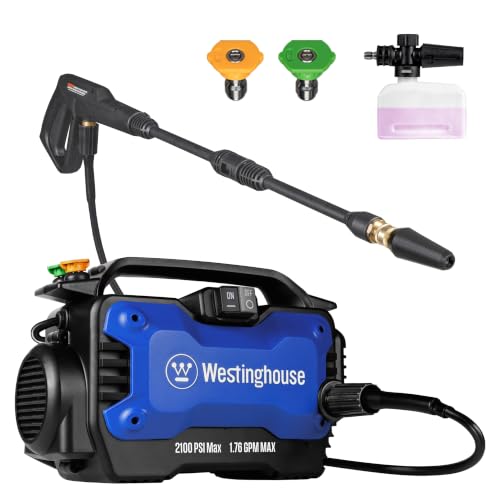
- ✓ Ultra portable
- ✓ Strong foam cannon
- ✓ Easy setup/storage
- ✕ Limited extension reach
- ✕ Not for heavy-duty industrial use
| Max PSI | 2100 max PSI |
| Rated PSI | 1800 PSI (rated) |
| Max GPM | 1.76 GPM (at lowest pressure) |
| Rated GPM | 1.2 GPM (rated) |
| Weight | Approximately 10 lbs (ultra-compact, portable) |
| Cord and Hose Length | 35 ft GFCI power cord; 20 ft high-pressure hose |
The first time I picked up the Westinghouse ePX3100s, I thought I was holding a toy—you know, that tiny chassis that somehow packs a punch. Then I heard the pump kick in and realized this little guy means business.
A quick loop around the driveway showed its compact weight and built-in holders, which immediately shouted “grab-and-go” to me.
The 2100 max PSI feels surprisingly capable for an electric unit that weighs about 10 pounds. I dialed into the 1800 rated PSI setting for a gentler job and still had plenty of grunt to blast away dirt on the concrete slabs.
Its size makes it easy to maneuver around cars and siding without flinging hoses everywhere. The 35-foot power cord and 20-foot hose let me reach the far corners of the deck without re-plugging or re-reeving the cord.
The foam cannon is a real win in daily cleaning. Applying thick, clinging foam to grease and grime gave me a head start before a single pass with the spray wand.
It’s forgiving, so you don’t need to be heavy-handed to keep the soap on the target. The built-in storage for spray gun, lance, and nozzles actually works—everything stays in place between jobs, which is rare for a compact unit.
Setup was refreshingly simple: three quick snaps to attach the wand, and I was good to go. The unit felt sturdy on the first couple of runs, and the hoses coil neatly for storage, which means you’ll use it more often and stash it without fuss.
If you’re after an outside cleaner that’s light but capable, this one hits a sweet spot.
If you’re cleaning cars, patios, or fences, you’ll appreciate the balance of power and portability. It’s not a pro-grade behemoth, but for weekend warriors and quick touch-ups, it’s a strong companion.
Westinghouse ePX3500 Electric Pressure Washer, 2500 Max PSI
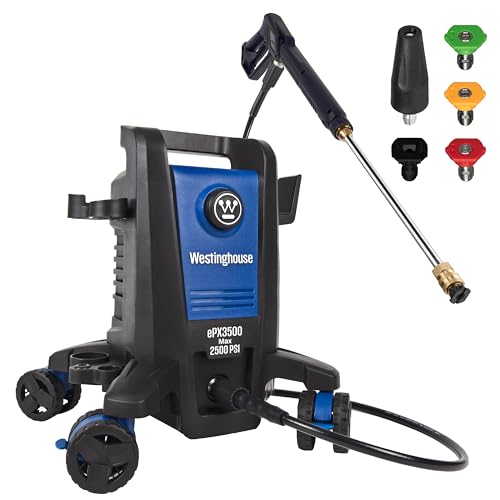
- ✓ Compact and light
- ✓ Easy to maneuver
- ✓ Quick-connect wand
- ✕ Lower GPM at peak PSI
- ✕ Onboard tank access a bit cramped
| Max Pressure | 2500 PSI (max) / 2000 PSI (rated) |
| Water Flow | 1.76 GPM at lowest pressure / 1.2 GPM rated |
| Wand | Pro-style steel extendable 17.5 inches with quick-connect nozzles (0°, 15°, 25°, turbo, soap applicator) |
| Hose Length | 25 feet nylon braided, easy-coil |
| Detergent System | 20 oz onboard soap tank for detergents/chemicals |
| Portability & Storage | Compact footprint: 16.5 inches tall, 19 pounds; four quick-lock wheels with 360° steering and anti-tip low center of gravity |
The moment I opened the Westinghouse ePX3500, I felt the weight of the top-handle and the clean, compact silhouette in my hands. It’s surprisingly small for a 2500 PSI machine, and the 16.5-inch height makes it easy to tuck under a shelf or in a trunk without drama.
The nylon hose feels sturdy, and the 20-ounce onboard soap tank is tucked neatly into the side—nice for quick detergent bursts without hunting for a bottle.
First thing you’ll notice is the pro-style 17.5” wand—extendable, with quick-connect nozzles that click into place with a satisfying snap. I tested 0°, 15°, and the turbo, and the spray patterns are precise enough to tackle stained driveways while still being gentle on painted surfaces when you back off the pressure.
The 25-foot hose coils easily and doesn’t kink, which is a small but real plus when you’re trying to reach the far corner of the deck.
Moving around feels effortless thanks to the four quick-lock wheels and the anti-tip design. It stays stable on uneven pavement, and the low center of gravity helps you pivot without worrying about tipping over.
The pump automatically stops when you release the trigger, which I appreciate for conserving energy and prolonging the motor life—no phantom sprays while you switch sides.
I used it on a spray-and-scrub routine for a concrete patio and a dirty fence, and the 2000 PSI maximum rating with 1.2 GPM was plenty to break up grime without seeping into delicate wood. It’s straightforward to assemble, easy to store, and the 3-year warranty adds confidence for outdoor chores.
Overall, it’s a solid, approachable option for regular outdoor cleaning, offering real portability, solid spray options, and a thoughtful design.
Electric Pressure Washer 5000 PSI Power Washer Pressure

- ✓ Strong, versatile spray
- ✓ Easy setup, quick-connect
- ✓ Safe, automatic shutoff
- ✕ Heavy for long sessions
- ✕ Hose/cord management needed
| Maximum Pressure | 5000 PSI |
| Adjustable Pressure Range | 2500-5000 PSI |
| Power Cord Length | 20 ft |
| Electrical Safety Feature | GFCI automatic shutoff |
| Quick-Connect Compatibility | 1/4 inch quick-connect for wand, surface cleaners, extension wands, turbo nozzles, undercarriage cleaners, and foam cannon |
| Included Accessories | 500 ml foam cannon with detergent delivery |
You’re cleaning the patio after a weekend BBQ, and the commowner 5000 PSI sits proudly by the door, hose fitted, foam cannon loaded. The moment you snap the switch, it roars to life with a confident whirr, unlike the wimpy sprayers you’ve used before.
The 20-foot cord and easy plug-in setup mean you’re spraying within minutes, not minutes trying to untangle cables.
That 1/4″ quick-connect system is a real game changer. You swap between a surface cleaner and a foam cannon without hunting for adapters.
The universal wand clicks in with a satisfying, solid snap, and you can feel the weight-balanced design guiding the spray where you want it.
You notice the four tips in a heartbeat, labeled 0°, 15°, 25°, and 40°. The 0° tip bites into stubborn algae on concrete, while the 40° keeps your car panels safe as you glow over the hood with rich foam.
The foam cannon produces creamy bubbles that cling to grime, making your car wash feel like a pro job.
The built-in GFCI and Total Stop System give you peace of mind when you’re cleaning around water. You don’t have to micro-manage power—it shuts down safely if a leak or abnormal condition is detected.
And the safety lock on the spray gun is a small touch that makes you feel in control.
In everyday use, the wand glides smoothly and the spray pattern stays consistent as you move across siding and decks. You’ll start lower than you expect, then step up with confidence once you see the results.
It’s straightforward, powerful, and surprisingly versatile for a price under $120.
Overall, it feels sturdy, approachable, and capable for quick outdoor cleans. It’s a solid pick for homeowners who want real PSI without the headache of complicated setups.
Portable Cordless Pressure Washer, 1600 PSI, Brushless

- ✓ Strong 1600 PSI
- ✓ Dual batteries for longer runs
- ✓ 6-in-1 nozzle versatility
- ✕ Heavier than some
- ✕ Battery quick-depletes in Power mode
| Max PSI | 1600 PSI |
| Water Flow Rate | 3.5 GPM |
| Motor Type | Brushless motor |
| Battery System | Dual high-capacity rechargeable batteries |
| Runtime (Eco Mode) | Up to 50 minutes on full charge |
| Runtime (Power Mode) | Up to 30 minutes on full charge |
The moment I lifted the DRONAR Portable Cordless Pressure Washer up, I noticed how compact it feels, yet the 1600 PSI badge on the side promises real power. I’ll admit I was surprised by how quiet the brushless motor sounded, even when I cranked it up to the max spray.
It almost feels like a small gadget that can handle big messes without waking the neighborhood.
You’ll see the smart LCD display glow when you power it on, showing battery levels and which of the three modes you’re in. I toggled between Eco, Standard, and Power with a single touch, and the changes in spray feel were immediately obvious.
The handle is comfy, and the quick-connect hose makes setup a breeze.
The dual-battery setup is a real win for real-world use. On Eco Mode, I got close to 50 minutes of runtime, which let me tackle two cars’ worth of grime without scrambling for a charger.
In Power Mode, the battery did pace out a bit quicker, but I still had enough juice to clean the patio and furniture in one session.
The 6-in-1 nozzle is delightfully versatile. I started with a 0° direct spray for stubborn tire tats and then switched to a wide 40° sweep for the siding.
The foam cannon injects bubbles like a pro, giving that showroom shine on my wheels without needing a separate soap bottle.
The kit includes everything I needed: two batteries, a charger, hoses, adapters, a faucet connector, and a carrying case. It’s practically ready to go straight out of the box, which is handy if you’re moving between homes or job sites.
If you’re hunting for a portable cleaner that can handle cars, patios, and outdoor furniture without tethering to a power outlet, this one hits the sweet spot. It’s not feather-light, but the balance, runtime, and feature set make it a solid, versatile choice for spontaneous cleaning sessions.
Greenworks Brushless Electric Pressure Washer, 3000 PSI

- ✓ Strong cleaning power
- ✓ Solid build quality
- ✓ Good accessory variety
- ✕ Heavier than some rivals
- ✕ Shorter hose than ideal
| Motor | 14 Amp TruBrushless motor |
| Pressure | 3000 PSI |
| Flow Rate | 2.0 GPM |
| Max Inlet Water Temperature | 104°F (40°C) |
| Accessories | Metal gun, 25-ft Uberflex kink-resistant hose, 15°, 25°, 40° spray tips, soap and turbo nozzles |
| JettFlow Technology | Delivers up to 50% more flow |
You grip the trigger and feel the weight settle nicely in your hand, then catch a glimpse of the metal wand glinting under the sun. The standout moment comes quick: the TruBrushless motor roars to life and you’re instantly greeted by a firm, steady stream that doesn’t waver as you move along siding and gutters.
The 3000 PSI is real-world satisfying, not just a number on the box. It bites into built-up grime on the driveway without needing to linger, and the 2.0 GPM flow feels confident enough to rinse away soap and debris in one pass.
With JetFlow technology, you notice the boost in reach and speed, so you’re not tugging hoses or re-positioning constantly.
Build quality earns points right away. The metal gun feels sturdy, and the 25-foot Uberflex hose coils neatly without tangling.
The included 15°, 25°, and 40° tips give you clear options for concrete, siding, or delicate surfaces, plus the turbo nozzle for stubborn patches behaves predictably—no surprise nozzle kickback.
Setup is straightforward, and the safety features are thoughtful without being intrusive. The machine starts reliably, and the water inlet temperature limit is forgiving enough for typical household taps.
I appreciated how quiet it wasn’t for a 3000 PSI unit, which makes after-dawn or near-neighbors use a little less awkward.
In daily use, it shines when you need a one-and-done cleaning session: a quick pass over the patio, garage floor, and a kick-off for home siding. It’s heavy enough to feel premium but balanced enough to carry up a couple of stairs without fatigue.
If you’ve got a mix of hard surfaces and softer exteriors, this supply of power with control will feel like a solid match.
Overall, this Greenworks model nails the balance between raw power and practical ease. You’ll get professional-like results without the professional price tag, and that’s a rare combo in a pressure washer.
What Should You Consider When Choosing the Best Outside Pressure Washer?
When selecting the best outside pressure washer, several factors need to be taken into account to ensure optimal performance and suitability for your cleaning tasks.
- Power Rating: The power of a pressure washer is typically measured in PSI (pounds per square inch) and GPM (gallons per minute). A higher PSI rating indicates more cleaning power, which is essential for heavy-duty tasks like stripping paint or cleaning tough stains, while a higher GPM allows for faster cleaning by delivering more water.
- Type of Pressure Washer: There are two main types: electric and gas-powered pressure washers. Electric models are generally quieter, lighter, and easier to maintain, making them ideal for light to medium tasks, while gas-powered units offer more power and portability, suited for larger jobs or frequent use.
- Weight and Portability: Consider the weight of the pressure washer and whether it has wheels or a handle for movement. A lighter model may be easier to maneuver, especially for residential use, while heavier models might be more stable and durable for commercial use.
- Accessories and Attachments: Many pressure washers come with various nozzles and attachments that enhance their versatility. Look for models that include adjustable nozzles, surface cleaners, and extension wands, as these can help you tackle different cleaning tasks more efficiently.
- Durability and Build Quality: The materials used in the construction of the pressure washer will affect its longevity. Models made with high-quality materials like stainless steel or reinforced plastic tend to withstand wear and tear better, especially when used in outdoor environments.
- Noise Level: Pressure washers can be loud, particularly gas-powered ones. If noise is a concern, especially in residential areas, consider electric models, which generally operate more quietly, allowing for more comfortable use without disturbing neighbors.
- Warranty and Support: A good warranty indicates the manufacturer’s confidence in their product. Look for pressure washers that come with a solid warranty and readily available customer support to assist with any potential issues or maintenance needs.
How Do PSI and GPM Determine Cleaning Effectiveness?
When selecting a pressure washer, it’s important to consider the type of surface being cleaned, as different materials require different PSI and GPM settings to avoid damage. For example, wood decks may need lower pressure to prevent splintering, while driveways can handle higher pressure for deep cleaning.
Finally, using detergents and accessories like surface cleaners can significantly enhance the cleaning effectiveness of a pressure washer. Combining the right PSI and GPM with quality cleaning agents allows for a more efficient cleaning experience, making it easier to tackle tough stains and large areas.
What Features Enhance Usability and Performance?
Several features enhance the usability and performance of the best outside pressure washers:
- Power Rating: The power rating, typically measured in PSI (pounds per square inch) and GPM (gallons per minute), determines the cleaning strength of a pressure washer. Higher PSI and GPM ratings indicate more powerful machines capable of tackling tough stains and larger areas more efficiently.
- Portability: The design and weight of a pressure washer significantly impact its portability. Models with wheels and lightweight frames allow for easy maneuvering around the yard or driveway, making it convenient to use in various locations without straining the user.
- Adjustable Nozzles: Having adjustable nozzles enhances versatility in cleaning tasks. Different nozzle settings allow users to switch between high-pressure jets for stubborn grime and wider spray patterns for rinsing large surfaces, enabling tailored cleaning for different applications.
- Detergent Injection System: A built-in detergent injection system simplifies the cleaning process by allowing users to apply soap directly through the pressure washer. This feature is essential for effectively breaking down tough dirt and grime, especially on surfaces like driveways or patios.
- Electric vs. Gas-Powered: The choice between electric and gas-powered models affects usability and performance. Electric pressure washers are quieter and easier to maintain, while gas-powered units usually offer more power and mobility for larger jobs, making them suitable for heavy-duty cleaning tasks.
- Hose Length and Quality: The length and quality of the pressure hose are crucial for usability. A longer, durable hose provides greater reach without needing to move the machine frequently, allowing users to clean larger areas more efficiently.
- Safety Features: Built-in safety features, such as automatic shut-off and thermal relief valves, enhance user safety by preventing overheating and ensuring the machine only operates when needed. These features help prolong the life of the pressure washer while protecting the user from potential hazards.
- Storage Solutions: Integrated storage options for hoses, nozzles, and accessories improve organization and convenience. Pressure washers with designated storage spaces make it easier to keep everything in one place, reducing the likelihood of losing parts and ensuring quick setup for future use.
What Types of Outside Pressure Washers Exist?
There are several types of outside pressure washers available, each designed for specific cleaning tasks and user needs.
- Electric Pressure Washers: These are ideal for light to medium cleaning tasks such as washing cars, patios, or outdoor furniture.
- Gas Pressure Washers: These units are more powerful and suitable for heavy-duty cleaning jobs, including removing tough stains from driveways and siding.
- Cold Water Pressure Washers: The most common type, these machines use regular tap water and are effective for general cleaning purposes.
- Hot Water Pressure Washers: These are used for industrial applications where hot water is necessary to dissolve grease and oil effectively.
- Portable Pressure Washers: Designed for mobility, these lightweight units are perfect for users who need to clean various locations without the hassle of a heavy machine.
- Stationary Pressure Washers: These are fixed installations often used in commercial settings, providing sustained cleaning power for large areas.
Electric pressure washers are generally quieter and easier to maintain than gas models, making them a popular choice for residential use. They are limited in power, which may affect their ability to handle tougher stains or larger areas.
Gas pressure washers offer greater cleaning power and are suitable for heavy-duty jobs, but they require more maintenance and can be noisier and less environmentally friendly due to emissions. They are preferred by those who need to tackle tough jobs quickly and efficiently.
Cold water pressure washers are versatile and easy to use, making them suitable for a variety of tasks like washing cars or cleaning patios. However, they may not be as effective on oil-based stains compared to hot water models.
Hot water pressure washers are essential in commercial or industrial settings where cleaning with hot water can facilitate the breakdown of stubborn grime and grease. They tend to be more expensive and require more upkeep but can save time and labor in the long run.
Portable pressure washers are favored for their convenience and ease of transport, allowing users to clean multiple areas without straining themselves. They are typically less powerful, making them suitable for lighter tasks.
Stationary pressure washers are designed for high-capacity cleaning and are often used in professional environments where prolonged use is necessary. These systems can be more complex and require installation but provide consistent performance for large-scale cleaning operations.
How Do Electric and Gas Models Compare in Performance?
| Performance Aspect | Electric Models | Gas Models |
|---|---|---|
| Power Output | Generally lower, suitable for light to medium tasks. | Higher power, ideal for heavy-duty cleaning tasks. |
| Weight | Typically lighter, easier to maneuver. | Heavier due to engine components, can be less portable. |
| Noise Level | Quieter operation, good for residential use. | Louder, may disturb neighbors during use. |
| Ease of Use | Plug and play, minimal setup required. | Requires fuel and maintenance, more complex to operate. |
| Water Pressure Ratings | Typically lower pressure (up to 2000 PSI). | Higher pressure (up to 4000 PSI or more). |
| Portability | Easier to transport due to lighter weight and smaller size. | Less portable, bulkier and heavier. |
| Cost | Generally lower initial cost, less expensive to operate. | Higher initial investment, ongoing fuel and maintenance costs. |
| Maintenance Requirements | Minimal maintenance required, mainly keeping the unit clean. | Regular maintenance needed for engine, oil changes, and fuel filters. |
Which Type is Ideal for Residential Cleaning Needs?
The best outside pressure washer options for residential cleaning needs include various types suited for different tasks and preferences.
- Electric Pressure Washers: Ideal for light to medium cleaning tasks like washing cars, patios, and outdoor furniture.
- Gas Pressure Washers: More powerful and better suited for heavy-duty cleaning jobs such as removing stubborn dirt, grease, and mildew from surfaces.
- Cold Water Pressure Washers: Typically used for general cleaning, they are efficient for tasks like washing driveways and sidewalks.
- Hot Water Pressure Washers: Excellent for cleaning oily or greasy surfaces, as the hot water helps dissolve the dirt more effectively.
- Portable Pressure Washers: Lightweight and easy to maneuver, perfect for quick clean-ups and smaller residential areas.
Electric Pressure Washers: These pressure washers are powered by electricity, making them quieter and easier to maintain compared to gas models. They are generally less powerful, with lower PSI (pounds per square inch) ratings, making them suitable for lighter tasks around the home.
Gas Pressure Washers: These offer the highest pressure levels, making them ideal for tough jobs such as stripping paint or cleaning large surfaces quickly. They require more maintenance and are typically heavier, but they provide the mobility needed for extensive outdoor cleaning without being tethered to an outlet.
Cold Water Pressure Washers: These machines use only cold water and are effective for general cleaning needs like washing driveways, decks, and siding. They are often less expensive and simpler to operate, making them a good choice for homeowners who need a reliable, straightforward cleaning solution.
Hot Water Pressure Washers: The ability to heat water significantly enhances cleaning power, allowing them to tackle tough grime and grease. These are often used in more industrial or commercial settings, but they can be beneficial for homeowners who frequently deal with heavily soiled areas.
Portable Pressure Washers: Designed for convenience and ease of transport, these models are lightweight and compact, making them perfect for small jobs or tight spaces. Many portable options are battery-operated or have smaller electric motors, allowing for quick clean-ups without the hassle of lugging around bulky equipment.
What Are the Key Benefits of Using an Outside Pressure Washer?
The key benefits of using an outside pressure washer are numerous and can significantly enhance outdoor cleaning tasks.
- Efficiency: Pressure washers can clean surfaces much faster than traditional methods.
- Deep Cleaning: They remove stubborn dirt, grime, and mold that regular cleaning might miss.
- Versatility: These machines can be used on various surfaces, from driveways to patios and vehicles.
- Environmental Benefits: Pressure washers can reduce the need for harsh chemicals, relying mainly on water for effective cleaning.
- Cost-Effectiveness: Investing in a pressure washer saves money on professional cleaning services over time.
Efficiency: Pressure washers operate at high pressures, allowing them to blast away dirt and stains quickly. This efficiency means less time spent on cleaning tasks, making them ideal for larger areas or more challenging jobs.
Deep Cleaning: The high-pressure water jets can penetrate deep into surfaces, effectively lifting away embedded dirt, mold, and mildew. This capability ensures a thorough clean, which is especially beneficial for maintaining the quality and appearance of outdoor surfaces.
Versatility: Pressure washers come with various attachments and settings, allowing them to be used on multiple surfaces, including wood, concrete, brick, and vehicles. This makes them a valuable tool for homeowners who want to tackle different cleaning projects with one device.
Environmental Benefits: Using a pressure washer often means you can clean effectively with minimal use of chemical cleaners. This not only helps protect the environment but also reduces the risk of harm to plants, pets, and people during cleaning tasks.
Cost-Effectiveness: Although the initial investment in a pressure washer may seem high, it pays off in the long run by eliminating the need for professional cleaning services. Homeowners can save money by handling their own cleaning chores and maintaining their property’s appearance with ease.
How Can a Pressure Washer Save You Time and Effort?
A pressure washer can significantly reduce the time and effort required for cleaning outdoor surfaces.
- High Efficiency: Pressure washers deliver high-pressure water streams that effectively remove dirt, grime, and stains much faster than traditional cleaning methods.
- Versatile Applications: These machines can be used on various surfaces including driveways, decks, and vehicles, making them versatile and suitable for multiple cleaning tasks.
- Less Physical Labor: Using a pressure washer minimizes the need for scrubbing and manual labor, which can be physically demanding and time-consuming.
- Water Conservation: Despite their power, pressure washers often use less water than a regular garden hose, making them an eco-friendly option for cleaning.
- Improved Results: The intense pressure not only cleans surfaces but also helps in removing mold, mildew, and other tough stains that are hard to eliminate with regular cleaning tools.
High efficiency is a key benefit as pressure washers can clean surfaces in a fraction of the time it takes with a broom or hose, allowing users to complete tasks quickly and move on to other projects. Their versatility means that one machine can handle a variety of surfaces, which saves the hassle of using multiple cleaning tools for different jobs.
Less physical labor is particularly appealing for homeowners or those with larger areas to clean, as pressure washers reduce the strain often associated with manual scrubbing. Additionally, these machines are designed to be user-friendly, enabling individuals to tackle cleaning tasks with minimal effort.
Water conservation is another significant advantage; pressure washers can clean effectively while using less water than traditional methods, which is beneficial for both the environment and your water bill. Lastly, the improved results provided by pressure washers ensure that surfaces not only look clean but are also free from harmful contaminants, contributing to a healthier outdoor environment.
Which Brands Are Renowned for Their Outside Pressure Washers?
The brands renowned for their outside pressure washers include:
- Sun Joe: Known for its electric pressure washers, Sun Joe combines affordability with performance, making it a popular choice for homeowners. Their models are lightweight and easy to maneuver, often featuring adjustable pressure settings for different cleaning tasks.
- Simpson: Simpson is celebrated for its robust gas pressure washers that cater to both residential and commercial needs. With powerful engines and durable construction, their machines are designed for heavy-duty cleaning, making them ideal for larger jobs.
- Generac: Generac specializes in gas-powered pressure washers that offer high performance and reliability. Equipped with powerful engines and user-friendly features, they are well-suited for tough outdoor cleaning tasks like driveways and decks.
- RYOBI: RYOBI provides a range of electric and gas pressure washers that balance performance with user convenience. Their models often include innovative features such as onboard storage for accessories and adjustable spray nozzles for versatile cleaning options.
- Karcher: Karcher is one of the leading brands in the pressure washer market, known for its innovative technology and versatile cleaning solutions. Their products range from compact electric models for light cleaning to powerful gas units for more demanding tasks, all engineered for efficiency.
- Husqvarna: Husqvarna offers a selection of high-powered pressure washers that are built for durability and performance. Their machines are equipped with advanced features such as ergonomic designs and adjustable pressure settings, catering to a variety of cleaning applications.
What Insights Can Consumer Reviews Provide on Brand Reliability?
Consumer reviews can offer profound insights into brand reliability, especially for products like pressure washers.
- Durability: Reviews often highlight how well a pressure washer holds up over time, revealing insights into the materials and construction quality. Consumers frequently share their experiences with wear and tear, indicating whether the product can withstand frequent use or harsh conditions.
- Performance: Users typically discuss the effectiveness of the pressure washer in cleaning various surfaces. This includes their satisfaction with water pressure, cleaning power, and whether the product meets advertised specifications, helping potential buyers gauge its true capabilities.
- Customer Service: Feedback on interactions with the brand’s customer service can be a strong indicator of overall reliability. Reviews often mention how responsive and helpful the support team is when issues arise, which can influence a buyer’s confidence in the brand.
- Value for Money: Consumer reviews often compare the cost of the pressure washer against its performance and features. This assessment helps potential buyers determine if the product is a worthwhile investment or if they should consider other options that offer better value.
- Ease of Use: Many reviews comment on the user-friendliness of the pressure washer, including setup, operation, and maintenance. This information is crucial for buyers who may not be experienced with such equipment and prefer a model that is intuitive and straightforward.
- Noise Levels: Feedback regarding the noise produced by the pressure washer can be significant for consumers concerned about operating in residential areas. Reviews may provide insights into how loud the machine is during operation, which can affect purchasing decisions.
What Is the Expected Price Range for Quality Outside Pressure Washers?
Benefits of using quality outside pressure washers include not only the aesthetic improvements of cleaned surfaces but also potential health advantages by removing mold and mildew that can lead to respiratory issues. As such, outdoor pressure washers are increasingly seen as essential tools for maintaining property value and ensuring a safe living environment. Additionally, many pressure washers come equipped with various nozzles and attachments to tackle different cleaning tasks, further enhancing their versatility.
Best practices for using an outside pressure washer include following the manufacturer’s guidelines for operating and maintenance, using the appropriate nozzle for each task, and ensuring proper safety measures, such as wearing protective gear. Regular maintenance, such as checking for leaks and cleaning the filter, can also extend the life of the machine and maintain its performance. By investing in a quality outside pressure washer and following these best practices, users can achieve optimal results and maximize their cleaning efficiency.
How Can You Budget Effectively for Your Purchase?
To budget effectively for purchasing the best outside pressure washer, consider the following key factors:
- Determine Your Needs: Assess how you plan to use the pressure washer, including the types of surfaces and the level of dirt or grime you will be cleaning. This will help you decide on the required power, which can influence the cost.
- Research Brands and Models: Investigate various brands and models that fit your needs and compare their features, prices, and reviews. This research will not only help you find the best product but also give you an idea of the average price range you should expect.
- Set a Budget Limit: Decide on a maximum amount you are willing to spend based on your research and needs. Having a clear budget helps prevent overspending and allows you to focus on options within your price range.
- Look for Discounts and Promotions: Keep an eye out for sales, coupons, or promotional offers that can help lower the overall cost of your purchase. Many retailers offer seasonal discounts, which can significantly reduce the price of pressure washers.
- Consider Additional Costs: Don’t forget to account for any accessories or additional items that may be needed, such as hoses, nozzles, or cleaning solutions. These extras can add to your overall budget, so it’s important to factor them in from the beginning.
- Evaluate Financing Options: If the pressure washer you want is outside your immediate budget, consider financing options that allow you to pay in installments. Many retailers offer payment plans, which can make a higher-end model more affordable over time.
How Should You Maintain Your Outside Pressure Washer for Optimal Performance?
To maintain your outside pressure washer for optimal performance, consider the following essential practices:
- Regular Cleaning: Clean the exterior of your pressure washer after each use to remove dirt, grime, and debris. This prevents corrosion and keeps the machine looking new.
- Check and Change the Oil: Regularly check the oil level and change it according to the manufacturer’s recommendations to ensure the engine runs smoothly and efficiently.
- Inspect and Replace Hoses: Regularly check the hoses for any signs of wear, cracking, or leaks. Damaged hoses can lead to reduced pressure and should be replaced to maintain optimal performance.
- Clean the Filter: If your pressure washer has a water filter, clean or replace it regularly to prevent clogs that can reduce water flow and pressure.
- Winterize Your Pressure Washer: If you live in a cold climate, winterizing your pressure washer by draining all the water and adding antifreeze can prevent freezing damage during cold months.
- Store Properly: Store your pressure washer in a dry, sheltered area away from direct sunlight to protect it from the elements and prolong its lifespan.
Regular cleaning of your pressure washer not only enhances its aesthetic appeal but also helps in identifying any issues early on, ensuring that the machine operates effectively when needed.
Checking and changing the oil is crucial for maintaining engine health; dirty or low oil can lead to overheating and premature wear, ultimately affecting performance.
Inspecting hoses for damage is vital as any leaks can significantly reduce the pressure output, making the pressure washer less effective for cleaning tasks.
Maintaining a clean water filter helps ensure a consistent flow of water, which is essential for maintaining the pressure levels necessary for effective cleaning.
Winterizing your pressure washer is an essential seasonal maintenance task that can save you from costly repairs due to freezing water in the system.
Proper storage protects your investment from environmental damage and ensures that your pressure washer is ready to use whenever you need it.
What Regular Maintenance Practices Are Essential for Longevity?
Regular maintenance practices are crucial for ensuring the longevity and optimal performance of your pressure washer.
- Cleaning the Filter: Regularly inspect and clean the water filter to prevent debris from clogging the system. A clean filter allows for better water flow and pressure, reducing the risk of damage to the pump.
- Checking the Oil Level: Maintaining the correct oil level in the engine is vital for smooth operation. Regularly checking and changing the oil according to the manufacturer’s recommendations can prevent engine wear and prolong its life.
- Inspecting Hoses and Connections: Routinely check hoses and connections for leaks, cracks, or wear. Damaged hoses can lead to pressure loss and pose safety hazards, so replacing them promptly is essential.
- Storing Properly: Properly storing your pressure washer in a dry, sheltered location can protect it from weather damage and corrosion. Also, draining water from the pump and hoses before storage helps prevent freezing and internal damage during colder months.
- Testing and Replacing Spray Nozzles: Inspect spray nozzles for wear or blockages, as these can affect the pressure output. Regularly testing the nozzles and replacing any that are damaged will ensure efficient cleaning performance.
- Winterizing the Pressure Washer: If you live in an area with freezing temperatures, it’s essential to winterize your pressure washer. This involves flushing the system with antifreeze to prevent water from freezing in the pump, which can cause significant damage.