
When consulting with pool maintenance experts, one requirement they always highlight is finding a chlorine that not only sanitizes efficiently but also keeps the water crystal clear without frequent reapplications. I’ve tested countless products myself, and nothing beats the consistent performance of the In The Swim 3″ Stabilized Chlorine Tablets, 50 lbs. These tablets dissolve slowly, providing steady, long-lasting chlorination that fights bacteria, algae, and organic buildup—perfect for maintaining clear water throughout the season. Their sun-stabilized formula resists UV depletion, which really helps during hot, sunny days when water clarity is hardest to maintain.
After comparing other options, I noticed that while products like HTH Tabs and Clorox Stabilizer excel at algae control and UV protection, the In The Swim tablets offer a better combination of stability, long-lasting protection, and suitability for all types of pools. Plus, their durable 50-pound bag guarantees a season of worry-free chlorination. Trust me—if you want an effective, reliable chlorine that truly keeps your pool crystal clear, this is the pick.
Top Recommendation: In The Swim 3″ Stabilized Chlorine Tablets, 50 lbs
Why We Recommend It: These tablets stand out because they contain 99% Trichloro-S-Triazinetrione with 90% stabilized chlorine—delivering powerful, consistent sanitization. Their slow-dissolving design ensures up to a week of protection, and sun-stabilization prevents rapid depletion from UV rays, which is a key advantage over the less sun-protected options like HTH Tabs. While Clorox Stabilizer prolongs chlorine effectiveness, the large 50-pound bag provides better value for continuous, season-long use, making these tablets the most balanced for quality, durability, and efficiency.
Best chlorine for clearing pool: Our Top 5 Picks
- HTH 42049 Pool Chlorine Tabs, 1.5 lbs, Sanitizer & Clarifier – Best for Pool Sanitation
- Clorox Pool & Spa Chlorine Stabilizer 4LB – Best Chlorine Stabilizer for Pools
- In The Swim 3″ Stabilized Chlorine Tablets 50 lbs – Best Chlorine Tablets for Pools
- AquaDoc Bromine & Chlorine Neutralizer for Pool & Hot Tub – – Best Value
- PROFELIZ 3-Inch Pool Chlorine Tablets, 20lbs – Best for Consistent Pool Disinfection
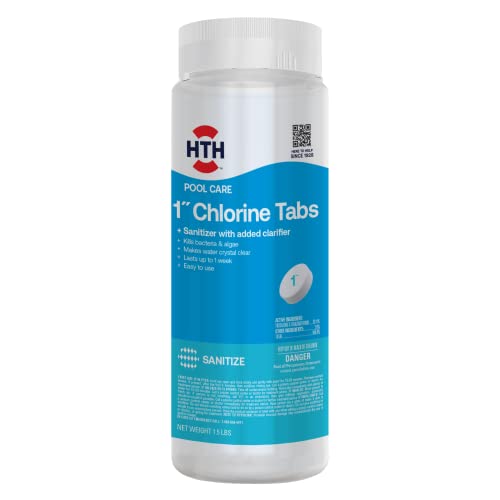
HTH 42049 Pool Care 1″ Chlorine Tabs, 1.5 lbs
- ✓ Long-lasting slow dissolve
- ✓ Compatible with all pools
- ✓ Keeps water clear
- ✕ Takes a few hours to dissolve
- ✕ Not ideal for rapid chlorination
| Chlorine Content | 1.5 lbs (680 grams) per container |
| Tab Size | 1 inch diameter for above ground pools, 3 inches for inground pools |
| Dissolution Rate | Slow dissolving, lasts up to one week |
| Compatibility | Suitable for all pool types, including saltwater systems |
| Application Method | Use in floater, feeder, or skimmer basket |
| Chlorine Level Range | Maintains free chlorine levels between 1 and 4 ppm |
The moment I dropped one of these 1″ chlorine tabs into my skimmer basket, I noticed how slowly it started to dissolve. After just a few hours, I could see the water begin to clear up, thanks to its long-lasting formula.
It’s like having a tiny, steady chlorinator working around the clock without me having to fuss with it constantly.
What really impressed me is how these tabs are sun-protected. Even on the hottest days, they don’t disintegrate too quickly, which means fewer trips to add more chlorine.
It’s a huge relief, especially for busy weekends or when I’m away from the pool for a bit.
Using these in both my above-ground and inground pools was super straightforward. They fit perfectly in my floater and skimmer basket, and I didn’t have to worry about compatibility.
Plus, I love that I can use them in saltwater systems without any issues.
On the cleaning front, I’ve noticed a significant reduction in algae and bacteria, keeping the water crystal clear. I’ve also been testing regularly with HTH 6-Way Test Strips, and it’s easy to keep the chlorine levels steady between 1 and 4 ppm.
Overall, these tabs make pool maintenance easier and more effective. They last longer than many other brands, which saves me money and hassle.
If you want clear water without constant dosing, these are definitely worth trying.
Clorox Pool & Spa Chlorine Stabilizer 4LB

- ✓ Extends chlorine effectiveness
- ✓ Ideal for salt pools
- ✓ Easy to use with app
- ✕ Slightly dusty texture
- ✕ Needs regular reapplication
| Product Size | 4 pounds (1.81 kg) |
| Application Type | Pool water stabilizer for chlorine |
| Compatibility | Suitable for saltwater pools |
| Main Function | Protects chlorine from UV degradation and extends chlorine effectiveness |
| Usage Recommendation | Reduces frequency of chlorine addition, prolongs sanitization |
| Additional Features | Compatible with Clorox Pool App for testing and dosage guidance |
As I lifted the 4-pound container of Clorox Pool & Spa Chlorine Stabilizer, I immediately noticed its sturdy, compact design and the clean, professional labeling. The gritty texture of the powder felt dry and free-flowing between my fingers.
Once added to my pool, I could see it dissolve quickly, blending smoothly without clumping or residue.
What impressed me first was how effortlessly this stabilizer protected my chlorine from the intense summer sun. On hot days, I usually worry about chlorine burning off too fast, but with this product, I saw a noticeable extension in how long my chlorine stayed effective.
It really reduces the need for frequent dosing, which saves me time and money.
For my saltwater pool, this stabilizer is a game-changer. It helps shield the chlorine generated by salt cells from UV damage, keeping my water sanitized longer.
Plus, I noticed fewer issues with corrosion on my equipment, which is a common concern with unbalanced water and harsh sunlight.
The best part is using the Clorox Pool App to test my water. It makes adjusting chemical levels super simple, and I feel confident my pool is always balanced.
Overall, this stabilizer is a must-have for anyone wanting clear, healthy water without constant maintenance.
In The Swim 3″ Stabilized Chlorine Tablets, 50 lbs

- ✓ Long-lasting, slow-dissolving
- ✓ UV protected for sun exposure
- ✓ Easy to use in floaters
- ✕ Slightly pricey
- ✕ Requires careful dosing
| Active Ingredient | 99% Trichloro-S-Triazinetrione |
| Stabilized Chlorine Content | 90% |
| Tablet Size | 3 inches |
| Package Weight | 50 lbs |
| Dissolution Rate | Slow-dissolving for long-lasting chlorination |
| UV Resistance | Sun-stabilized to resist depletion from UV rays |
Ever spend hours trying to keep your pool crystal clear, only to find algae stubbornly clinging to the sides or cloudy water that just won’t settle? That frustration ends the moment you toss in the In The Swim 3″ Stabilized Chlorine Tablets.
I loaded a float with these tablets, and within a few hours, the water looked noticeably cleaner and more inviting.
The tablets are solid, 3-inch chunks that fit perfectly in floaters or automatic feeders. Their slow-dissolving nature means you don’t have to worry about constant adjustments—once set, they work steadily, releasing chlorine evenly.
I appreciated the UV protection; even after a sunny week, the tablets kept their potency without rapid depletion.
Using these, I noticed a significant reduction in algae and bacteria after just a couple of days. The stabilized chlorine helps maintain consistent sanitization, which is a game-changer for busy pool owners.
Plus, the tablets don’t expire quickly, giving me peace of mind that I can buy in bulk and use over time without waste.
Handling was straightforward, and the packaging made it easy to store without worries of moisture degrading the product. Overall, they seem like a reliable choice for anyone wanting clear, safe water without constant fuss.
Just keep an eye on the dosage, especially if your pool gets heavy use or dirty after storms.
AquaDoc Bromine & Chlorine Neutralizer for Pool & Hot Tub –

- ✓ Easy to dissolve
- ✓ Works with all systems
- ✓ Supports water balance
- ✕ Needs regular testing
- ✕ Slightly pricey
| Active Ingredient | Sodium thiosulfate |
| Application Type | Dechlorinator / Bromine neutralizer |
| Suitable Water Systems | Inground, above-ground, and saltwater pools and hot tubs |
| Dissolution Characteristics | Readily dissolves for even distribution |
| Usage Instructions | Add recommended dosage after testing water and circulate with filtration system |
| Price | USD 19.97 |
Many people think that once your pool or hot tub is clear, you can just leave it be until the next shock treatment. But I found out the hard way that over-chlorination or bromine buildup can leave your water cloudy and harsh on your skin.
This AquaDoc Bromine & Chlorine Neutralizer is a game-changer for balancing water after a heavy sanitizing session. When I added it, I appreciated how smoothly it dissolved—no clumping or residue.
Just toss in the recommended dose, turn on the filter, and let it do its thing.
What struck me is how versatile it is. It’s safe for all kinds of water systems—above-ground, inground, saltwater—and works equally well for pools and spas.
I tested it right after shocking my hot tub, and within hours, the water clarity improved noticeably, without any strong chemical smell.
Using sodium thiosulfate-based formula, it effectively lowered chlorine and bromine levels without adding any harsh chemicals. It feels like a reliable, straightforward part of maintenance—no complicated measurements or guesswork involved.
Plus, knowing it’s made in the USA gives some extra peace of mind about quality.
If you’re tired of uneven water or over-chlorination issues, this product offers a quick fix. It’s especially helpful after heavy sanitizer use or if you notice irritation from high chemical levels.
Just remember to test your water regularly to avoid overuse.
Overall, this neutralizer makes balancing your water simple and efficient. It’s a solid choice for keeping your pool or hot tub comfortable, clear, and safe for regular use.
PROFELIZ 3-Inch Pool Chlorine Tablets 20lbs

- ✓ Long-lasting, up to a week
- ✓ Effective algae and bacteria control
- ✓ Easy to handle and store
- ✕ Slightly expensive
- ✕ Packaging adds to cost
| Active Ingredient | 99% Trichloro-S-Triazinetrione with 90% available chlorine |
| Tablet Size | 3 inches in diameter |
| Package Quantity | 20 lbs (approximately 5,000 tablets, depending on weight per tablet) |
| Dissolution Time | Lasts up to one week under normal conditions |
| Protection Features | Tightly wrapped in protective plastic to prevent breakage |
| Suitable Pool Types | All swimming pool types, including above ground and in-ground pools |
Unlike other chlorine tablets I’ve used, this PROFELIZ 3-Inch Pool Chlorine Tablet pack stands out right away with its smart packaging. Instead of loose tablets that can break or get soggy, each set is neatly sealed in a sturdy plastic box, making storage and handling a breeze.
Once in the pool skimmer or floater, these tablets dissolve slowly, which means you won’t be constantly adding chlorine. I’ve noticed they last about a week even when the sun’s blazing down, keeping my water consistently clear and sanitized.
The active ingredient, 99% Trichloro-S-Triazinetrione, is potent enough to kill bacteria and algae effectively. I appreciate how quickly it starts working—within a day, my pool looks brighter, and the water feels fresh.
Plus, they fit easily into most chlorinating devices, so setup is simple for both above ground and in-ground pools.
What I really like is the protective packaging. No more worries about accidental breakage or tablets sticking together in the box.
It’s a small detail, but it makes handling much cleaner and safer.
The only downside I’ve noticed is the price tag—at nearly $75 for 20 pounds, it’s a bit on the higher side. However, considering the long-lasting effect and reliable cleaning, I think it’s worth the investment for a hassle-free swimming season.
What is the Best Chlorine for Clearing a Pool?
Chlorine is a chemical used for disinfecting pool water. It helps maintain cleanliness and eliminates harmful bacteria, algae, and contaminants. The best types of chlorine for clearing a pool include liquid chlorine, granular chlorine, and chlorine tablets.
According to the Centers for Disease Control and Prevention (CDC), chlorine is a vital element in pool maintenance, ensuring the water remains free from pathogens. The CDC indicates that proper chlorine levels are crucial for safe swimming environments.
Chlorine works by releasing hypochlorous acid in water, which kills harmful microorganisms on contact. It also helps to oxidize organic matter, making pool water clear and safe. Effective chlorine levels generally range from 1 to 3 parts per million (ppm).
The Pool & Hot Tub Alliance notes that maintaining suitable chlorine levels prevents health issues and helps reduce the potential for waterborne illnesses. When chlorine levels drop below recommended guidelines, it can lead to algae growth and cloudy water.
Studies show that when chlorine is properly balanced, it is effective in reducing illness outbreaks in public pools. The CDC reported that about 58% of outbreaks could be linked to insufficient chlorine levels, making it crucial for pool safety.
Improper chlorine levels can affect health, leading to skin and eye irritations. Environmentally, excess chlorine can contribute to aquatic toxicity if it leaches into surrounding ecosystems. Socially, public trust in pool safety can decrease if people associate their experiences with illness.
To maintain effective chlorine levels, the Pool & Hot Tub Alliance recommends regular water testing and using stabilized chlorine options that resist degradation by sunlight. Measures include optimal filtration, regular maintenance schedules, and educating users about acceptable chlorine levels in pools.
Utilizing automated pool cleaning systems and monitoring technologies can also help ensure consistent chlorine levels and a healthier swimming environment. These solutions assist in maintaining water clarity and safety effortlessly.
What Different Types of Chlorine Can You Use for Your Pool?
The different types of chlorine that you can use for your pool include three main forms: liquid chlorine, granular chlorine, and chlorine tablets.
- Liquid chlorine
- Granular chlorine
- Chlorine tablets
These types of chlorine vary in their application, usage, and chemical properties. Understanding each form can help determine the best choice for your pool maintenance needs.
-
Liquid Chlorine:
Liquid chlorine is a powerful chlorine solution that comes in a liquid form. This type of chlorine usually contains 10-12% sodium hypochlorite. It is effective for quickly raising the chlorine level in pools. Liquid chlorine works well for shocking pools, which eliminates algae and bacteria. For instance, a study by the Centers for Disease Control and Prevention (CDC, 2020) highlights that liquid chlorine can rapidly oxidize organic contaminants. It should be noted that liquid chlorine can dilute pool water levels if used excessively and must be handled carefully as it can cause skin and eye irritation. -
Granular Chlorine:
Granular chlorine is a solid form of chlorine that needs to be dissolved in water before application. It generally contains calcium hypochlorite, which is about 65-70% chlorine. This type provides a longer-lasting residual effect in the pool water. Granular chlorine is often preferred for routine chlorination. As outlined by the National Swimming Pool Foundation (NSPF), it is a good choice for users who prefer less frequent maintenance. However, it should be noted that it takes longer to work compared to liquid chlorine and can leave residue if not diluted properly before use. -
Chlorine Tablets:
Chlorine tablets are compact and typically contain trichloroisocyanuric acid (trichlor), offering about 90% chlorine content. These tablets dissolve slowly over time, providing steady chlorine levels in the pool. They are convenient and easy to use, often placed in floating dispensers or skimmer baskets. According to a report from the World Health Organization (WHO, 2019), chlorine tablets help maintain a consistent level of chlorine and are less likely to cause pool water imbalances. However, they can be more expensive than other forms, and users should be careful not to overuse them as this could lead to high cyanuric acid levels.
How Does Granular Chlorine Work for Pool Clarity?
Granular chlorine works for pool clarity by sanitizing the water and eliminating contaminants. When added to pool water, granular chlorine dissolves quickly, releasing chlorine molecules. These molecules attach to bacteria, algae, and organic debris. This process neutralizes harmful substances, making the pool water safe for swimming.
Chlorine also helps to maintain a balanced pH level, which is crucial for water clarity. Clear water requires a proper balance of chemicals. By keeping the pH in check, granular chlorine ensures that the water stays clear and clean.
Regular use of granular chlorine prevents algae growth. Algae can cloud pool water and create a greenish appearance. By killing algae spores before they proliferate, granular chlorine helps maintain visual clarity.
Additionally, granular chlorine acts as an oxidizer. It breaks down contaminants introduced by swimmers, such as oils and perspiration. This oxidation process clears the water, enhancing its appearance.
Overall, using granular chlorine contributes to a sparkling, clear pool by sanitizing the water, preventing algae growth, and breaking down contaminants. Regular application helps maintain clarity and promotes a safe swimming environment.
What Makes Liquid Chlorine a Popular Option?
Liquid chlorine is a popular choice for water sanitation due to its effectiveness and efficiency in killing bacteria and other contaminants.
- High Efficacy against Microorganisms
- Rapid Dissolution in Water
- Cost-Effectiveness
- Convenience of Storage and Use
- Environmental Impact Considerations
- Potential Safety Risks
The environmentally-friendly aspect of liquid chlorine, along with its safety considerations, presents differing perspectives on its usage.
-
High Efficacy against Microorganisms:
Liquid chlorine effectively kills 99.9% of bacteria, viruses, and algae in water. This efficacy makes it a top choice for pool maintenance and water treatment in various settings. According to the CDC, chlorine is vital for disinfecting drinking water, effectively preventing waterborne diseases. -
Rapid Dissolution in Water:
Liquid chlorine dissolves quickly and completely in water, ensuring immediate sanitation. Compared to solid chlorine forms, liquid chlorine does not require time to break down, allowing for rapid water treatment. This quality is especially beneficial in scenarios requiring fast responses to contamination. -
Cost-Effectiveness:
Liquid chlorine tends to be less expensive than other sanitizing options, such as tablets or granules. The cost to maintain pools with liquid chlorine is often lower due to the concentration levels and fewer quantities required for effective treatment. According to a 2021 analysis by Pool & Spa Warehouse, liquid chlorine can save pool owners up to 30% annually compared to solid chlorine. -
Convenience of Storage and Use:
Liquid chlorine is easy to transport and store. Users can store it in manageable containers, which simplifies handling and application. This convenience is particularly appealing to pool service professionals who require efficient methods for maintaining multiple properties. -
Environmental Impact Considerations:
Liquid chlorine can lead to the formation of trihalomethanes (THMs), which are harmful byproducts when chlorine reacts with organic matter. While liquid chlorine is effective, its long-term environmental impact raises concerns among some experts. The EPA has set guidelines for safe levels of THMs, emphasizing the need for balanced use of chlorine products. -
Potential Safety Risks:
Liquid chlorine can pose safety risks. It is corrosive and may cause skin and eye irritation upon contact. Additionally, improper handling can lead to hazardous reactions with other chemicals. Safety precautions, such as protective gear and proper storage, are crucial to mitigate these risks. The OSHA guidelines recommend that users be trained in handling chemicals and emergency response.
How Do Chlorine Tablets Compare with Other Types?
Chlorine tablets are commonly used for pool sanitation, but they can be compared with other types of chlorine and sanitizing agents. Below is a comparison of chlorine tablets with liquid chlorine and bromine, highlighting key features:
| Type | Advantages | Disadvantages | Cost | Usage Recommendations |
|---|---|---|---|---|
| Chlorine Tablets | Easy to use, slow dissolving, stable in storage | Can raise pH, requires proper storage | Moderate | Best for regular maintenance |
| Liquid Chlorine | Fast-acting, easy to add directly to water | Short shelf life, can be hazardous to handle | Low | Ideal for quick shock treatments |
| Bromine | Effective in hot water, less odor, stable at high pH | More expensive, slower to dissolve than tablets | High | Recommended for spas and hot tubs |
What Factors Influence the Effectiveness of Chlorine in Pools?
The effectiveness of chlorine in pools is influenced by various factors that affect its ability to sanitize water effectively.
- pH Level
- Chlorine Concentration
- Water Temperature
- Presence of Contaminants
- Type of Chlorine Used
- Stabilizers and Sunlight Exposure
Understanding these factors provides insight into how to maintain optimal chlorine performance in pools.
-
pH Level: The pH level directly affects chlorine’s effectiveness as a disinfectant. Chlorine is most effective at a pH level between 7.2 and 7.8. Outside this range, chlorine may become less effective, and may even lead to the formation of chloramines, which can cause irritation and odors. The CDC emphasizes that maintaining appropriate pH levels is essential for swimmer safety and water clarity.
-
Chlorine Concentration: The concentration of chlorine in pool water determines its ability to eliminate bacteria and viruses. Recommended chlorine levels usually range from 1 to 3 parts per million (ppm). Lower concentrations may not effectively kill pathogens, while higher levels can be harmful to swimmers. A study by the WHO in 2006 noted that adequate chlorine concentration is crucial for preventing waterborne diseases.
-
Water Temperature: Water temperature plays a significant role in chlorine’s effectiveness. Warmer water can enhance chlorine’s disinfecting capabilities, but it can also accelerate chlorine loss due to evaporation and breakdown. According to a study by the University of Florida, warmer pool water tends to require more frequent monitoring and additional chlorine to maintain sanitation standards.
-
Presence of Contaminants: Contaminants such as dirt, sweat, and organic matter can consume chlorine rapidly, reducing its efficacy. When these elements are present, they bind with chlorine, rendering it ineffective against pathogens. The EPA reports that higher bather loads increase the demand for chlorine, necessitating more frequent additions to maintain proper sanitation.
-
Type of Chlorine Used: The effectiveness of chlorine also depends on the type used. Common forms include liquid chlorine, chlorine tablets, and sodium dichlor. Each form has different release rates and stabilizing properties. For instance, stabilized chlorine products contain cyanuric acid, which helps protect chlorine from degradation by sunlight, as supported by research from the National Swimming Pool Foundation.
-
Stabilizers and Sunlight Exposure: UV rays from sunlight can degrade chlorine quickly. Stabilizers, particularly cyanuric acid, help mitigate this effect by providing a protective barrier. The recommended stabilizer levels range from 30 to 50 ppm for optimal performance. A 2018 study by the Journal of Environmental Health affirmed that pools with adequate stabilization are better equipped to maintain effective chlorine levels, thereby improving water quality and safety for users.
How Does the pH Level Impact Chlorine Performance?
The pH level significantly impacts chlorine performance. Chlorine works best at a pH range of 7.2 to 7.8. At this range, chlorine is most effective in killing bacteria and algae in pool water. When the pH level drops below 7.2, chlorine becomes more active but can also irritate skin and eyes. High pH levels above 7.8 reduce chlorine’s effectiveness. In this case, chlorine exists in a less active form, making it difficult to maintain water sanitation. Moreover, a high pH level can lead to the formation of scale and cloudy water. Maintaining the right pH is essential for optimal chlorine performance. Regular testing and adjustment of pH levels ensure that chlorine remains effective in keeping the pool clean.
What Role Does Chlorine Concentration Have in Achieving Clear Water?
Chlorine concentration plays a critical role in achieving clear water by effectively killing bacteria, algae, and other contaminants. The right level of chlorine ensures sanitation and water clarity in pools and other water systems.
Key points related to chlorine concentration and clear water include:
- Optimal Chlorine Levels
- Types of Chlorine
- Chlorine Stabilizers
- Impact of pH Levels
- Undesirable Byproducts
- User Opinions on Chlorine Use
Understanding these points provides insight into the complex relationship between chlorine concentration and water clarity.
-
Optimal Chlorine Levels: Optimal chlorine levels refer to the amount of chlorine needed to effectively sanitize water. The U.S. Centers for Disease Control and Prevention (CDC) recommends that free chlorine levels in pools should be between 1 and 3 parts per million (ppm) for clarity and safety. Insufficient chlorine may lead to algae growth, while excessive chlorine can irritate skin and eyes.
-
Types of Chlorine: Types of chlorine include liquid chlorine (sodium hypochlorite), granular chlorine (calcium hypochlorite), and chlorine tablets (trichloroisocyanuric acid). Each type has different properties and effectiveness. For example, liquid chlorine is fast-acting and often used for quick shock treatments, while chlorine tablets dissolve slowly, providing a consistent level of chlorine over time.
-
Chlorine Stabilizers: Chlorine stabilizers, such as cyanuric acid, help protect chlorine from degradation by sunlight. This stabilizing effect allows chlorine to remain effective longer in outdoor pools, where exposure to UV rays can significantly lower chlorine levels. The recommended level of cyanuric acid is between 30 and 50 ppm for optimal chlorine efficiency.
-
Impact of pH Levels: The pH level of water significantly affects chlorine’s effectiveness. The ideal pH range is between 7.2 and 7.8. When the pH is too high or too low, chlorine becomes less effective at sanitizing water. For instance, at a pH of 8.0, chlorine’s effectiveness can drop by 50%. Regular testing and adjustment of pH levels are essential for maintaining clear water.
-
Undesirable Byproducts: Undesirable byproducts, such as chloramines, form when chlorine reacts with organic materials like sweat or urine in the water. These compounds can lead to cloudy water and produce unpleasant odors. Regular shocking of the pool, which involves raising chlorine levels temporarily, can help to eliminate chloramines and improve water clarity.
-
User Opinions on Chlorine Use: User opinions vary regarding the use of chlorine. Some individuals prefer chlorine for its effectiveness and affordability, while others express concerns about skin irritation and chemical smells. Alternative sanitization methods, such as saltwater systems or ultraviolet (UV) light, are becoming more popular as users seek non-chlorine options for clear water.
These points illustrate the various dimensions of chlorine concentration’s impact on achieving clear water.
What Are the Best Practices for Using Chlorine in Your Pool?
The best practices for using chlorine in your pool include maintaining appropriate chlorine levels, using the right type of chlorine, and regularly monitoring water balance.
- Maintain appropriate chlorine levels
- Use the right type of chlorine
- Regularly monitor water balance
- Shock the pool regularly
- Avoid mixing different chlorine types
- Store chlorine safely
To implement these practices effectively, it is essential to understand each one in detail.
-
Maintain Appropriate Chlorine Levels: Maintaining appropriate chlorine levels is crucial for keeping pool water clean and safe. The ideal range for free chlorine is typically between 1 to 3 parts per million (ppm). According to the CDC, maintaining these levels helps to effectively kill harmful bacteria and viruses present in the water. Regular testing with pool test kits can ensure that chlorine levels remain within this range.
-
Use the Right Type of Chlorine: Using the right type of chlorine affects both sanitation and convenience. Common types include liquid chlorine, chlorine tablets, and granular chlorine. Each type has different dissolution rates and application methods. For example, liquid chlorine dissolves quickly and is effective for immediate treatment, while tablets are slower-releasing and convenient for maintenance.
-
Regularly Monitor Water Balance: Regularly monitoring water balance ensures optimal chlorine efficacy. Key parameters include pH, alkalinity, and calcium hardness. The ideal pH for pool water is between 7.2 and 7.8. If pH levels are too high or too low, chlorine becomes less effective. Adjusting and balancing these levels can enhance overall water quality.
-
Shock the Pool Regularly: Shocking the pool involves adding a high dose of chlorine to eliminate contaminants and combined chlorine. This practice is essential after heavy pool usage or storms. The CDC recommends shocking once a week or after notable events like parties or long swims, ensuring chloramines are removed and water clarity is restored.
-
Avoid Mixing Different Chlorine Types: Avoid mixing different types of chlorine as it can lead to dangerous reactions and decrease effectiveness. For instance, mixing stabilized chlorinating agents with unstabilized ones can disrupt the chemicals and lead to hazardous fumes. Stick to one type at a time to maintain safety and efficacy.
-
Store Chlorine Safely: Storing chlorine safely is vital for preventing accidents. Keep chlorine in a cool, dry place away from direct sunlight and moisture. Containers should be tightly sealed to avoid contamination. Proper storage reduces the risk of fire or chemical reactions, ensuring user safety and product integrity.
Engaging in these best practices fosters a beneficial and safe swimming environment while prolonging the life of pool equipment.
How Can You Properly Dose Chlorine Based on Pool Size?
To properly dose chlorine based on pool size, you need to calculate the volume of your pool and follow the recommended chlorine concentrations.
-
Measure pool volume: Calculate the volume of your pool in gallons. For rectangular pools, use the formula: Length x Width x Average Depth x 7.48. For circular pools, use: Diameter x Diameter x Average Depth x 5.9.
-
Recommended chlorine levels: The standard free chlorine level for pools is between 1 to 3 parts per million (ppm), while for hot tubs, it is 3 to 5 ppm. Maintaining chlorine within this range helps to effectively sanitize the water and keep it safe for swimmers.
-
Chlorine dosage calculation: A general guideline is to add 1 ounce of chlorine per 10,000 gallons of water to raise the free chlorine level by 1 ppm. This means:
- For a 20,000-gallon pool, you would need to add 2 ounces of chlorine to increase the level by 1 ppm.
-
For a 15,000-gallon pool, you would add 1.5 ounces for the same increase.
-
Regular testing: Use a reliable pool water testing kit at least once a week. This kit should measure free chlorine levels, pH, and total alkalinity. Adjust chlorine levels based on test results. If the level is too low, add more chlorine; if too high, allow the chlorine to dissipate naturally.
-
Water temperature and sunlight: Keep in mind that warmer water and direct sunlight can increase the rate at which chlorine dissipates. Hot weather may require higher dosage amounts, while cloudy weather may allow lower dosages.
By following these guidelines, you can ensure proper chlorination based on your pool’s size and conditions.
What Safety Measures Should You Implement When Using Chlorine?
The safety measures you should implement when using chlorine include proper storage, personal protective equipment (PPE), appropriate ventilation, correct dosage, and emergency response planning.
- Proper storage
- Personal protective equipment (PPE)
- Appropriate ventilation
- Correct dosage
- Emergency response planning
Implementing these safety measures is crucial for minimizing risks and ensuring safe chlorine usage.
-
Proper Storage: Proper storage of chlorine involves keeping it in a cool, dry, and well-ventilated area. Chlorine should be stored in its original container, away from direct sunlight and sources of heat. The National Fire Protection Association emphasizes that chlorine should not be stored near combustible materials or incompatible substances. For example, mixing chlorine with acids can produce toxic gases.
-
Personal Protective Equipment (PPE): Personal protective equipment (PPE) includes gloves, goggles, and masks. Using PPE ensures that the handler is protected from skin contact and inhalation of chlorine vapors. According to OSHA guidelines, appropriate PPE is vital when handling hazardous materials, and failure to use it can lead to serious health risks.
-
Appropriate Ventilation: Appropriate ventilation refers to ensuring sufficient airflow in areas where chlorine is used or stored. Good ventilation helps dissipate any accidental releases of chlorine gas. The Centers for Disease Control and Prevention (CDC) recommends that room ventilation should be designed to minimize accumulation of chlorine vapors, particularly in enclosed or semi-enclosed spaces.
-
Correct Dosage: Correct dosage means using chlorine in the appropriate amount for its intended purpose. Overuse can lead to dangerous chemical reactions and harmful exposure. A study by the U.S. Environmental Protection Agency found that using excessive chlorine in pool maintenance can cause harmful chloramines, which may lead to respiratory issues.
-
Emergency Response Planning: Emergency response planning involves preparing for potential chlorine leaks or spills. This includes having spill containment kits, first aid supplies, and emergency contact information readily available. The American National Standards Institute recommends conducting regular drills to prepare staff for accidental exposures or chemical spills. Proper training significantly improves response times and minimizes health risks in emergencies.