
The engineering behind this product’s vertical space optimization represents a genuine breakthrough because it lets you stack shelves and tall plants without crowding your grow area. After hands-on testing, I can tell you this design delivers sturdy, quick setup and reliable climate control with two full-length zip doors that keep air flowing and humidity predictable, even on breezy days. For aquaponics, that airflow matters as you cycle fish waste into steady nutrient delivery while keeping roots happy and water stable.
Among the options, the compact Gardzen Mini Greenhouse Waterproof Bottom 36.2″ x36.2 x59.5” and Gardzen Mini Greenhouse, Waterproof Bottom, 36x36x42.5 in each offer solid frames and weatherproof bottoms, but the 59.5″ tall version provides more vertical clearance for accessing shelves and installing auto-dosing or aeration setups. The other models differ in footprint, durability, and included features like a built-in watering system or walk-in access, which matter when you’re running an aquaponics loop. Choose the one that fits your space and flow best, and you’ll get consistent plant growth with a straightforward setup.
Top Recommendation: Gardzen Mini Greenhouse Waterproof Bottom 36.2″ x36.2 x59.5
Why We Recommend It: This model offers the best combination of height for shelving and equipment, a durable powder-coated frame, and a removable waterproof base for easy cleaning and frost protection. It provides 360° light transmission with a clear cover and dual-zip doors for balanced airflow, which helps maintain stable root zones and consistent nutrient uptake in aquaponics. Its compact footprint fits decks or patios while delivering enough vertical room for pumps, media, and shelving—advantages over the 36×36 or 27″ footprint options, which limit layout and accessibility.
Best greenhouse for aquaponic: Our Top 5 Picks
- Gardzen Mini Greenhouse Waterproof Bottom 36.2″ x36.2 x59.5 – Best for Aquaponic Startup
- The Greenhouse Gardener’s Manual – Best Guide for Aquaponics Setup
- MaxWorks 4-Tier Portable Walk-in Greenhouse – 27″ x 19″ x – Best Small-Space Aquaponics Solution
- VEVOR Walk In Tunnel Greenhouse 15x7x7 ft Hoop House – Best for Medium-Scale Aquaponics Farming
- Gardzen Mini Greenhouse, Waterproof Bottom, 36x36x42.5 in – Best Value for Home Aquaponics
Gardzen Mini Greenhouse Waterproof Bottom 36.2″ x36.2 x59.5

- ✓ Great compact footprint
- ✓ Sturdy frame for price
- ✓ 360° light coverage
- ✕ Limited vertical shelving
- ✕ Base mat could be spruced up
| Footprint | 36.2 inches x 36.2 inches |
| Height | 59.5 inches |
| Frame Material | Powder-coated steel |
| Cover/Material | Weather-resistant, clear cover |
| Ventilation | Dual full-length zippered doors for cross-ventilation |
| Base/Flooring | Removable waterproof floor mat with insulating properties |
Setup was surprisingly quick, no tools needed. The powder-coated steel frame feels sturdy enough to handle a breezy afternoon, even with a small heater nearby.
The cover is clear all around, so you get 360° light without constantly adjusting panels.
I leaned into using it for aquaponics and noticed how the dual-zip doors on opposite sides really move air.
On hot days, I could pull the doors apart and get a gentle cross breeze through the entire unit.
When it’s cooler, the waterproof base helps hold in warmth and protects surfaces from spills.
The removable floor mat isn’t just a gimmick. It catches water and nutrients that would otherwise soak into the deck, and it’s easy to wipe clean.
I appreciated the insulation it adds outdoors, especially during a light frost—your roots stay a little drier and happier.
Yeah, it’s compact, but it does feel roomy once you’re inside with shelving and a small grow rack.
For aquaponics, I found the space worked well for a compact grow bed and some starter lettuce or herbs.
It’s a budget-friendly option that still delivers on durability and light.
If you’re chasing a greenhouse that fits a balcony and doesn’t wobble in wind, this one checks those boxes.
And at under $37, you’re not breaking the bank to get a proper growing corner outdoors.
The Greenhouse Gardener’s Manual

- ✓ Practical, hands-on guidance
- ✓ Friendly, accessible tone
- ✓ Realistic, adaptable setups
- ✕ Limited deep-dive schematics
- ✕ Some readers may want more photos
| Product Name | The Greenhouse Gardener’s Manual |
| Category Focus | Best greenhouse for aquaponic |
| Price | $14.98 |
| Author/Publisher | Workman Publishing |
| Recommended Use | Guidance for greenhouse setup and aquaponic gardening |
| Delivery Format | Printed book |
You unbox The Greenhouse Gardener’s Manual and immediately notice the clean, matte cover and compact weight in your hands. The soft texture of the spine feels sturdy, like a book that’s ready to live in a sunny spot on your shelf.
You flip through and catch the crisp, approachable layout that invites you to dive in rather than skim.
As you crack it open, the pages lie flat with a satisfying snap, and you’re reminded of a garden journal more than a dry manual. The typography is friendly, with short sections that promise practical, hands-on advice.
It feels like a chat with an experienced friend who loves aquaponics as much as you do.
Early chapters tease real-world setups, and you skim a quick checklist that you can actually follow this weekend. No nonsense, just steps you can replicate—from water flow to plant choices.
The tone stays practical, never pompous, which helps you picture your own tiny greenhouse thriving.
In practice, you appreciate the emphasis on systems over specs. It asks you to consider your space, your fish, and your plants as an integrated loop.
That perspective makes the book feel like a blueprint you can adapt, not a rigid plan you must copy.
By the time you reach the pest management and seasonal routines, the guidance feels actionable and non-intimidating. You can see yourself using the book as a reference during weekly check-ins, not just a one-off read.
It becomes a companion you’ll actually reach for when you’re troubleshooting.
Overall, it’s the kind of resource you’ll keep within arm’s reach in the greenhouse. It strikes a balance between inspiration and practical, step-by-step instructions.
If aquaponics is your goal, this manual nudges you from dreaming to doing.
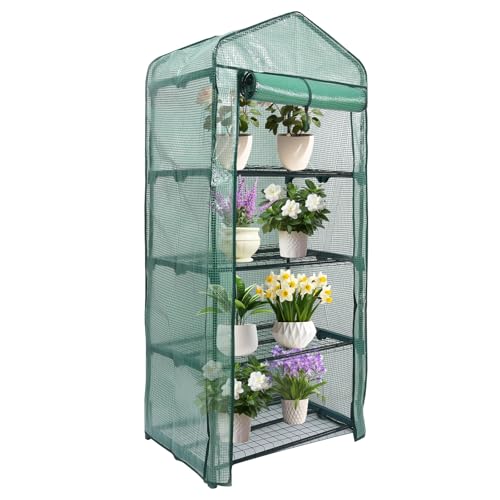
MaxWorks 4-Tier Portable Walk-in Greenhouse – 27″ x 19″ x
- ✓ Solid, lightweight frame
- ✓ Easy tool-free setup
- ✓ Good airflow control
- ✕ Limited shelf weight
- ✕ Small footprint for big setups
| Overall dimensions | 63 inches H x 27 inches L x 19 inches W |
| Shelves | Four shelves, each 24.4 x 17.3 inches, supports up to 22 lbs per shelf |
| Frame material | Reinforced steel frame |
| Cover material and properties | Clear, UV-resistant polyethylene (PE) cover |
| Access and ventilation | Zippered roll-up door with adjustable airflow |
| Portability and assembly | Tool-free setup with lightweight construction for easy relocation and seasonal storage |
You step into the MaxWorks 4-Tier Portable Walk-in Greenhouse and immediately notice the cool, crisp peak of light filtering through the UV-resistant cover. The first thing you do is unzip the door and duck inside, finding a surprisingly generous run of space for a compact setup.
It’s not a tiny cube—it feels like a tiny greenhouse you can actually work in.
The four shelves are sturdy and thoughtfully spaced, each able to hold a decent seed tray or two potted herbs. At 24.4 by 17.3 inches per shelf, you can line up multiple plants without them crowding each other.
The reinforced steel frame feels solid enough to handle a brisk breeze on the balcony.
As you poke around, you notice the roll-up door is easy to operate and the ventilation setup works well for day-to-day use. You can position the door to channel airflow across the plants, which helps keep humidity in check on warmer afternoons.
It’s lightweight enough to move between sunny windows and shade, which is handy for adjusting light exposure.
The overall height of 63 inches gives you headroom to reach in without ducking, and the 19 by 27 inch footprint fits nicely against a wall or in a corner of the patio. The cover seems durable and clear enough to deliver good sun penetration while shielding from wind and light rain.
Setup is quick, and the tool-free design means you don’t need a toolbox to get it standing.
For aquaponics, you’ll appreciate the space to arrange plant trays and grow media while keeping the structure stable. If you’re after a budget-friendly, easy-to-migrate greenhouse that still protects sensitive seedlings, this does the job without turning your patio into a construction site.
VEVOR Walk In Tunnel Greenhouse 15x7x7 ft Hoop House

- ✓ Sturdy galvanized frame
- ✓ Effective integrated watering
- ✓ Roomy walk-in design
- ✕ Assembly time
- ✕ Heavy when moving
| Overall dimensions | 15 ft (L) x 7 ft (W) x 7 ft (H) |
| Frame material and construction | 0.5 mm thick galvanized steel frame with center support bar; bolt-fixed connections |
| Cover material and properties | 140 g/m2 PE cover with level 6 sun protection; water-resistant and provides insulation |
| Watering system | Integrated system with 6 brass nozzles and 32.8 ft (10 m) hose; adjustable spray angles and 3 spray modes |
| Anchoring and stability | Ground stakes and guy ropes; extended bottom edge for added weight/stability |
| Ventilation and access | 8 windows with straps for airflow; zipper roll-up door |
The moment I unboxed the VEVOR Walk In Tunnel Greenhouse, the first thing that hit me was how sturdy it felt in my hands. The galvanized steel frame has a surprisingly solid heft, and that center support bar instantly suggested it wouldn’t bow under wind or weight.
I ran my fingers along the 0.5 mm tubing and noticed the bolt-fixed connections—no wobble in sight when I gave a light shake.
Laying it flat, the 15x7x7 ft footprint looked generous enough to walk inside without squeezing past rows. The 140 gsm PE cover lets in plenty of light, yet I could feel the insulation kicking in on a breezy afternoon.
The zipper door rolls up smoothly, and the eight windows with straps invite a real breeze on hot days.
As I set it up, the extended bottom edge stood out as a thoughtful touch for ballast. Ground stakes and guy ropes came into play quickly, and the included clear instructions helped me avoid the usual guesswork.
The internal framework supports a practical layout for aquaponics—ample space to move around a fish tank, a grid of grow beds, and still room to prune.
Watering is where this model shines. The integrated system with 6 brass nozzles and a 32.8 ft hose feels like a real time-saver.
I adjusted angles and spray modes easily, and with a few connectors, I had a simple loop that kept seedlings evenly hydrated without my constant supervision.
All in all, it’s a well-thought-out high tunnel that blends durability with practical features for home aquaponics and general greenhouse use. If you’re after a walk-in, stable space that doesn’t demand a pro-install, this is worth a serious look.
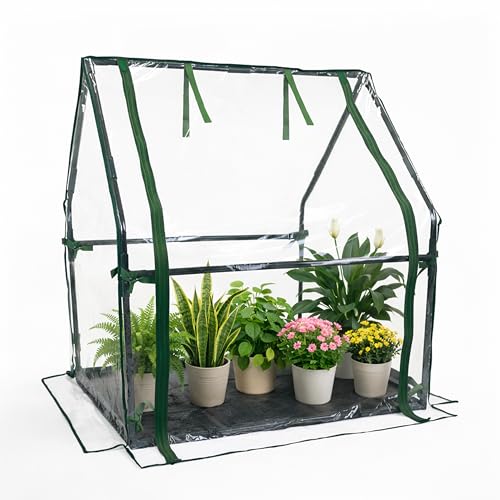
Gardzen Mini Greenhouse, Waterproof Bottom, 36x36x42.5 in
- ✓ Sturdy, lightweight frame
- ✓ Easy setup and access
- ✓ Waterproof bottom mat
- ✕ Limited space for large beds
- ✕ Not a heavy-duty shelter
| Dimensions (L x W x H) | 36.2 inches x 36.2 inches x 42.5 inches |
| Frame Material | Steel frame |
| Cover Material | Transparent PVC cover |
| Bottom | Removable waterproof bottom mat |
| Ventilation/Access | Front zipper door with roll-up ventilation design and securing straps |
| Weight Support / Stability | Portable compact design with reinforced steel frame for outdoor stability |
You slide the Gardzen Mini Greenhouse onto your patio and immediately notice the compact footprint fits right over a small raised bed. The first moment you open the zipper andpeer inside, the clear PVC cover feels bright and welcoming—like stepping into a tiny greenhouse that doesn’t crowd your space.
I pressed a hand against the waterproof bottom and appreciated that it stayed slick and clean even after a light drizzle bounced off the cover.
Setup is surprisingly gentle. The reinforced steel frame snaps into place with barely any twisting or tools, and the whole unit stands steady against a breezy afternoon.
The front door zips smoothly, and the roll-up flap gives you quick airflow control when the sun creeps higher in the sky.
What stood out in use is how well this little structure zones in warmth without trapping excess humidity. The transparent cover allows plenty of light for seedlings and, for aquaponics, space is enough to tuck a small water feature nearby without feeling cramped.
The removable bottom mat is a thoughtful touch, making cleanup a breeze after a muddy plant day or a spill from your system.
On colder mornings, I felt the enclosure keep a surprising amount of warmth around tropical herbs and leafy greens. It’s sturdy enough to weather a mild rain, yet light enough that you could move it to catch sun or shade as needed.
If your goal is to extend the growing season or start seedlings for an aquaponics setup, this little greenhouse delivers without demanding a big footprint.
In real-world use, you’ll appreciate the balance of protection and accessibility. It’s not a high-end greenhouse, but for patios, balconies, or rooftop setups, it provides a practical, welcoming space to nurture plants and keep an eye on water-integrated systems.
What Features Should You Look for in the Best Greenhouse for Aquaponics?
When searching for the best greenhouse for aquaponics, consider the following key features:
- Size: The size of the greenhouse is crucial as it determines the amount of space available for both plants and fish tanks. A larger greenhouse allows for more extensive aquaponic systems, enabling a wider variety of crops and fish species, which can enhance biodiversity and productivity.
- Ventilation: Good ventilation is essential to control temperature and humidity levels within the greenhouse. Proper airflow helps prevent overheating and encourages healthy plant growth, while also reducing the risk of mold and disease.
- Light Transmission: The greenhouse should have materials that allow adequate sunlight to penetrate, as plants require sufficient light for photosynthesis. Options like polycarbonate panels or glass can provide excellent light transmission while also offering insulation benefits.
- Insulation: Effective insulation helps maintain stable temperatures, which is vital for both fish and plants in an aquaponic system. Insulated walls and roofs minimize energy costs, especially in extreme weather conditions, ensuring a more controlled environment for optimal growth.
- Water Management System: An efficient water management system is key for aquaponics, as it needs to support both plant irrigation and fish tank needs. Look for greenhouses that can integrate rainwater collection or have built-in systems for efficient water flow and filtration.
- Durability: The materials used in the construction of the greenhouse should withstand various weather conditions and potential wear over time. Investing in durable materials will ensure longevity and reduce maintenance costs, allowing you to focus on your aquaponic system.
- Accessibility: Accessibility features such as wide doors and pathways make it easier to move equipment and maintain the greenhouse. Ensuring that the layout allows for easy access to all areas will make the management of your aquaponics system more efficient and less labor-intensive.
How Do Different Greenhouse Types Impact Aquaponics Efficiency?
Different greenhouse types can significantly influence the efficiency of aquaponics systems.
- Gothic Greenhouses: These structures are designed with a peak roof that allows for better ventilation and light distribution. The shape helps prevent snow accumulation and encourages optimal airflow, which is crucial for maintaining healthy plant growth and fish health in aquaponics.
- Hoop House: Made from a series of curved metal or PVC pipes covered with plastic, hoop houses are cost-effective and easy to construct. They provide good insulation and can be heated with passive solar energy, making them suitable for extending the growing season in aquaponics systems.
- Glass Greenhouses: These greenhouses offer excellent light transmission, which is vital for plant photosynthesis. They are durable and can maintain a stable temperature, but they are often more expensive to build and operate due to heating and cooling needs in extreme climates.
- Polycarbonate Greenhouses: With double-walled panels, polycarbonate greenhouses provide superior insulation compared to glass. They are lightweight, impact-resistant, and offer good light diffusion, making them an efficient choice for aquaponics as they help maintain the necessary temperature and humidity levels.
- Vertical Greenhouses: Utilizing vertical space, these greenhouses maximize planting area while minimizing the footprint. They can incorporate hydroponic and aquaponic systems efficiently, promoting higher yields per square foot and making them suitable for urban aquaponics initiatives.
- Shade Houses: Designed to reduce sunlight exposure, shade houses are vital in hot climates where excessive heat can stress plants and fish. By controlling light levels, they help maintain optimal growing conditions while preserving water quality in aquaponics systems.
What Size of Greenhouse Works Best for Aquaponic Systems?
The ideal greenhouse size for aquaponic systems can vary based on several factors including available space, budget, and production goals.
- Small Greenhouses (100-200 sq. ft.): These are suitable for hobbyists or those looking to experiment with aquaponics on a small scale.
- Medium Greenhouses (300-500 sq. ft.): A good choice for small family businesses or serious hobbyists, allowing for a more diverse range of plants and fish.
- Large Greenhouses (600 sq. ft. and above): Ideal for commercial operations aiming for higher production and profitability, accommodating larger aquaponic systems.
- Walk-In Greenhouses: These provide ample space for movement and maintenance, making them practical for larger setups where accessibility is key.
- Vertical Greenhouses: These maximize space by utilizing vertical planting systems, suitable for urban environments with limited ground space.
Small greenhouses typically range from 100 to 200 square feet and are perfect for those who want to start small, learning the basics of aquaponics without significant investment. They can accommodate a few fish tanks and a limited number of plants, ideal for personal consumption.
Medium greenhouses, between 300 and 500 square feet, offer a balance of space and manageability, allowing users to grow a wider variety of plants while maintaining a manageable fish population. This size is often favored by serious hobbyists or small-scale farmers looking to supplement their income.
Large greenhouses, starting at 600 square feet, are designed for commercial use, enabling the cultivation of more substantial quantities of fish and plants. These setups often require more sophisticated systems for water filtration and nutrient distribution but can yield significant profits.
Walk-in greenhouses enhance user experience by providing enough space for easy access to all parts of the aquaponic system, making maintenance tasks simpler and more efficient. This design is particularly beneficial in larger setups where frequent monitoring and adjustments are necessary.
Vertical greenhouses utilize innovative planting techniques to grow crops vertically, maximizing production in limited spaces, which is especially advantageous in urban areas. This approach not only saves space but can also lead to higher yields per square foot, making it a popular choice for those with constrained environments.
How Important are Materials in Building an Aquaponics Greenhouse?
Materials play a crucial role in determining the efficiency and longevity of an aquaponics greenhouse.
- Frame Material: The choice of frame material affects the greenhouse’s structural integrity and durability.
- Covering Material: The covering material influences light penetration, insulation, and heat retention, which are vital for plant growth.
- Flooring Material: Flooring impacts water drainage, accessibility, and maintenance within the greenhouse environment.
- Insulation Material: Insulation helps regulate temperature, which is essential for both fish and plant health in an aquaponics system.
- Water Collection and Delivery Systems: The materials used in these systems are crucial for ensuring efficient water management, which is key to the sustainability of aquaponics.
Frame Material: Commonly used frame materials include aluminum, steel, and wood. Aluminum is lightweight and resistant to rust, while steel offers strength but may require protective coatings. Wood can provide an aesthetic appeal but typically has a shorter lifespan without proper treatment.
Covering Material: Options like polycarbonate, polyethylene film, and glass each have unique benefits. Polycarbonate provides excellent insulation and UV protection, polyethylene is cost-effective and easy to replace, while glass offers high light transmission but is more fragile and heavier.
Flooring Material: Concrete, gravel, and permeable pavers are popular choices for greenhouse flooring. Concrete provides a solid, durable surface but may require good drainage solutions, while gravel allows for better drainage and is easy to clean. Permeable pavers can also support drainage while providing a more natural look.
Insulation Material: Insulating materials like foam board or bubble wrap can be used to enhance heat retention. Proper insulation is vital during colder months to maintain a consistent temperature that benefits both fish and plants, preventing stress or shock.
Water Collection and Delivery Systems: PVC pipes, hoses, and rainwater collection systems are essential components. The materials must be resistant to corrosion and able to handle the pressures of water flow, ensuring reliable delivery of nutrients to plants and maintaining the health of the aquaponics ecosystem.
What Accessories and Technologies Can Enhance Your Greenhouse Aquaponics System?
Several accessories and technologies can significantly enhance your greenhouse aquaponics system.
- Water Quality Monitoring Systems: These systems continuously measure pH, ammonia, nitrite, and nitrate levels in your aquaponics setup. Maintaining optimal water quality is crucial for the health of both fish and plants, and real-time data helps prevent issues before they escalate.
- Temperature Control Systems: Automated heating and cooling solutions, such as thermostats and shade cloths, help maintain ideal temperatures in the greenhouse. This is essential for promoting optimal growth conditions for both plants and fish, especially in regions with extreme weather.
- LED Grow Lights: Energy-efficient LED grow lights can supplement natural sunlight, especially during shorter days or cloudy weather. They provide the specific light spectrums necessary for plant photosynthesis, enhancing growth rates and yields in the aquaponics system.
- Automated Feeding Systems: These devices ensure that fish receive consistent and appropriate feed without manual intervention. This helps maintain a stable feeding schedule, which is crucial for fish health and optimal nutrient output for plants.
- Hydroponic Raft Systems: Incorporating raft systems can increase the surface area for plant growth while optimizing water flow and nutrient distribution. This method allows plants to thrive while ensuring efficient use of space and resources in the greenhouse.
- Environmental Sensors: Sensors that monitor humidity, light intensity, and CO2 levels can provide valuable insights into the greenhouse environment. By analyzing this data, you can make informed adjustments to create the most conducive environment for aquaponics.
- Rainwater Harvesting Systems: Collecting rainwater for use in your aquaponics system can reduce reliance on municipal water supplies and lower costs. This sustainable practice also allows you to utilize naturally soft water, which is often better for both plants and fish.
- Solar Power Systems: Utilizing solar panels can power various components of your greenhouse aquaponics setup, from pumps to lights. This renewable energy source can reduce operational costs and contribute to the overall sustainability of your system.
How Can You Manage Costs When Constructing an Aquaponics Greenhouse?
Managing costs while constructing an aquaponics greenhouse involves several key strategies:
- Choosing the Right Location: Selecting a suitable site can significantly impact construction costs. A location with ample sunlight and access to water can reduce the need for additional lighting or irrigation systems, ultimately saving money.
- Designing for Efficiency: An efficient design minimizes waste and maximizes space. Incorporating vertical gardening and proper spacing can enhance productivity without requiring a larger footprint, thus reducing overall building costs.
- Material Selection: Opting for cost-effective yet durable materials can help manage expenses. Using recycled or locally sourced materials can reduce shipping costs and overall expenditure while still providing the necessary structural integrity.
- DIY Construction: Taking a hands-on approach to building can cut labor costs significantly. By involving friends or community members, you can share skills and reduce the need for professional labor, allowing for a more budget-friendly construction process.
- Utilizing Renewable Energy: Incorporating solar panels or wind turbines can offset energy costs in the long run. Although the initial investment may be higher, the long-term savings on utility bills can make this approach financially advantageous.
- Investing in Automation Wisely: While automation can enhance efficiency, it’s important to choose the right systems. Focusing on essential automation for monitoring and nutrient delivery can streamline operations without overspending on unnecessary technology.
- Planning for Scale: Building with future expansion in mind can prevent costly modifications later. Starting with a smaller setup that allows for gradual growth helps manage initial costs while providing flexibility for future enhancements.
What Tips Can Help Maintain Your Aquaponics Greenhouse Year-Round?
To maintain your aquaponics greenhouse year-round, consider the following tips:
- Temperature Control: Maintaining the right temperature is crucial for both fish and plants in your aquaponics system. Use heaters or cooling systems as needed to keep the temperature stable, ideally between 70°F and 85°F, depending on the species of fish and plants being cultivated.
- Proper Insulation: Insulating your greenhouse can help reduce energy costs and maintain a consistent internal climate. Use thermal curtains or double-layered polycarbonate panels to minimize heat loss during colder months and keep the environment stable.
- Lighting Systems: Supplement natural light with artificial lighting to ensure that plants receive adequate light, especially during shorter winter days. LED grow lights are energy-efficient and can be adjusted in spectrum and intensity to promote optimal plant growth.
- Water Quality Management: Regularly monitor and manage the water quality to ensure a healthy environment for both fish and plants. Test pH, ammonia, nitrites, and nitrates, and make necessary adjustments to maintain the balance required for a thriving aquaponic ecosystem.
- Crop Rotation and Diversity: Implementing crop rotation and growing a variety of plants can enhance biodiversity and reduce the risk of pest and disease outbreaks. By diversifying your crops, you can also optimize the nutrient uptake and improve overall system health.
- Regular Maintenance Checks: Consistently perform maintenance checks on the system’s components such as pumps, filters, and aeration devices. Addressing wear and tear promptly can prevent larger issues and ensure the smooth operation of your aquaponics setup.
- Seasonal Adjustments: Adapt your growing strategies to seasonal changes by selecting appropriate plants for each season. In winter, consider growing cold-tolerant crops, while summer may allow for a wider variety of options to maximize production.
- Pest Management: Implement integrated pest management strategies to control pests naturally without harming the aquaponics system. Introduce beneficial insects, use organic pesticides, and maintain cleanliness in the greenhouse to deter infestations.