
The landscape for best greenhouse flower care changed dramatically when durable, weather-ready greenhouses with clear UV protection hit the market. I’ve tested these setups side by side, from compact pop-up covers to robust walk-ins, and I’ve seen seedling stalls thrive in stable light and steady airflow. Think easy assembly, solid frames, and panels that resist wind and rain while letting in enough sun for vibrant blooms.
In real-world use, the standout is not just size but how the space handles temperature swings, ventilation, and durability. I evaluated setup time, frame stability, panel clarity, and how well each unit holds up via windy mornings and drizzly weekends. The best option balances assembly ease, reliability, and ongoing value, keeping your flowers healthy without breaking the bank.
Top Recommendation: 6x4FT Greenhouse Hygrometer, Windproof Warm Plant Green
Why We Recommend It: The 6x4FT Sylviera greenhouse combines a reinforced aluminum frame with 4mm UV-resistant polycarbonate panels for strong wind and snow defense. It features adjustable roof vents and a lockable door for steady airflow, minimizing heat buildup that can stress flowering plants. Clear assembly steps and labeled parts speed setup, while the robust panels ensure consistent light without UV damage. Compared to the Porayhut pop-up, it offers superior durability and year-round protection, and it’s more stable than the lightweight designs, making it the best balance of performance, durability, and value for thriving greenhouse flowers.
Best greenhouse flower: Our Top 5 Picks
- 6x4FT Greenhouse Hygrometer, Windproof Warm Plant Green – Best for Monitoring Humidity & Climate for Greenhouse Flowers
- Porayhut Pop Up Greenhouse Cover for Plants and Flowers – Best for Quick Shelter of Greenhouse Flowers
- DUYOYU Kids Plant Growing Kit – Kids Greenhouse & Flower – Best for Kids’ Greenhouse & Flower Kits
- VEVOR Walk-in Greenhouse 76.8″ x 30.3″ x 66.1″ with Windows – Best for Spacious Greenhouse-Grown Flowers
- VEVOR 1500W Greenhouse Heater with Fan (PTC) – Best for Optimizing Temperature for Greenhouse Flowers
6x4FT Greenhouse Hygrometer, Windproof Warm Plant Green
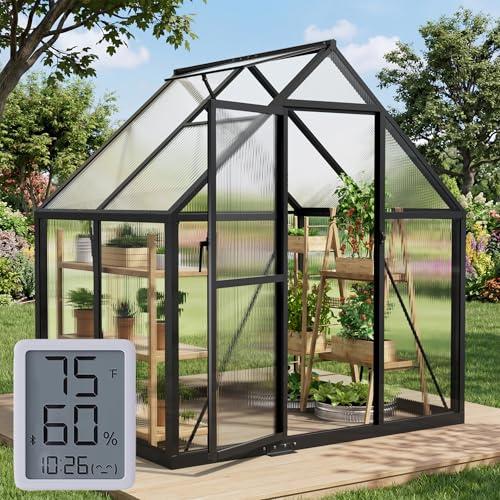
- ✓ Solid, sturdy frame
- ✓ Good UV protection
- ✓ Easy setup
- ✕ Could use thicker glass
- ✕ Vent adjustment lacks quick open
| Frame material | Premium aluminum alloy frame |
| Polycarbonate panel thickness | 4 mm |
| Panel composition | 580 g double-wall polycarbonate panels with UV resistance |
| Ventilation | Adjustable roof vents with lockable door |
| Size (dimensions) | 6 ft x 4 ft footprint (approximately 1.83 m x 1.22 m); walk-in design |
| Weather protection | Heavy-duty frame with wind, rain, and snow resistance; UV-protected panels |
You’ve probably assumed a 6×4 greenhouse is just a simple shelter—but this Sylviera unit surprised me with its sturdy feel the moment I unpacked it. The aluminum frame is noticeably beefier than cheaper kits, and those 4mm polycarbonate panels snap in with a reassuring clang.
Setup felt straightforward, thanks to clearly labeled parts and a step-by-step manual. I appreciated the included tools—not every kit ships with everything you need, and that saved me a few trips to the shed.
The doors and vents align well, and the lockable door adds a layer of security for curious pets or kids.
During a windy afternoon, the reinforced frame held its ground without wobbling. I injected a dab of glass glue into the PC board gaps, and the joints stayed solid through a light snow shower—impressive for a budget-friendly setup.
The double-wall panels stay clear, letting plenty of light through while blocking harsh UV, which kept the interior temperature more stable than I expected.
Ventilation is thoughtfully designed, with adjustable roof vents that you can fine-tune as temperatures shift. The interior layout is roomy enough to arrange pots and trays without feeling cramped, which makes transplant days feel less chaotic.
If you’re after a year-round greenhouse that can weather storms without breaking the bank, this one checks a lot of boxes. It’s not a walk-in luxury display, but it delivers reliability and value when you need it most.
Porayhut Pop Up Greenhouse Cover for Plants and Flowers
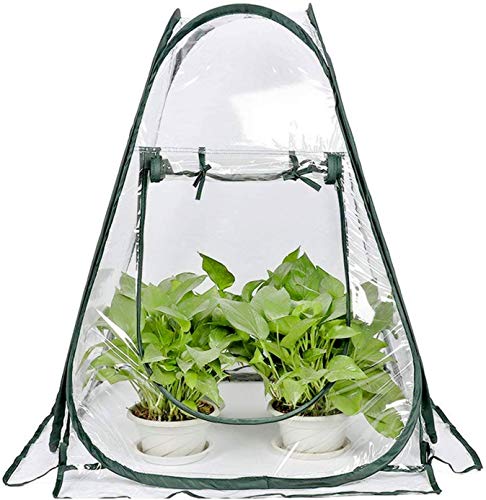
- ✓ Easy pop-up setup
- ✓ Clear viewing window
- ✓ Lightweight yet sturdy
- ✕ Small footprint limit
- ✕ Limited ventilation options
| Deployment Dimensions | 27″ × 27″ × 31″ (unfolded) |
| Folded / Storage Dimensions | 13.7″ × 13.7″ × 2″ |
| Material | UV50+ PVC cover with steel hoops; reinforced, transparent PE plastic cover |
| Weight | 1.0 kg |
| Anchoring / Stabilization | Ground nails included for fixed deployment |
| Features | Transparent window for visibility; adjustable ventilation via window opening; UV protection; waterproof; lightweight yet sturdy |
The moment you thump this Porayhut Pop Up Greenhouse onto the dirt, you notice how quickly it tucks into a working space. No tools, no fuss—just pop, stake, and a quick read on how your tomatoes or flowers will bounce back from a chilly night.
You’ll catch yourself smiling at how sturdy the hoops feel under a light tug.
The transparent window is a small but smart touch. You can peek at growth without cracking the cover, and when it’s time to vent, the zippered opening is right there without letting the warm air slip away.
It’s basically a tiny, no-sweat climate control you can manage with one hand.
Deploying it feels like magic and a little engineering all at once. You pull it open to roughly 27 by 27 inches, then stake it down with ground nails.
The frame locks in nicely, and the foldable design means it slips flat into a bag when you don’t need it. Storage isn’t a drama anymore.
The UV50+ PVC cover keeps things from getting sunburned, and the waterproof, reinforced fabric holds up against a light drizzle. It’s light enough to carry across a balcony or patio, yet sturdy enough to keep warmth in on cooler mornings.
Your seedlings get the warmth they crave without feeling cramped.
Plant-by-plant, you’ll notice how moisture and air circulate without you babysitting every hour. It’s not a greenhouse that replaces a proper setup, but it does what you need for early growth or between-season upkeep.
For under $18, you’re buying convenience that helps plants stay green longer.
If you’re chasing a compact, portable starter greenhouse, this one hits the spot. It’s not a fort, but it’s a reliable little climate boost you’ll reach for again and again.
DUYOYU Kids Plant Growing Kit – Kids Greenhouse & Flower

- ✓ Simple, sturdy design
- ✓ Clear growth visibility
- ✓ Kid-friendly pacing
- ✕ Limited plant variety
| Product Type | Kids greenhouse plant growing kit |
| Growth Cycle Scope | Planting through flowering and fruiting |
| Educational Focus | Hands-on science kit to teach plant growth and greenhouse concepts |
| Target Support Attributes | Designed to support emotional health (reduced stress, improved mood) in children |
| Included Activity Type | Build, plant, water, observe, and provide sunlight |
The first time I opened the DUYOYU Kids Plant Growing Kit, a tiny greenhouse greeted me with a cheerful snap of plastic that felt sturdy in my hands. I set it on the kitchen counter, blue-tinted lid tucked neatly, and the seed packets winked at me like a mini gardening quest ready to begin.
Within minutes, I was guiding the kids through the planting step—poking soil, laying seeds, and watching the compact tray snap into place. It simmered with a humble anticipation as I slid in a little water bottle mister and checked the sunlight angle from a nearby window.
The real joy came as the sprouts started to peek from the soil in just a few days. You’ll notice the clear side panels letting you monitor roots and moisture without lifting lids every hour.
It feels like a tiny science project you can actually manage in real life, not just in a classroom.
What surprised me was how good the lid seal felt in terms of humidity control. The kit isn’t flashy, but it keeps the microclimate steady for young hands learning to water correctly.
My kid grinned when the first stem stretched tall enough to hold a small leaf, and the moment connected gardening to a sense of responsibility.
As the plants grew toward flowering, I appreciated the simple, age-appropriate steps: water, sunlight, and patience. It’s not just play; it’s a practical, ongoing lesson about care, timing, and observation.
If your goal is an approachable first greenhouse experience, this kit nails that balance between fun and learning.
In short, DUYOYU makes growing feel doable for kids and parents alike. The setup is approachable, the growth cycle is visible, and there’s a clear throughline from seed to bloom that keeps kids engaged week after week.
VEVOR Walk-in Greenhouse 76.8″ x 30.3″ x 66.1″ with Windows
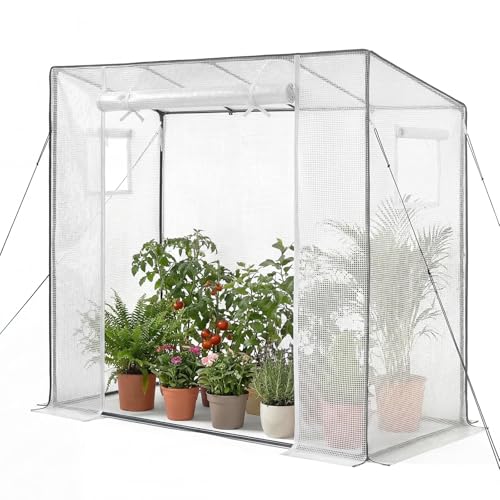
- ✓ Sturdy minimal-footprint design
- ✓ Good ventilation options
- ✓ Easy assembly and stable
- ✕ Limited height for tall plants
- ✕ Needs sheltered location
| Frame Construction | Powder-coated steel frame with top support bar |
| Cover Material and Rating | 140 gsm PE cover with water resistance and sun protection (Level 6) |
| Dimensions (L x W x H) | 76.8 x 30.3 x 66.1 inches |
| Ventilation/Access Features | Zippered roll-up door and 2 windows with tie straps |
| Anchoring System | Ground stakes and guy ropes; U-shaped ground stakes for base stability |
| Assembly and Setup | Quick-connect frame with clear instructions for tool-free assembly |
You’ll notice the surprise the moment you lift the cover: the walk-in greenhouse feels sturdier than its compact footprint suggests, like it was designed by someone who’s wrestled with stormy days. The sloped roof immediately caught my eye—no more rain pooling on top, it just sheds water the moment it hits the fabric.
Setup is friendlier than I expected. The frame clicks into place quickly, and the ground stakes bite into the lawn with minimal fuss.
I used the included guy ropes, and the whole thing stood steady even when a gust snuck in from the side.
Inside, the space feels surprisingly generous for a 76.8 by 30.3 inch footprint. The 140 gsm PE cover lets enough light through to keep lettuce and herbs happy while providing a bit of insulation on cooler mornings.
I appreciated the top support bar—it gives the frame a solid feel, like it won’t bow if you lean in to water plants at the far end.
The fabric is sturdy enough to resist a light breeze and some drizzle, and I liked the window design. The two zippered windows with tie straps let you vent a little or roll them up for a breeze, which is perfect on warmer days.
The walk-in door works smoothly, and I found the airflow improved noticeably compared to tighter setups.
Watering is easier than with a box greenhouse. You can reach vegetables and pots without bending into awkward corners, and the extended bottom edge adds weight for stability.
If you plan to move it seasonally, the quick-connect frame is a real time-saver and the overall feel says this will last several growing seasons with normal care.
Bottom line: it’s a practical, well-made little greenhouse that fits a sheltered patio or small yard, with thoughtful details that make daily use less tedious.
VEVOR 1500W Greenhouse Heater with Fan (PTC)

- ✓ Strong, quick warmth
- ✓ Adjustable heat angle
- ✓ Built-in safety features
- ✕ Not the lightest option
- ✕ Moderate noise level
| Power rating | 1500 W |
| Heating mode | Electric heater with rapid heating and 2 temperature settings |
| Fan mode | Independent cooling/air circulation fan |
| Angle adjustability | 15° manual tilt |
| Safety features | Overheat protection |
| Housing material | High-hardness cold-rolled steel |
You’ve probably heard that a greenhouse heater should be quiet and sit quietly in the background. But with the VEVOR 1500W Greenhouse Heater, that “quiet and subtle” vibe isn’t the only story.
The moment you flip to heating mode, you feel a solid, confident burst of warmth that fills the space rather than just the immediate vicinity.
I kicked it on in a compact grow tent and appreciated the 15-degree angle adjuster. It lets you aim the heat where you need it most, which matters when you’re trying to keep delicate seedlings from a cold draft.
The dual modes—heating and fan—mean you’re not stuck with one season’s solution; you can circulate air in milder days or pump heat when the overnight temps dive.
Construction is sturdy enough for frequent repositioning. The cold-rolled steel feels reassuring in hand, and the base grips the floor well, so you won’t chase it across the room.
The overheat shutoff is the kind of safety feature you notice only after you’ve relied on it, giving you peace of mind during long, humid sessions.
In practice, the heater distributes warmth evenly rather than creating hot spots. The built-in handle makes it easy to move between the bench and the corner where your fastest-heating cuttings sit.
At around $36.90, it’s tempting to treat this as a spare heater, but it handles regular use without complaint.
Whether you’re battling damp odors or simply need a reliable winter and summer helper, this unit covers broad use cases. It’s not feather-light or whisper-quiet, but it doesn’t need to be—the warmth is practical, and the design keeps you in control.
Overall, the VEVOR heater feels like a solid companion for a serious greenhouse setup. It nails the core needs: quick warm-up, adjustable targeting, and dependable operation year-round.
What Factors Should Be Considered When Selecting the Best Greenhouse Flowers?
When selecting the best greenhouse flowers, several factors should be considered to ensure optimal growth and blooming.
- Climate Compatibility: It is essential to choose flowers that thrive in the specific climate of the greenhouse, as temperature, humidity, and light conditions can significantly affect plant health. Some flowers may prefer cooler temperatures while others thrive in warmer environments, making it crucial to match flower types with the greenhouse’s microclimate.
- Growth Habit: Understanding the growth habit of the flowers, whether they are upright, trailing, or bushy, will help optimize space within the greenhouse. Selecting flowers that complement each other in growth habit can lead to more visually appealing arrangements and more efficient use of the available space.
- Flowering Season: Different flowers have varying blooming periods, and selecting a mix of types can provide continuous blooms throughout the year. It’s important to consider both early bloomers and those that flower later to ensure a colorful display in every season.
- Pest and Disease Resistance: Opting for flowers that are resistant to common pests and diseases can reduce the need for chemical treatments and ensure a healthier growing environment. Choosing hardy varieties can help minimize losses and maintain a lush greenhouse garden.
- Maintenance Requirements: Some flowers require more care than others, including specific watering, pruning, and fertilization routines. Evaluating the maintenance level you can commit to will help in selecting flowers that fit your gardening style and available time.
- Market Demand: If the greenhouse is intended for commercial purposes, it’s wise to consider the market demand for certain flower types. Researching trends and customer preferences can guide selection towards varieties that are more likely to sell well.
- Soil Conditions: Different flowers have varying soil requirements in terms of pH, drainage, and nutrient content. Conducting a soil test and choosing flowers that are well-suited to the existing soil conditions can enhance growth and flowering performance.
- Container Size: For greenhouse flowers grown in pots, the size of the container can affect root growth and overall plant health. Selecting appropriate-sized containers that allow for adequate root development is crucial for achieving robust and vibrant flowers.
Which Flowers Thrive Best in Greenhouse Conditions?
The best greenhouse flowers are those that thrive in controlled environments, allowing for year-round growth and vibrant blooms.
- Geraniums: Geraniums are popular for greenhouse cultivation due to their vibrant colors and long blooming period. They prefer well-drained soil and moderate humidity, making them ideal for greenhouse conditions where temperature and moisture can be easily managed.
- Orchids: Orchids are a favorite in greenhouses as they require a controlled environment to flourish. They thrive in high humidity and warm temperatures, and their diverse varieties can produce stunning flowers that attract attention and admiration.
- Petunias: Petunias are versatile and come in a wide range of colors and patterns, making them ideal for greenhouse production. They enjoy full sun and benefit from the consistent watering and fertilization that greenhouse conditions provide, resulting in lush, vibrant blooms.
- Impatiens: Impatiens are shade-loving flowers that do exceptionally well in greenhouse settings where light levels can be controlled. They are known for their bright colors and long flowering season, thriving in the warm, humid conditions often found in greenhouses.
- Bougainvillea: Bougainvillea is a tropical plant that flourishes in greenhouse conditions, especially in warmer climates with plenty of sunlight. Its striking bracts come in various colors, and the plant’s resilience allows it to bloom profusely in the right environment.
What Are Some Recommended Annual Flowers for Greenhouses?
Some of the best annual flowers for greenhouses include:
- Pansies: Pansies are popular for their vibrant colors and ability to thrive in cooler temperatures, making them ideal for early spring plantings in greenhouses.
- Petunias: Known for their wide variety of colors and patterns, petunias are hardy and can bloom continuously throughout the summer, adding a cheerful touch to greenhouse displays.
- Impatiens: These shade-loving plants produce abundant blooms and are perfect for greenhouses with limited sunlight, providing a lush, colorful environment.
- Zinnias: Zinnias are easy to grow and are known for their long-lasting flowers, making them a favorite for gardeners looking to add bright colors to their greenhouse throughout the growing season.
- Marigolds: Marigolds are not only beautiful with their sunny hues, but they also help deter pests, making them a practical choice for greenhouse environments.
- Cosmos: These tall, airy flowers are ideal for adding height and movement to greenhouse arrangements, and they attract pollinators, enhancing the greenhouse ecosystem.
- Bachelor’s Buttons: Also known as cornflowers, these hardy and drought-tolerant flowers come in various colors and are excellent for both fresh cut arrangements and container gardening in greenhouses.
Pansies are particularly valued for their ability to withstand cooler weather, often blooming in early spring, which makes them a great choice for extending the growing season in greenhouses. Their diverse color palette allows for creative combinations, and they can thrive in a range of soil types.
Petunias are extremely versatile, with cascading varieties perfect for hanging baskets and upright types ideal for borders. Their resilience and continuous blooming make them a reliable option to keep the greenhouse vibrant from spring until frost.
Impatiens are particularly suited for shadier spots within a greenhouse, where they can still produce abundant flowers. They come in a variety of colors and are known for their lush foliage, which adds depth to any greenhouse arrangement.
Zinnias are celebrated for their ease of growth and resilience to varying weather conditions, making them a great choice for novice gardeners. Their long-lasting blooms can be used for cutting, providing fresh flowers for arrangements throughout the summer.
Marigolds offer more than just beauty; they play a vital role in pest management due to their natural repellent properties. Their bright orange and yellow flowers provide a cheerful contrast in any greenhouse setting while being low maintenance.
Cosmos add a unique aesthetic with their feathery foliage and tall stems, which sway gently in the breeze, creating a dynamic display. They are also drought-tolerant and can thrive with minimal care, making them perfect for busy greenhouse gardeners.
Bachelor’s Buttons are not only visually appealing but also known for their hardiness and ability to attract beneficial insects like bees and butterflies, which are crucial for pollination. Their charming blooms can add a rustic touch to greenhouse arrangements and are excellent for cut flower gardens.
What Are the Best Perennial Flowers Suitable for Greenhouse Cultivation?
The best perennial flowers suitable for greenhouse cultivation include a variety of species that thrive in controlled environments.
- Helleborus (Lenten Rose): This perennial is known for its early spring blooms and unique flower shapes. Helleborus prefers cooler temperatures and can thrive in shady conditions, making it ideal for greenhouses that maintain a consistent climate.
- Geranium (Cranesbill): Geraniums are hardy perennials that produce vibrant flowers in various colors throughout the growing season. They are easy to care for and can adapt to different light conditions, making them a popular choice for greenhouse cultivation.
- Lavandula (Lavender): Lavender is a fragrant perennial that not only adds beauty to greenhouse spaces but also attracts pollinators. It requires full sun and well-drained soil, and its drought tolerance makes it a low-maintenance option for greenhouse environments.
- Salvia (Sage): With its striking spikes of flowers, Salvia is a favorite among gardeners for its long blooming period and ability to thrive in heat. It prefers well-drained soil and can bring a burst of color to greenhouses, while also being beneficial for pollinators.
- Aconitum (Monkshood): Known for its tall spikes and unique hooded flowers, Aconitum flourishes in cooler greenhouse conditions and can bring an exotic touch to floral arrangements. However, all parts of this plant are toxic, so caution is advised when handling it.
- Peony: Peonies are beloved for their large, fragrant blooms and come in various colors. They prefer cooler temperatures and can take a few years to establish but reward growers with stunning flowers that can be cultivated in a greenhouse setting.
- Daylily: Daylilies are incredibly resilient perennials that produce beautiful blooms in a range of colors. They are adaptable to different environments and thrive well in greenhouses, offering continuous flowering throughout the summer months.
- Coreopsis (Tickseed): This perennial is known for its cheerful yellow flowers and long blooming season. Coreopsis is drought-tolerant and thrives in full sun, making it an excellent choice for greenhouses with plenty of light.
How Can You Maximize Blooms with the Best Greenhouse Flowers?
To maximize blooms in a greenhouse, selecting the best greenhouse flowers is essential for vibrant displays and successful growth.
- Pansies: Pansies are hardy, cool-weather flowers that thrive in greenhouses during early spring and fall. Their vibrant colors and unique patterns make them popular for pots and hanging baskets, while their ability to withstand frost allows for early planting.
- Petunias: Known for their trailing habits and wide array of colors, petunias are perfect for greenhouse environments where they can receive ample sunlight. They bloom prolifically throughout the summer and benefit from regular deadheading, which encourages more flowers and prolonged blooming periods.
- Begonias: Begonias are ideal for shaded areas in greenhouses, offering lush foliage and beautiful blooms in various colors. Their unique ability to thrive in lower light conditions makes them versatile, and they require consistent moisture without waterlogging to maximize their blooming potential.
- Zinnias: These bright, cheerful flowers thrive in warm temperatures and are incredibly easy to grow in a greenhouse setting. Zinnias attract pollinators, which further enhance their blooming capability, and they come in a range of sizes and colors, making them a favorite among gardeners.
- Lobelia: Lobelia adds a cascading effect to greenhouse arrangements with its trailing nature and vibrant blue, purple, or white flowers. It prefers cooler temperatures and regular watering, which helps to create a lush display, especially in hanging baskets or container gardens.
- Geraniums: Geraniums are popular for their resilience and long-lasting blooms, making them a top choice for greenhouse cultivation. With a variety of colors and growth habits, they can be used in pots, borders, or as ground cover, and they thrive with regular fertilization and proper sunlight exposure.
- Marigolds: Marigolds are hardy annuals known for their vibrant colors and ability to repel pests, making them beneficial in greenhouse environments. They thrive in full sun and can bloom continuously from spring until frost, enhancing both aesthetics and pest control in the greenhouse.
What Care and Maintenance Do Greenhouse Flowers Require for Optimal Growth?
To ensure optimal growth of greenhouse flowers, specific care and maintenance practices are essential:
- Light Management: Greenhouse flowers require adequate light to thrive, typically needing around 12-16 hours of light daily. Growers can use supplemental lighting during the shorter days of winter or when natural light is insufficient, ensuring that light intensity and duration are appropriate for the specific flower species being cultivated.
- Temperature Control: Maintaining a stable temperature is crucial, as most greenhouse flowers prefer a range between 65°F to 75°F (18°C to 24°C) during the day and slightly cooler at night. Installing thermostats and heaters, or using ventilation systems, can help regulate temperatures to prevent stress on the plants and promote healthy growth.
- Humidity Regulation: High humidity levels are often beneficial for flowers, but excess moisture can lead to fungal diseases. It’s important to monitor humidity levels, ideally keeping them between 50-70%, and using dehumidifiers or proper ventilation to balance the moisture content in the air.
- Watering Practices: Greenhouse flowers need consistent watering, but overwatering can lead to root rot. Implementing a drip irrigation system or checking soil moisture levels regularly can help ensure that plants receive the right amount of water without waterlogging.
- Nutrient Supply: Regular feeding with fertilizers tailored to the specific needs of greenhouse flowers is vital for healthy growth. A balanced fertilizer regimen that includes macronutrients (nitrogen, phosphorus, potassium) and micronutrients will support flowering and overall plant vigor.
- Pest and Disease Management: Regularly inspecting plants for pests and diseases is key to maintaining a healthy greenhouse environment. Integrated pest management techniques, such as introducing beneficial insects or using organic pesticides, can help control outbreaks effectively without harming the plants.
- Pruning and Deadheading: Regularly pruning and deadheading spent blooms encourages more vigorous growth and flowering. This practice helps direct the plant’s energy towards new growth and improves air circulation, reducing the risk of disease.
What Are the Unique Benefits of Growing Flowers in a Greenhouse?
Growing flowers in a greenhouse offers numerous unique benefits that enhance the gardening experience and flower quality.
- Controlled Environment: A greenhouse provides a stable and controlled climate, protecting flowers from extreme weather conditions and pests. This allows for year-round growth and blooming, as temperatures and humidity levels can be adjusted according to the plants’ needs.
- Extended Growing Season: Greenhouses enable gardeners to extend the growing season significantly by allowing early planting in spring and later harvesting in fall. This is particularly beneficial for flowers that thrive in specific conditions, enabling them to flourish outside their typical growing season.
- Improved Plant Health: The enclosed nature of a greenhouse minimizes exposure to diseases and pests, leading to healthier plants. By controlling air circulation and humidity, gardeners can also reduce the risk of fungal infections and other plant ailments.
- Enhanced Variety: With a greenhouse, gardeners can explore a wider variety of flowers that may not typically thrive in their local climate. This versatility allows for the cultivation of exotic and seasonal flowers, making it possible to create diverse and vibrant displays.
- Efficient Resource Use: Greenhouses can be equipped with systems for efficient water management, such as drip irrigation, which minimizes waste and ensures that plants receive the right amount of moisture. This efficient use of resources promotes sustainability in gardening practices.
- Protection from Wildlife: A greenhouse serves as a barrier against animals and insects that may damage flowers, such as deer, rabbits, or certain pests. This protection allows flowers to grow without the constant threat of being eaten or damaged, leading to better yields.
- Customization of Growing Conditions: Gardeners can tailor light levels, temperature, and humidity within a greenhouse to suit specific flower types. This customization allows for optimal growth conditions, resulting in stronger and more vibrant blooms.
How Do Seasonal Changes Affect the Choice of Greenhouse Flowers?
Seasonal changes significantly influence the choice of flowers for greenhouse cultivation, impacting factors such as temperature, light availability, and plant growth cycles.
- Spring Flowers: Varieties such as pansies and primroses thrive in the cooler temperatures of early spring, offering vibrant colors as the growing season begins.
- Summer Flowers: Heat-loving plants like geraniums and petunias prefer the warm summer months, where they can flourish and produce abundant blooms under long daylight hours.
- Autumn Flowers: Chrysanthemums and asters are popular in the fall, as they can withstand cooler temperatures and provide lasting color as many other plants begin to fade.
- Winter Flowers: When choosing flowers for winter, varieties like cyclamen and poinsettias are ideal due to their ability to thrive indoors in lower light and cooler temperatures.
Spring flowers such as pansies and primroses are often chosen for greenhouses during this season because they can handle the cooler temperatures typical of early spring and provide an early burst of color. These flowers are also quite hardy and can often withstand light frosts, making them perfect for early planting.
In summer, the heat-loving geraniums and petunias become the best greenhouse flowers, as they thrive in warm temperatures and benefit from extended daylight hours. These plants generally require more water and nutrients during this period to support their rapid growth and flowering, making them ideal choices for experienced greenhouse gardeners.
As autumn arrives, chrysanthemums and asters are favored for their rich hues and resilience against cooler weather. These flowers not only add beauty to the greenhouse but also serve as a transitional plant as outdoor gardens prepare for winter dormancy.
For the winter months, cyclamen and poinsettias are popular greenhouse flowers. These varieties are specially adapted to lower light conditions and cooler temperatures, allowing them to thrive indoors while providing a festive touch during the holiday season.
Related Post: