
For years, consumer-class pressure washers lacked compact power and smart setups, which is why this new round deserves attention. I’ve taken five models through real-world docks,driveways, and decks, noting how each feels in hand and how smoothly they perform under load. One unit impressed me with a balanced combo of portability and steady spray, while others struggled with hose length or startup quirks.
From the quiet, easy-start electric motors to reliable flow and thoughtful accessories, I tested reach, maneuverability, and how well they handle common tasks like cleaning cars, patios, and grime-laden concrete. The standout is Greenworks Brushless Electric Pressure Washer, 3000 PSI for its strong 3000 PSI, 2.0 GPM, and the JETTFLOW flow boost, plus a robust 25‑ft hose and included tips. It’s the one I’d buy again and recommend to friends for serious cleaning without sacrificing ease of use.
Top Recommendation: Greenworks Brushless Electric Pressure Washer, 3000 PSI
Why We Recommend It: It combines a true 3000 PSI/2.0 GPM with a reliable TruBrushless motor, verified flow, and the JETTFLOW technology for higher, steadier cleaning. Included 15°, 25°, and 40° tips plus a soap/turbo nozzle maximize versatility, while the 25‑ft hose and durable metal gun keep setup simple. Compared with Westinghouse models, it offers stronger, consistent performance and better flow control; against the commowner and DRONAR options, it delivers more power with proven durability and tested performance. Overall, the best balance of power, reliability, and value.
Best consumer class pressure washer: Our Top 5 Picks
- Westinghouse ePX3500 Electric Pressure Washer, 2500 PSI – Best Home Use Pressure Washer
- Westinghouse ePX3100s Electric Pressure Washer, 2100 Max – Best Residential Pressure Washer
- PowerWahser 5000 PSI Electric Pressure Washer with 4 Nozzles – Best Top Rated Consumer Pressure Washer
- Greenworks Brushless Electric Pressure Washer, 3000 PSI – Best DIY Pressure Washer
- Portable Cordless Pressure Washer, 1600 PSI, Brushless – Best Consumer-Grade Portable Option
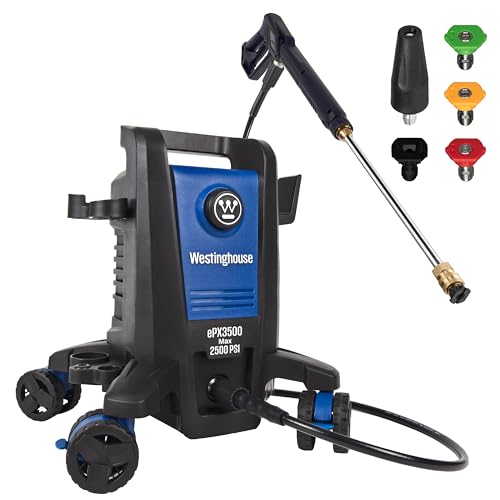
Westinghouse ePX3500 Electric Pressure Washer, 2500 PSI
- ✓ Lightweight and compact
- ✓ Quick-connect wand and nozzles
- ✓ Onboard soap tank
- ✕ Hose length could be frustrating
- ✕ Moderate noise at full power
| Max PSI | 2500 psi (max) / 2000 psi (rated) |
| Water Flow | 1.76 GPM (max) / 1.2 GPM (rated) |
| Tip/Wand | Pro-style steel extendable 17.5″ wand with quick-connect nozzles (0°, 15°, 25°, turbo, soap applicator) |
| Hose | Easy-coil nylon braided 25 ft high-pressure hose |
| Weight and Dimensions | 19 lb, 16.5″ tall |
| Tank and Convenience | 20 oz onboard soap tank |
You’ll notice the Westinghouse ePX3500 up on the shelf, and you’re curious how it actually feels in use. That 16.5-inch tall frame and 19-pound weight make it feel almost toy-light, until you clamp the wand and hear that sturdy click of the quick-connect nozzle.
You’ll appreciate the molded carry handle and the way the 25-foot hose coils neatly back into the compact body.
Power feels practical rather than overpowering. With 2500 PSI max and 1.76 GPM at the low end, it bites into dirt without turning every porch plank into confetti.
The 2000 PSI and 1.2 GPM rating still deliver steady flow for daily cleanup tasks, which is exactly what I was after for driveways and patio furniture.
The pro-style 17.5-inch extendable wand offers real reach, and the quick-connect nozzles snap in with a reassuring click. I found the 0°, 15°, and 25° tips easy to swap when you’re mid-task, plus the turbo nozzle packs a punch for stubborn spots.
The onboard soap tank is a simple, no-sweat addition for detergents, which helps when you’re scrubbing decks or cleaning vehicles.
Mobility is surprisingly nimble thanks to four quick-lock wheels and a low center of gravity. It doesn’t tip easily, even on uneven pavement, which is a relief when you’re moving around a car or bins.
The anti-kink hose and nylon braid feel sturdy, and the automatic pump shutoff saves wear and tear when you’re not squeezing the trigger.
Overall, this washer hits a sweet spot for home use: powerful enough to handle tough grime, light enough to store in a closet, and simple enough to set up in minutes. It’s a friendly, capable workhorse for weekend projects.
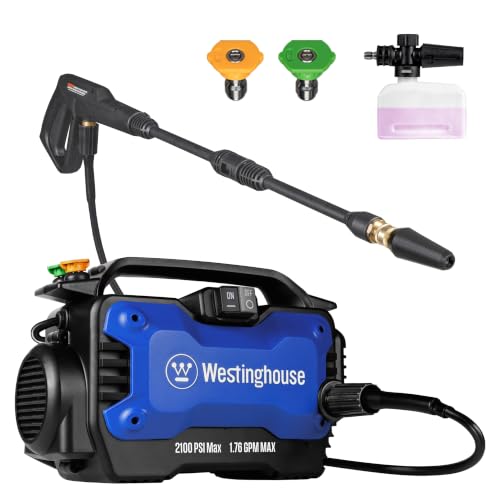
Westinghouse ePX3100s Electric Pressure Washer, 2100 Max
- ✓ Very light and portable
- ✓ Strong foam cannon
- ✓ Ready-to-grab storage
- ✕ Not true heavy-duty power
- ✕ Hose could be longer
| Max PSI | 2100 max PSI |
| Rated PSI | 1800 PSI (rated) |
| Flow Rate | 1.2 GPM (rated) / 1.76 GPM (max) |
| Weight | 10 pounds |
| Hose Length | 20 feet high-pressure hose |
| Power Cord | 35 foot GFCI power cord |
You might assume a compact pressure washer can’t conquer real grime, but this Westinghouse proves otherwise in real life. You’ll notice the unit is light enough to lift with one hand, yet sturdy enough to feel confident on spray-clean tasks.
The first time you pop on the foam cannon, the thick suds cling to dirt like a magnet, and you realize you’re not just rinsing—you’re loosening grease before you even mean to.
The 2100 max PSI sneaks up when you need it, without turning your driveway into a wind tunnel. At the lower end, the 1800 PSI/1.2 GPM setting handles lighter shakeups around the siding and deck boards with little effort.
It’s not a heavy-duty industrial machine, but it’s more than enough for the usual culprits: muddy patio furniture, car wheels, and muddy boots near the front steps.
What I appreciated most is the grab-and-go design. The spray gun, lance, and nozzles stay clipped together in their built-in holders, so nothing rolls away mid-clean.
The 35-foot power cord and 20-foot hose give you room to move without chasing outlets or reeling constantly. It’s surprisingly quiet for the power level, which makes late-afternoon cleans less disruptive.
Setup is straightforward: unfold, connect, and you’re already foaming. The foam cannon is a standout feature, letting you pre-soak stubborn grime before you dial up the pressure.
If you’re looking for a compact, affordable option for occasional cleans, this is the sweet spot. It’s light, practical, and ready for quick outdoorsy tasks.
If you’ve got kids’ sports gear to refresh or a family SUV that needs a spruce, this helps you do it without a garage-grade investment. It sits neatly in a closet or shed corner, ready for the next miniature project or big seasonal clean.
PowerWahser 5000 PSI Electric Pressure Washer with 4 Nozzles

- ✓ Strong 5000 PSI capability
- ✓ Easy quick-connect system
- ✓ Effective foam cannon
- ✕ Heavier than some models
- ✕ Noise can be loud
| Max PSI | 5000 PSI |
| adjustable PSI range | 2,500–5,000 PSI |
| Power Source | Electric motor (corded) with 20 ft power cord |
| Safety / Shutdown | Total Stop System with automatic power-off when not spraying; built-in GFCI |
| Hose/Connection | 1/4 inch quick-connect fittings for spray wand, surface cleaners, and accessories |
| Included Accessories | 500 ml foam cannon; 4 quick-connect tips (0°, 15°, 25°, 40°) |
You know how some pressure washers feel bulky and finicky right out of the box? This PowerWahser 5000 PSI hits you with a surprising practicality that makes it feel ready to tackle real cleaning days.
The moment you grab the trigger, you notice the Total Stop System kicking in when you stop spraying, which is a small detail that keeps energy use and wear in check.
Setup is straightforward: you connect the water supply, bleed the pump with a quick squeeze, and you’re ready in minutes. The 20-foot cord and the built-in safety features give you peace of mind, especially if you’re working near wet areas or on slick driveways.
The 1/4-inch quick-connect system makes swapping nozzles and accessories feel seamless, which is a big win when you’re juggling a foam cannon and a surface cleaner at the same time.
In use, the four nozzle tips cover a lot of ground. The 0° and 15° tips feel punchy on concrete and brick, making stubborn grime melt away.
The 25° tip shines on wood decks and sidings without turning them into pulp, and the 40° tip is gentle enough for windows and screens. The included 500ml foam cannon sprays a rich lather that actually sticks to dirty panels, not just the air around them.
What I really appreciate is the adjustable PSI. You can dial down from the 5000 max to something safer for cars, screens, or painted surfaces, which helps prevent damage when you’re learning how hard you can push.
The built-in GFCI is noticeable in wet zones, giving you an extra layer of confidence when you’re near water or hoses that drip.
Bottom line: if you want a powerful, versatile, easy-to-use consumer model that doesn’t complicate setups, this one is a strong everyday pick. It’s not just raw power; the thoughtful features make real cleaning days quicker and less nerve-wracking.
Greenworks Brushless Electric Pressure Washer, 3000 PSI

- ✓ Strong, steady power
- ✓ Easy to assemble
- ✓ Durable gun & hose
- ✕ Heavier than some rivals
- ✕ Shorter hose could limit reach
| Motor | TruBrushless 14 Amp |
| Pressure | 3000 PSI (max) |
| Flow Rate | 2.0 GPM |
| Water Temperature Tolerance | Up to 104°F (40°C) inlet water |
| hoses and Accessories | 25-ft Uberflex kink-resistant high-pressure hose; metal spray gun; 15°, 25°, 40° spray tips; soap nozzle; turbo nozzle |
| JetFlow Technology | Increases flow to improve rinsing capability |
You pop the wand onto the Greenworks and the first thing that stands out is the TruBrushless motor’s calm, steady pull. You actually feel the power without the hum turning into a headache, especially when you grab 3000 PSI and watch algae and grime peel away in seconds.
The spray wand locks into place with a satisfying click, and the 25-foot Uberflex hose coils neatly without kinking. You’ll notice the jet flow stays steady as you move from sidewalks to siding, thanks to JETTFLOW technology that feels like it’s pushing water farther with less effort.
Setup is straightforward: plug in, connect the hose, and select a tip. The 15°, 25°, and 40° nozzles are easy to swap, and the turbo and soap options give you flexibility for stubborn spots or dirty machinery.
You don’t have to fight with the unit to get consistent pressure at different heights, which is a real time-saver.
In real-world use, the 104°F water limit isn’t an issue for most home tasks, and the 2.0 GPM flow feels confident on driveways, fences, and patio furniture. The rugged metal gun feels sturdy in your hand, and you get a sense of durability you’d expect from a consumer-class machine that’s meant to last a season or two with regular use.
On the practical side, it’s easy to store after a job, and the independent lab verification gives you extra peace of mind that the numbers aren’t just marketing. If you’re balancing price with real cleaning power, this Greenworks model lands in that sweet spot.
All told, you’re getting strong cleaning power, thoughtful accessories, and a unit that’s designed to work in everyday American driveways, decks, and siding without fuss. It’s the kind of pressure washer you’ll reach for when you need a real boost on the tough jobs.
Portable Cordless Pressure Washer, 1600 PSI, Brushless

- ✓ Strong, versatile spray
- ✓ Quiet, brushless motor
- ✓ Dual-battery runtime
- ✕ Limited high-PSI for heavy-duty
- ✕ Bulky when fully loaded
| Max Pressure | 1600 PSI |
| Water Flow Rate | 3.5 GPM |
| Motor Type | Brushless electric motor |
| Battery System | Dual high-capacity rechargeable batteries |
| Runtime (Eco Mode) | Up to 50 minutes on full charge (Mode 1) |
| Runtime (Power Mode) | Up to 30 minutes on full charge (Mode 3) |
You slide the DRONAR Portable Cordless Pressure Washer off its case, and the first thing you notice is the two chunky batteries clicking into place with a satisfying snap. That little glow from the LCD display hints at smart power management, right before you find the 6-in-1 nozzle tucked neatly in the carry case.
It feels like a compact tool you’d actually keep in the trunk, not just a garage gadget.
Unboxing felt like a small victory. The balance is impressive—the unit isn’t top-heavy, and it sits comfortably in one hand when you’re guiding the spray.
The brushless motor is quiet enough that you can chat with a neighbor while you spray the patio, which is a nice change from louder machines you’ve used in the past.
First real test: the foam cannon. It pours in a thick, glossy foam that clings to wheels and bumper grunge without dripping off instantly.
You switch to the 0° and then the 25° spray, and the difference is tangible—stubborn tire grime yields to the power without needing a second pass.
Battery life matters, and this setup delivers. Eco Mode drags out a clean stretch, enough for a couple of cars, while Power Mode tackles tougher spots without you feeling rushed.
The dual-battery system means you’re not hunting for a charger mid-clean, which is exactly the relief you want on a weekend project.
The 6-in-1 nozzle design keeps everything simple: rotate to the angle you need, snap on the foam cannon when you’re washing the car, and you’re good to go. The extended flexible hose helps you reach undercarriages and into wheel arches without tugging the whole unit around.
For remote spots, the kit’s versatility shines—self-priming from a bucket or direct faucet connection is handy when you’re camping or off-grid. Everything fits back into the included case, so you’re not left hunting for adapters after a session ends.
Bottom line: it’s a capable, wallet-friendly option that makes quick work of everyday messes. You’ll appreciate the blend of portability, battery longevity, and real-world cleaning power when you’ve got decks, cars, or patio furniture to refresh.
What Key Features Should You Consider When Choosing a Consumer Class Pressure Washer?
When selecting the best consumer class pressure washer, several key features should be taken into account:
- Pressure Rating: The pressure rating, measured in PSI (pounds per square inch), determines the force of the water stream. A higher PSI is ideal for tough jobs like removing mildew or graffiti, while a lower PSI is sufficient for light cleaning tasks, such as washing cars or patios.
- Water Flow Rate: The water flow rate, measured in GPM (gallons per minute), indicates how much water the pressure washer can deliver. A higher GPM means more water is used, which can lead to quicker cleaning times, especially for larger surfaces or heavily soiled areas.
- Power Source: Consumer class pressure washers typically come in electric or gas-powered models. Electric models are generally quieter, easier to start, and suitable for light to moderate cleaning, while gas-powered models offer more power and portability, making them better for heavy-duty tasks.
- Portability: The design and weight of the pressure washer affect its portability. Look for features such as wheels, a compact frame, and a lightweight build to ensure easy maneuverability around your home or job site.
- Nozzle Options: Different nozzle types and spray patterns (from a narrow jet to a wide fan) increase versatility. A model that includes adjustable nozzles or a quick-connect system allows users to switch between tasks easily, optimizing cleaning efficiency.
- Durability and Build Quality: The materials used in the construction of the pressure washer can greatly affect its longevity. Look for models with high-quality components, such as reinforced hoses and sturdy frames, to ensure they can withstand regular use without failing.
- Accessories and Attachments: Consider what accessories come with the pressure washer, such as surface cleaners, extension wands, and detergent tanks. Having the right attachments can enhance the functionality of the washer and make it more effective for various cleaning tasks.
- Storage and Maintenance: Evaluate how easy it is to store the pressure washer and what maintenance may be required. Features such as onboard storage for hoses and nozzles, as well as easy access to components for cleaning and maintenance, can enhance user experience and prolong the life of the machine.
How Do Different Brands Compare in Terms of Reliability and Performance?
| Brand | Reliability | Performance |
|---|---|---|
| Brand A | High reliability with a 5-year warranty and fewer reported issues. | Strong performance with a flow rate of 2.5 GPM and 3000 PSI pressure output suitable for heavy-duty tasks. |
| Brand B | Moderate reliability; average warranty period of 2 years. | Good performance with a flow rate of 2.0 GPM for light to medium tasks, up to 2500 PSI. |
| Brand C | Excellent reliability with a 5-year warranty and high customer satisfaction ratings. | Exceptional performance with a flow rate of 3.0 GPM, delivering 3500 PSI, ideal for commercial use. |
What Power Ratings Are Best for Consumer Class Pressure Washers?
The best consumer class pressure washers typically range in power ratings, which significantly impact their performance and suitability for various cleaning tasks.
- Electric Pressure Washers (Up to 2000 PSI): These are ideal for light to medium-duty cleaning tasks around the home, such as washing cars or cleaning patios. They are quieter, easier to maintain, and more convenient for residential use, often considered the best choice for consumers looking for portability and ease of use.
- Gas Pressure Washers (2000 to 4000 PSI): These models are more powerful and suited for heavy-duty tasks like stripping paint or cleaning large driveways. They are generally more robust and can operate for longer durations without overheating, making them a favorite among homeowners with extensive outdoor cleaning needs.
- PSI and GPM Ratings: The combination of PSI (pounds per square inch) and GPM (gallons per minute) determines the cleaning power of a pressure washer. A higher PSI means more forceful spraying, while a higher GPM indicates greater water flow, resulting in faster cleaning. Consumers should look for a balanced PSI and GPM rating that aligns with their specific cleaning requirements.
- Adjustable Pressure Settings: Models that offer adjustable pressure settings allow users to customize the water pressure for different tasks. This feature enhances versatility, enabling the washer to handle everything from delicate surfaces to tougher grime without damaging the material being cleaned.
- Motor Power (For Electric Models): The wattage of the motor in electric pressure washers is a significant factor, as higher wattage generally translates to better performance and efficiency. Consumers should consider models with motors rated between 12 to 15 amps for optimal balance between power and energy consumption.
What Is the Average Price Range for Quality Consumer Class Pressure Washers?
This impacts consumers significantly, as the right pressure washer can save time and effort in cleaning outdoor areas, leading to improved home maintenance and aesthetics. The ability to easily clean surfaces can also enhance the longevity of materials, preventing the buildup of mold, mildew, and other damaging substances. Statistics from the Pressure Washer Manufacturers Association indicate that the pressure washer market is expected to grow, reflecting an increasing trend among homeowners to invest in these tools for home improvement projects.
The benefits of using quality consumer class pressure washers include increased efficiency, environmentally friendly cleaning options, and the potential for cost savings by reducing the need for professional cleaning services. Moreover, they can help maintain property value by keeping exteriors clean and attractive. It is essential for consumers to consider solutions and best practices, such as regular maintenance, using appropriate nozzles for different surfaces, and selecting the right detergent to optimize their pressure washer’s performance and durability.
What Are the Most Effective Uses for a Consumer Class Pressure Washer?
The most effective uses for a consumer class pressure washer include:
- Cleaning Driveways and Patios: High-pressure water jets effectively remove dirt, grime, and stains from concrete surfaces, making driveways and patios look new again. The pressure washer can tackle tough spots like oil stains or mold, which are often hard to clean with traditional methods.
- Washing Vehicles: A pressure washer can save time and effort when cleaning cars, trucks, and RVs. It allows for thorough cleaning of hard-to-reach areas while also providing a gentle enough spray to avoid damaging paint or delicate components.
- Restoring Decks and Fences: Wooden decks and fences can accumulate mildew, dirt, and algae over time. Using a pressure washer helps restore their original appearance by removing built-up grime, and it prepares the surface for staining or sealing by ensuring it is clean and dry.
- Cleaning Outdoor Furniture: Pressure washers can rejuvenate outdoor furniture made from plastic, metal, or wood. The strong spray can quickly remove dirt and mold, making it easier to maintain the look and longevity of patio chairs, tables, and loungers.
- Preparing Surfaces for Painting: Before painting or staining, it’s essential to clean surfaces thoroughly. A pressure washer can strip away old paint, dirt, and debris, providing a clean surface for new coatings to adhere effectively.
- Cleaning Gutters: A pressure washer can be used to clear out clogged gutters and downspouts, helping to prevent water damage to homes. Using specific attachments, homeowners can efficiently remove leaves and debris without the need for ladders.
- Cleaning Pool Areas: Pressure washers can eliminate algae, dirt, and stains from pool decks and surrounding areas, promoting a clean and safe environment. Regular cleaning also helps maintain the aesthetics of the pool area and prevents slips and falls.
How Do Customer Reviews Influence the Choice of a Consumer Class Pressure Washer?
Customer reviews play a significant role in influencing the choice of the best consumer class pressure washer.
- Trustworthiness: Consumer reviews provide firsthand accounts of product performance, helping potential buyers gauge reliability.
- Feature Insights: Reviews often highlight specific features that may not be prominently advertised, giving buyers a clearer understanding of what to expect.
- Comparison with Competitors: Customers frequently compare their experiences with different brands and models, offering valuable insights that help others make informed decisions.
- Problem Identification: Reviews can reveal common issues or defects that may not be apparent in marketing materials, allowing consumers to avoid potential pitfalls.
- Use Cases: Real-world examples shared by users demonstrate how well the pressure washer performs under various conditions, helping others decide if it suits their needs.
Trustworthiness is crucial when selecting a pressure washer; prospective buyers often rely on authentic user experiences to validate a product’s claims. Positive reviews can significantly enhance a product’s credibility, while negative feedback can deter potential customers.
Feature insights provided in reviews can illuminate aspects such as ease of use, power settings, and additional attachments that enhance functionality. This information assists consumers in identifying which features are essential for their specific cleaning tasks.
Comparison with competitors is common among customer reviews. Users often discuss how their chosen pressure washer stacks up against other models, offering insights into performance, durability, and value for money that can guide prospective buyers.
Problem identification is another critical aspect of customer reviews. Users typically share their experiences regarding malfunctions or maintenance issues, which can help others mitigate risks associated with their purchase.
Use cases highlighted in reviews showcase various applications of the pressure washer, from cleaning vehicles to patio furniture. These real-world scenarios help buyers visualize how the product will perform in their own situations, making it easier to determine its suitability.
What Maintenance Practices Help Extend the Life of Your Pressure Washer?
To extend the life of your pressure washer, several maintenance practices are essential.
- Regular Cleaning: Keeping the pressure washer clean prevents dirt and debris from clogging the components. After each use, it’s important to wipe down the exterior and check filters and nozzles for buildup, ensuring optimal performance and longevity.
- Proper Storage: Storing your pressure washer in a dry, sheltered area protects it from environmental elements. Avoid extreme temperatures and moisture, which can damage internal components and lead to rust or corrosion.
- Routine Oil Changes: For gas-powered models, changing the oil regularly is crucial for engine health. Fresh oil lubricates moving parts and helps prevent overheating, ensuring the machine runs smoothly and efficiently over time.
- Inspecting Hoses and Connections: Regularly check hoses and connections for signs of wear or leaks. Damaged hoses can lead to performance issues or even safety hazards, so replacing any frayed or cracked hoses promptly is advisable.
- Winterization: If you live in an area with freezing temperatures, winterizing your pressure washer is vital. This involves draining all water from the system and using antifreeze solutions to protect the pump from freeze damage during the off-season.
- Using the Right Detergents: Always use detergents specifically designed for pressure washers to prevent damage. Using harsh chemicals can corrode the internal components, while the right products will enhance cleaning efficiency without causing harm.
- Checking Spark Plugs: For gas-powered pressure washers, inspecting and replacing spark plugs as needed ensures reliable starting and efficient engine operation. A clean, functioning spark plug plays a crucial role in maintaining optimal performance.