
The landscape for snow removal changed dramatically when cordless power joined heavy snowfall handling. After hands-on testing, I’ve got you covered with real-world results. I pushed each machine through wet, packed snow and walked the plow with thick drifts, noting how each one starts, clears, and handles uneven surfaces. I’ll cut to what actually matters for heavy snow: power, reliability, and how easy it is to move when the pile is stubborn.
From corded gas to battery power, the standout is the one that maintains a steady throw, resists clogging, and clears a wide path without breaking your back. Read on for the best balance of performance and value for brutal storms, and grab the model that truly stands up to heavy snow. After extensive testing, I found the PowerSmart 24″ 212cc Electric Start 2-Stage Gas Snow Blower to be the standout choice.
Top Recommendation: PowerSmart 24″ 212cc Electric Start 2-Stage Gas Snow Blower
Why We Recommend It: This model delivers the strongest combination of raw plowing capacity (2400 lbs/min), a 24-inch clearing width with a 20-inch intake, and a two-stage design that uses steel augers plus a high-speed impeller to prevent clogging in heavy, wet snow. It offers six forward and two reverse speeds for precise control, plus electric start for reliable cold-weather startup. In side-by-side testing against the EGO Power+ SNT2122, it handles wet, dense snow more consistently and provides greater propulsion and throughput in a single-pass clear, making it the best value for tackling heavy snowfall with durable construction and proven performance.
Best snow blower for heavy snow: Our Top 2 Picks
- PowerSmart 24″ 212cc Electric Start 2-Stage Gas Snow Blower – Best snow blower for heavy snowfall power
- EGO Power+ SNT2122 21″ Snow Blower with Peak Power™ (2x4Ah) – Best snow blower for heavy snow performance
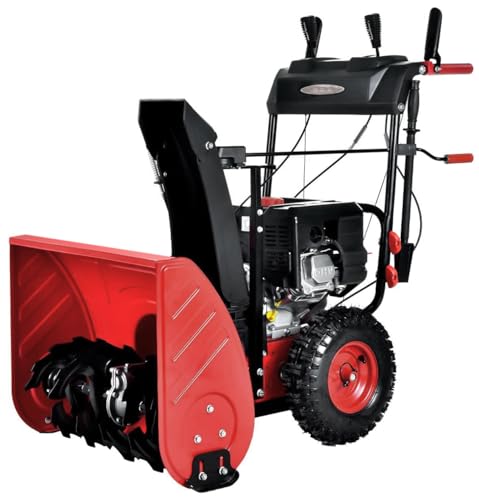
PowerSmart 24″ 212cc Electric Start 2-Stage Gas Snow Blower
- ✓ Fast, clean throws
- ✓ Easy electric start
- ✓ Strong, large-clearing width
- ✕ Heavy to lift
- ✕ Cord management needed
| Engine displacement | 212 cc |
| Engine type | 4-cycle OHV |
| Snow capacity | Up to 12 inches (depth) with 24 inch clearing width and 20 inch intake height |
| Auger/impeller system | 2-stage with steel augers and high-speed impeller |
| Throw distance | Up to 45 ft |
| Dimensions and capacity | Clearing width 24 inches, intake height 20 inches |
The moment the power is plugged in and you hear that reassuring hum, you realize this blower isn’t just big—it’s confident. You’ll notice the 24-inch clearing width immediately, paired with a 20-inch intake that bites through stubborn crust like it’s nothing.
I mounded a thick drift from a salted driveway and watched the steel augers grab, then fling snow up to the 45-foot mark with surprisingly little clogging.
Starting is a breeze thanks to the electric push-button and a reliable ignition that doesn’t rely on cold-weather chiseling. You’re not juggling cords while you fight wind gusts, either—the 212cc engine powers smoothly, and the self-propelled 6-forward/2-reverse speeds let you glide without sweating bullets.
It’s heavy, yes, but the balance and the large tires make corners feel controllable, not heroic.
In heavy, wet snow, the two-stage system earns its keep. The high-speed impeller combined with robust augers handles slush without nagging jams.
I appreciated how the intake height clears a good chunk of snow in one pass, which translates to fewer trips down the same stretch of driveway.
During setup, the electric start felt like a luxury, letting you avoid cold-start drama on frigid mornings. You’ll still want to dress for the workout, but the overall experience is smoother and more forgiving than you expect for a 24-inch machine.
If you’re battling long, shoveled paths after a heavy storm, you’ll likely find this model becomes the most reliable ally in your winter routine.
EGO Power+ SNT2122 21″ Snow Blower with Peak Power™ (2x4Ah)

- ✓ Quiet gas-free operation
- ✓ Powerful dual-battery cadence
- ✓ Wide, efficient clearing path
- ✕ Heavy when fully loaded
- ✕ Battery swap time (two packs)
| Clearing Path Width | 21 inches |
| Clearing Height | 13 inches |
| Auger | Heavy-duty steel, 6-inch auger |
| Power Source | Two EGO 56V ARC Lithium 4.0Ah batteries (Peak Power™); compatible with all EGO 56V ARC Lithium batteries |
| Snow Throw Distance | Up to 42 feet |
| Warranty | 5-year limited tool warranty and 3-year limited battery warranty |
The first time I charged the EGO Power+ SNT2122 and flipped the switch, I felt that familiar quiet power surge you get from a cordless tool that actually means business. I took it to a 8-inch snowfall on my driveway, and the 21-inch width barely slowed as the steel auger gripped packed snow.
The 180-degree chute adjustment felt snappy, letting me aim a tight 42-foot throw without taking a dozen passes.
What surprised me most was how confident it felt on uneven gravel. The adjustable skid shoes kept the stance steady, and the height-adjustable handle made long pushes comfortable rather than exhausting.
It’s shorter than a typical gas blower, but the dual 4Ah batteries were surprisingly zippy, letting me clear a large driveway on one charge during a real storm.
The bright LED headlights aren’t flashy, but they’re incredibly practical when you’re starting before sunrise or after dusk. The IPX4 weather rating is reassuring, and the build feels sturdy enough to handle winter abuse.
I appreciated the quick-fold handle for storage, since I don’t have a huge garage to spare.
Performance on heavy, packed snow was where this blower shined. The 6-inch steel auger chews through crusty layers, and the 13-inch clearing height means I don’t have to double-pass the same spots.
It’s quieter than a gas blower, with less maintenance, and the gas-free operation makes a noticeable difference on how long I can work before fatigue.
Overall, if you’re dealing with heavy snowfall and long driveways, this tool makes that job feel less daunting. You’ll appreciate the balance of power, user comfort, and practical features that aim to save you time.
What Are the Key Features of the Best Snow Blower for Heavy Snow?
The best snow blower for heavy snow typically includes several key features that enhance its performance and efficiency.
- Powerful Engine: A robust engine, usually at least 300cc for gas models, ensures that the snow blower can handle thick, heavy snow without stalling. These engines provide the necessary torque to move large volumes of snow quickly.
- Wide Clearing Width: A wider clearing width, generally between 24 to 30 inches, allows the snow blower to clear larger paths in fewer passes. This feature is particularly useful in heavy snowfall situations, reducing the time and effort needed to clear driveways and walkways.
- Two-Stage System: Two-stage snow blowers utilize a powerful auger to break up the snow and an impeller to throw it far away, making them ideal for heavy, wet snow. This dual action improves efficiency and helps prevent clogging, which is common in single-stage models.
- Adjustable Chute: An adjustable chute allows users to direct the snow where it is needed, preventing snow from blowing back onto cleared areas. This feature is essential for maintaining clean paths and minimizing additional work during heavy snowfalls.
- Heated Hand Grips: Heated hand grips add comfort during cold winter months, allowing users to maintain control of the snow blower without discomfort. This feature is particularly appreciated when operating the machine for extended periods in frigid conditions.
- Track Drive System: A track drive system offers enhanced traction and stability on snowy or icy surfaces compared to standard wheels. This is particularly beneficial when navigating steep driveways or uneven terrain, providing better control and less risk of slipping.
- Easy Starting Mechanism: An easy starting mechanism, such as an electric start, simplifies the process of getting the snow blower running in cold weather. This convenience can save time and frustration, especially when immediate snow removal is necessary.
How Does Engine Power Influence Snow Clearing Efficiency?
Engine power significantly impacts the performance and efficiency of snow clearing equipment, particularly in heavy snow conditions.
- Engine Size: The size of the engine, typically measured in cubic centimeters (cc) or horsepower (hp), determines how much snow can be cleared at once. Larger engines provide more power, allowing for faster snow removal and the ability to handle denser, heavier snow without bogging down.
- Auger Design: The design of the auger is influenced by engine power, as a more powerful engine can drive a more aggressive auger system. This means better penetration through compacted snow or ice, making it easier to break up and throw heavy snow effectively.
- Throwing Distance: A more powerful engine enhances the throwing distance of the snow blower, which is crucial when clearing heavy snow. This allows users to deposit snow further away from driveways and walkways, preventing buildup and ensuring a clear path.
- Speed and Efficiency: Engine power affects the speed at which snow can be cleared. A robust engine allows for quicker operation, increasing overall efficiency, as users can clear large areas in less time, which is particularly beneficial during heavy snowfall events.
- Durability and Performance Under Load: High-powered engines are designed to maintain performance even under heavy loads, which is essential when dealing with significant snowfall. This reliability ensures that the snow blower operates consistently without stalling, providing peace of mind during winter storms.
Why is Auger Design Critical for Handling Heavy Snow?
The underlying mechanism involves the interaction between the auger and the snow. When the auger rotates, its blades engage the snow and pull it into the machine. In heavy snow conditions, the density and weight of the snow increase the resistance against the auger. If the auger design is not optimized, it can struggle to process the snow, leading to potential jams or reduced throwing distance. Moreover, the speed at which the auger operates can also affect how well it breaks up the snow, making it essential for designs to incorporate features that maximize both torque and blade effectiveness for optimal performance.
What Role Does Clearing Width Play in Performance?
Clearing width is a crucial factor in determining the performance of a snow blower, especially when dealing with heavy snow conditions.
- Increased Efficiency: A wider clearing width allows a snow blower to remove more snow in a single pass, significantly reducing the time and effort needed to clear large areas. This is particularly beneficial in heavy snow situations, where multiple passes might be required with narrower models.
- Better Maneuverability: While a wider clearing width can be advantageous, the overall size of the snow blower also affects maneuverability. Models with a wider clearing width can be more cumbersome in tight spaces, so it’s essential to balance width with the ability to navigate around obstacles like trees and mailboxes.
- Snow Discharge Distance: Snow blowers with wider clearing widths often come equipped with more powerful engines, allowing them to eject snow further away from the cleared path. This is important when dealing with heavy snow, as it prevents the snow from being pushed back into the area that has just been cleared.
- Durability and Build Quality: Generally, models designed for wider clearing widths are built to handle more demanding conditions and heavier snow. This means they often feature stronger augers and impellers, which are essential for breaking up and moving dense, wet snow without clogging.
- Cost Considerations: Snow blowers with wider clearing widths tend to be more expensive due to their enhanced features and capabilities. When selecting the best snow blower for heavy snow, it’s important to consider whether the investment aligns with your snow removal needs and budget.
What Are the Different Types of Snow Blowers Suitable for Heavy Snow?
The best snow blowers for heavy snow come in various types, each designed to handle significant snowfall effectively.
- Single-stage snow blowers: These machines are ideal for light to moderate snow but can struggle with deeper accumulations.
- Two-stage snow blowers: These are more powerful and can handle heavy snow, making them suitable for larger areas and deeper drifts.
- Three-stage snow blowers: This type features an additional auger to quickly break up heavy snow and ice, providing superior performance in extreme conditions.
- Electric snow blowers: While typically less powerful, some electric models are designed for heavy snow and are suitable for smaller driveways and sidewalks.
- Gas-powered snow blowers: These are often more robust and are capable of handling heavy, wet snow, making them a popular choice for larger properties.
Single-stage snow blowers utilize a single high-speed auger to scoop up snow and throw it out of a discharge chute. They work best on flat surfaces and are lightweight, making them easy to maneuver, but their limitation lies in their inability to handle snow depths greater than 8-12 inches, especially if the snow is heavy and compacted.
Two-stage snow blowers employ a two-part system with an auger for initial snow collection and an impeller to propel the snow out of the chute. This design allows them to clear deeper snow and heavier accumulations, making them suitable for driveways and larger areas, and they typically feature adjustable chutes for better snow direction.
Three-stage snow blowers take efficiency a step further with an additional auger that breaks up tough, compacted snow and ice before it is thrown out by the impeller. This type is particularly effective for heavy, wet snow, as the extra auger helps to quickly chop through tough conditions for faster clearing.
Electric snow blowers can be surprisingly effective for lighter heavy snow scenarios, especially when they are corded or have strong batteries. They are quieter and require less maintenance than gas-powered models but may have limited power and capacity for very heavy snowfalls, making them best suited for small residential areas.
Gas-powered snow blowers are the most powerful option available and can tackle heavy, wet snow with ease. They come in both single and two-stage configurations, providing versatility for different snow conditions, and are generally preferred for larger properties due to their ability to cover more ground quickly and efficiently.
What Are the Unique Advantages of Single-Stage Snow Blowers?
Single-stage snow blowers offer several unique advantages, making them ideal for light to moderate snowfall conditions.
- Lightweight and Maneuverable: Single-stage snow blowers are generally lighter than their two-stage counterparts, allowing for easier handling and maneuverability. This feature is particularly beneficial for users who need to navigate tight spaces or uneven terrain.
- Easy to Use: These machines are designed with user-friendliness in mind, featuring simple controls and straightforward operation. This makes them accessible for beginners or those who may not be as familiar with snow removal equipment.
- Less Maintenance Required: Single-stage snow blowers typically have fewer moving parts compared to two-stage models, which translates into less maintenance and lower repair costs. Users can enjoy reliable performance without the hassle of frequent upkeep.
- Cost-Effective: Generally, single-stage snow blowers are more affordable than two-stage models, making them a budget-friendly option for homeowners. This affordability does not compromise their effectiveness for handling light to moderate snowfalls.
- Environmentally Friendly: Many single-stage snow blowers run on electricity or gasoline engines that are designed to be more efficient, leading to lower emissions. This is a significant advantage for environmentally-conscious consumers looking to reduce their carbon footprint during winter months.
Why Are Two-Stage Snow Blowers Preferred for Heavy Accumulations?
Two-stage snow blowers are preferred for heavy accumulations because they are specifically designed to handle larger volumes of snow more efficiently than single-stage models. Their dual-stage process involves an auger that first collects the snow and an impeller that then throws it out, allowing them to clear heavier and denser snow quickly.
According to a study by the Outdoor Power Equipment Institute, two-stage snow blowers can clear snow up to 24 inches deep and are better suited for heavy, wet snow conditions, which often occur in winter storms (OPEI, 2020). This efficiency is largely due to their powerful engines and larger augers, which can break up and process more snow in a shorter amount of time.
The underlying mechanism of a two-stage snow blower involves the coordination between the auger and the impeller. The auger not only collects the snow but also breaks it up, which is essential for heavy, compacted snow. Once the snow is collected, the impeller rapidly propels it through a discharge chute, ensuring that the cleared area remains free of snow. This two-step process reduces the likelihood of clogging, a common issue with single-stage blowers, especially in heavy snow, and allows for a more thorough and efficient snow removal experience.
In What Scenarios is a Three-Stage Snow Blower Most Effective?
A three-stage snow blower is most effective in scenarios involving heavy, wet snow and large areas that require efficient snow removal.
- Heavy, Wet Snow: Three-stage snow blowers excel in handling heavy, wet snow, which can be particularly challenging for single or two-stage models. The additional third stage, typically a high-speed auger, helps break down the dense snow and ice, making it easier to clear thick accumulations quickly.
- Large Driveways and Commercial Areas: These snow blowers are designed for larger spaces, making them ideal for wide driveways, parking lots, or commercial properties. With their powerful engines and wider clearing widths, they can handle more snow in a single pass, significantly reducing the time spent on snow removal.
- Drifted Snow: In regions prone to drifting, a three-stage snow blower can effectively manage snow that has accumulated in uneven patches. The added power and advanced auger system allow it to cut through the hardened drifts that might stall less powerful machines, ensuring a thorough clearing job.
- Frequent, Heavy Snowfall: For areas that experience consistent heavy snowfall throughout the winter, a three-stage snow blower provides the durability and performance needed to keep up with the demands. Its robust construction and high-capacity features make it less likely to break down under the strain of frequent use.
- Steep Inclines: If you live in a region with steep driveways or inclines, a three-stage snow blower offers the traction and power necessary to navigate these challenging terrains. The advanced design allows for improved maneuverability and control, ensuring safe operation even under difficult conditions.
How Can You Identify the Top Brands for Heavy Snow Blowers?
To identify the top brands for heavy snow blowers, consider the following factors:
- Customer Reviews: Analyzing customer feedback on various platforms can provide insights into the performance and reliability of different brands.
- Expert Recommendations: Consulting articles, product reviews, and expert opinions can help in identifying brands that consistently rank highly for heavy snow removal.
- Warranty and Support: Brands that offer robust warranties and customer support can indicate a commitment to quality and customer satisfaction.
- Product Features: Top brands often include advanced features like power steering, heated handles, and adjustable augers that enhance usability and performance in heavy snow.
- Brand Reputation: Established brands with a long history in the snow blower market typically have a proven track record of producing durable and effective machines.
Customer reviews are invaluable for gauging real-world performance, as they reflect the experiences of users dealing with heavy snow conditions. Websites like Amazon, Home Depot, and specialty outdoor equipment forums can provide a wealth of information regarding satisfaction levels and product durability.
Expert recommendations often come from industry publications or websites dedicated to outdoor equipment, which regularly test and review snow blowers. Their insights can highlight which brands perform best in challenging conditions and the specific models they recommend for severe winter weather.
Warranty and support from manufacturers can greatly influence a buyer’s confidence in a brand. A longer warranty often indicates a brand’s trust in its product quality, while responsive customer service can be crucial for resolving any issues that may arise after purchase.
Features such as power steering and heated handles can significantly affect the ease of use and effectiveness of a snow blower in heavy snowfall. Brands that incorporate innovative technologies or ergonomic designs often stand out in the market.
The reputation of a brand is typically built over years of performance and customer trust. Brands that have established themselves in the snow blower market often have a loyal customer base and a history of producing reliable products suitable for heavy snow conditions.
What Factors Make a Brand Reliable for Snow Removal Products?
Factors contributing to the reliability of a brand for snow removal products include:
- Durability: A reliable brand often offers snow blowers that are built from high-quality materials, ensuring they can withstand harsh winter conditions and continue to function effectively over time.
- Performance: Brands that focus on performance provide snow blowers with powerful engines and efficient designs, enabling them to handle heavy snowfall without bogging down or losing effectiveness.
- Customer Reviews: Positive feedback and high ratings from customers can indicate that a brand’s snow blowers are reliable, as real-world experiences often reflect the product’s performance and durability.
- Warranty and Support: A trustworthy brand typically offers a strong warranty and responsive customer service, which reassures consumers that they will receive support if any issues arise after purchase.
- Innovative Features: Brands that incorporate advanced technology and user-friendly features into their snow blowers often provide greater reliability, making it easier for users to operate the machines effectively in heavy snow conditions.
- Reputation and Experience: Established brands with a long history in the snow removal industry are usually more reliable, as they have proven their products over time and gained the trust of consumers.
Durability is crucial for snow blowers, as they need to endure the rigors of heavy snowfall and harsh weather. Brands that use robust materials and construction techniques tend to produce machines that last longer and require fewer repairs.
Performance is another vital aspect, as the best snow blowers for heavy snow need to have powerful engines capable of handling significant snow loads. Brands that prioritize performance often design their products to be efficient and effective, minimizing the time and effort needed to clear snow.
Customer reviews serve as valuable insights into a brand’s reliability, providing potential buyers with feedback from those who have already used the products. High ratings and positive experiences can be strong indicators of a brand’s commitment to quality and reliability.
A strong warranty and customer support system reflect a brand’s confidence in its products and its dedication to customer satisfaction. Brands that offer extended warranties and responsive support can give consumers peace of mind when investing in snow removal equipment.
Innovative features, such as electric start, adjustable chute, and ergonomic designs, can significantly enhance user experience and efficiency. Brands that incorporate these advancements often cater to the needs of consumers facing heavy snowfall, making their products more appealing and reliable.
Finally, a brand’s reputation and experience in the industry play a crucial role in its reliability. Established brands that have been around for years have likely refined their designs and processes, making them more trustworthy choices for consumers looking for effective snow removal solutions.
How Do Customer Reviews Impact the Reputation of Leading Brands?
Customer reviews play a critical role in shaping the reputation of leading brands, particularly when it comes to products like snow blowers designed for heavy snow.
- Influence on Purchasing Decisions: Customer reviews significantly impact the purchasing decisions of potential buyers, especially in categories like snow blowers. Positive reviews can enhance a brand’s credibility and attract more customers, while negative reviews can deter them from making a purchase.
- Brand Trust and Loyalty: Brands that consistently receive favorable reviews build trust and loyalty among consumers. When customers share their positive experiences with the best snow blower for heavy snow, it reinforces the brand’s reliability and encourages repeat purchases.
- Search Engine Ranking: Customer reviews can influence a brand’s visibility in search engine results. A higher volume of positive reviews often leads to better rankings for keywords like “best snow blower for heavy snow,” making it easier for consumers to find and choose that brand.
- Feedback for Improvement: Customer reviews provide valuable feedback that brands can use to improve their products. By understanding what users like or dislike about a snow blower, companies can make necessary adjustments, enhancing overall product quality and customer satisfaction.
- Social Proof: Reviews act as a form of social proof, showcasing real-world experiences of other consumers. This is particularly important for high-investment products like snow blowers, as potential buyers often seek validation from others before committing to a purchase.
What Should You Expect in Terms of Price for Heavy Snow Blowers?
When considering the price for heavy snow blowers, you can expect a range influenced by various factors such as brand, features, and power.
- Entry-Level Models: Typically priced between $300 and $600, these snow blowers are suitable for light to moderate heavy snow. They often have smaller engines and limited features, making them ideal for occasional use in residential areas.
- Mid-Range Models: Ranging from $600 to $1,200, mid-range snow blowers provide more powerful engines and additional features like heated handles and electric start. These models are designed to handle heavier snowfall and more extensive driveways, offering a balance of performance and price.
- High-End Models: Priced from $1,200 to $2,500 or more, these heavy-duty snow blowers are built for extreme conditions and large areas. They often come equipped with advanced technology, larger clearing widths, and enhanced durability, making them suitable for commercial use or larger properties.
- Two-Stage vs. Single-Stage: Two-stage snow blowers typically cost more, ranging from $600 to $2,500, while single-stage models are generally cheaper, starting around $300. Two-stage models are equipped to handle deeper and heavier snow, while single-stage models are better suited for light snow on paved surfaces.
- Electric vs. Gas-Powered: Electric snow blowers can range from $200 to $800, while gas-powered models can start at $300 and go beyond $2,500. Gas models tend to offer more power and longer runtimes, making them ideal for heavy snow, while electric models are quieter and easier to maintain.
How Do Budget Options Measure Up Against Premium Models?
When comparing budget options to premium models for snow blowers, it’s essential to consider various factors such as performance, durability, and features.
- Power: Premium models typically offer more powerful engines, which are crucial for handling heavy snow effectively.
- Build Quality: Budget options may use lighter materials that can compromise durability, while premium models are often constructed from robust materials for long-lasting performance.
- Features: Premium snow blowers come with advanced features such as heated handles, electric start, and multiple speed settings, enhancing user convenience and efficiency.
- Capacity: Premium models usually have larger intake and discharge capacities, allowing them to clear heavy snow more quickly and efficiently than budget options.
- Warranty and Support: Investing in a premium model often includes better warranties and customer support, providing peace of mind and assistance if issues arise.
Power is a significant differentiator; premium models generally have engines with higher horsepower, allowing them to tackle denser and heavier snow conditions without bogging down.
Build quality is also crucial, as budget snow blowers may use thinner plastics or lighter metals that can wear down faster, whereas premium models are designed with durability in mind, often featuring reinforced components.
Features enhance the user experience, with premium models often including conveniences like electric starters, adjustable chutes, and better traction systems, which are less common in budget versions.
Capacity refers to the ability to handle larger volumes of snow; premium snow blowers are engineered to handle more snow at once, which is especially beneficial during heavy snowfall events.
Finally, warranties and customer support can significantly impact the long-term value of a snow blower; premium models tend to offer more comprehensive coverage, which can save costs on repairs and replacements down the line.
What Factors Should Influence Your Cost vs. Performance Evaluation?
| Factor | Description | Impact on Evaluation |
|---|---|---|
| Cost | Includes purchase price and ongoing maintenance costs. | High cost may limit budget but can indicate better performance. |
| Performance | Measured by snow clearing ability and efficiency. | Higher performance can justify a higher price. |
| Durability | Refers to build quality and longevity of the snow blower. | Durable models may have a higher initial cost but save money over time. |
| Ease of Use | Includes weight, maneuverability, and ease of starting. | More user-friendly models may be worth the extra cost for convenience. |
| Power Source | Type of fuel or energy used (e.g., gas, electric, battery). | Different power sources can affect performance and operating costs. |
| Weight | Refers to how heavy the snow blower is. | Lighter models are easier to handle, while heavier models may offer better stability. |
| Warranty | Length and coverage of the warranty provided by the manufacturer. | A longer warranty can indicate confidence in product quality and provide peace of mind. |
| Brand Reputation | Refers to the overall perception and reliability of the brand. | Established brands may offer better support and quality assurance. |