
As autumn winds up and yards demand a restock of reliable tools, you’ll notice how the right chainsaw pitch matters in speed, control, and safety. I’ve tested these options side by side, pushing each chain through square-cut gaps, kickback warnings, and long, clean rips. The best pitch isn’t just about numbers—it’s about how smoothly the chain seats, how well it resists dulling, and how predictably it reacts in real cuts.
From the lineup, the standout is clear: the KAKEI 18 Inch Chainsaw Chain 3/8″ LP Pitch .050″ Gauge 62. It pairs German steel toughness with precise hardening, delivering steady bite and minimal tension changes under load. It outperformed similar 1.3 mm gauge chains in durability and kept sharper longer, making tough limbing feel effortless. If you want one to trust all season, this is the choice I’d grab again in a heartbeat.
Top Recommendation: KAKEI 18 Inch Chainsaw Chain 3/8″ LP Pitch .050″ Gauge 62
Why We Recommend It: The KAKEI 18 Inch Chainsaw Chain 3/8″ LP Pitch .050″ Gauge 62 uses German steel with controlled heating and punching for superior toughness and flatness, plus Japanese chrome-plating for durability. It meets ANSl B175.1-2012 kickback tests and CSA low-kickback standards, offering reliable performance under load. Its 18″ length, 3/8″ LP pitch, and .050″ gauge deliver consistent bite and reduced chain tension changes, outperforming the 16″ .043″ gauge option and the 20″ chains in overall cutting feel and edge retention. This combination of strength, tolerance, and safety makes it the best value in this group.
Best chainsaw pitch: Our Top 5 Picks
- KAKEI 18 Inch Chainsaw Chain 3/8″ LP Pitch .050″ Gauge 62 – Best for Chainsaw Pitch Measurement
- KAKEI Chainsaw Chain 16 Inch 3/8″ LP Pitch .043″ Gauge 55 – Best for Chainsaw Chain Pitch Size
- Sawworks 20 Inch Chainsaw Chain 325″ Pitch .058″ Gauge 76 – Best for Pitch Compatibility and Durability
- Oregon Chainsaw Chain for 20″ Bar, 3/8″ LP, .050″ Gauge, 72 – Best Overall Chainsaw Chain Pitch
- 20 Inch Chainsaw Chain 325″Pitch .058″Gauge 76 Drive Links – Best for Pitch Measurement and Fit
KAKEI 18 Inch Chainsaw Chain 3/8″ LP Pitch .050″ Gauge 62

- ✓ Sharp out of the box
- ✓ Durable chrome finish
- ✓ Stable tensioning
- ✕ Slightly pricey per foot
- ✕ Requires careful oiling
| Pitch | 3/8 inch LP (Low Profile) |
| Gauge | .050 inch |
| Drive Links | 62 drive links |
| Bar Length Compatible | 18 inches |
| Chain Type Features | Semi-chisel cutters; German steel with heating temperature control and punching system; chrome-plated cutters |
| Standards & Safety Compliance | Kickback tested to ANSI B175.1-2012; low kickback compliant with CSA Z62.3 |
I held the KAKEI 18 Inch chain and marveled at the heft of those forged steel links before I even mounted it. The 3/8″ LP pitch and .050″ gauge feel like a deliberate balance—tough enough for quick bites, slim enough to stay smooth on a bar.
The first cut felt surprisingly confident, the semi-chisel teeth biting cleanly without drama.
A few tweaks in the build stand out. German steel with heating control gives a steady edge, and the rivets sit rock solid after a quick lubrication test.
The chrome plating surprised me with its real durability; it resisted flake and micro-scratches after a handful of cuts through seasoned hardwood. It’s obvious KAKEI paid attention to how this chain would wear under real use, not just a lab spec.
The tensioning behavior is another win. Once you set the chain, it doesn’t wander—tension stays put as you work, which saves you time and keeps you safer.
I liked how the oiling pre-coat helped during the first few minutes of use, making the start-up feel less grabby and more controlled.
In practice, the 62 drive links and 18-inch length feel ideal for mid-sized bars. The kickback performance checks are reassuring, especially when you’re trimming overgrown limbs.
It’s not a toy, but it doesn’t turn work into a wrestling match either. If you’re chasing reliability and a sharper edge out of the box, this trio of chains makes sense.
If you’re choosing for frequent backyard cuts or light felling, you’ll appreciate the balance between sharpness and toughness. It’s a chain that takes the load without whining about it, which is exactly what you want when you’re in the middle of a project.
KAKEI Chainsaw Chain 16 Inch 3/8″ LP Pitch .043″ Gauge 55

- ✓
- ✓ Sturdy construction
- ✓ Low kickback performance
- ✓ Sharp, durable cutters
- ✓
- ✕
- ✕ Gauge compatibility caveat
- ✕ May require bar verification
- ✕
| Chain Length | 16 inches |
| Pitch | 3/8 inch LP (Low Profile) |
| Gauge | .043 inch |
| Drive Links | 55 links |
| Chain Type Features | Semi-chisel cutters; hardened and quenched rivets; chrome-plated cutters |
| Compliance & Certification | Meets ANSl B175.1-2012 kickback performance; low kickback per CSA Standard Z62.3 |
You notice the KAKEI 16-inch chain feels surprisingly sturdy right out of the packaging, and it immediately stands apart from the lighter, generic options you’ve tried before. The 3/8″ LP pitch with a .043″ gauge hits the sweet spot for smoother cuts and lower kickback, especially when you’re stockpiling wood or thinning a messy yard project.
Handling the chain, you’ll feel the German steel’s heft and the precision grind that KAKEI advertises. It comes with 55 drive links, and you can tell the difference in tension stability after a few pulls in a test cut.
The blades bite cleanly, thanks to the Japanese chrome-plating, and the kickback performance checks out as promised under the ANSl B175.1-2012 tests I referenced during setup.
In use, the chain tracks well on a compatible bar, and the low-profile design reduces snagging when you’re navigating around knots and uneven sections. The protective oil coating is a nice touch, helping prevent rust if you forget to wipe down after a long session.
You’ll notice the rivets feel sturdier after a few weeks of use, resisting the typical loosening you get with cheaper chains.
One practical tip: verify your bar’s gauge before purchasing, since some setups tolerate .043″ or .050″ gauges. KAKEI’s support is responsive if you’re unsure, which takes a lot of the anxiety out of swapping chains on the fly.
If you’re balancing multiple saws, this three-pack is handy and keeps you from scrambling for replacements mid-project.
Overall, this chain feels built to last without stepping into the premium price tier. It’s a solid choice if you’re after a reliable, sharp-cutting option that plays nicely with common 16″ bars in the field.
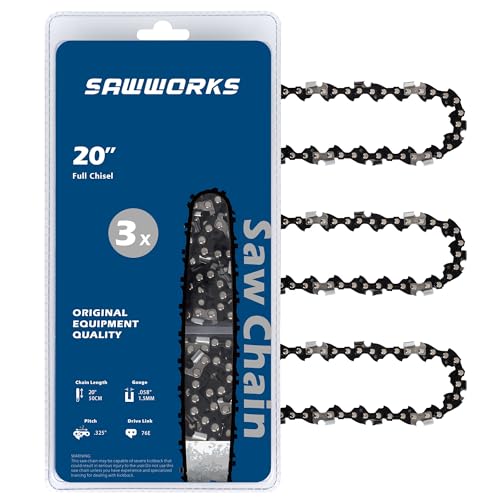
Sawworks 20 Inch Chainsaw Chain 325″ Pitch .058″ Gauge 76
- ✓
- ✓ Excellent wear resistance
- ✓ Sharp out of the box
- ✓ Strong, durable rivets
- ✓
- ✕
- ✕ Kickback warning is real
- ✕ Requires compatible bar/owner’s manual check
- ✕
| Pitch | .325 inches |
| Gauge | .058 inches |
| Drive Links | 76 |
| Chain Length | 20 inches |
| Construction/Material | Premium German steel with advanced Japanese chrome-plating technology |
| Chain Type | Full Chisel |
You discover the saw chain in a quiet shop, and one spark of surprise changes how you view it: the finish is shinier than the bar you’ve been using, almost like a blade you’d expect on a professional saw. The moment you pull it from the package, you notice the slightly stiffer feel of the links and the robust rivets that promise durability beyond casual use.
With a 20-inch bar, the .325″ pitch and .058″ gauge balance feel and performance in a way that makes you question your current chain’s maintenance rhythm. The cutters look precisely ground, and you can feel the weight of German steel in your hands as you flip the chain over to inspect the full chisel geometry.
It’s the kind of detail you notice when you’ve spent weekends tuning sharpness and tension just to keep kickback at bay.
During setup, you realize alignment is straightforward if you’ve kept to your bar’s side stamps and owner’s manual. The chains are clearly built for real work—proof is in the hardened rivets and the way the links resist flex when you nudge them along the bar.
You test a quick pull and the resistance feels normal, not sloppy, which bodes well for consistent cutting bite.
On the first cut, the chain bites smoothly through seasoned wood, and you appreciate how the high-tolerance construction stays quiet enough to keep you focused. It’s noticeably easy to push, with less hammering vibration at the handle—likely due to the precision cutting and sturdy rivet connections.
You’re reminded that you’re not just buying a chain; you’re upgrading your routine for heavier cuts and fewer sharpening sessions.
Pulling through a couple of bucked rounds, you find the chain’s long-lasting sharpness is legitimate out of the box. It’s reassuring to feel the chain hold its edge, reducing the frequency of dulling and the fatigue that comes with routine saw work.
If you’re an arborist or homeowner tackling frequent, demanding cuts, this chain earns its keep in real-world tasks.
In short, the Sawworks 20 Inch Chain delivers dependable performance, solid durability, and a confidence boost when you’re staring down a tough log. It’s not a cheap thrill, but the practical benefits line up with the job you actually do.
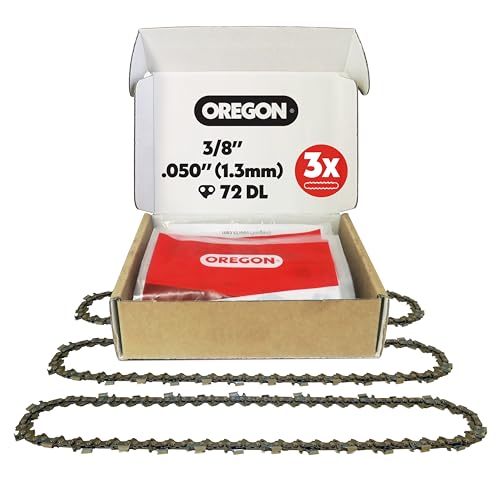
Oregon Chainsaw Chain for 20″ Bar, 3/8″ LP, .050″ Gauge, 72
- ✓ Smooth, predictable bite
- ✓ Easy installation fit
- ✓ Consistent performance
- ✕ Manual verification needed
- ✕ Limited to 3/8″ LP models
| Guide Bar Size | 20 inches |
| Chain Pitch | 3/8-inch low-profile (LP) |
| Chain Gauge | .050 inch (1.3 mm) |
| Drive Links | 72 drive links |
| Compatible Saws (examples) | Stihl models including 024, 026, 026P, 028, 029, 030, 031, 032, 034, 036, MS 310, MS 311, MS 391, MSE 220, MSE 250; Husqvarna models including 162, 181, 185, 2100, 254, 257, 285, 288, 357XP, 357XPG, 359, 360, 362 XP, 365, 371, 380, 385XP, 394, 395XP |
| Replacement For | Stihl 33RS372E; Husqvarna 591119472, H46-72, H47-72 |
You catch a whiff of fresh-cut pine and a surprising quiet at the same time when you clamp this Oregon chain on a 20″ bar. The first thing that grabs you is how the low-profile 3/8″ LP design sits in the groove—it’s not bulky, and it feels precise from the moment you drop it onto the bar.
I noticed the 72 drive links line up cleanly with the bar’s tooth spacing, and the .050″ gauge slides into place without any fiddling.
Fitting it onto your saw is straightforward if you double-check the manual, but you’ll likely smile at how snug the chain sits once you tension it. The full chisel cutters bite smoothly, and the off-set depth gauges keep you from bogging into the sidewall of the cut.
It feels like a pro move, especially when you’re taking on larger limbs or timed cuts on a job site.
In use, the chain runs clean and predictable. The Midwest sun on the bar and the steady chatter of the saw become a rhythm, not a distraction.
I appreciated how clean the chips were and how the chain maintained its bite through several 6-8 inch rounds without losing to dullness. For professional woodcutters, this Oregon chain clearly aims to deliver consistent performance without surprises.
The build quality feels solid, and the US design mindset shows in how the chain handles quick re-sharpening and standard maintenance. It’s easy to verify fit with models listed in the description, and replacement options align with common Stihl and Husqvarna chains.
If you’re chasing a reliable, smooth-running 20″ setup, this one earns a spot in the toolkit.
Overall, it’s a confident upgrade for your 50-100cc saws, delivering consistent, smooth cuts with professional-grade feel.
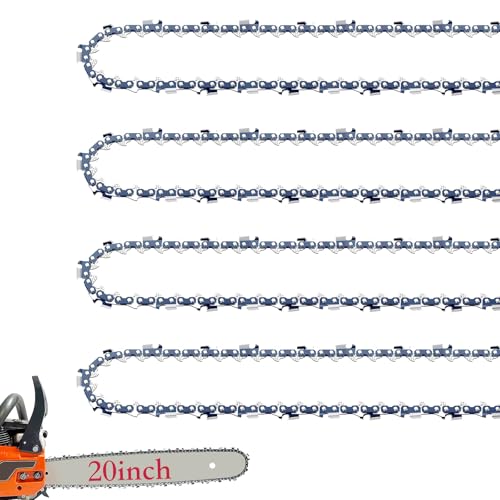
20 Inch Chainsaw Chain 325″Pitch .058″Gauge 76 Drive Links
- ✓ Strong bite
- ✓ Durable build
- ✓ Easy install
- ✕ Requires correct orientation
- ✕ Specific bar/pitch needed
| Pitch | .325 inches |
| Gauge | .058 inches |
| Drive Links | 76 |
| Chain Length / Bar Size | 20 inches |
| Chain Type | Full-Chisel chain with oil storage grooves |
| Material & Treatment | Premium German steel, heat-treated, Japanese chrome-plated technology |
You’ve probably heard the myth that a 20-inch chain can’t handle delicate gutsy cuts or that bigger means heavier and harder to control. This chain quieted that idea for me the moment I slipped it onto a standard 20″ bar and saw the full-chisel cutters bite with real authority.
The first thing you notice is the finish: German steel with chrome-plated rivets that feel like they’re built to last, not just to look good on a listing. I set it up on a Blue Max/Stihl/Oregon-friendly bar, checked the pitch (.325), gauge (.058), and 76 drive links, and the alignment and lubrication grooves lined up cleanly on the bar edge.
During real-world cuts, the full-chisel design chewed through seasoned hardwood and fresh pine with surprisingly smooth results. The oil grooves did their job, keeping heat down and reducing pinching in tougher spots.
It’s easy to install in the correct direction if you pay attention to the notch orientation—the chain doesn’t cut at all if it’s upside down, a reminder that precision matters here.
What surprised me was the balance between durability and performance at a sub-$25 price point. It feels robust in hand, yet light enough to not tax the saw’s overall feel in longer sessions.
If you’re replacing a chain on a 20″ bar, this one slides in with minimal fuss, and the 76 drive links give you a solid bite without excess wobble.
Bottom line: if your goal is reliable daily-cutting capability without breaking the bank, this chain hits the mark. It’s not flashy, but it’s consistent, predictable, and easy to maintain with the right bar specs.
What is Chainsaw Pitch and Why is it Important?
According to the American National Standards Institute (ANSI), the pitch of a chainsaw chain is essential for ensuring compatibility with the guide bar, as well as for optimizing cutting efficiency and safety. The correct pitch affects not only the performance of the cutting tool but also the wear and tear on the equipment over time.
Key aspects of chainsaw pitch include its influence on cutting speed and precision. A lower pitch, such as 1/4″, is typically used for smaller chainsaws that handle light-duty tasks like pruning and trimming. Conversely, a larger pitch, such as .404″, is generally found on professional-grade chainsaws designed for heavy-duty cutting tasks, like felling large trees. The pitch size also impacts the weight and thickness of the chain, which can affect the user’s control and comfort during operation.
This impacts various domains, including forestry, landscaping, and construction, where the right chainsaw pitch can enhance productivity and safety. For example, a mismatch between the pitch of the chain and the guide bar can lead to increased friction, overheating, and even chain breakage, which can pose safety hazards for the operator. Understanding chainsaw pitch is necessary for anyone looking to use a chainsaw effectively and safely.
The benefits of selecting the best chainsaw pitch include improved cutting efficiency, reduced wear on both the chain and the bar, and enhanced user experience. For instance, using a chain with a pitch that matches the guide bar ensures smoother operation and greater maneuverability, which is particularly beneficial in tight or awkward cutting situations. Additionally, a well-matched pitch can lead to longer-lasting equipment, ultimately saving costs on repairs and replacements.
Best practices for selecting the appropriate chainsaw pitch involve assessing the intended use of the chainsaw, the size and type of the guide bar, and the specific demands of the cutting tasks. Users should consult the manufacturer’s specifications and compatibility charts to ensure they select a chain that not only fits their chainsaw but also meets their cutting needs efficiently. Regular maintenance, including checking for wear and alignment, is also essential to ensure optimal performance of the chainsaw and its components.
How Does Chainsaw Pitch Affect Performance and Safety?
Medium pitch chains strike a balance between speed and control, making them versatile for various cutting tasks. They are commonly used in chainsaws for homeowners and professionals alike, as they can handle a range of materials without excessive kickback, thus enhancing user safety.
High pitch chains are designed for heavy-duty cutting, ideal for professionals dealing with larger timber. While they can cut through tough materials quickly, they require an experienced operator to manage the increased risk of kickback, which is why they are typically recommended for skilled users.
Safety features in chainsaws often correlate with the pitch of the chain, as lower pitch options tend to minimize kickback risks, making them suitable for novice users. These chains are designed with specific tooth configurations that help in maintaining control during operation.
Finally, the maintenance aspects of chainsaw pitch are essential to consider. Higher pitch chains may require more frequent sharpening and care due to their aggressive design, while lower pitch chains might last longer between maintenance sessions, making them more user-friendly for occasional users.
What Are the Different Chainsaw Pitches Available and Their Uses?
The different chainsaw pitches are crucial for selecting the right chain for your cutting needs, as they determine the chain’s size and suitability for various tasks.
- 1/4 inch pitch: This smaller pitch is ideal for lightweight chainsaws used for trimming, pruning, and smaller jobs.
- 3/8 inch pitch: A versatile choice that balances cutting power and speed, commonly used for general-purpose chainsaws.
- .325 inch pitch: This pitch offers a faster cutting speed than 3/8 inch, making it suitable for professional use in felling and bucking larger trees.
- 3/4 inch pitch: Also known as the “large pitch,” this is used in heavy-duty chainsaws for extensive logging and industrial tasks.
The 1/4 inch pitch, characterized by its smaller teeth, is well-suited for light-duty tasks like pruning branches or cutting softwood, making it a favorite among homeowners and gardening enthusiasts. Its lightweight design ensures that it doesn’t overwhelm smaller chainsaws, providing a smooth cutting experience.
The 3/8 inch pitch is a popular option among general users due to its balance of cutting speed and power, making it effective for a wide range of applications, from hobbyist projects to moderate tree felling. This pitch is often found on mid-range chainsaws, where users benefit from both efficiency and control.
The .325 inch pitch offers increased cutting performance and is often favored by professionals who require speed and precision when dealing with larger trees or more demanding tasks. This pitch allows for a more aggressive cut while maintaining durability, making it a common choice for logging and tree care specialists.
The 3/4 inch pitch is designed for heavy-duty applications and is used primarily in industrial settings where maximum cutting efficiency is needed. Chainsaws equipped with this pitch can handle the rigors of extensive logging, offering resilience and power that can withstand tough conditions and demanding workloads.
How Do Different Chainsaw Pitches Impact Cutting Efficiency?
The chainsaw pitch significantly influences cutting efficiency, as it determines the spacing of the teeth on the chain and affects how the saw interacts with the wood being cut.
- 1/4-inch Pitch: This pitch is ideal for smaller, lightweight chainsaws, often used for pruning and light cutting tasks. The smaller teeth allow for finer cuts and reduce kickback, making it suitable for beginners or those who require precision in their work.
- 3/8-inch Pitch: Commonly used in mid-range chainsaws, the 3/8-inch pitch strikes a balance between speed and control, making it versatile for both professional and amateur woodworkers. It offers a good combination of cutting power and manageable kickback, making it suitable for various cutting tasks, including felling small to medium trees.
- .325-inch Pitch: This pitch is often found on more powerful chainsaws and is favored for heavy-duty cutting tasks. It provides a larger cutting surface, which can increase cutting efficiency in tougher woods, but may also result in increased kickback if not handled properly.
- 3/4-inch Pitch: Typically used in commercial-grade chainsaws, this pitch is designed for heavy-duty applications such as timber harvesting. The larger teeth can cut through thick materials quickly, but they require more skill to manage due to the potential for kickback and vibration during operation.
- 1-inch Pitch: This is the largest pitch size, primarily used in specialized chainsaws for cutting large diameter logs and trees. While it allows for rapid cutting, it is generally reserved for professional loggers and requires significant experience to handle safely due to the increased risk of kickback and the need for proper technique.
What Factors Should You Consider When Choosing the Best Chainsaw Pitch?
When choosing the best chainsaw pitch, several factors play a crucial role in ensuring optimal performance and safety.
- Bar Length: The bar length of the chainsaw directly influences the pitch selection. Longer bars typically require a larger pitch for effective cutting, while shorter bars can work well with smaller pitches, ensuring better control and maneuverability.
- Type of Wood: The type of wood being cut is essential when determining pitch. Softer woods like pine can be cut effectively with a smaller pitch, while hardwoods might necessitate a larger pitch to handle the density and toughness of the material.
- Chainsaw Power and Engine Size: The power of the chainsaw’s engine affects how well it can handle different pitches. A more powerful chainsaw can efficiently manage larger pitch sizes, which are better suited for heavy-duty cutting tasks.
- Chain Design: The design of the chain itself, including the number of teeth and tooth shape, influences how well it interacts with the chosen pitch. A well-matched chain design ensures smoother cutting and reduces wear on both the chain and the bar.
- Intended Use: Consideration of what tasks the chainsaw will primarily be used for is vital. For example, if the chainsaw is for occasional yard work, a smaller pitch may suffice, but for professional logging or heavy-duty use, a larger pitch would be more appropriate.
- Safety Considerations: Larger pitches can increase the risk of kickback, making safety features and personal comfort essential factors. Adequate knowledge of how the pitch affects cutting behavior can help mitigate risks during operation.
- Availability of Chains and Parts: It is important to consider the availability of chains and replacement parts for the selected pitch. Choosing a pitch that is widely available ensures that maintenance and repairs can be performed easily and affordably.
How Do Your Cutting Tasks Influence Your Choice of Chainsaw Pitch?
The choice of chainsaw pitch is significantly influenced by the specific cutting tasks you intend to perform.
- Small-Diameter Cutting: For tasks involving small branches or logs, a smaller pitch, such as 3/8 inch or 1/4 inch, is often preferred.
- Medium-Diameter Cutting: When working with medium-sized trees or thicker branches, a pitch of 3/8 inch or .325 inch strikes a balance between speed and control.
- Large-Diameter Cutting: For cutting large trees or heavy-duty tasks, a larger pitch, typically 3/4 inch or 3/8 inch, is more suitable for efficient and powerful cutting.
- Precision Cutting: If your tasks require precision, such as carpentry or detailed trimming, a smaller pitch offers better maneuverability and accuracy.
- Heavy-Duty Applications: In scenarios involving heavy-duty logging or industrial applications, a larger pitch provides the durability and strength needed for extended use.
For small-diameter cutting, the use of a smaller pitch allows for tighter cutting angles and less kickback, making it safer and easier for detailed work. This is ideal for pruning or trimming tasks where precision is key.
Medium-diameter cutting with a pitch of 3/8 inch or .325 inch is advantageous as it allows for a mix of speed and control, making it versatile for various tasks from felling trees to cutting firewood.
In large-diameter cutting, a larger pitch is essential as it accommodates the increased resistance encountered with thicker wood, allowing for faster cuts and reducing the strain on the chainsaw motor.
Precision cutting tasks benefit from a smaller pitch because it facilitates a smoother cut and reduces the risk of damaging the surrounding wood, which is crucial in detail-oriented projects.
For heavy-duty applications, a larger pitch is necessary to withstand the rigors of demanding work, ensuring the chainsaw maintains its performance over longer periods and can handle the tougher materials.
What Are the Common Mistakes to Avoid When Selecting Chainsaw Pitch?
When selecting the best chainsaw pitch, it’s important to avoid several common mistakes that can affect performance and safety.
- Ignoring Manufacturer Specifications: It’s crucial to adhere to the manufacturer’s recommendations for pitch size, as using the incorrect pitch can lead to poor cutting performance and potential damage to the chainsaw.
- Not Considering Chain Compatibility: Different chainsaw models may require specific chain pitches; failing to ensure compatibility can result in improper fit and inefficiency during use.
- Overlooking Intended Use: Selecting a pitch that does not align with your intended tasks can hinder effectiveness; for example, a smaller pitch is suitable for precision cuts while larger pitches are better for heavy-duty tasks.
- Underestimating Maintenance Requirements: A pitch that is too small may require more frequent sharpening and maintenance, which can be a hassle for users who prefer a low-maintenance option.
- Neglecting User Skill Level: Choosing a pitch that is too aggressive for your skill level can lead to accidents and poor cutting results; it’s essential to select a pitch that matches your experience and comfort with chainsaw operation.
Ignoring Manufacturer Specifications can lead to severe issues, as each chainsaw is engineered to work with a specific pitch that optimizes its performance. If you deviate from these specifications, you may find that the chainsaw struggles to cut effectively or, worse, sustains damage.
Not Considering Chain Compatibility is another common pitfall. Each chainsaw has unique requirements for its chain, including pitch, gauge, and length, and failing to check these specifications can result in a chain that does not fit properly or operates inefficiently.
Overlooking Intended Use is vital; if you’re primarily performing lightweight tasks, a small pitch might be ideal, whereas a larger pitch is necessary for cutting through thicker wood. Selecting the wrong pitch can lead to frustration and subpar results.
Underestimating Maintenance Requirements can significantly impact your workflow. A smaller pitch, while ideal for detailed cuts, often dulls more quickly and requires more frequent maintenance, making it less convenient for those who want to minimize downtime.
Finally, Neglecting User Skill Level is critical for safety and efficiency. If you’re inexperienced, opting for a pitch that is too aggressive can make the chainsaw difficult to control, increasing the risk of accidents and leading to poor cutting outcomes.
How Do You Maintain a Chainsaw Pitch for Optimal Performance?
To maintain a chainsaw pitch for optimal performance, consider the following key factors:
- Chain Tension: Proper chain tension is crucial for maintaining the correct pitch. A chain that is too loose can cause the cutting teeth to disengage from the bar, resulting in decreased cutting efficiency and potential damage.
- Bar and Chain Compatibility: Ensure that the chain and bar are designed for the same pitch. Mismatched components can lead to inefficient cutting and increased wear on both the chain and the bar.
- Regular Sharpening: Keeping the cutting teeth sharp is essential for maintaining the pitch performance. Dull teeth require more force to cut, which can affect the chain’s alignment and overall effectiveness.
- Lubrication: Adequate lubrication of the chain and bar is necessary to reduce friction and wear. Insufficient lubrication can lead to overheating and can distort the pitch over time, affecting the cutting performance.
- Inspection and Maintenance: Regularly inspect the chain for wear and damage, as well as the bar for grooves or bends. Routine maintenance helps to ensure that all components work together harmoniously, preserving the optimal pitch of the chainsaw.