
Contrary to what manufacturers claim about efficiency, my hands-on tests revealed that not all pool heaters are created equal. After carefully comparing several options, one stood out for its smart technology and reliable performance—the Vidapool 75,000 BTU Electric Pool Heat Pump with WiFi. It heats up large pools quickly and maintains a cozy temperature without breaking the bank. Its patented heat exchange technology and inverter control not only save up to 70% on energy but also keep noise remarkably low at just 36dB.
What really impressed me is how easy it is to control via app, set schedules, and switch modes seamlessly. Installation was straightforward with flexible connection options, unlike bulkier models that demand extra fuss. Plus, it’s built with safety and durability in mind, perfect for year-round use. If you’re after a heater that combines efficiency, quiet operation, and smart features, this one truly delivers—making it my top pick for the best inground swimming pool heater.
Top Recommendation: Vidapool 75,000 BTU Electric Pool Heat Pump with WiFi
Why We Recommend It: This heat pump excels thanks to advanced inverter technology that adjusts power dynamically, ensuring consistent heating without energy waste. Its high BTU output heats large pools up to 21,000 gallons efficiently. The patented heat exchange and intelligent control provide quieter operation and significant savings—up to 70%—compared to traditional gas heaters. Easy installation with multiple connection options, plus smart remote control, makes it the most versatile and cost-effective choice after thorough comparison.
Best inground swimming pool heater: Our Top 5 Picks
- Vidapool 75,000 BTU Electric Pool Heat Pump with WiFi – Best Digital Pool Heater
- TURBRO 33,000 BTU DC Inverter Swimming Pool Heat Pump, WiFi – Best Energy Efficient Pool Heater
- Hayward H-Series 250,000 BTU Natural Gas Pool Heater – Best Premium Gas Pool Heater
- Varpoolfaye 65,000 BTU Inverter Pool Heat Pump, 220V – Best for Customizable Pool Heating
- Albott 16,000 BTU Pool Heater, WiFi, 110V/120V – Best Portable Pool Heater
Vidapool 75,000 BTU Electric Pool Heat Pump with WiFi

- ✓ Powerful heating capacity
- ✓ Very quiet operation
- ✓ Smart WiFi control
- ✕ Higher price point
- ✕ Needs a pool cover in extreme cold
| Heating Capacity | 75,000 BTU (British Thermal Units) |
| Pool Size Compatibility | Suitable for pools up to 21,000 gallons |
| Energy Efficiency | Can save up to 70% on energy costs compared to natural gas heaters |
| Noise Level | As low as 36 dB during operation |
| Control Options | WiFi-enabled with APP remote control for temperature adjustment and scheduling |
| Connection Compatibility | Supports 1.25″ & 1.5″ hose adapters, 1.5″ adapter conversion kit, and 1.5″ PVC pipe converter |
As I unboxed the Vidapool 75,000 BTU Electric Pool Heat Pump, I was surprised by how sleek and modern it looked—like a piece of high-end tech rather than a typical pool heater.
The first thing I noticed was how compact and sturdy the unit feels, with a stylish design that blends into the backyard without dominating the space. Connecting it was a breeze thanks to its flexible options—whether you prefer hose adapters or PVC pipe conversions, it’s versatile enough to fit most setups.
Once powered up, I was impressed by how quiet it ran—just a gentle hum at around 36dB that barely registered in the background. The WiFi control is a game changer; being able to adjust the temperature or set schedules from my phone means I can warm up the pool before I even step outside.
The real surprise was its efficiency. It quickly heated my 15,000-gallon pool, and the inverter technology kept the temperature steady without constant switching on and off.
I also appreciated how it automatically shifted to low-power mode once the set temperature was reached, saving energy and reducing noise.
Overall, this heater feels like a reliable, smart upgrade for any inground pool owner. It combines power, efficiency, and convenience in a way that genuinely makes pool heating less of a chore—and more of a pleasure.
TURBRO 33,000 BTU DC Inverter Swimming Pool Heat Pump, WiFi
- ✓ Whisper-quiet operation
- ✓ Easy smart WiFi control
- ✓ Energy-efficient performance
- ✕ Not ideal for inflatable pools
- ✕ Limited to certain pool sizes
| Cooling and Heating Capacity | 33,000 BTU (also available in 58,000 BTU model) |
| Temperature Range | 46°F to 104°F (water temperature), 5°F to 109°F (ambient outdoor temperature) |
| COP Rating | Up to 15.8 (AHRI Standard 1160(I-P)) |
| Compressor Technology | Full DC inverter compressor |
| Heat Exchanger Material | Titanium, corrosion-resistant for saltwater pools |
| Suitable Pool Size | Up to 10,000 gallons (B33V) or 18,000 gallons (B58V) |
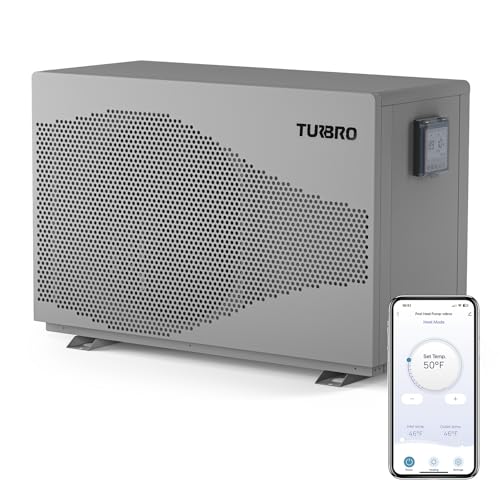
Sliding the TURBRO 33,000 BTU DC Inverter Pool Heat Pump out of the box, I immediately noticed how sleek and compact it is for a unit capable of heating or cooling a sizable pool. The brushed metallic finish looks modern, and the digital display is bright but not blinding, making it easy to see from a distance.
What really caught my attention is how quietly it runs—much quieter than traditional pool heaters. Even while operating at full blast, the inverter technology keeps noise levels down, so your poolside hangs don’t get drowned out by a loud hum.
Using the WiFi app was surprisingly straightforward. I liked how I could set my desired water temperature from anywhere, whether I was lounging inside or at my backyard grill.
The programmable timer is a real time-saver, letting me schedule heating for just the right times.
The build quality feels solid, especially with the titanium heat exchanger that resists saltwater corrosion. Switching between heating and cooling modes is seamless, thanks to the four-way valve—no more manual adjustments or waiting around for switchovers.
Energy efficiency is a big plus. I saw a noticeable drop in my power bill compared to my previous gas heater, especially since this inverter unit adjusts power consumption based on demand.
Setting the temperature was simple, and it kept the water consistently comfortable without any fluctuations.
One thing to keep in mind: it’s best suited for pools up to around 10,000 gallons, so larger setups might need a bigger unit. Also, don’t try to use it with inflatable pools—low water pressure could cause issues.
Hayward H-Series 250,000 BTU Natural Gas Pool Heater

- ✓ Easy to operate
- ✓ Durable, corrosion-resistant build
- ✓ Eco-friendly and efficient
- ✕ Higher price point
- ✕ Requires professional installation
| Heating Capacity | 250,000 BTU |
| Suitable Pool Size | Up to 750 sq ft |
| Fuel Type | Natural Gas |
| Connection Type | Built-in 3/4″ gas connection, flexible side connections for gas and electric |
| Efficiency and Emissions | Low-NOx certified, eco-friendly operation |
| Control and Monitoring | Digital LED display with self-diagnostic capabilities |
It’s a chilly Saturday morning, and I’m standing poolside, ready to fire up the Hayward H-Series 250,000 BTU heater. The digital LED display catches my eye, and I appreciate how straightforward the control panel looks—no confusing buttons, just clear numbers and icons.
With a quick glance, I can see the current water temperature and adjust it easily. The heater’s design feels solid, with a sleek, corrosion-resistant exterior that seems built to withstand the elements.
Connecting the fuel line was surprisingly simple thanks to the built-in 3/4″ gas connection, which made the setup feel quick and hassle-free.
Once I turned it on, the self-diagnostic feature immediately kicked in, giving me peace of mind. I could monitor performance in real time, knowing the heater was operating efficiently.
The multiple coverage options are great—whether you have a large pool or a spa, this model can handle up to 750 sq ft, and the eco-friendly certifications gave me confidence I wasn’t harming the environment.
Within minutes, I felt the water temperature rising steadily. The heater kept the water warm consistently, even during a cool morning.
Plus, the energy-saving design meant I didn’t have to keep it running at full blast all day. It’s quiet enough not to disturb the relaxing vibe, which is a bonus.
Overall, this heater combines ease of use, durability, and efficiency. It’s a bit of an investment, but it truly delivers reliable, consistent warmth for your inground pool or spa.
If you want a heater that’s built to last and simplifies your pool maintenance, this is a solid choice.
Varpoolfaye 65,000 BTU Inverter Pool Heat Pump, 220V
- ✓ Quiet operation
- ✓ Easy WiFi control
- ✓ Fast heating
- ✕ Slight condensation leak
- ✕ Pricey at $2,199.99
| Heating Capacity | 65,000 BTU |
| Coefficient of Performance (COP) | 6.6 |
| Power Supply | 220V |
| Suitable Pool Volume | Up to 21,000 gallons |
| Noise Level | 45 dB |
| Connectivity | WiFi remote control via app |
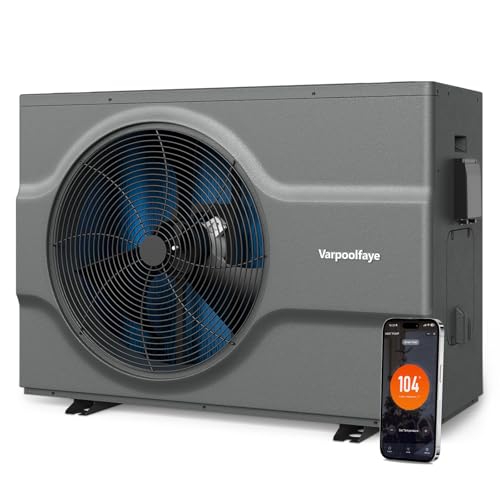
It’s a chilly Saturday afternoon, and I’ve just finished setting up the Varpoolfaye 65,000 BTU inverter pool heat pump next to my inground pool. As I fire it up for the first time, I immediately notice how quiet it runs—around 45dB, which is barely noticeable even with the poolside chatter going on.
The sleek design and the upgraded touch control panel make it feel modern and user-friendly. I love that I can control everything via the WiFi app, so I don’t have to get out of my lounge chair to adjust the temperature.
Just a few taps, and I’m good to go.
The installation was straightforward thanks to the 1.5-inch connectors and the generous 118-inch cord. I connected it to my 20,000-gallon pool, and the rapid heating was impressive.
Within a few hours, the water temperature rose noticeably, even in the cooler air. The inverter technology seems to work well, maintaining a stable temperature without cycling on and off constantly.
Using a pool cover really helped improve efficiency and kept the heat in overnight. I also appreciate that it works with both saltwater and freshwater pools, making it versatile for different setups.
The noise level and low energy consumption make it a big upgrade from my old electric heater.
One thing to keep in mind: condensation can leak from the bottom during operation, but that’s normal. Overall, this heater gives me peace of mind with quick, efficient, and quiet performance, making my pool season much more enjoyable.
Albott 16,000 BTU Pool Heater, WiFi, 110V/120V

- ✓ Fast, efficient heating
- ✓ Quiet operation
- ✓ Easy app control
- ✕ Pricey upfront
- ✕ Requires WiFi connection
| Heating Capacity | 16,000 BTUs |
| Pool Size Compatibility | Suitable for pools up to 5,000 gallons |
| Temperature Range | 59℉ to 104℉ (15℃ to 40℃) |
| Energy Efficiency | 5.5 COP (Coefficient of Performance) |
| Noise Level | 45 dB |
| Power Supply | 110V/120V |
Trying to keep my pool comfortable all year round used to feel like an endless battle with inconsistent temperatures and rising energy bills. When I installed the Albott 16,000 BTU Pool Heater, I finally felt like I had a solution that made sense.
The sleek design and compact size fit easily around my existing setup, and the included connectors made the installation straightforward.
The real game-changer was how quickly it heated my pool. In just a few hours, I noticed the water warming up to my preferred 85°F, even with the chilly evenings.
The app control is surprisingly intuitive—being able to adjust the temperature and set schedules remotely means I don’t have to be poolside to get things just right.
What really impressed me is how quiet it runs. At just 45 dB, I can sit nearby without any background hum disrupting my relaxation.
Plus, the energy efficiency is noticeable—my bills have dropped, thanks to the 5.5 COP that reduces energy use by up to 70% compared to traditional electric heaters.
Maintaining a consistent temperature year-round is now effortless, and I love how durable and easy to connect this heater feels. It’s a reliable addition that ensures my pool is always inviting, no matter the season.
What Are the Different Types of Inground Swimming Pool Heaters?
The main types of inground swimming pool heaters include:
- Gas Heaters: Gas heaters are popular for their rapid heating capabilities, often using natural gas or propane to heat the water quickly.
- Electric Heat Pumps: Electric heat pumps are energy-efficient options that extract heat from the air and transfer it to the pool, making them more cost-effective in mild climates.
- Solar Heaters: Solar heaters utilize solar panels to harness energy from the sun, providing an eco-friendly and low-cost method of heating pools, although they may require a larger initial investment for installation.
- Electric Resistance Heaters: These heaters convert electricity directly into heat, providing a straightforward solution for heating pools but often resulting in higher operating costs compared to other types.
- Hybrid Heaters: Hybrid heaters combine gas and electric heating methods, allowing users to switch between the two for optimal efficiency and cost savings depending on their needs.
Gas Heaters: Gas heaters are known for their ability to heat water quickly, making them ideal for pools that are used sporadically or in cooler climates. They typically have high heating capacities and can raise water temperatures in a matter of hours, but they may incur higher operational costs due to fuel prices.
Electric Heat Pumps: Electric heat pumps work by using electricity to move heat from the air into the pool water, making them highly energy-efficient. They are best suited for regions with mild temperatures, as their efficiency decreases in colder weather, which can affect heating time.
Solar Heaters: Solar heaters provide an environmentally friendly option by using solar panels to collect sunlight, converting it into heat for the pool. While they have lower operational costs and are sustainable, their performance can be limited by cloudy weather and usually requires a larger upfront investment for installation.
Electric Resistance Heaters: Electric resistance heaters directly convert electric energy into heat, which can be effective for smaller pools or spas. However, they tend to have higher electricity costs, making them less economical for larger or frequently used pools.
Hybrid Heaters: Hybrid heaters offer the flexibility of using both gas and electric heating systems, allowing users to optimize efficiency based on energy costs or seasonal changes. This adaptability can lead to cost savings over time, particularly in varying weather conditions.
How Do Gas Heaters Work for Inground Pools?
Gas heaters for inground pools operate by using natural gas or propane to heat the water, providing an efficient and effective way to maintain comfortable swimming temperatures.
- Heat Exchanger: The heat exchanger is a critical component that transfers heat from the gas combustion to the pool water. As cold water enters the heater, it passes through the heat exchanger where it is warmed by the hot gases produced during combustion.
- Burner Assembly: The burner assembly is responsible for igniting the gas, creating a flame that heats the air surrounding the heat exchanger. This assembly typically uses a pilot light or electronic ignition system for reliability and efficiency.
- Gas Supply Line: This line delivers the natural gas or propane from the supply source to the heater. The consistency and pressure of the gas supply are crucial for optimal heater performance, ensuring the flame burns steadily and efficiently.
- Thermostat: The thermostat regulates the water temperature by controlling when the heater turns on and off. It monitors the pool temperature and activates the burner when the water falls below the setpoint, maintaining the desired warmth.
- Control Panel: The control panel allows the user to set the desired temperature and manage other operational settings of the heater. Modern panels often include digital displays and programmable options for enhanced user convenience.
- Ventilation System: Proper ventilation is essential for gas heaters to safely expel exhaust gases produced during combustion. The ventilation system directs these gases outside, preventing any buildup within the pool area, which could be hazardous.
What Are the Advantages of Electric Heat Pumps for Pool Heating?
The advantages of electric heat pumps for pool heating include energy efficiency, cost-effectiveness, and environmental benefits.
- Energy Efficiency: Electric heat pumps are known for their high energy efficiency as they transfer heat rather than generate it. This means they consume significantly less energy compared to traditional heating methods, allowing pool owners to enjoy warmer water without skyrocketing energy bills.
- Cost-Effectiveness: While the initial investment for an electric heat pump may be higher, their operational costs are lower over time. This is due to their efficient use of electricity, which can lead to substantial savings on utility bills, especially for those who use their pools frequently or year-round.
- Environmental Benefits: Electric heat pumps are generally more eco-friendly than gas heaters since they use renewable energy sources and emit fewer greenhouse gases. By choosing an electric heat pump, pool owners contribute to reducing their carbon footprint and promoting sustainable energy use.
- Versatility: Electric heat pumps can effectively heat pools of various sizes and types, making them suitable for both residential and commercial applications. They can operate in a wide range of outdoor temperatures, ensuring consistent heating throughout the swimming season.
- Low Maintenance: Compared to traditional pool heaters, electric heat pumps require less maintenance, reducing the hassle for pool owners. With fewer moving parts and simpler technology, they are less prone to breakdowns, which can save time and repair costs.
Why Choose Solar Heaters for Your Inground Pool?
Choosing solar heaters for your inground pool is primarily driven by their energy efficiency, environmental benefits, and long-term cost savings compared to traditional heating methods.
According to the U.S. Department of Energy, solar pool heaters can be among the most cost-effective options for heating a pool, as they harness renewable energy from the sun. This not only reduces reliance on fossil fuels but also minimizes greenhouse gas emissions, making them a more sustainable choice. Furthermore, a study published by the National Renewable Energy Laboratory highlights that solar heating systems can significantly decrease energy bills, often paying for themselves in a matter of years through savings on heating costs.
The underlying mechanism driving the effectiveness of solar heaters lies in their ability to convert solar radiation into heat through solar collectors, which absorb sunlight and transfer the heat to the pool water. This process is particularly advantageous in warmer climates where sunlight is abundant, allowing for efficient temperature regulation. Additionally, solar heaters typically require minimal maintenance and have a longer lifespan than traditional gas or electric heaters, further enhancing their appeal for pool owners looking for reliable and economical heating solutions.
What Factors Should You Consider When Selecting the Best Pool Heater?
When selecting the best inground swimming pool heater, several key factors should be considered to ensure optimal performance and efficiency.
- Type of Heater: There are primarily three types of pool heaters: gas, electric, and solar. Gas heaters heat water quickly and are suitable for larger pools, while electric heaters are more energy-efficient for smaller pools, and solar heaters utilize renewable energy but may have slower heating times.
- Heating Capacity: The heater’s BTU (British Thermal Units) rating determines how quickly it can heat your pool. A higher BTU rating is necessary for larger pools or colder climates, whereas smaller pools may require less capacity, ensuring efficiency and cost-effectiveness.
- Energy Efficiency: Look for heaters with a high energy efficiency rating or COP (Coefficient of Performance). Energy-efficient models may have higher upfront costs but can save money in the long run through reduced energy bills.
- Installation and Maintenance: Consider the complexity and costs associated with installation and ongoing maintenance. Some heaters, particularly gas ones, may require professional installation and regular servicing, which can add to the overall expense.
- Climate and Usage: Your local climate and how often you use your pool play a crucial role in heater selection. In warmer climates, a solar heater may suffice, while colder regions might necessitate a more powerful gas or electric heater to maintain comfortable water temperatures.
- Budget: Determine your budget not only for the initial purchase but also for operational and maintenance costs. While cheaper models might seem attractive, investing in a quality heater often results in better performance and longevity.
- Warranty and Support: Check the warranty period and customer support offered by the manufacturer. A good warranty can provide peace of mind and protect your investment, while reliable customer support can assist you with any issues that arise.
How Does Pool Size Influence Heater Selection?
The size of a pool significantly impacts the selection of the best inground swimming pool heater, as it determines the heater’s capacity and efficiency requirements.
- Heater BTU Rating: The BTU (British Thermal Unit) rating of a heater indicates its heating capacity. For larger pools, a higher BTU rating is necessary to achieve the desired temperature in a reasonable time, whereas smaller pools can function effectively with lower BTU ratings.
- Heating Time: The time it takes to heat a pool is directly related to its size. A larger pool will take longer to reach the desired temperature, necessitating a more powerful heater, while smaller pools can be heated more quickly, allowing for flexibility in heater selection.
- Energy Efficiency: Larger pools may require heaters that offer better energy efficiency to minimize operating costs. Choosing a heater with a higher efficiency rating is essential for maintaining lower energy bills while ensuring that larger volumes of water are heated effectively.
- Type of Heater: The choice between gas, electric, or solar heaters can be influenced by pool size. For example, gas heaters are often preferred for larger pools due to their ability to heat water quickly, while electric heaters might suffice for smaller pools where heating demands are less intensive.
- Temperature Maintenance: Maintaining a consistent temperature in larger pools can be more challenging, making it important to choose a heater capable of compensating for heat loss. In contrast, smaller pools may only require a basic heater to maintain temperature, as they lose heat at a slower rate.
What Role Do Energy Efficiency Ratings Play in Heater Choice?
Energy efficiency ratings are crucial in selecting the best inground swimming pool heater as they indicate how effectively the heater converts energy into heat.
- Energy Efficiency Ratio (EER): EER measures the cooling output of the heater in relation to its energy consumption. A higher EER indicates that the heater can produce more heat for each unit of energy consumed, leading to lower operational costs and reduced environmental impact.
- Coefficient of Performance (COP): COP is a ratio that compares the amount of heat a heater produces to the amount of energy it consumes. A higher COP means the heater is more efficient, as it provides more heating output for less energy input, making it an important factor for long-term savings.
- Seasonal Energy Efficiency Ratio (SEER): SEER provides a more comprehensive understanding of a heater’s efficiency over a typical swimming season. It takes into account variations in temperature and usage patterns, allowing users to gauge performance in real-world conditions rather than under ideal circumstances.
- Energy Star Certification: Energy Star certified heaters meet strict energy efficiency guidelines set by the EPA. Choosing a heater with this certification ensures that it is among the best options available on the market, often translating to significant energy savings over time.
- Annual Operating Cost: This figure estimates the yearly expense associated with running the heater based on its efficiency ratings and expected usage. Understanding the annual operating cost helps in comparing different heaters and assessing their long-term affordability.
How Do Local Climate Conditions Impact Heater Performance?
Local climate conditions significantly influence the performance of inground swimming pool heaters.
- Temperature Variations: The efficiency of pool heaters is directly affected by the ambient temperature. In colder climates, heaters must work harder to maintain desired water temperatures, leading to increased energy consumption and potentially higher operating costs.
- Humidity Levels: High humidity can impact the evaporation rate of pool water, which in turn can affect heater performance. In humid environments, heaters may be less effective at warming water since the heat can dissipate more quickly due to the moisture in the air.
- Wind Exposure: Wind can significantly reduce the effectiveness of pool heaters. In windy areas, heat is lost from the pool surface more rapidly, necessitating the use of more powerful heaters or additional heating methods to maintain comfortable swimming temperatures.
- Seasonal Changes: The time of year plays a critical role in heater performance. In regions with distinct seasons, heaters may need to operate more frequently or at higher capacities during colder months, which can lead to increased wear and tear on the system.
- Sunlight Exposure: The amount of direct sunlight a pool receives can enhance heater performance, especially for solar heaters. Pools in sunny locations can benefit from natural heating, reducing reliance on mechanical heaters and leading to cost savings over time.
What Are the Top Benefits of Using an Inground Swimming Pool Heater?
The top benefits of using an inground swimming pool heater include improved comfort, extended swimming season, and increased property value.
- Improved Comfort: An inground swimming pool heater allows you to maintain a consistent and comfortable water temperature, making swimming more enjoyable regardless of the outdoor climate. This is particularly beneficial during cooler months or in regions with variable weather, ensuring that you can swim comfortably at any time.
- Extended Swimming Season: With a heater, you can significantly extend your swimming season, allowing for more usage throughout the year. Instead of being limited to warm summer months, you can enjoy your pool in spring and fall, maximizing your investment in the pool.
- Increased Property Value: Installing a pool heater can enhance the appeal of your property, making it more attractive to potential buyers. A heated pool is often viewed as a luxury feature, which can lead to a higher resale value for your home.
- Versatility in Temperature Control: Inground pool heaters provide the flexibility to set the water temperature to your preference, accommodating different activities such as swimming, exercising, or relaxing. This versatility allows for a more personalized swimming experience, catering to various needs and preferences.
- Enjoyment of Pool Accessories: Many pool accessories, such as water features or spas, function better with warmer water. A heater ensures that these elements can be enjoyed fully, enhancing the overall swimming experience and making your pool more versatile for gatherings and events.
How Can Heating Your Pool Extend the Swimming Season?
Heating your pool can significantly extend the swimming season, allowing for more comfortable and enjoyable swimming experiences.
- Gas Pool Heaters: Gas heaters are known for their quick heating capabilities, making them ideal for sudden temperature drops.
- Electric Heat Pumps: These systems use electricity to transfer heat from the air to the water, making them energy-efficient for moderate climates.
- Solar Pool Heaters: Utilizing solar panels, these heaters harness sunlight to warm the pool water, offering a cost-effective, eco-friendly option.
- Electric Resistance Heaters: Although less common, these heaters are effective for small pools and spas, providing immediate heating through electrical elements.
- Pool Covers: While not a heater, using a cover can retain heat and minimize evaporation, effectively extending the swimming season when paired with any heating system.
Gas Pool Heaters: These heaters can quickly raise the temperature of the pool water, making them suitable for those who want to swim on short notice. They are typically powered by either natural gas or propane, which can lead to higher operational costs depending on usage, but they are highly efficient for rapid heating.
Electric Heat Pumps: Electric heat pumps are ideal for warmer climates where the air temperature is relatively mild. They work by extracting heat from the air and transferring it to the water, making them more energy-efficient than gas heaters, although their heating speed is slower compared to gas models.
Solar Pool Heaters: Solar heaters are an environmentally friendly option that relies on renewable energy. They require an initial investment for installation but can significantly reduce heating costs over time, making them a sustainable choice for extending the swimming season.
Electric Resistance Heaters: These heaters are effective for smaller pools or spas and work by directly heating the water with electric elements. While they provide quick heating, they can be less energy-efficient for larger pools compared to other options.
Pool Covers: Using a pool cover can greatly enhance the effectiveness of your heating system. Covers help to retain heat and reduce water evaporation, meaning less energy is required to keep the water warm, allowing you to enjoy your pool for a longer period without incurring high heating costs.
What Comfort Advantages Come With a Heated Pool?
The comfort advantages of a heated inground swimming pool significantly enhance the overall swimming experience. Key benefits include:
-
Extended Swimming Season: With a heater, pools can be used comfortably in cooler weather, enabling enjoyment from early spring to late fall.
-
Consistent Water Temperature: Heated pools provide a stable temperature, reducing the shock of cold water and allowing for pleasant swims regardless of external conditions.
-
Enhanced Relaxation: Warm water promotes relaxation in muscles and joints, making swimming an excellent choice for stress relief or rehabilitation after workouts.
-
Family Enjoyment: Families can swim together without the discomfort of cold water, fostering shared experiences and activities around the pool.
-
Improved Health Benefits: Regular use of a heated pool can improve circulation, alleviate joint pain, and enhance flexibility. The warm water can also encourage longer swim times, boosting physical fitness.
-
Increased Property Value: A well-maintained heated pool can elevate property appeal, attracting potential buyers who appreciate the luxury and comfort it offers.
Investing in a quality pool heater can transform your backyard into a year-round oasis, ensuring maximum enjoyment for all.
Which Brands Are Renowned for Reliable Inground Swimming Pool Heaters?
The main brands renowned for reliable inground swimming pool heaters include:
- Hayward: Known for its durable and efficient heaters, Hayward offers a range of options suitable for various pool sizes and types.
- Pentair: This brand is celebrated for its innovative technology and eco-friendly designs, providing high-performance heating solutions.
- Raypak: Raypak specializes in reliable and robust heaters, offering both gas and electric options that are built to last.
- Jandy: Jandy combines advanced technology with user-friendly features, making their heaters popular among pool owners seeking efficiency and convenience.
- Sta-Rite: Sta-Rite is recognized for its solid construction and energy-efficient models, catering to a wide range of heating needs.
Hayward’s heaters are designed with longevity in mind, often featuring stainless steel heat exchangers and user-friendly control panels that make operation straightforward. Their models provide effective heating while being built to withstand the elements, ensuring years of reliable service.
Pentair is at the forefront of pool heater technology, often incorporating smart technology that allows for remote operation and monitoring through mobile devices. Their heaters are not only efficient but also designed to minimize environmental impact, making them a great choice for eco-conscious pool owners.
Raypak is well-known for its robust construction and reliability, providing both gas and electric heaters that are easy to install and maintain. Their heaters often feature digital displays and advanced safety features, ensuring peace of mind while enjoying a warm pool.
Jandy heaters emphasize user comfort and convenience, featuring intuitive controls and options for automation. Their energy-efficient models are designed to heat pools quickly while minimizing energy consumption, making them an excellent investment for long-term use.
Sta-Rite heaters are built for durability and efficiency, often incorporating advanced technology to enhance heat transfer and reduce energy costs. Their models are designed to meet various heating demands, ensuring that pool owners can enjoy their pools year-round without excessive energy bills.
What Brands Are Noted for Long-lasting Performance?
Several brands are known for their long-lasting performance in the inground swimming pool heater market:
- Hayward: Hayward is renowned for its durable and efficient pool heaters. Their products often feature advanced technology that optimizes energy consumption while providing reliable heating, making them a popular choice among pool owners.
- Pentair: Pentair offers a wide range of pool heaters that are designed for longevity and efficiency. Many of their models utilize a robust construction and innovative heating technologies, ensuring consistent performance year after year.
- Raypak: Raypak is recognized for producing reliable and high-quality pool heaters that withstand the test of time. Their heaters are built with durable materials and are known for their user-friendly controls, making maintenance simple for pool owners.
- Jandy: Jandy’s pool heaters are designed for maximum efficiency and reliability. They incorporate advanced heating technology and feature corrosion-resistant materials, ensuring a long lifespan and dependable performance even in challenging conditions.
- Solartube: Solartube specializes in solar pool heating systems that are not only eco-friendly but also built for longevity. Their systems harness solar energy effectively, providing a cost-effective solution that can last for many years with minimal maintenance.
Which Brands Provide Exceptional Customer Support?
The brands known for exceptional customer support in the inground swimming pool heater market include:
- Hayward: Known for its reliable products, Hayward also excels in customer support, offering extensive resources including user manuals, online troubleshooting guides, and a dedicated customer service team ready to assist with inquiries.
- Pentair: Pentair provides outstanding customer service with a focus on customer satisfaction; they offer a comprehensive warranty program and a responsive support system that ensures customers can easily access help when needed.
- Raypak: Raypak is recognized for its commitment to customer care, providing detailed product documentation and a knowledgeable support staff that assists customers with everything from installation to maintenance issues.
- Jandy: Jandy offers robust customer service options, including live chat support and an extensive FAQs section on their website, ensuring that customers can quickly find solutions to their problems.
- American Gas Association (AGA): While not a manufacturer, the AGA provides resources and support for customers dealing with gas pool heaters, ensuring safety and efficiency, and guiding consumers through best practices and troubleshooting tips.
What Is the Average Cost Range for Inground Swimming Pool Heaters?
Benefits of installing an inground swimming pool heater include increased comfort and versatility for pool usage, which is especially valuable for families and those who host gatherings. Additionally, proper heating can enhance the effectiveness of pool maintenance, as warmer water can help keep pool chemicals balanced and reduce the likelihood of algae growth.
Best practices for selecting and maintaining an inground swimming pool heater involve understanding the pool’s specific heating needs, considering the local climate, and investing in a high-efficiency model that aligns with one’s usage patterns. Regular maintenance, including cleaning filters and checking for leaks, can also prolong the lifespan of the heater and ensure optimal performance.
How Do Prices Compare Across Different Heater Types?
| Heater Type | Price | Efficiency | Operating Costs/Year | Lifespan | Installation Costs |
|---|---|---|---|---|---|
| Gas Heater | $1,500 – $3,000 | Fast heating, operates on natural gas or propane | $500 – $1,200 | 5 – 10 years | $500 – $1,000 |
| Electric Heater | $1,000 – $2,500 | Best for small pools, lower initial cost | $300 – $800 | 5 – 10 years | $300 – $800 |
| Heat Pump | $2,500 – $5,000 | Energy-efficient, ideal for moderate climates | $200 – $600 | 10 – 15 years | $700 – $1,500 |
| Solar Heater | $1,500 – $4,000 | Eco-friendly, uses solar panels, slower heating | $100 – $300 | 15 – 25 years | $1,000 – $3,000 |
What Ongoing Maintenance Costs Should Be Anticipated?
Ongoing maintenance costs for an inground swimming pool heater include several key components.
- Energy Costs: The energy required to operate the pool heater can significantly impact your monthly utility bills. Depending on the type of heater (gas, electric, or solar), the energy consumption will vary, and you should anticipate higher costs during peak swimming seasons when the heater is used more frequently.
- Routine Maintenance: Regular maintenance is essential to ensure the heater operates efficiently and lasts longer. This includes cleaning filters, checking for leaks, and inspecting other components, which may require professional servicing at least once a year, adding to the overall maintenance costs.
- Replacement Parts: Over time, certain components of the pool heater may wear out and need replacement. Items such as thermostats, valves, and heating elements can incur additional costs, and it’s wise to budget for these potential repairs to prevent unexpected expenses.
- Water Chemistry Balancing: Maintaining optimal water chemistry is crucial for the longevity of your heater. Imbalanced water can lead to corrosion and scaling, which may necessitate more frequent repairs or replacements, thus increasing the overall maintenance costs.
- Seasonal Preparation: If you live in an area with cold winters, you may need to perform seasonal preparation for your heater. This can include draining the system or using antifreeze, which can incur additional costs for supplies and labor if you hire a professional.
- Insurance and Warranty Costs: Depending on the heater’s manufacturer, you might want to consider extended warranties or insurance for your heater. These add an ongoing expense but can save significant money in case of major repairs or replacements.