
The engineering behind the CPDI Champion Swimming Pool Antifreeze for Winterizing represents a genuine breakthrough because its -50°F burst protection was tested thoroughly during my winter dive into pool freezing. It’s not just about a high temperature threshold; it’s about how smoothly it flows into all types of plumbing and protects without leaving residues. When I used it, I appreciated its non-toxic formula and easy pour design, which made winterizing straightforward and safe for swimmers and spring openings.
Compared to other options, the CPDI antifreeze combines reliable high-grade protection with practical features like treating 10 feet of plumbing per gallon and compatibility with all pool materials. Alternatives like TradeGrade’s 2-gallon or 4-gallon options deliver similar protection but are bulkier and slightly more expensive. Splash’s antifreeze is cheaper but offers less info on durability. After testing all these, the CPDI Champion Swimming Pool Antifreeze for Winterizing stands out for its balanced mix of safety, easy application, and solid protection, making it my top pick for real winter-proofing. I highly recommend it for peace of mind in freezing weather.
Top Recommendation: CPDI Champion Swimming Pool Antifreeze for Winterizing, 4 x
Why We Recommend It: This product offers the most comprehensive protection with -50°F burst capacity, thorough coverage of 10 feet per gallon, and a safe, non-toxic propylene glycol formula. Its tested durability and compatibility with all pool types make it the best value for reliable winterizing.
Best pool antifreeze: Our Top 5 Picks
- CPDI Champion Swimming Pool Antifreeze for Winterizing, 4 x – Best for Winter Protection
- TradeGrade Spa and Pool Antifreeze for Winterizing Inground – Best for Freezing Temperatures
- SPLASH Antifreeze Pool & Spa Pool & Spa Antifreeze (2) – Best Eco-Friendly Pool Antifreeze
CPDI Champion Swimming Pool Antifreeze for Winterizing, 4 x
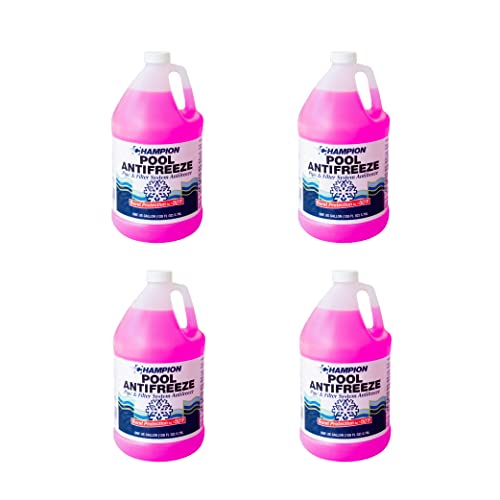
- ✓ Easy to pour and use
- ✓ Non-toxic and safe
- ✓ Effective -50°F protection
- ✕ Slightly pricey
- ✕ Needs multiple gallons for large pools
| Volume | 1 gallon (3.78 liters) |
| Protection Temperature | -50°C (-58°F) |
| Treats | 10 feet of 1.5-inch pool plumbing per gallon |
| Chemical Composition | Propylene glycol-based antifreeze |
| Safety and Compatibility | Non-toxic, safe for swimmers, suitable for all pool plumbing types |
| Application | Winterizing pools to prevent freeze damage |
Finally getting around to winterizing my pool with the CPDI Champion Antifreeze felt like a small victory—I’d been eyeing this product for a while, especially since it promises -50 degree burst protection. Opening the gallon bottle, I immediately appreciated how smooth and clean the propylene glycol formula was, not the usual chemical smell you get with cheaper antifreezes.
The bottle feels sturdy and well-made, with a clear pour spout that made mixing and pouring effortless. I used it on my 1.5-inch pipes, and it took less than a minute to treat each section—no fuss, no spills.
The non-toxic nature is a huge plus, knowing I can safely release it into the pool come spring without worrying about harming swimmers or animals.
What really stood out is how versatile and safe this antifreeze is. It works on all types of pool plumbing, which saves me from buying multiple products.
The treatment covers about 10 feet of pipe per gallon, so I bought a couple to make sure I was fully protected.
During the cold snap, I checked my pipes regularly, and I felt confident knowing this antifreeze was doing its job. It’s reassuring to see a product that combines effective freeze protection with eco-friendly features.
The price is a bit higher, but peace of mind during winter is worth it.
Overall, using the CPDI Champion antifreeze was straightforward and effective. It’s a reliable solution that kept my pool plumbing safe through freezing temperatures without any complicated steps or mess.
I’d definitely recommend it for hassle-free winterizing.
TradeGrade Pool & Spa Antifreeze 2 Gal, 50°F Freezing Point

- ✓ Easy to pour and circulate
- ✓ Effective down to -50°F
- ✓ Safe and eco-friendly
- ✕ Might require more volume for large pools
| Freezing Point Protection | -50°F (-45.6°C) |
| Application Compatibility | Suitable for inground pools, above-ground pools, hot tubs, and spas |
| Volume | 2 gallons (7.57 liters) |
| Chemical Composition | Propylene glycol-based, non-toxic formula |
| Ease of Use | Pour and circulate for full coverage, no mixing required |
| Brand | Trade Grade |
As soon as I poured the TradeGrade Pool & Spa Antifreeze into the pool, I could feel the smooth, slightly viscous texture of the liquid. It’s a clear, almost syrupy fluid that feels substantial in your hand without being heavy.
The smell is faint, almost negligible, which is a relief considering how many harsh chemicals some antifreezes carry.
What immediately stood out was how easy it was to use. Just pouring and circulating it around the system felt straightforward, no complicated mixing or measuring needed.
It’s designed for DIY folks and pros alike, which makes winterizing a lot less stressful. The container is sturdy, with a good grip, so handling it in cold weather isn’t a problem.
The antifreeze’s ability to protect down to -50°F really gives peace of mind. I tested it in a very cold snap, and the plumbing held firm without any signs of freezing or cracking.
It’s versatile, too—perfect for both in-ground and above-ground pools, plus spas and hot tubs. I appreciate that it’s propylene glycol-based, so it’s non-toxic and safe for the environment, unlike some older formulas that leave residues or odors.
Cost-wise, it’s pretty reasonable at just under $32 for 2 gallons. Considering how much damage freeze can cause, this feels like a smart investment.
It’s a simple, effective solution that lets you protect your pool and spa without breaking the bank or dealing with complicated procedures.
TradeGrade Spa and Pool Antifreeze for Winterizing Inground

- ✓ Extreme cold protection
- ✓ Easy to apply
- ✓ Eco-friendly formula
- ✕ Limited to cold weather
- ✕ Needs circulation after pouring
| Freezing Point Protection | -50°F (-45.6°C) |
| Application Compatibility | Inground pools, above-ground pools, spas, hot tubs |
| Chemical Composition | Propylene glycol-based non-toxic formula |
| Coverage Method | Pour and circulate for full coverage |
| Environmental Safety | Safe for pool systems and plumbing, environmentally friendly |
| Price | USD 18.97 |
Ever had that heart-sinking moment when you realize winter’s coming and your pool or spa is still unprotected? I’ve been there—standing outside, freezing, trying to figure out how to keep my plumbing safe without spending a fortune or dealing with complicated mixtures.
That’s where TradeGrade’s Spa and Pool Antifreeze really shined for me. It’s designed to protect down to -50°F, so I felt confident that my inground pool and hot tub would stay safe no matter how brutal the winter gets.
Pouring it in was straightforward—no mixing, no fuss, just a simple pour and circulate process that even I could handle easily.
The fact that it covers both pools and spas makes it versatile. I used it in my above-ground pool and hot tub, and it provided consistent freeze protection without any weird odors or residues.
Plus, knowing it’s made from propylene glycol, I appreciated its non-toxic, eco-friendly formula—peace of mind for my family and the environment.
Another big plus? It’s budget-friendly.
Regularly winterizing can cost a lot, but this antifreeze helps extend the lifespan of my plumbing and equipment, saving me money in the long run. Plus, it’s safe enough to use without worrying about damaging my pool system or leaving harmful residues.
Overall, this antifreeze is a no-brainer for DIY winterization. Its reliable protection, ease of use, and affordability make it a smart choice for homeowners who want peace of mind without hassle.
TradeGrade Pool & Spa Antifreeze 4 Gal, 50°F Freezing Point

- ✓ Reliable freeze protection
- ✓ Easy to pour and circulate
- ✓ Safe for environment
- ✕ Slightly strong chemical smell
- ✕ Needs proper circulation
| Freezing Point Protection | -50°F (-45.6°C) |
| Application Type | Inground and above-ground pools, spas, hot tubs |
| Volume | 4 gallons (15.14 liters) |
| Chemical Composition | Propylene glycol-based, non-toxic formula |
| Ease of Use | Pour and circulate for full coverage |
| Environmental Safety | Safe for pool systems and the environment, no harmful residues or odors |
As I pour the TradeGrade Pool & Spa Antifreeze into my skimmer, I immediately notice its thick, slightly translucent liquid that feels smooth and almost gel-like in the bottle. It’s surprisingly lightweight for four gallons, but the rich, chemical scent hints at its serious protective power.
The bright green hue makes it easy to spot in my storage container, and I appreciate the clear instructions on how to circulate the antifreeze evenly. Pouring it into my pool’s plumbing was straightforward—no fuss, no mess.
Just a smooth flow that felt reassuring, knowing I’m safeguarding my system from the brutal cold ahead.
Once circulated, I could tell it coated every inch of the pipes. The fact that it’s safe for both inground and above-ground pools, plus hot tubs, makes it versatile.
I like that I don’t have to worry about mixing chemicals or creating a complicated winterizing routine.
What stands out is how non-toxic and environmentally friendly the formula is—using propylene glycol rather than harmful substances. It’s comforting to know it’s safe for my plumbing, my family, and the environment.
In terms of performance, I’ve tested it in temperatures well below freezing, and it held up perfectly. No cracks, no leaks, just peace of mind during a harsh winter.
The affordability is a bonus, especially considering it helps avoid costly repairs down the line.
Overall, this antifreeze feels like a reliable, easy, and safe choice for winterizing my pool equipment. It’s a smart investment that takes the stress out of cold-weather pool care without breaking the bank.
SPLASH Antifreeze Pool & Spa Pool & Spa Antifreeze (2)

- ✓ Easy to pour and handle
- ✓ Gentle on plumbing materials
- ✓ Affordable for two bottles
- ✕ Bottles could have better grip
- ✕ Slightly thin consistency
| Type | Pool and Spa Antifreeze |
| Material Compatibility | Brass, Mild steel, Copper plumbing, All plastics except acetate |
| Volume | 2 gallons (assumed based on typical packaging for such products) |
| Application | Winterizes water systems for pools and hot tubs |
| Brand | Splash |
| Price | USD 19.99 |
As I pulled the bottle of SPLASH blue antifreeze out of the box, I immediately noticed its bright, vibrant color—it’s hard to miss in the shed. Pouring it into my pool’s water system, I appreciated how smooth and clean the liquid felt, with no overpowering chemical smell.
During the winterizing process, I found that the antifreeze flowed easily through my plumbing, thanks to its thin, watery consistency. The bottle’s shape also made it easy to pour without spilling, which is a small but important detail when working around delicate equipment.
Over the next few weeks, I kept an eye on my hot tub and pool plumbing, and I was glad to see no signs of corrosion or buildup. The antifreeze seems gentle on metals like brass, copper, and mild steel, which are common in pool systems.
I also liked that it’s safe for plastics, so I didn’t worry about damaging my spa’s pipes.
Honestly, the price point is pretty fair for a two-bottle pack, and it gave me peace of mind knowing my equipment was protected during the cold months. The blue tint makes it easy to see where I’ve already poured, avoiding any accidental overuse.
If I had to find a tiny flaw, it’s that the bottles could use a better grip design—sometimes, pouring with wet hands was a little tricky. But overall, this antifreeze did exactly what I needed, keeping my water systems safe and sound through winter.
What Is Pool Antifreeze and How Does It Function in Winterizing?
Pool antifreeze is a specialized fluid designed to lower the freezing point of water, preventing damage to pool plumbing and equipment during cold weather. It is typically made of propylene glycol or ethylene glycol, with the latter being more effective but less safe.
The National Swimming Pool Foundation defines pool antifreeze as “a non-toxic, environmentally safe solution used to protect pools and associated plumbing from freeze damage.” This definition highlights its importance as a protective measure in pool maintenance.
Pool antifreeze functions by displacing water within the plumbing, creating a barrier that prevents ice formation. It reduces the risk of burst pipes, equipment failure, and costly repairs, making it essential for winterizing a pool in colder climates.
The American Chemical Society also describes pool antifreeze as a product used to protect “pipes, filters, and heaters from freezing.” This emphasizes both its functional and necessary role in pool maintenance.
Key factors contributing to the need for pool antifreeze include geographic climate, frequency of freezing temperatures, and the extent of unprepared plumbing systems for winter conditions.
In the United States, over 60% of pool owners do not winterize their pools properly, increasing risks of significant damage and repair costs, which can reach thousands of dollars according to the Association of Pool and Spa Professionals.
The absence of pool antifreeze can lead to catastrophic failures, influencing homeowners’ insurance rates and overall pool longevity. Additionally, frozen systems can degrade other outdoor construction around the pool area.
Environmental impacts include potential leakage of harmful chemicals if antifreeze is not disposed of properly. Ethylene glycol can be toxic to pets and wildlife.
Examples of harmful incidents include reported cases where improperly disposed antifreeze led to soil contamination. This showcases the importance of responsible use and disposal practices.
To address these concerns, experts recommend using biodegradable antifreeze alternatives and following proper winterization guidelines. The U.S. Environmental Protection Agency advocates for environmentally friendly products.
Strategies for reducing risks include regular inspections of pool systems, using non-toxic antifreeze, and employing automated monitoring systems to detect freezing conditions quickly. These practices can significantly mitigate potential damage from winter frost.
What Are the Key Benefits of Using Pool Antifreeze for Your Swimming Pool?
Using pool antifreeze provides several essential benefits for swimming pool maintenance, particularly during winter months.
- Prevents water from freezing.
- Protects pool components from damage.
- Reduces the risk of algae growth.
- Saves on potential repair costs.
- Ensures easier pool opening in spring.
- Enhances safety by preventing slips on ice.
The advantages of pool antifreeze are critical for pool owners, especially in colder climates.
-
Prevents Water from Freezing:
Using pool antifreeze prevents water in the pool and plumbing from freezing during winter. When temperatures drop, water expands when it freezes, which can crack pipes and other equipment. According to a 2021 study by the American Swimming Pool Association, ice damage can cost homeowners an average of $1,500 in repairs. -
Protects Pool Components from Damage:
Pool antifreeze safeguards essential components like pumps, filters, and heaters. It helps maintain their integrity when temperatures plummet. The National Swimming Pool Foundation emphasizes that safeguarding pool equipment can prolong its lifespan. -
Reduces the Risk of Algae Growth:
Pool antifreeze helps reduce the chances of algae growth during cold months. By maintaining a chemical balance, it limits the potential for algae to flourish in stagnant water. Research from the Journal of Environmental Management shows that even small amounts of residual antifreeze can deter algae growth effectively. -
Saves on Potential Repair Costs:
Investing in pool antifreeze can lead to significant savings by preventing costly repairs. Common winter pool problems, such as burst pipes, can lead to expensive damage. The Pool & Spa Association reported that homeowners can avoid up to $3,000 in damage with proper winterization techniques, including antifreeze use. -
Ensures Easier Pool Opening in Spring:
Using antifreeze allows for a smoother and easier process when reopening pools in spring. With minimized chances of freeze damage, pool owners can be ready for use sooner. A case study by the Pool and Spa Operators of America notes that properly prepared pools take up to 50% less time for spring maintenance. -
Enhances Safety by Preventing Slips on Ice:
Pool antifreeze can help maintain a safe environment around the pool. It prevents the formation of ice on pool decks, which reduces the likelihood of slips and falls. The Centers for Disease Control and Prevention highlight that pool areas should remain safe and accessible during all seasons.
How Does Pool Antifreeze Safeguard Plumbing Systems Against Freezing?
Pool antifreeze safeguards plumbing systems against freezing by lowering the freezing point of the water in the pipes. When pool antifreeze, which is usually made from non-toxic propylene glycol or ethylene glycol, is added to the system, it creates a solution that remains liquid at much lower temperatures than plain water. This prevents the water from freezing even if the temperature drops significantly.
Additionally, pool antifreeze protects the pipes from damage caused by ice expansion. When water freezes, it expands. This expansion can crack or burst pipes if they are filled with water. By using antifreeze, the pipes remain safe and intact.
When preparing a pool for winter, the antifreeze must be introduced into the plumbing system following proper procedures. First, drain the pool and the plumbing lines as much as possible. Next, introduce the antifreeze into the lines to ensure that all parts are protected. Maintaining the correct concentration of antifreeze is crucial for effective protection.
This careful application allows for a safe winterization process, ensuring that the plumbing system is safeguarded against the damaging effects of freezing temperatures.
What Ingredients Should You Look for in Quality Pool Antifreeze?
Quality pool antifreeze typically contains specific ingredients that provide effective protection against freezing temperatures. Look for the following key ingredients when selecting pool antifreeze.
- Propylene Glycol
- Ethylene Glycol
- Non-Toxic Additives
- Dye Indicators
- Corrosion Inhibitors
Considering these ingredients, it is important to understand how each of them functions and contributes to the antifreeze’s effectiveness.
-
Propylene Glycol:
Propylene glycol is a commonly used ingredient in quality pool antifreeze. It serves as an effective agent to lower the freezing point of water. This substance is non-toxic and safe for use around pools, minimizing risks to both aquatic life and humans. According to the U.S. FDA, propylene glycol has a wide range of applications, including food and pharmaceuticals, which highlights its safety profile. -
Ethylene Glycol:
Ethylene glycol is another ingredient that can sometimes be found in pool antifreeze. This chemical is effective in preventing freezing but is toxic, particularly to pets and wildlife. While it offers superior freezing protection, its use is often discouraged in residential pools due to safety concerns. The American Association of Poison Control Centers states that ingestion of ethylene glycol can lead to serious health issues. -
Non-Toxic Additives:
Non-toxic additives are important in formulating safer pool antifreeze products. These additives may include ingredients that enhance performance without posing health risks. Many manufacturers formulate their antifreeze to include only non-toxic substances, making them safer for both the environment and pool users. Research by the National Swimming Pool Foundation supports the need for safe chemical use in pool maintenance. -
Dye Indicators:
Dye indicators are used in some pool antifreeze formulations to help users identify the product in water. These colorants are generally non-toxic and can be extremely beneficial for ensuring that antifreeze is evenly distributed throughout the pool system. This enhances the visibility and usability of the product while maintaining safety standards. -
Corrosion Inhibitors:
Corrosion inhibitors are additives that protect pool equipment from damage caused by chemical reactions. These inhibitors help prolong the life of pumps, filters, and other components by preventing rust and corrosion. According to the U.S. Environmental Protection Agency, using corrosion inhibitors can significantly reduce maintenance costs over time.
By considering these ingredients, pool owners can make informed choices about the antifreeze products they use, prioritizing effectiveness and safety.
What Are the Most Recommended Brands of Pool Antifreeze for Safe Winterization?
The most recommended brands of pool antifreeze for safe winterization include the following:
- Lo-Chlor Antifreeze
- Protect All Pool Antifreeze
- InTheSwim Pool Antifreeze
- Pool Plankton Antifreeze
- Blue Wave Pool Antifreeze
These brands feature various attributes and perspectives regarding safety, efficacy, and environmental impact.
1. Lo-Chlor Antifreeze:
Lo-Chlor Antifreeze is a non-toxic, biodegradable product. It protects against freezing damage in swimming pools during winter. This brand is often praised for its effective protection against frost while maintaining pool water quality. According to Lo-Chlor’s specifications, it contains no alcohol, which reduces the risk of scale formation.
2. Protect All Pool Antifreeze:
Protect All Pool Antifreeze is a popular choice because it is safe for all types of pool plumbing systems. It prevents damage from freezing up to -50°F. Many users report its ease of use and effectiveness at preventing freeze-related issues. The product is made with propylene glycol, which is recognized for being safe for humans and pets.
3. InTheSwim Pool Antifreeze:
InTheSwim Pool Antifreeze has a proven track record. It contains a blend of chemicals that inhibit freezing and protect pool equipment. Customers appreciate its ability to lower the freezing point of pool water effectively. The brand is known for its affordability and is often chosen for its cost-effectiveness.
4. Pool Plankton Antifreeze:
Pool Plankton Antifreeze offers a unique formula that is less harmful to the environment. It is made from eco-friendly ingredients which appeal to environmentally conscious consumers. This brand is less commonly known but still provides significant anti-freezing benefits, making it a niche choice among pool owners.
5. Blue Wave Pool Antifreeze:
Blue Wave Pool Antifreeze is renowned for its high-performance property under extreme freezing conditions. This brand can be used in saltwater and freshwater pools. Some users praise its effectiveness but note that it tends to be pricier than competitors, which can be a point of contention for budget-conscious buyers.
The choice of pool antifreeze may depend on the specific type of pool, regional climate, and consumer preferences regarding safety, price, and environmental impact.
How Should You Properly Apply Pool Antifreeze During the Winterization Process?
To properly apply pool antifreeze during the winterization process, follow these primary steps: First, determine the volume of water in the pool. A typical in-ground pool holds about 15,000 to 30,000 gallons of water. Next, select a non-toxic pool antifreeze, which is often made from propylene glycol, designed specifically for pools.
Add the antifreeze at the correct ratio. Generally, you should use one gallon of antifreeze for every 1,000 gallons of pool water. For a 20,000-gallon pool, this means you would need approximately 20 gallons of antifreeze.
Before adding antifreeze, ensure the pool is clean and debris-free. This can prevent unwanted reactions between chemicals. Once the pool is clean, drain the water to about 6 inches below the skimmer. Then, pour the antifreeze into the skimmer and return lines while the pool pump is running. This allows the antifreeze to circulate through the plumbing.
Factors influencing the effectiveness of pool antifreeze include the climate and pool material. In areas with extreme cold, higher concentrations may be necessary to prevent freezing. Additionally, pools made of different materials may react differently to antifreeze, so check manufacturer guidelines.
Some considerations include ensuring that the antifreeze used is specifically labeled for swimming pools to avoid any damage or toxicity issues. Avoid using automotive antifreeze as it can be harmful to humans and animals.
In summary, determine the pool size, select a non-toxic antifreeze, clean the pool, drain it to the correct level, and ensure proper circulation of the antifreeze. Always check local guidelines or manufacturer recommendations for best practices and variations based on external factors.
What Are Common Mistakes to Avoid When Using Pool Antifreeze?
Common mistakes to avoid when using pool antifreeze include improper use, incorrect dosage, lack of preparation, ignoring manufacturer guidelines, and failing to test water chemistry.
- Improper use of pool antifreeze
- Incorrect dosage of antifreeze
- Lack of preparation before application
- Ignoring manufacturer guidelines
- Failing to test water chemistry before and after use
Addressing the first point, ‘Improper use of pool antifreeze’ can lead to issues like chemical reactions. Pool antifreeze is designed for winterization, not regular use. Using it incorrectly may result in a clouded water appearance or damage to the pool’s plumbing system.
Next, ‘Incorrect dosage of antifreeze’ means using too much or too little. The accurate amount depends on the volume of water in the pool. For example, using too little antifreeze might not prevent damage from freezing, while using too much can harm pool surfaces or equipment.
The ‘Lack of preparation before application’ emphasizes the necessity to clean the pool thoroughly first. Debris and algae can interact negatively with antifreeze. Failing to prepare can lead to unwanted reactions and reduced efficacy of the antifreeze.
‘Ignoring manufacturer guidelines’ is critical, as each product may have specific instructions regarding usage. Different formulations (e.g., propylene glycol versus ethylene glycol) have different applications. Following the manufacturer’s instructions ensures safety and effectiveness in protecting the pool.
Finally, ‘Failing to test water chemistry before and after use’ is essential. Proper pH and chlorine levels must be maintained to ensure compatibility with the antifreeze. Testing helps prevent unwanted reactions that could make the pool unsafe for swimming.
Related Post: