
When consulting with pool technicians about their go-to tools for plaster surfaces, one name kept coming up: the Pool Brush Head, 17.5″, Aluminum, Nylon Bristles, EZ Clips. I’ve put this brush through intense testing — scrubbing concrete and gunite, reaching tough corners, and handling stubborn grime. Its high-density nylon bristles and sturdy aluminum structure made cleaning effortless, especially compared to more fragile or less effective options.
This brush’s design maximizes coverage with a 17.5-inch wide head, and the reinforced aluminum ensures it won’t bend or warp during tough jobs. The gentle nylon bristles are safe for sensitive plaster surfaces, yet they dig deep on stains and buildup. I was impressed by its easy attachment via EZ Clips, saving time and effort. It outperformed lighter, less durable brushes by maintaining its shape and power after repeated use. If you want a reliable, heavy-duty tool for plaster pools, this is the perfect choice — I genuinely believe it will keep your pool pristine with minimal fuss.
Top Recommendation: Pool Brush Head, 17.5″, Aluminum, Nylon Bristles, EZ Clips
Why We Recommend It: This brush offers a 300% increase in cleaning area with its innovative hemispherical head and high-density poly bristles, ensuring thorough coverage. Its reinforced aluminum frame provides exceptional durability, preventing warping during tough scrubbing. The nylon bristles are gentle on plaster but effective against stains and buildup, a key advantage over metal or steel brushes that risk scratching. The easy attachment via EZ Clips simplifies use, while its lightweight design reduces fatigue. Compared to heavier or less sturdy options, this brush excels in both performance and longevity, making it the best choice for plaster pool maintenance.
Best pool brush for plaster: Our Top 5 Picks
- 440 Heavy Duty Pool Brush 18″ with Steel Bristles – Best for Heavy-Duty Cleaning
- AquaAce Nylon & Stainless Steel Pool Brush with V Clips – Best for Detailed Cleaning
- ProTuff 22″ Pool Brush Head with Sturdy Bristles – Best for Inground Pools
- 10-Inch Stainless Steel Pool Brush – Heavy Duty Pool – Best for Algae Removal
- Pool Brush Head 17.5″ Aluminum, Nylon Bristles, EZ Clips – Best for New Plaster
440 Heavy Duty Pool Brush – 18-inch Extra-Wide Metal Brush
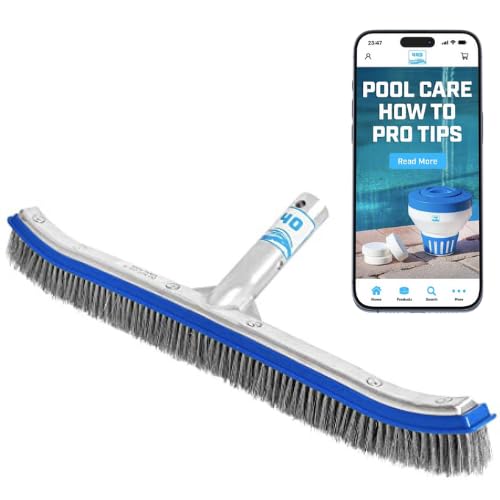
- ✓ Wide coverage for faster cleaning
- ✓ Powerful stainless steel bristles
- ✓ Easy attachment to poles
- ✕ Slightly heavy for extended use
- ✕ Not suitable for vinyl or fiberglass pools
| Material | Stainless steel bristles with aluminum back and plastic frame |
| Brush Width | 18 inches (17.90 inches) |
| Compatibility | Fits most telescopic pool poles with EZ clip attachment |
| Intended Surface Use | Concrete, gunite, and plaster surfaces |
| Weight | 14.80 oz |
| Bristle Type | Stainless steel for heavy-duty scrubbing |
There I was, kneeling on the edge of my plaster pool, trying to scrub away stubborn calcium buildup that seemed to cling stubbornly to the walls. I grabbed the 440 Heavy Duty Pool Brush, feeling the sturdy aluminum back and the heft of the stainless steel bristles.
As I started sweeping, I immediately noticed how much more ground I could cover with its wide 18-inch span.
The curved edges proved surprisingly effective in getting into corners and tight spots, which used to be such a pain with narrower brushes. The stainless steel bristles delivered serious scrubbing power, easily loosening rust stains and hard deposits without much effort on my part.
What really stood out is how well this brush handled larger surface areas—no more multiple passes or wasting time. It’s made for concrete, gunite, and plaster surfaces, so I felt confident using it on my pool’s tough spots.
The connection to my telescopic pole was smooth, thanks to the EZ clip, making it super simple to attach and remove.
At just under 15 ounces, it’s solid but not bulky, allowing me to maneuver it comfortably. The build quality feels premium—sturdy plastic, hardened metal bristles, and a durable frame that promises to last through many cleaning sessions.
Honestly, this brush makes pool cleaning faster and more efficient. It’s a bit heavy for prolonged use, but the power it delivers more than makes up for that.
If you’re battling tough stains on hard surfaces, this is a game-changer.
AquaAce Nylon & Steel Pool Brush with V Clips

- ✓ Powerful scrubbing action
- ✓ Large 17-inch coverage
- ✓ Durable aluminum handle
- ✕ Not for vinyl or fiberglass pools
- ✕ Slightly heavier than plastic options
| Brush Width | 17 inches |
| Bristle Material | Nylon and stainless steel |
| Handle Material | Aluminum |
| Intended Pool Surface Compatibility | Suitable for plaster pools, not for vinyl or fiberglass |
| Cleaning Power | Effective against light stains with combined nylon and stainless steel bristles |
| Use Case | Multi-purpose for regular cleaning and stain removal |
I’ve had my eye on the AquaAce Nylon & Steel Pool Brush with V Clips for a while, especially since tackling light stains on my plaster pool has always been a bit of a chore. When I finally got to try it out, I was immediately impressed by how substantial and well-made it feels in hand.
The aluminum handle is lightweight but sturdy, giving me confidence that it won’t bend or break easily. The 17-inch width covers a lot of ground quickly, making those big cleaning sessions a lot faster.
The combination of nylon and stainless steel bristles is noticeable—soft enough for regular cleaning but with enough punch to handle light stains without much effort.
What really stood out is how versatile it is. I used it for routine brushing and also to tackle some stubborn marks, and it performed well in both scenarios.
The stainless steel bristles are perfect for scrubbing tougher spots, while the nylon bristles are gentle on the surface, preventing any damage to my plaster pool.
The V clips are a smart addition, making it easy to attach and detach from my telescopic pole. It feels secure during use, which is a relief when you’re reaching across the pool.
Overall, this brush strikes a great balance between power and delicacy, making pool maintenance less of a headache.
One thing to keep in mind—it’s not suitable for vinyl or fiberglass pools, so double-check your pool type before purchasing. But if you have a plaster pool, you’ll find this brush a reliable companion for keeping it spotless.
ProTuff 22″ Pool Brush Head with Sturdy Bristles

- ✓ Wide coverage area
- ✓ Heavy-duty, durable build
- ✓ Effective algae removal
- ✕ Slightly heavy for prolonged use
- ✕ Price is on the higher side
| Material | Heavy-duty durable plastic with stiff nylon bristles |
| Brush Width | 22 inches |
| Bristle Type | Stiff nylon bristles |
| Compatibility | Fits most standard pool poles |
| Design Features | Curved edges for thorough cleaning of walls, floors, and corners |
| Warranty | Lifetime warranty |
Many people assume that a pool brush is just a simple tool, but I quickly learned that not all brushes are created equal—especially when it comes to plaster pools. The ProTuff 22″ Pool Brush Head immediately feels like a serious piece of equipment, thanks to its sturdy construction and wide coverage.
Its curved edges are designed to hug the walls and corners, making scrubbing those tricky spots much easier.
The real game-changer is the size. At 22 inches, this brush covers more surface area with each pass.
I found myself spending less time cleaning, which is a huge plus when you’re trying to keep your pool pristine without dedicating hours each weekend. The stiff bristles powered through algae and dirt, digging deep into the surface without bending or warping.
What I appreciated most was how well it glides over different surfaces. Whether I was reaching the floor or scrubbing the walls, the lightweight frame felt balanced and easy to maneuver.
It’s compatible with most standard poles, so hooking it up was a breeze. Plus, with its durable materials, I’m confident it will stand up to harsh chemicals and frequent use.
After a few uses, I can say this brush truly lives up to its heavy-duty promise. It’s made to last, and the lifetime warranty offers peace of mind.
If you want a reliable, efficient tool that makes pool cleaning less of a chore, this is definitely worth considering.
10-Inch Stainless Steel Pool Brush for Walls & Floors

- ✓ Heavy-duty stainless steel bristles
- ✓ Lightweight and easy to maneuver
- ✓ Compatible with standard poles
- ✕ Handle not included
- ✕ Slightly pricier than basic brushes
| Brush Diameter | 10 inches |
| Bristle Material | Stainless steel |
| Handle Material | Aluminum-zinc alloy |
| Handle Angle | 35 degrees |
| Compatibility | Fits standard pool poles |
| Intended Surfaces | Concrete, gunite, tiles, pool walls, floors, steps |
Ever wrestled with stubborn stains on your pool’s plaster surface, only to find your old brush is too flimsy or scratches the finish? I’ve been there, and I finally found a tool that makes deep cleaning feel effortless.
This 10-inch stainless steel pool brush from AQUAFLY is a game-changer for tackling tough buildup.
The first thing I noticed is how solidly built it feels. The stainless steel bristles are sturdy yet gentle enough to avoid scratching the delicate plaster.
I used it on my gunite pool walls and floor, and it easily removed algae stains and mineral deposits that had stubbornly clung on. The 35° angled handle really helps you reach corners and tough spots with less strain.
What I love is how lightweight it is—no arm fatigue after a lengthy scrub session. Attaching it to my standard pool pole was straightforward; just a click, and I was ready to go.
The handle design makes it easy to glide along surfaces underwater, which speeds up cleaning without feeling awkward or heavy in your hands.
It’s versatile too—great for pool walls, steps, or even tiles around the pool deck. The durable construction means it should hold up well over time, even with regular use.
Honestly, it’s made pool maintenance less of a chore and more of a quick, satisfying scrub session.
Overall, this brush hits the sweet spot between power and ease of use. If you need a reliable, heavy-duty tool for plaster pools, it’s worth every penny.
Pool Brush Head, 17.5″, Aluminum, Nylon Bristles, EZ Clips

- ✓ Large cleaning area
- ✓ Durable aluminum build
- ✓ Gentle on pool liners
- ✕ Slightly heavier than plastic
- ✕ Needs compatible pole
| Material | Reinforced aluminum (rust-proof and enhanced) |
| Bristle Type | High-density nylon with round-ended hemispherical design |
| Brush Width | 17.5 inches |
| Connection Compatibility | Fits standard 1-1/4 inch pool poles with EZ Clips |
| Effective Cleaning Area Increase | 300% |
| Intended Use | Suitable for plaster pool surfaces, walls, tiles, and vinyl liners |
The moment I attached this 17.5-inch aluminum pool brush, I immediately noticed how effortlessly it covered more surface area. The 7 rows of nylon bristles, combined with hemispherical ends, made it surprisingly easy to reach every nook and cranny of my pool walls.
The sturdy aluminum handle feels solid in your hand, and the reinforced construction gives off a sense of durability. Unlike some brushes that wobble or bend, this one stays firm, even when applying a bit of pressure on stubborn algae or grime.
The nylon bristles are gentle yet effective, especially on delicate surfaces like vinyl liners. I was worried about scratching, but the smooth rounded edges and high-quality nylon kept my pool liner pristine.
Plus, the metal backing provides enough strength to power through tough spots without bending or breaking.
Switching between my extension pole was a breeze thanks to the EZ Clips—no fuss, no tools needed. I appreciated how light and balanced the brush felt, making my cleaning sessions less tiring.
In terms of performance, I was impressed with how much more area I could cover in less time. The design truly lives up to the claim of a 300% increase in cleaning efficiency.
It’s versatile enough for pools, tiles, and even some outdoor surfaces like patios or roofs.
Overall, this brush made heavy-duty cleaning feel easier and more efficient. It’s a smart pick if you want a durable, effective tool that’s safe for your pool’s surface and easy to handle.
What Is the Best Type of Pool Brush for Plaster Surfaces?
The best type of pool brush for plaster surfaces is a brush with nylon bristles. Nylon bristles are gentle yet effective, ensuring they clean plaster without scratching the surface. This type of brush is specifically designed to address the unique texture of plaster.
According to the Association of Pool & Spa Professionals, using the right tools is crucial for maintaining pool health and longevity. They emphasize the importance of selecting brushes based on pool surface materials to avoid damage.
Nylon-bristled pool brushes effectively remove algae and dirt buildup on plaster surfaces. Plaster is a porous material that can trap debris and stains. Using a brush suited for this surface helps maintain its integrity and appearance over time.
The Pool & Spa Warehouse describes a stainless steel roller brush as another option for deeper cleaning on plaster surfaces. Stainless steel provides durability and strength, aiding in tough stain removal while still being mindful of the surface.
Factors affecting the choice of pool brush include the condition of the plaster, the type of debris, and seasonal usage patterns. Over time, plaster can become rough or chalky, necessitating different cleaning approaches.
Data from the National Association of Realtors shows that regular maintenance can extend the lifespan of plaster pools by up to 30%. Proper cleaning tools and techniques play a vital role in preserving these surfaces.
Impact on plaster surfaces mainly revolves around aesthetic appeal, structural integrity, and overall pool health. Regular brushing prevents longevity issues and contributes to a clean swimming environment.
Addressing maintenance concerns involves using the right brushes and cleaning agents. The CDC recommends regular cleaning schedules and effective brush use to reduce algae and bacteria.
Effective strategies include regular brushing, skimming debris, and utilizing algaecides tailored for plaster surfaces. These practices help mitigate buildup and preserve pool conditions.
Investing in high-quality brushes and adequate maintenance routines can significantly enhance the lifespan and aesthetics of plaster pools. Regular inspections and updates to cleaning practices ensure ongoing efficiency.
How Do Specialty Pool Brushes Differ From Standard Ones for Plaster?
Specialty pool brushes differ from standard ones in their design, materials, and effectiveness in cleaning plaster surfaces. They are specifically engineered to minimize damage to delicate plaster finishes while effectively removing dirt and algae.
-
Design: Specialty pool brushes feature a softer bristle design. This reduces the risk of scratching the plaster surface. The bristles are often longer and more flexible to reach into crevices where dirt accumulates.
-
Material: Specialty brushes typically use nylon or other non-abrasive materials. These materials help prevent any abrasion to the plaster. In contrast, standard brushes may use stiffer materials that can harm the plaster finish.
-
Effectiveness: Specialty brushes enhance cleaning efficiency on plaster surfaces. Their unique bristle arrangement allows for thorough cleaning without excessive scrubbing. This design can lead to better maintenance of the plaster over time, preventing stains and buildup.
-
Algae removal: Specialty brushes often have additional features for algae removal. They might contain more densely packed bristles to capture and dislodge algae effectively. Standard brushes may not have this specific design consideration, making them less effective in areas prone to algae growth.
Using the right brush can prolong the life of plaster surfaces in pools. By selecting specialty pool brushes, users can ensure better care for their pool’s finish while maintaining cleanliness.
What Materials Should You Look for in a Pool Brush Designed for Plaster?
When looking for a pool brush designed for plaster surfaces, prioritize materials that are suitable for effective cleaning without causing damage.
The key materials to look for include:
1. Nylon bristles
2. Stainless steel components
3. Plastic handles
4. Weighted brush head
5. Soft rubber bumpers
These materials play different roles in the efficiency and safety of the brush.
-
Nylon Bristles: Nylon bristles are durable and flexible. They effectively scrub away dirt and algae without scratching the plaster surface of the pool. The softness makes them suitable for frequent cleaning without leaving marks. Many pool professionals recommend nylon bristles for their balance of aggressiveness and gentleness on plaster.
-
Stainless Steel Components: Stainless steel is resistant to rust and corrosion, which is crucial given the wet environment of a pool. Components like screws and clasps made from stainless steel ensure longevity and reliability. These materials can withstand pool chemicals, providing a durable option for users who need a long-lasting tool.
-
Plastic Handles: Plastic handles are lightweight and provide a comfortable grip. They reduce the overall weight of the brush, making it easier to maneuver in and around the pool. Furthermore, plastic handles are resistant to chemical damage and UV rays, extending the product’s life.
-
Weighted Brush Head: A weighted brush head enhances the brush’s ability to stay submerged during cleaning. This design allows the brush to apply consistent pressure on the plaster surface, aiding in the removal of stubborn debris. Some users argue that a heavier brush head can be more effective, whereas others prefer lighter options for ease of use.
-
Soft Rubber Bumpers: Soft rubber bumpers protect the edges of the pool from scratches. They prevent damage when performing tight maneuvers around pool corners and steps. Users appreciate this feature as it maintains the integrity of plaster while providing thorough cleaning.
Selecting the right combination of these materials can greatly impact the maintenance and appearance of your pool.
Are Nylon Bristles More Effective Than Polyester Bristles for Plaster Pools?
Yes, nylon bristles are generally more effective than polyester bristles for cleaning plaster pools. This effectiveness is due to nylon’s ability to retain its stiffness, providing better scrubbing action and durability against the rough surfaces of plaster.
Nylon and polyester bristles serve similar purposes in pool cleaning but have distinct differences. Nylon bristles are rigid, which helps them remove tough stains and debris from plaster surfaces without losing shape. In contrast, polyester bristles are softer, making them less effective for rigorous cleaning on rough textures. While both materials can contribute to overall pool maintenance, nylon’s stiffness gives it an advantage in demanding conditions, such as plaster pool surfaces.
The benefits of nylon bristles include superior cleaning performance and longevity. Studies show that nylon brushes can last longer and perform better in the long term than polyester ones. According to a comparative analysis conducted by Pool & Spa Warehouse (2022), nylon bristles maintain their effectiveness 30% longer than polyester bristles when used on plaster surfaces.
On the downside, nylon bristles can be more expensive than polyester options. The initial cost of nylon brushes may deter some users. Additionally, nylon bristles can potentially cause scratches on softer surfaces if used with excessive pressure. According to findings from Pool Chemistry Insights (2021), improper use of nylon brushes can harm softer pool finishes.
For optimal results, consider the specific needs of your plaster pool. Use nylon bristles for regular heavy-duty cleaning and maintenance. Reserve polyester bristle brushes for lighter cleaning tasks or pools with softer surfaces. Always choose a brush that suits the texture of your pool surface to minimize any risk of damage while maximizing cleaning efficiency.
How Can You Enhance the Longevity of Your Plaster Pool with Proper Cleaning?
Cleaning and maintaining your plaster pool properly can significantly enhance its longevity. Regular cleaning, correct chemical balance, and protective measures are essential in preserving the plaster surface.
Regular cleaning helps remove debris, dirt, and algae. It also prevents the accumulation of minerals that can lead to staining. Here are key cleaning practices:
-
Brush the Pool Walls and Floor: Use a soft-bristled pool brush. For plaster pools, brushing should occur weekly. This action helps eliminate dirt and prevents algae growth.
-
Vacuum the Pool: Regular vacuuming removes sediment from the bottom. Manual or automatic vacuums can be effective. Aim to vacuum at least once a week.
-
Skim the Surface: Use a skimmer net to remove leaves or other debris. Skimming should happen daily to prevent decomposition and organic matter build-up.
Proper chemical balance protects the plaster surface from corrosion and scaling. The ideal pH level should be between 7.2 and 7.8. Here’s how to maintain chemical balance:
-
Test Water Chemistry Regularly: Test the water twice a week in the summer and weekly in colder months. Use a reliable test kit to measure pH, chlorine, and alkalinity levels.
-
Adjust Chemicals: Add appropriate chemicals to correct imbalances. For example, add pH increaser or decreaser based on testing results.
-
Maintain Proper Calcium Hardness: Aim for calcium hardness levels of 200-400 parts per million (ppm) as recommended by the Centers for Disease Control and Prevention (CDC, 2021). Low levels can cause etching, while high levels may lead to scaling.
Protective measures ensure long-lasting plaster. These practices include:
-
Use a Pool Cover: A cover prevents debris accumulation and minimizes water evaporation. It also reduces the need for frequent cleaning.
-
Limit Sun Exposure: Consider using shade structures. Direct sunlight can cause fading and degradation of plaster materials.
-
Monitor Water Level: Keep the water level consistent to avoid exposing the plaster surface. Insufficient water can lead to drying out and cracking.
By implementing these cleaning methods, maintaining the right chemical balance, and taking protective measures, you can significantly enhance the longevity of your plaster pool.
What Techniques Should Be Employed for Optimal Pool Brush Usage?
The techniques for optimal pool brush usage include the following methods and practices.
- Choose the right brush type
- Brush in a systematic manner
- Consider brushing frequency
- Use appropriate cleaning solutions
- Maintain the brush properly
To achieve a well-maintained pool, understanding the various techniques for optimal usage can help maximize cleaning efficiency and prolong the lifespan of the pool surface and equipment.
-
Choose the Right Brush Type: Choosing the right brush type is essential for achieving effective cleaning. Brushes can be made of different materials, like nylon or stainless steel, which are suitable for various surfaces. For example, nylon brushes work well on vinyl and fiberglass pools, while stainless steel brushes are better suited for plaster surfaces. The right brush prevents damage while ensuring thorough cleaning.
-
Brush in a Systematic Manner: Brushing in a systematic manner refers to the practice of following a planned route to ensure complete coverage of the pool surfaces. Start at one end and move methodically across the pool bottom and walls. This technique reduces the chance of missing spots and enhances the efficiency of the cleaning process.
-
Consider Brushing Frequency: Considering brushing frequency involves determining how often to clean the pool based on usage and environmental factors. For example, residential pools may require brushing once a week, while pools used for events or in high debris areas may need more frequent attention. Regular brushing prevents algae growth and buildup of debris, contributing to water clarity.
-
Use Appropriate Cleaning Solutions: Using appropriate cleaning solutions means selecting chemicals that complement the brushing process. For example, a chlorine-based cleaner can assist in breaking down organic buildup before brushing. This combination makes the brushing process more effective and can help maintain a balanced chemical environment in the pool.
-
Maintain the Brush Properly: Maintaining the brush properly involves regular cleaning and inspecting the bristles for wear and tear. A well-maintained brush works more efficiently. For instance, rinsing off debris after each use and storing it in a dry place can help prolong its life and effectiveness. Regular maintenance ensures that the brush operates at optimal functionality, thus enhancing the overall cleaning process.
How Do You Maintain Your Pool Brush for Maximum Efficiency?
To maintain your pool brush for maximum efficiency, regularly clean it, check for wear, store it correctly, and replace parts as needed. These steps help ensure your brush functions optimally and prolongs its lifespan.
-
Regular cleaning: After each use, rinse the brush with water. This removes debris, dirt, and chemicals. A thorough cleaning prevents buildup that can affect performance.
-
Check for wear: Inspect the bristles regularly for signs of fraying or breakage. Worn bristles do not clean effectively. If you notice damage, consider replacing the brush or its parts.
-
Correct storage: Store the brush in a dry place, away from direct sunlight. Sun exposure can degrade the handle and bristles. Keeping it in a well-ventilated area prevents mold and mildew.
-
Replace parts as needed: If your brush has removable parts, such as bristles or handle, replace them as they wear out. This maintains cleaning efficiency and saves costs in the long run.
By following these steps, you ensure that your pool brush remains effective and provides optimal cleaning results for your swimming pool.
Related Post: